
Suit Value & Cost Calculator
1. Your Suit Details
You walk into a shop, see a suit for £150, and another for £1,500. The first looks fine under fluorescent lights. The second feels different when you touch it. So, what is the good price to spend on a suit? There isn't one magic number. But there is a sweet spot where your money actually buys you better fabric and construction, rather than just a brand name or marketing fluff.
Most men buy suits too cheaply or overspend on labels they don't need. If you are buying a suit for a wedding, a job interview, or daily office wear, spending between £300 and £600 usually gets you the best balance of quality and value. Below that, you often get polyester blends that trap heat and look shiny. Above that, you start paying for hand-stitching details and designer logos that don't necessarily make you look better in photos or feel more comfortable at a dinner party.
The Three Price Tiers Explained
To understand where your money goes, break the market into three clear tiers. This helps you decide if you are saving money or wasting it.
| Tier | Price Range (GBP) | Fabric & Construction | Best For |
|---|---|---|---|
| Budget | £100 - £250 | Polyester blends, fused construction, mass-produced fit. | One-off events, students, tight budgets. |
| Mid-Range | £300 - £600 | Wool or wool-silk blends, half-canvas construction, better tailoring options. | Weddings, business professionals, regular wear. |
| High-End | £700+ | Full canvas, high-grade Italian/British wool, bespoke or made-to-measure features. | Enthusiasts, executives, heirloom pieces. |
Why £300-£600 Is the Sweet Spot
At this price point, you move away from synthetic materials. Cheap suits use polyester because it is durable and doesn't wrinkle easily during shipping. But polyester does not breathe. Wear a £150 suit in a crowded room in July, and you will sweat through your shirt. Wool breathes. It regulates temperature. At £400, you can find pure wool or high-quality wool blends from mills like Vitale Barberis Canonico or similar reputable suppliers.
Construction matters just as much. Most budget suits are "fused," meaning the inner lining is glued to the outer fabric. Over time, especially after dry cleaning, the glue can bubble, making the lapels look wavy. Mid-range suits often use "half-canvas" construction. This means the chest area is stitched with a natural hair canvas layer, allowing the jacket to mold to your body over time. It drapes better. It lasts longer. That difference alone justifies the extra £150-£200 compared to the bargain bin.
When Spending Less Makes Sense
Do you really need a £500 suit for a cousin's wedding you attend once every five years? Probably not. If you are a student attending a graduation ceremony, or you need a suit for a single formal event, spending £150-£200 is perfectly reasonable. Brands like H&M, Zara, or Uniqlo offer decent fits for these short-term needs.
The key here is expectation management. You know the suit won't last ten years. You know it might shine at the elbows after two wears. That is fine if you view it as a disposable uniform for a specific day. Just don't expect it to perform like a workhorse suit you wear three days a week.
When to Spend More
If you wear a suit to work four days a week, the math changes. A £200 suit worn twice a week might lose its shape within six months. You end up replacing it annually. Two £200 suits cost £400. One £600 suit, properly cared for, can last three to five years. Suddenly, the expensive option is cheaper per year.
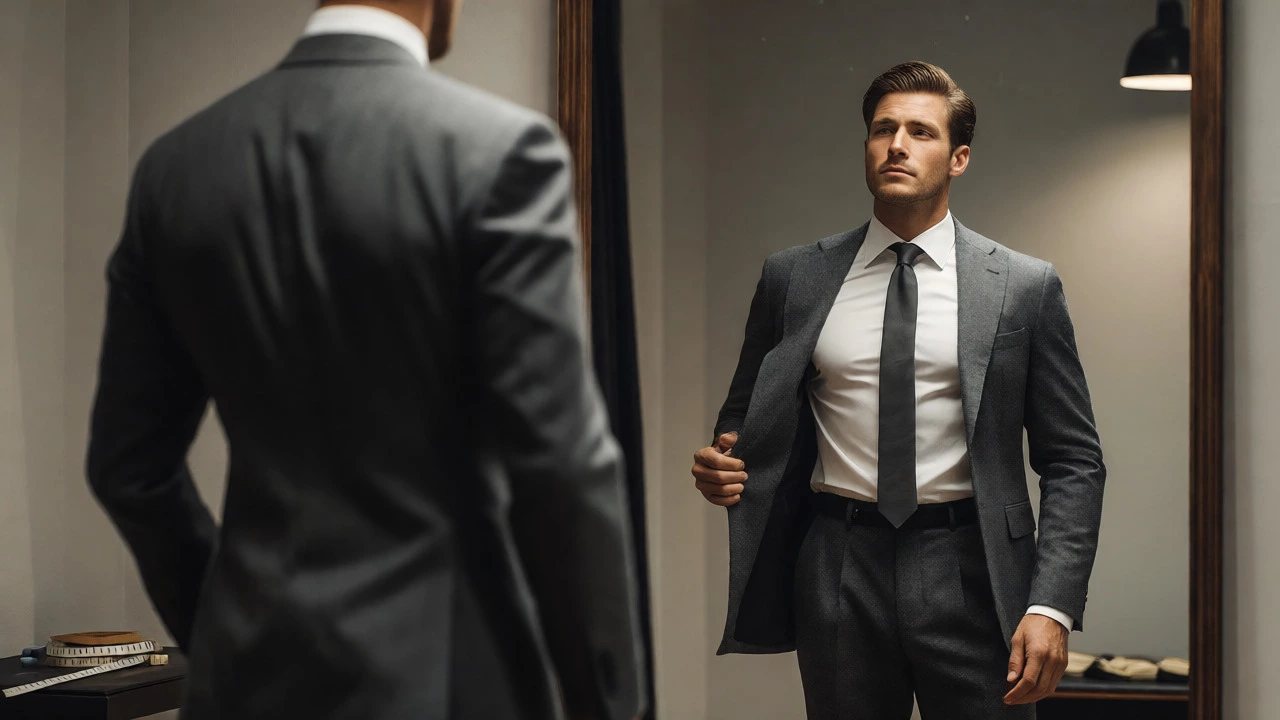
Also consider your body type. Off-the-rack suits are cut for an average man: 5'9", 170 lbs, broad shoulders, narrow waist. If you have athletic legs, long arms, or a thick neck, a cheap suit will never fit right. Alterations cost money-often £50-£100. A higher-end suit often comes with more allowance in the seams for adjustments, or offers made-to-measure services within that £600-£800 range. Paying more upfront saves frustration later.
Hidden Costs You Must Budget For
The sticker price is not the final price. Here is what else hits your wallet:
- Alterations: Almost no suit fits perfectly off the rack. Budget £50-£100 for hemming trousers and taking in the waist.
- Shoes: A £500 suit looks cheap with £30 plastic-soled shoes. Pair it with leather-soled oxfords or derbies (£100+).
- Shirt and Tie: A crisp cotton shirt (£40-£60) and a silk tie (£30-£50) complete the look. Synthetic ties look flat and lifeless next to a wool suit.
- Dry Cleaning: Don't clean it after every wear. Air it out. But when you do clean it, use a reputable cleaner (£15-£20 per visit). Bad cleaners ruin expensive fabric.
If your total budget is £500, don't spend £450 on the suit. Spend £350 on the suit, £50 on alterations, £50 on a shirt, and £50 on a tie. You will look sharper than someone wearing a £500 suit with a wrinkled shirt and no tailoring.
How to Judge Quality in Seconds
You don't need to be a tailor to spot a good deal. Try these quick checks in the store:
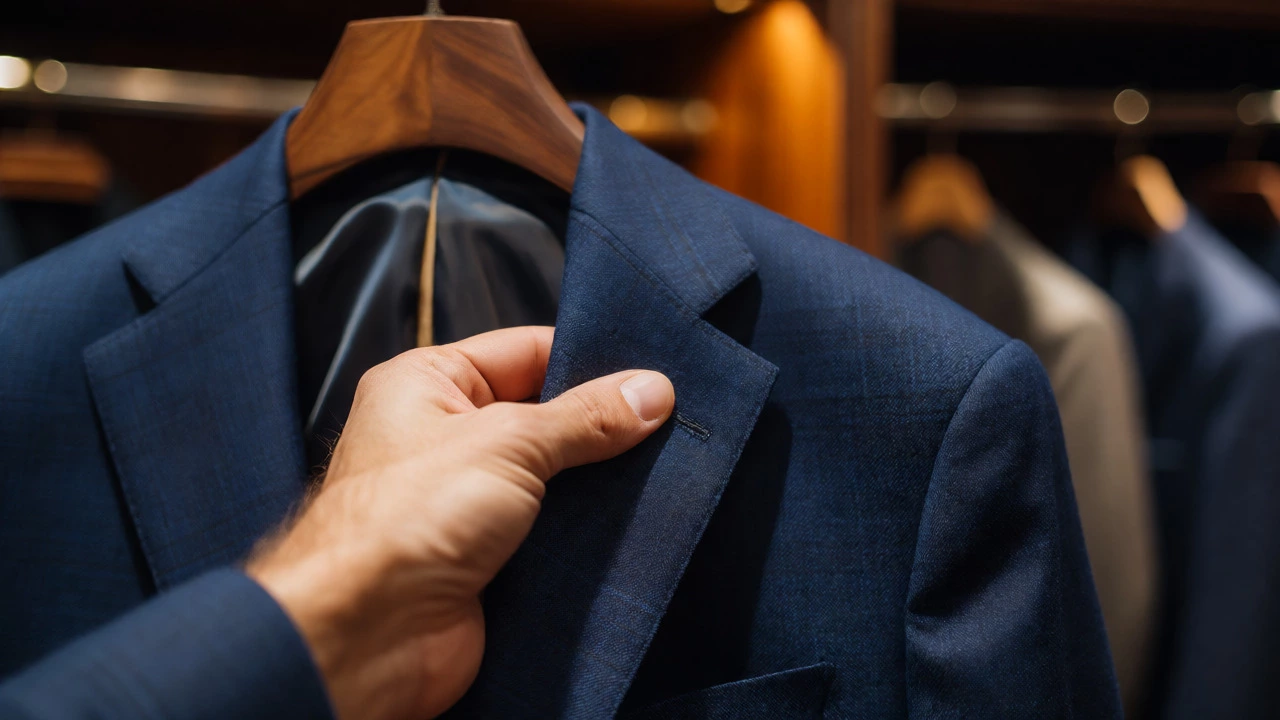
- The Pinch Test: Grab the fabric between your thumb and forefinger. Hold it for ten seconds, then let go. If wrinkles remain sharply defined, the fabric has poor recovery. Good wool springs back quickly.
- Check the Lining: Look inside the jacket. If you see a smooth, slippery lining that covers everything, it might be low-quality viscose. Better suits use cupro or Bemberg linings, which breathe better.
- Buttonholes: Are the buttonholes on the sleeve functional? Can you unbutton them? On cheap suits, they are often fake or sewn shut permanently. Functional buttons signal better attention to detail.
- Shoulder Fit: This is the hardest part to alter. The seam should sit exactly on your shoulder bone. If it hangs over, the suit is too big. If it pulls, it is too small. No amount of tailoring fixes bad shoulder fit well.
Brand Recommendations by Budget
You don't need to hunt for obscure tailors. These brands consistently deliver value in their respective tiers:
- Under £250: Uniqlo (great basics), H&M Premium Selection (better fabrics than standard line), Charles Tyrwhitt (sales happen often).
- £300-£600: Suitsupply (excellent European cuts and fabrics), J.Crew (classic American style), Reiss (modern UK fit), Ted Baker (bold patterns).
- Over £600: Brooks Brothers (heritage quality), Ralph Lauren Purple Label (entry luxury), local independent tailors who offer made-to-measure packages.
Suitsupply deserves special mention. They operate on a direct-to-consumer model, cutting out middlemen. This allows them to sell full-canvas or half-canvas suits with Italian fabrics for around £400. Compare that to a traditional department store charging £800 for similar specs, and you see why savvy buyers flock there.
Final Verdict: What Should You Pay?
If you are starting out, aim for £350-£450. This gets you a wool blend or pure wool suit with half-canvas construction. It looks professional, feels comfortable, and survives multiple seasons. If you are older, established, or wear suits daily, stretch to £600-£800 for better longevity and fit options. Avoid spending under £200 unless it is strictly temporary. And remember, a well-fitted £300 suit always beats an ill-fitting £1,000 suit.
Is a £200 suit worth buying?
It depends on usage. For occasional wear, yes. For daily office wear, no. You will likely replace it within a year due to fabric shine and shape loss, costing more in the long run than a £400 alternative.
Do I need a made-to-measure suit?
Only if off-the-rack fits frustrate you. Standard sizing works for 80% of men. If you have unique proportions, MTM starts around £500-£700 and offers superior comfort and silhouette.
Which color is most versatile for my first suit?
Navy blue. It works for weddings, interviews, and funerals. Charcoal grey is a close second. Black is generally too formal for daytime business and looks harsh in daylight photography.
How many suits should I own?
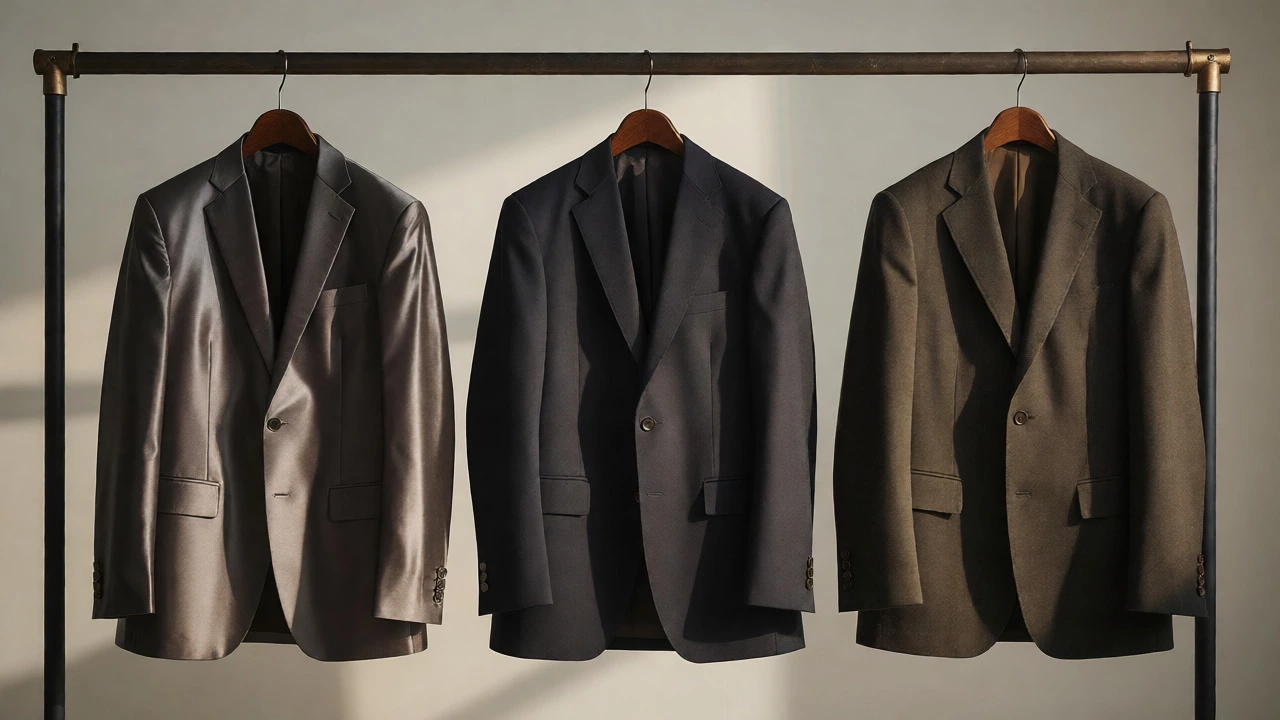
Three is ideal: one navy, one grey, and one patterned or seasonal (like tan or light blue). This rotation prevents fabric fatigue and lets each suit rest 24 hours between wears.
Are sales a good time to buy expensive suits?
Yes. High-end brands often discount 30-50% during end-of-season sales. However, sizes disappear fast. Sign up for newsletters to get early access to stock.