
Vintage Denim: Classic Jeans That Last and How to Style Them
When we talk about vintage denim, fabricated between 20 and 99 years ago with authentic construction, fading, and wear patterns that modern reproductions can’t replicate. Also known as classic denim, it’s the kind of jeans that don’t just sit on your hips—they tell a story. Unlike today’s mass-produced jeans, real vintage denim was made with heavier cotton, single-needle stitching, and metal rivets that actually held up. You can feel the difference. The fabric doesn’t pill after three washes. The indigo doesn’t bleed like cheap dye. And the fade? It’s not sprayed on—it’s earned from years of work, travel, or just living.
That’s why people still hunt for it. vintage clothing, garments made with care, designed to last decades, and often sourced from military surplus, factory workers, or ranchers isn’t just a trend—it’s a reaction to disposable fashion. You won’t find this kind of quality in fast-fashion brands. Real vintage denim came from mills that no longer exist, stitched on machines that are now museum pieces. And the fit? It’s different. Higher waists, straight legs, minimal stretch. These aren’t designed to hug every curve—they’re built to move with you, not against you.
What makes vintage denim so powerful isn’t just its durability—it’s how it pairs with everything. Throw a plain white tee under a 1970s Levi’s 501 and you’ve got instant cool. Belt it with a simple buckle, roll the cuffs, and wear it with cowboy boots or clean white sneakers. It doesn’t need to be perfect. In fact, the worn-in spots, the slight asymmetry in the fading, the tiny repair stitches—they’re features, not flaws. That’s the magic. You’re not wearing a brand. You’re wearing history.
And it’s not just about jeans. denim styling, the art of pairing vintage denim with other timeless pieces like flannel shirts, leather jackets, or work boots has roots in American workwear. Think cowboys, railroads, and factory floors. That rugged practicality is why it still works today. You don’t need to dress like a 1950s rebel to pull it off. Just find a pair that fits your body, not the Instagram influencer’s. Look for natural fading along the thighs and knees, not the fake whiskering you see on new jeans. Check the pocket stitching—hand-stitched edges mean it’s older. And if the label says "Made in USA" or "Made in Japan" from the 80s or earlier? That’s a good sign.
There’s a reason these pieces stick around. They don’t go out of style because they weren’t made to follow it. They were made to endure. And now, you can wear them without looking like you’re in a costume. Whether you’re hitting the trail, the bar, or just running errands, real vintage denim gives you something modern clothes can’t: authenticity, strength, and soul.
Below, you’ll find real guides on how to spot true vintage denim, how to care for it so it lasts another 20 years, and how to wear it without trying too hard. No fluff. Just what works.
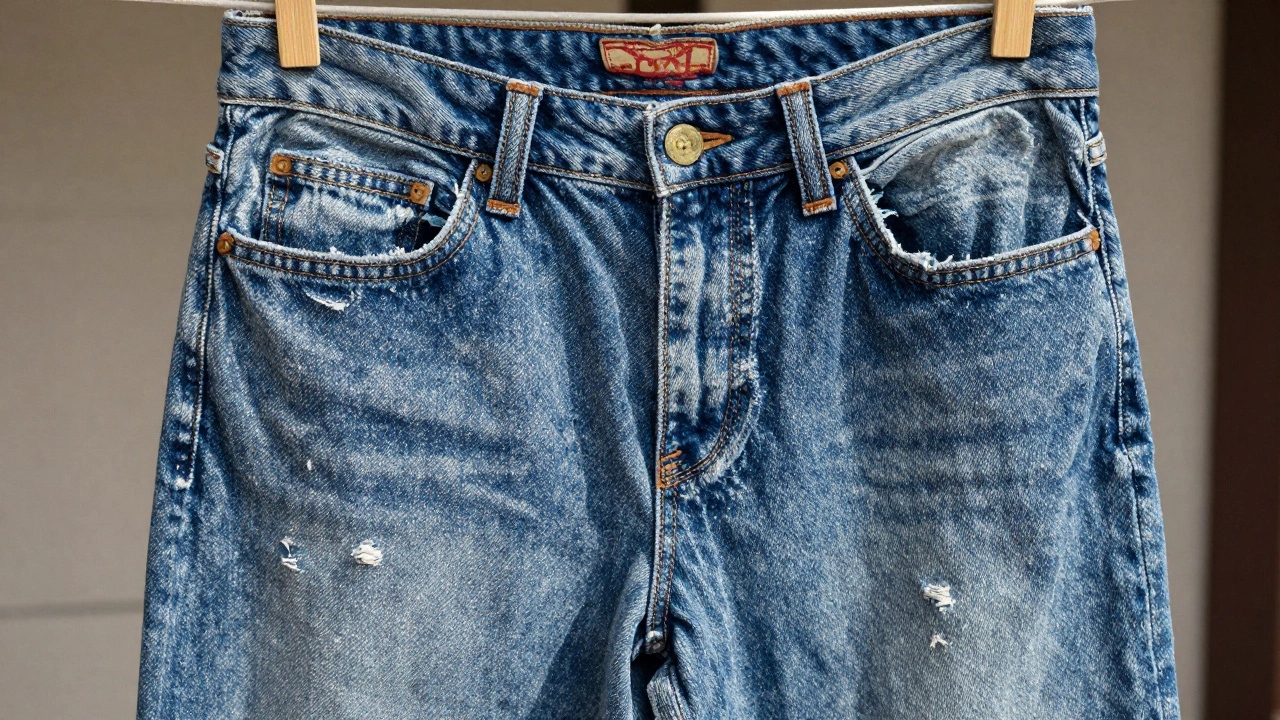
Why Are Old Jeans Better? The Real Reason They Last Longer and Feel Right
Old jeans aren't just worn out-they're perfected by time. They fit better, last longer, and carry the story of your life. Here's why the most comfortable jeans are the ones you've worn for years.