
Summer Slimming Style Advisor
Select your primary concern below to receive tailored advice on fabrics, cuts, and styling tricks to look streamlined while staying cool.
Your Summer Strategy
Select your options and click "Get Styling Advice" to see personalized tips.
Summer heat is brutal enough without the added stress of feeling self-conscious about your outfit. You want to stay cool, but you also want to feel confident. The good news? You don’t need a new wardrobe or a drastic diet change to achieve that streamlined look. It’s mostly about geometry and fabric choice.
Most people think "dressing thinner" means wearing black from head to toe. But let’s be real-sweltering in heavy black fabrics in July is miserable. The secret lies in understanding how light, shadow, and cut interact with your body shape. Once you grasp these basics, you can pick pieces that flatter your frame while keeping you comfortable when the temperature spikes.
The Fabric Factor: Why Material Matters More Than Color
Before you even think about color palettes, look at what your clothes are made of. This is where most summer outfits fail. Heavy denim or thick cotton traps heat and adds bulk. If a shirt clings to every bump because it’s damp with sweat, it defeats the purpose of looking polished.
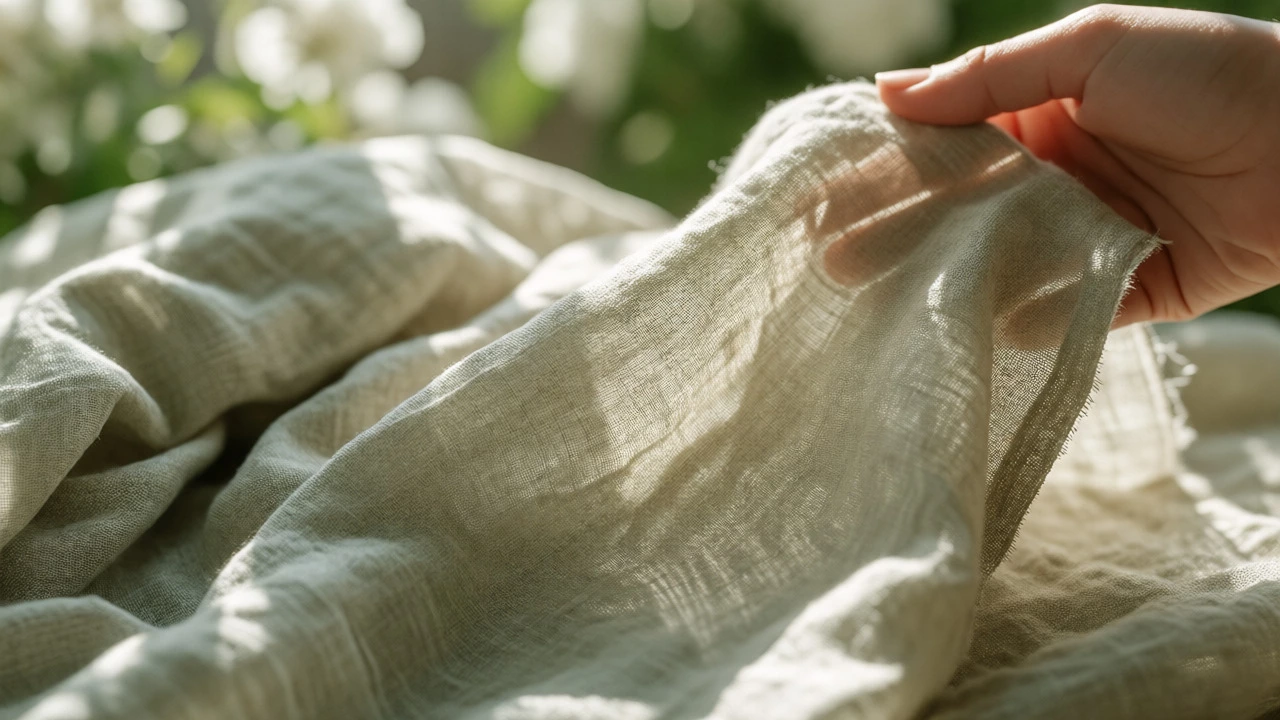
You want natural fibers like linen, cotton voile, and rayon. These materials breathe. They allow air to circulate between the fabric and your skin, which prevents that sticky clinging effect. Linen, for instance, has a natural texture that diffuses light rather than reflecting it sharply. This softens your silhouette instead of highlighting curves you might want to downplay.
Avoid synthetic blends like polyester unless they are specifically designed as moisture-wicking performance wear. Standard polyester doesn’t breathe well. It creates a greenhouse effect against your skin, leading to visible sweat patches and a disheveled appearance by noon. Stick to loose weaves. If you can see through the fabric when held up to the light, it will likely drape better on your body than a tight-knit material.
Mastering Vertical Lines and Monochrome Tricks
Visual tricks are powerful tools. Your eye naturally follows lines. Horizontal stripes widen; vertical lines elongate. But you don’t have to wear pinstripes to get this effect. You can create verticality with structure.
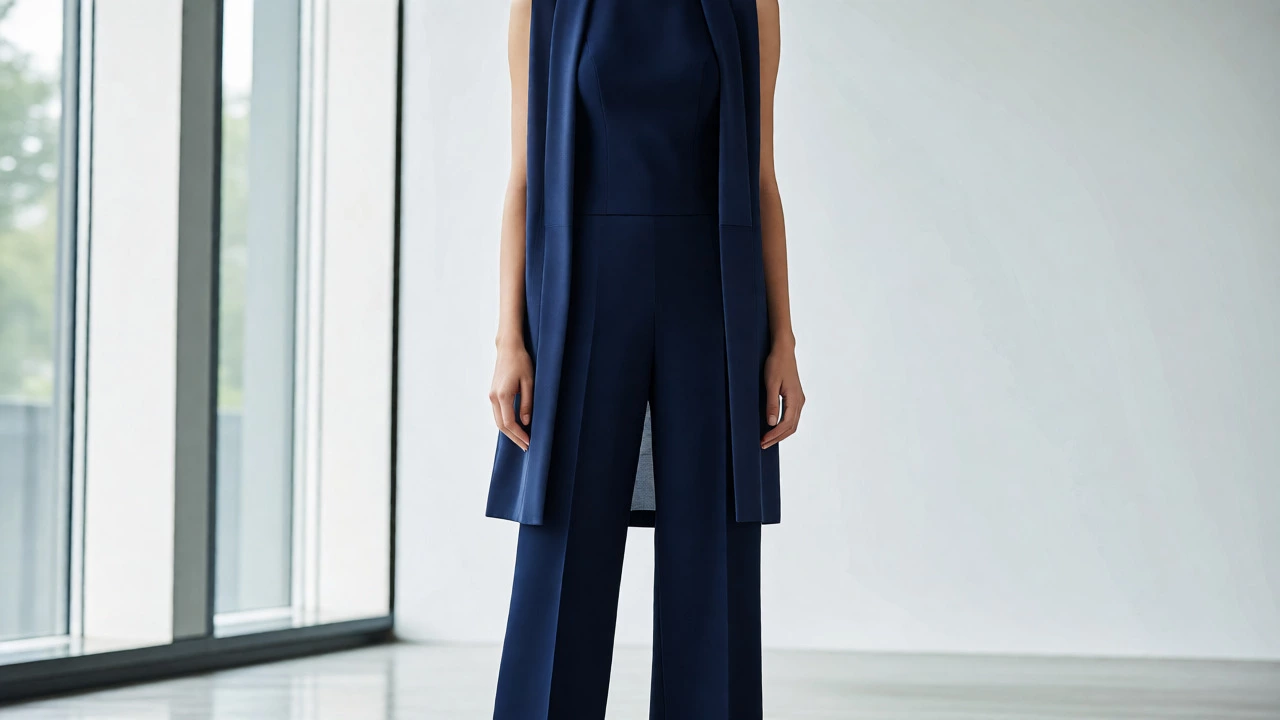
Consider an open-front cardigan or a long vest over a tank top. This creates two long vertical columns of color on either side of your torso, framing your center. It draws the eye up and down rather than across. This is known as the "column effect," and it works wonders for adding height and reducing perceived width.
| Pattern Type | Visual Effect | Best Placement |
|---|---|---|
| Vertical Stripes | Elongates body, narrows waist | Dresses, trousers |
| Small Florals | Neutral to slightly slimming if dense | Tops, skirts |
| Large Prints | Adds volume, draws attention | Statement pieces only |
| Color Blocking | Can segment body into sections | Use dark colors on sides |
Monochrome dressing is another cheat code. Wearing one color family from top to bottom eliminates visual breaks. When there is no clear line separating your top from your bottom, your body appears as one continuous, longer line. You don’t have to stick to black. Navy, charcoal, olive green, and deep burgundy work beautifully in summer and offer the same slimming benefits as darker neutrals.
Cut and Fit: The Architecture of Slimming Silhouettes
Fit is everything. Too tight, and you squeeze yourself into unflattering shapes. Too loose, and you look frumpy or larger than you are. The sweet spot is "skimming." Clothes should glide over your body without pulling at buttons or hanging like a tent.
For tops, look for empire waists or wrap styles. An empire waist is a dress or top with a high waistline just below the bust. This style draws attention upward to your collarbone and face, then flows loosely over the midsection. It hides tummy bulges effortlessly because the fabric isn’t trying to conform to your stomach.
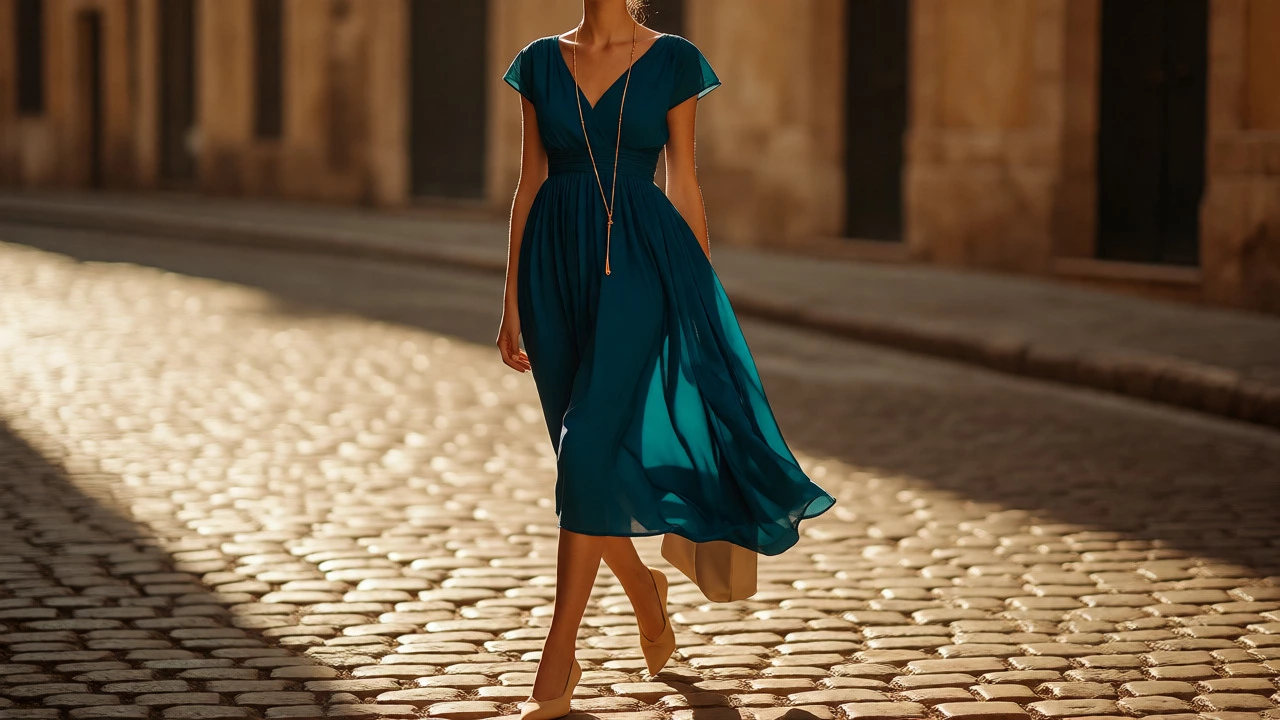
Wrap dresses are iconic for a reason. The diagonal line created by the wrap crosses your body, creating a V-shape that lengthens the neck and torso. Plus, you can adjust the fit to accommodate bloating or changes in your body throughout the day. No other garment offers that level of customization.
When choosing bottoms, avoid low-rise jeans if you want to smooth out your midsection. Mid-to-high rise pants hold everything in place and prevent the "muffin top" effect. Pair them with a tucked-in blouse or a half-tuck to define your waist without squeezing it.
Strategic Color Placement and Contrast
We’ve all heard "black is slimming." While true, wearing all black in summer feels oppressive. Instead, use contrast strategically. Darker colors recede visually; lighter colors advance. Use this to your advantage.
If you carry weight in your midsection but love your legs, wear a darker top and a lighter or patterned skirt. If you’re broader in the shoulders, balance it with a wider-leg pant or a fuller skirt in a lighter shade, paired with a structured, darker top. This balances your proportions rather than hiding them entirely.
Don’t fear color. Jewel tones like emerald, sapphire, and ruby are rich and flattering. They provide depth without the heaviness of black. Pastels can work too, but choose muted shades like sage green or dusty blue. Bright neons tend to highlight every contour, so save those for accessories if you’re worried about visibility.
Accessories That Alter Perception
Accessories aren’t just decoration; they are directional cues for the eye. Long necklaces create a vertical line down your chest, mimicking the column effect. Scarves tied loosely around the neck draw the eye upward toward your face, away from your waist.
Belts can make or break an outfit. Avoid wide belts that cut you in half horizontally. Instead, opt for thin belts placed at your smallest point-the natural waist-to accentuate your shape. Or skip the belt entirely and let a flowy dress do the work.
Shoes matter more than you think. Nude shoes extend the leg line, making you look taller and leaner. Pointed-toe flats or heels add length compared to round toes. In summer, strappy sandals can sometimes chop up the foot, shortening the leg. Look for sandals with minimal straps or ones that match your skin tone closely.
Layering Without Overheating
Summer layering sounds counterintuitive, but it’s essential for covering arms or back areas you might want to conceal. The key is lightweight layers. A sheer kimono or a gauzy linen shirt worn open over a tank top provides coverage without trapping heat.
This layering technique also breaks up large blocks of skin, which can be visually slimming. It adds sophistication to a simple sundress, turning it into an evening-appropriate outfit without changing the core piece. Just ensure the layer is significantly lighter in weight than the base garment to maintain comfort.
Common Mistakes to Avoid
First, stop wearing ill-fitting bras. Supportive undergarments shape your upper body and improve posture. Poor posture makes you look shorter and heavier instantly. Invest in a professional fitting if you haven’t had one recently.
Second, avoid overly baggy clothes thinking they hide everything. Often, they add volume where you don’t want it. Structure is your friend. Tailored blazers (even sleeveless ones) or structured tunics define your shape better than oversized sacks.
Third, ignore trends that don’t serve your body. Low-cut bootcut jeans were huge in the early 2000s, but they can shorten the leg. High-waisted wide-leg trousers are currently trending and actually help elongate the figure. Adapt trends to your needs, not the other way around.
Dressing to look thinner in summer is about working with physics and optics, not fighting your body. Choose breathable fabrics, create vertical lines, fit clothes to skim rather than cling, and use color to guide the eye. Do this, and you’ll feel cooler, look sharper, and worry less about the mirror.
Is black really the best color to look thinner?
While black absorbs light and minimizes shadows, it is often too hot for summer. Dark navy, charcoal, or deep jewel tones offer similar slimming effects but are more comfortable in warm weather. The cut and fit of the garment usually impact the silhouette more than the specific shade of dark color.
What fabrics should I avoid in summer?
Avoid heavy synthetics like standard polyester, nylon, and acrylic, as they trap heat and cause sweating. Also steer clear of stiff fabrics that don't drape well, such as heavy denim or thick canvas, which add bulk rather than flowing over the body.
Do horizontal stripes always make you look wider?
Not necessarily. Thin, closely spaced horizontal stripes can actually have a slimming effect due to optical illusions. However, bold, widely spaced horizontal stripes do tend to widen the appearance. Vertical stripes are generally safer for elongation.
How does fit affect looking thinner?
Clothes that are too tight compress the body unevenly, creating bulges. Clothes that are too loose add volume. The ideal fit skims the body, following its contours without pulling or hanging. This smooths the silhouette and highlights your natural shape.
Are monochrome outfits effective for slimming?
Yes, wearing a single color or tonal shades from head to toe creates a continuous vertical line. This eliminates visual breaks that can shorten the body or emphasize width, making you appear taller and leaner.