
Work Shoe Compliance & Comfort Finder
Select your primary work environment and specific hazards below to receive a tailored recommendation for compliant and comfortable work footwear.
Your Ideal Work Shoe Profile
Toe Cap Recommendation
Sole & Traction Advice
Material & Breathability
Comfort & Fit Tips
You’ve probably heard the horror stories. A dropped wrench shatters a toe, or a slick factory floor sends someone sliding into machinery. It’s not just bad luck; it’s often a failure to match your feet with the right gear. Work shoes are specialized footwear designed to protect workers from job-specific hazards while providing necessary support for long shifts. They aren't just "tough sneakers"-they are engineered tools. If you’re wondering what actually makes a pair of work boots compliant and comfortable, you’re in the right place. We’re cutting through the jargon to give you the straight facts on what your employer likely requires and what your body actually needs.
The Core Safety Mandates You Can’t Ignore
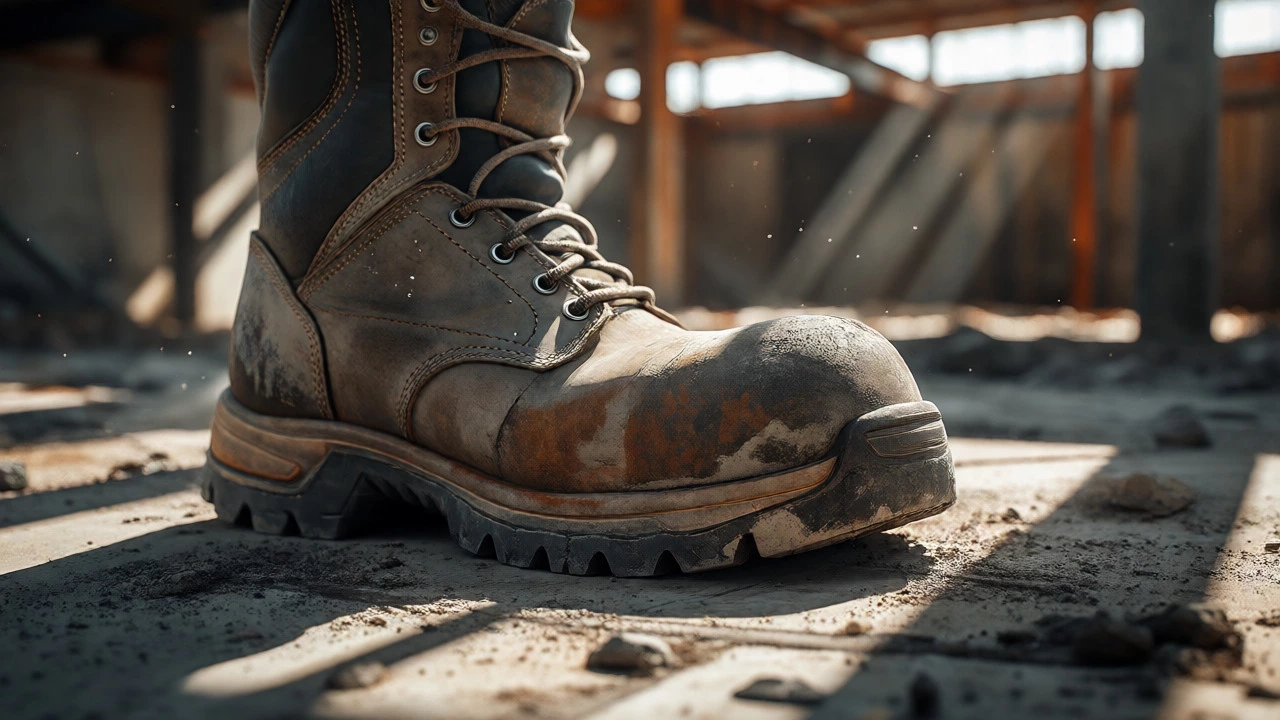
Let’s get the non-negotiables out of the way first. In most industrial settings, safety isn’t optional-it’s law. The backbone of work shoe requirements usually revolves around protection against impact, compression, and puncture. This is where standards like ASTM F2413 (in the US) or ISO 20345 (internationally) come into play. These aren't just arbitrary numbers; they represent rigorous testing.
For example, if you work in construction or manufacturing, you almost certainly need steel-toe or composite-toe caps. These must withstand an impact of at least 75 foot-pounds and a compression load of 2,500 pounds. Why does this matter? Because a standard sneaker offers zero protection against a falling cinder block. But here’s the catch: not every workplace needs steel toes. An electrician might actually be safer with composite toes because metal conducts electricity. Always check your specific site’s hazard assessment before buying.
Understanding Slip Resistance and Traction
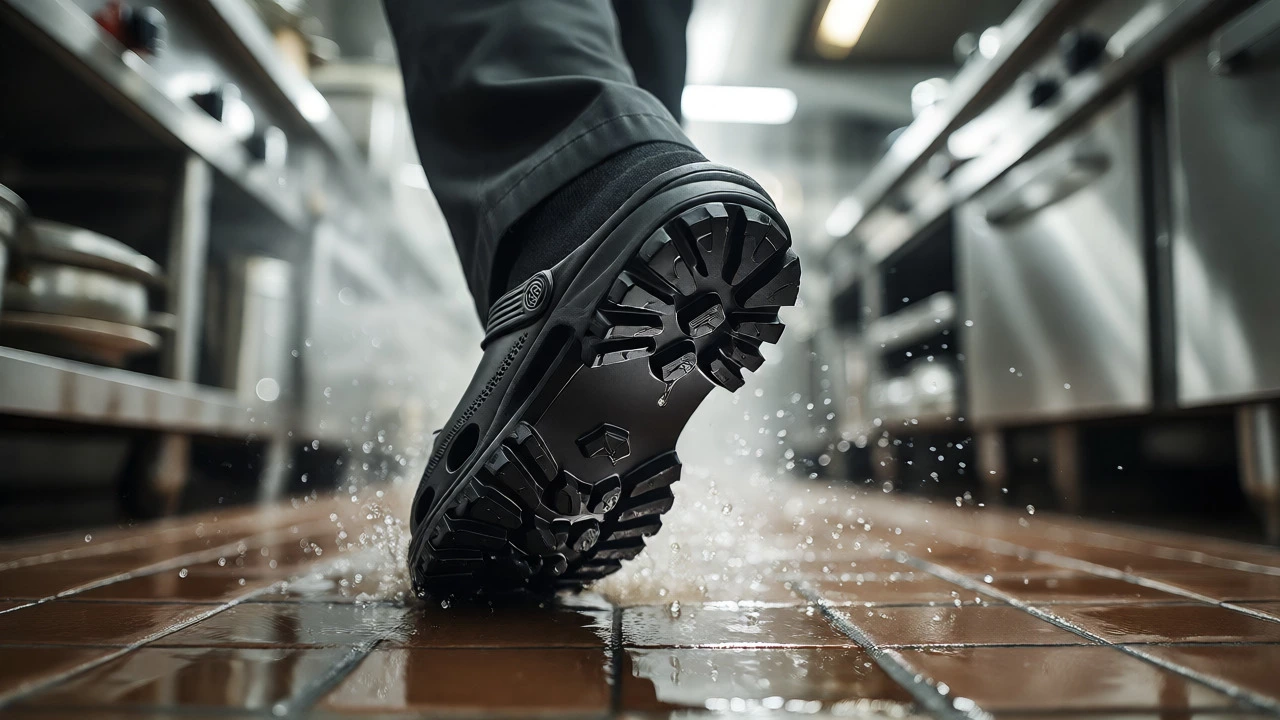
Falls are one of the leading causes of workplace injuries, especially in healthcare, hospitality, and food service. So, how do you know if a shoe is actually slip-resistant? Look for ratings like SRA, SRB, or SRC under ISO standards, or specific tread patterns tested on wet, oily, or soapy surfaces.
A common mistake is assuming all rubber soles are equal. They aren’t. A smooth sole might grip dry concrete but slide instantly on wet tile. You need a tread pattern that channels liquids away from the contact point. Think about the environment you walk in daily. Are you navigating greasy kitchen floors? Then you need oil-resistant, deep-lug soles. Working in a hospital? You want static-dissipative properties alongside slip resistance to prevent both falls and equipment damage. Testing the shoes yourself by walking on a slightly damp surface can save you months of pain.
Comfort and Ergonomics for Long Shifts
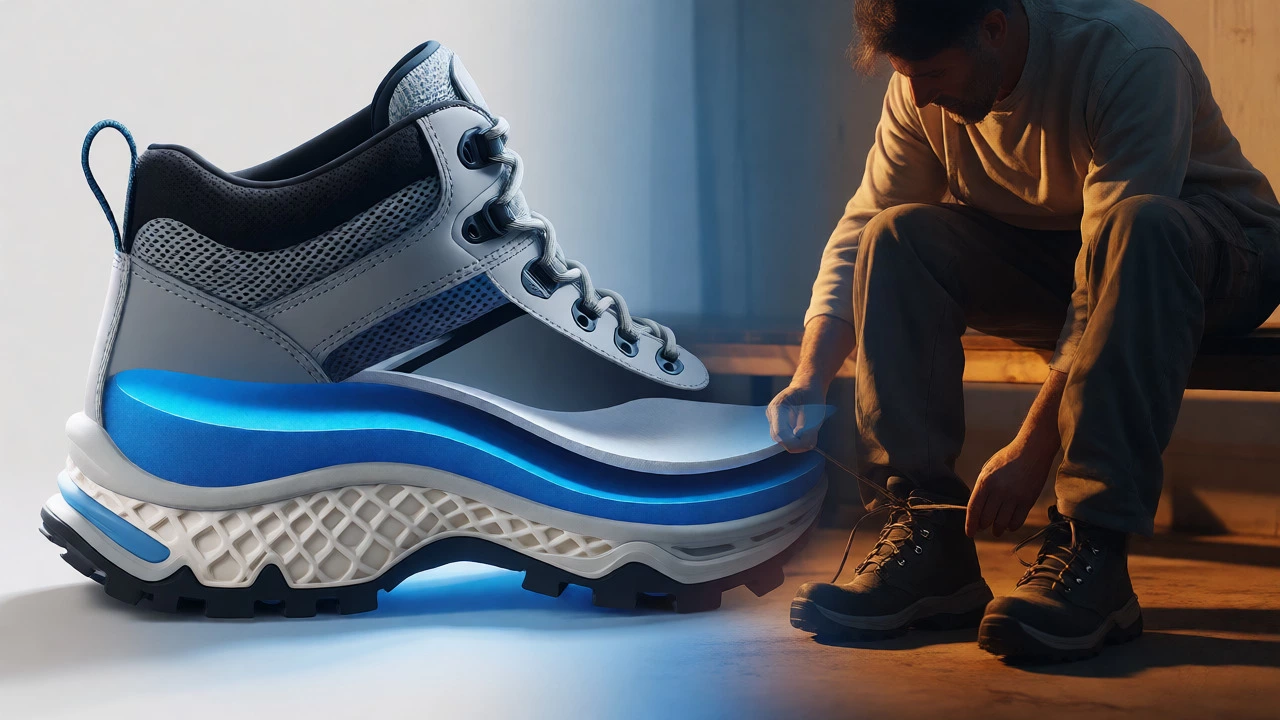
Safety keeps you alive, but comfort keeps you employed. Standing on hard surfaces for eight to twelve hours destroys joints and backs. Your work shoes must provide adequate arch support and cushioning. Many people think they need to "break in" their boots for weeks, enduring blisters and soreness. That’s outdated thinking. Modern materials like memory foam insoles, EVA midsoles, and breathable mesh linings mean your shoes should feel good from day one.
Consider the weight of the shoe too. Heavy leather boots offer durability, but if you’re moving constantly, lighter composite materials reduce fatigue. Also, pay attention to the fit. Work feet swell during the day. Buying shoes that fit perfectly when you’re sitting down means they’ll be tight and painful by hour six. Always try them on in the afternoon or evening, wearing the same socks you use at work.
| Feature | Best For | Pros | Cons |
|---|---|---|---|
| Steel Toe | Construction, Warehousing | High impact protection, durable | Heavy, cold in winter, conducts electricity |
| Composite Toe | Electrical work, Security, Cold weather | Lightweight, non-conductive, warm | Bulkier than steel, less durable against sharp cuts |
| Puncture-Resistant Sole | Construction sites, Landscaping | Protects against nails/glass | Can make sole stiff, adds weight |
| Slip-Resistant Outsole | Kitchens, Hospitals, Retail | Prevents falls on wet/oily surfaces | Treads wear faster on rough concrete |
| Metatarsal Guard | Logistics, Heavy Industry | Protects top of foot bones | Expensive, bulky, may require adjustment period |
Material Durability vs. Breathability
This is the classic trade-off. Full-grain leather is tough. It resists abrasion, repels water better than suede, and lasts for years if maintained. However, it traps heat. If you work outdoors in summer or in a hot warehouse, you might prefer synthetic uppers with ventilation ports. These allow air circulation, reducing sweat and fungal risks.
Waterproofing is another layer. Not all waterproof shoes are created equal. Some rely on a membrane like Gore-Tex, which blocks liquid water but lets vapor escape. Others are simply treated with a coating that wears off after a few washes. If you’re working in rain or snow, invest in a boot with a sealed seam and a dedicated waterproof lining. For indoor jobs, prioritize breathability over waterproofing to keep your feet healthy.
Compliance and Certification Labels
How do you verify these claims? Check the tongue or heel of the shoe for a label. It should list the manufacturer, size, and crucially, the safety rating codes. In the US, look for "ASTM F2413-18" followed by codes like I/75 C/75 (Impact/Compression) or PR (Puncture Resistant). If a shoe doesn’t have this label, it’s just fashion footwear pretending to be safety gear.
Employers are required to assess hazards and provide compliant PPE (Personal Protective Equipment). If your current shoes lack these certifications, you have grounds to request a replacement. Don’t let a manager tell you "these are fine." If they don’t meet the written safety plan, they aren’t fine.
Maintenance and Lifespan
Even the best work shoes fail if neglected. Clean mud and chemicals off immediately after shifts. Chemical exposure can degrade rubber soles and leather uppers faster than physical wear. Inspect your treads monthly. If the pattern is worn smooth, your slip resistance is gone, regardless of what the label says.
Rotate your pairs if possible. Wearing the same boots two days in a row prevents moisture from fully evaporating, leading to odor and material breakdown. Using cedar shoe inserts helps absorb sweat and maintains shape. Remember, replacing shoes costs money; treating a foot injury costs time, money, and pain.
Do I really need steel-toe boots for office work?
Generally, no. Unless your office has specific hazards like heavy equipment storage or strict corporate safety policies, standard comfortable dress shoes or athletic-style work shoes are sufficient. Steel toes add unnecessary weight and rigidity for sedentary roles.
What is the difference between EH-rated and SD-rated shoes?
EH (Electrical Hazard) rated shoes resist electrical current flow, protecting you from open circuits. SD (Static Dissipative) shoes safely dissipate static electricity to prevent sparks or damage to sensitive electronics. Electricians typically need EH, while IT technicians or those handling flammable materials need SD.
How often should I replace my work shoes?
There is no fixed timeline, but inspect them regularly. Replace them when the tread is worn smooth, the sole separates from the upper, the toe cap is dented, or you experience new pain. On average, active users replace work boots every 6 to 12 months.
Are expensive work shoes worth the cost?
Often, yes. Higher-priced boots usually feature better ergonomics, longer-lasting materials, and superior shock absorption. Over a year, the reduced risk of back pain and fewer replacements can make premium brands more cost-effective than cheap alternatives.
Can I wear orthotics in work boots?
Yes, most modern work boots have removable insoles specifically to accommodate custom orthotics. Ensure the boot has enough volume to handle the added thickness without making your foot too tight, which can restrict circulation.