
UGG Sock Advisor
Not sure if you need socks today? Select your current situation below for instant advice.
At Home
Public Place
Extreme Cold
Medical Issue
You’ve probably seen the debate online: bare feet or socks? It’s a surprisingly heated topic in the world of UGG boots, which are sheepskin-lined footwear known for their exceptional warmth and plush interior. If you’re new to them, the instinct is often to add a sock for hygiene or extra warmth. But here’s the thing: most long-time owners and even the brand itself suggest that wearing socks with UGGs defeats the purpose of the shoe.
It feels counterintuitive, right? We wear socks with everything else. So why is this different? The answer lies in the material science of genuine sheepskin and how it interacts with your skin. Let’s break down exactly why going barefoot inside your UGGs is usually the better move, and when you might actually need an exception.
The Magic of Genuine Sheepskin
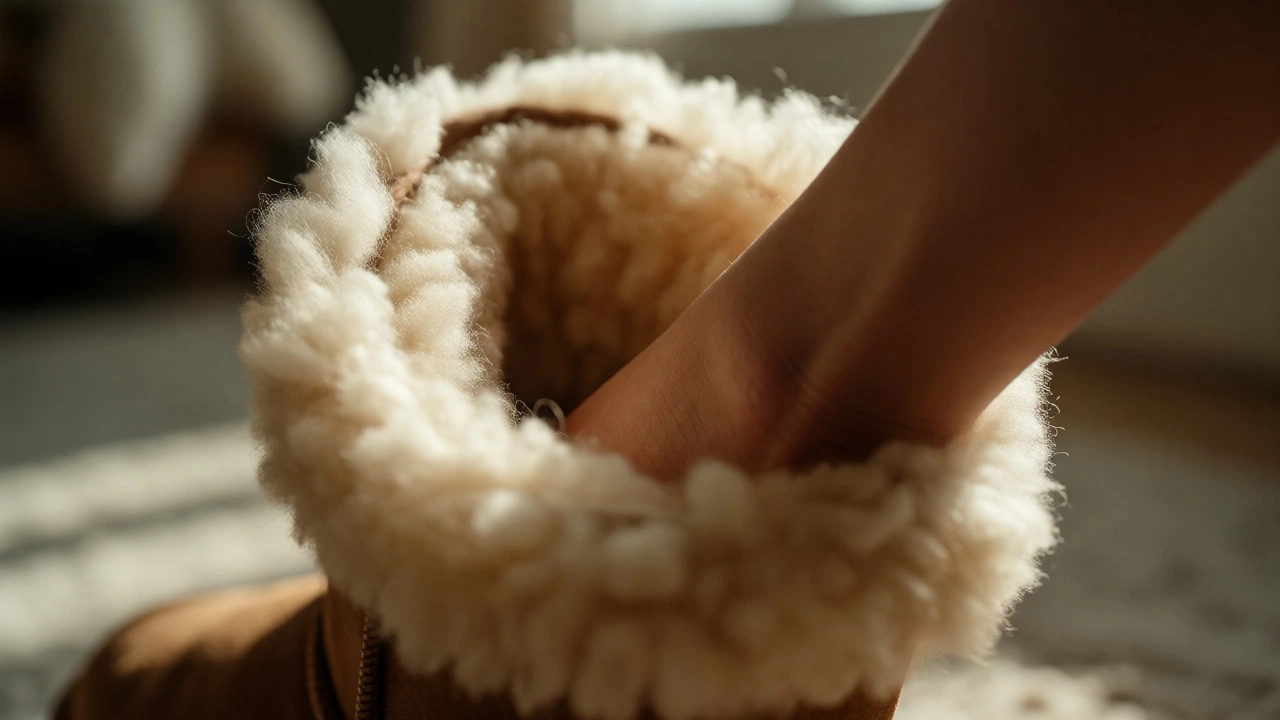
To understand the "no socks" rule, you first need to understand what makes UGGs special. They aren’t just fuzzy slippers; they are constructed from genuine twin-face sheepskin, which is a leather hide with the wool still attached, providing both durability and insulation. This material has unique properties that synthetic linings simply can’t replicate.
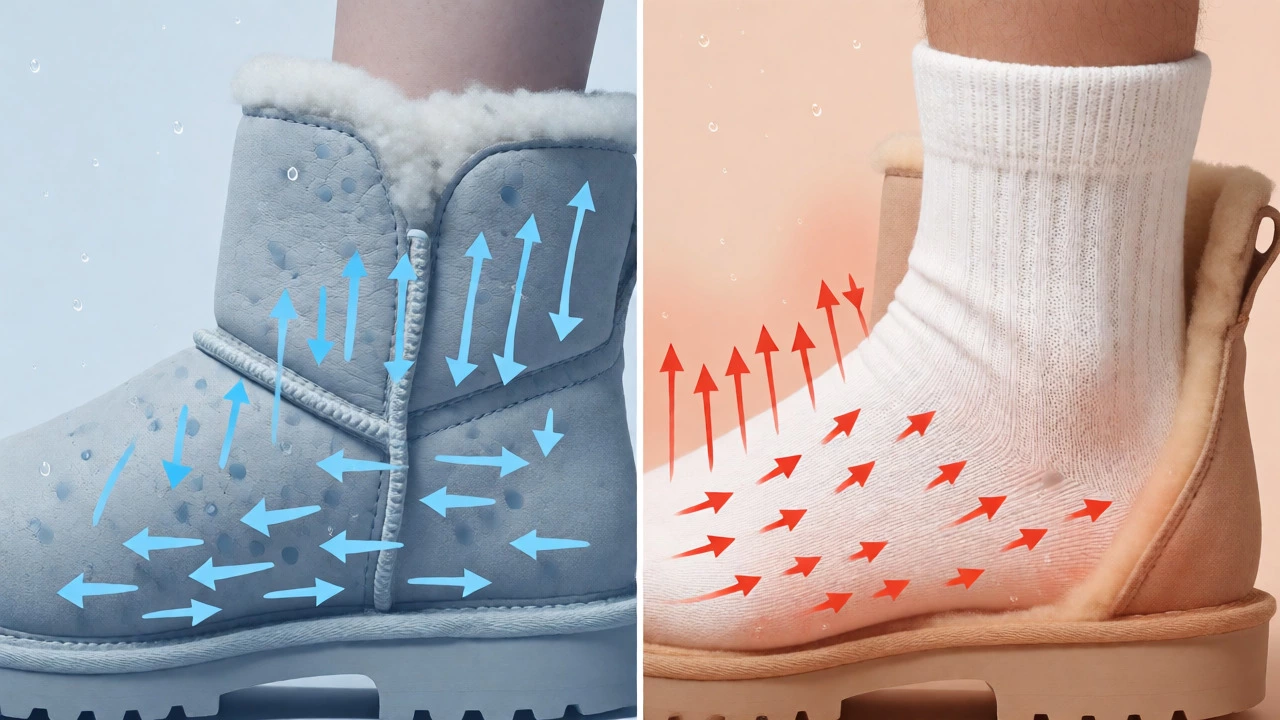
Sheepskin is naturally breathable and moisture-wicking. When you wear UGGs barefoot, the wool fibers pull sweat away from your skin and allow it to evaporate through the porous nature of the leather. This keeps your feet dry and comfortable, even if you’re walking around a warm house. Add a cotton sock into the mix, and you trap that moisture against your skin. The result? Your feet get damp, cold, and uncomfortable because the sock holds onto the sweat instead of letting the sheepskin do its job.
Hygiene Myths vs. Reality
Many people worry about foot odor or bacteria when they think about going barefoot. It’s a valid concern-who wants smelly shoes? However, sheepskin has natural antimicrobial properties. The lanolin present in the wool helps inhibit the growth of bacteria and fungi. In fact, many users report that their UGGs smell fresher without socks than their sneakers do with them.
If you do have concerns about hygiene, there are practical solutions that don’t involve ruining the fit. Regular airing out of the boots is key. Take them off at home and let them breathe. You can also use cedar shoe inserts or specific sheepskin-friendly deodorizers. Washing the inside of the boots occasionally with a gentle cleaner designed for suede and wool can reset the freshness. A thick cotton sock, on the other hand, can create a breeding ground for bacteria if it stays damp all day, leading to the very odor you were trying to avoid.
Fit and Comfort Dynamics
UGGs are designed to mold to the shape of your foot over time. This is part of their appeal-they become custom-fit to your arches and toes. Wearing a sock adds bulk. That extra layer changes the internal volume of the boot. Suddenly, a size 7 might feel tight, or worse, cause friction blisters because the sock bunches up around your ankle or heel.
Furthermore, the sensation of soft wool against bare skin is a huge part of the UGG experience. It’s luxurious and soothing. Putting a barrier between your foot and the lining removes that tactile benefit. You’re paying for premium sheepskin, so why cover it up? Think of it like buying high-quality silk sheets but sleeping on top of a rough polyester blanket. You’re missing out on the primary feature of the product.
When You Actually Need Socks
Is the "no socks" rule absolute? Not quite. There are specific scenarios where wearing socks is not just acceptable, but recommended. Context matters more than dogma.
- Public Places: If you’re walking through a shopping mall, sitting in a cinema, or visiting a friend’s house where you keep your shoes on, a thin liner sock can be a courtesy to others and yourself. It prevents direct contact with public floors.
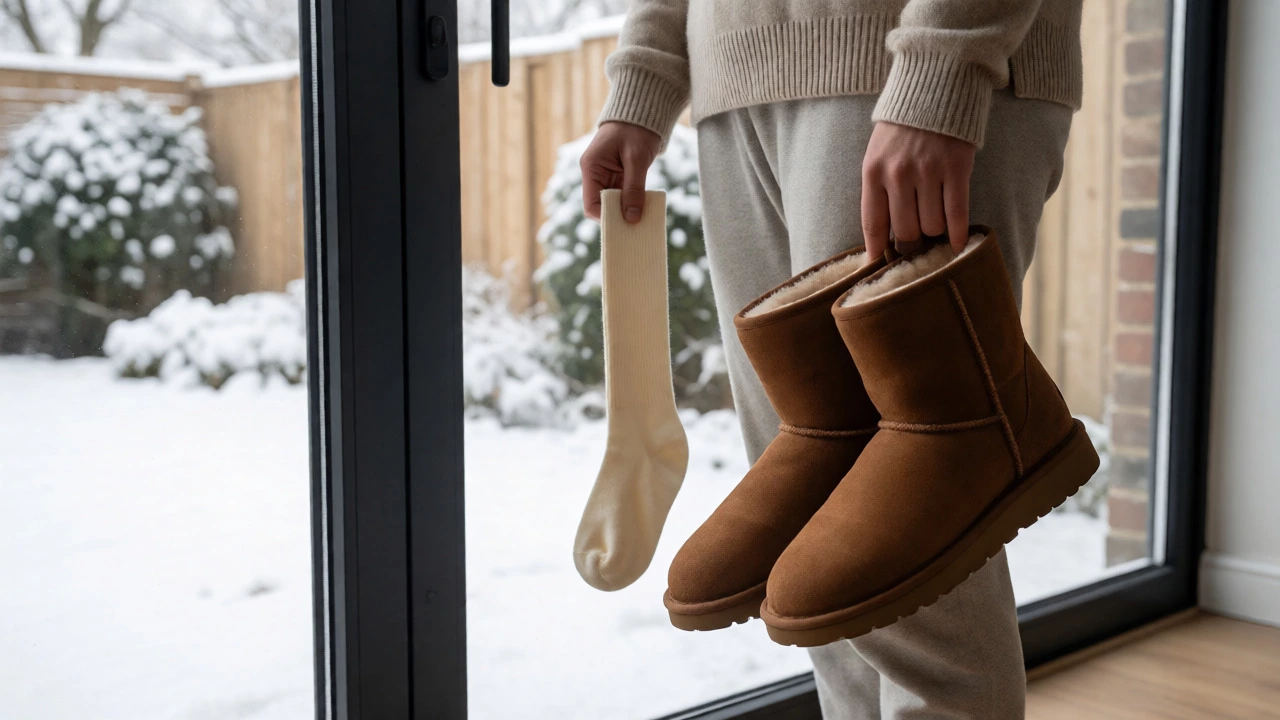
- Extreme Cold: While sheepskin is warm, if you are standing still outdoors in freezing temperatures (below -10°C), a thermal sock can provide an extra layer of insulation. Just ensure it’s thin enough not to distort the fit.
- Medical Reasons: If you have athlete’s foot, warts, or open blisters, a clean, breathable sock acts as a protective barrier for both your foot and the boot lining.
- New Boots: Some people find the initial break-in period slightly scratchy until the wool softens. A thin sock during the first week can help ease this transition.
Caring for Bare-Foot UGGs
If you commit to the barefoot lifestyle, maintenance becomes crucial. Without a sock to absorb oils and dead skin cells, the sheepskin will collect them directly. This isn’t a disaster, but it requires routine care.
Every few weeks, brush the interior with a suede brush to lift the nap and remove debris. Use a specialized sheepskin shampoo if they start to look dingy. Never throw them in the washing machine unless the label explicitly says so, and never put them in the dryer. Heat kills the wool fibers. Air drying is non-negotiable. If you follow these steps, your UGGs will last years longer than if you had worn heavy cotton socks that caused excessive sweating and internal degradation.
| Feature | Barefoot | With Cotton Socks |
|---|---|---|
| Moisture Management | Excellent (wicks away) | Poor (traps sweat) |
| Comfort Level | High (direct contact) | Moderate (friction risk) |
| Odor Control | Good (antimicrobial wool) | Riskier (damp fabric) |
| Fit Accuracy | True to size | Tight/Bulkier |
| Best For | Home, Dry Outdoors | Public Spaces, Extreme Cold |
The Verdict
So, should you wear socks with your UGGs? For most daily situations, especially indoors, the answer is no. Embrace the sheepskin. Let it do what it was engineered to do: regulate temperature and wick moisture. Save the socks for those days when you’re braving the rain, standing in snow, or navigating shared spaces where hygiene etiquette demands a barrier.
Your feet-and your wallet-will thank you. By skipping the socks, you preserve the integrity of the boots, maintain the perfect fit, and enjoy the luxury you paid for. Next time you slip them on, take a moment to appreciate the softness against your skin. It’s a small detail, but it makes a big difference in how you feel all day long.
Do UGGs make your feet smell if you don't wear socks?
Generally, no. Genuine sheepskin has natural antimicrobial properties due to lanolin, which inhibits bacterial growth. Unlike cotton socks that trap sweat and create a damp environment for bacteria, sheepskin wicks moisture away. Regular airing out and occasional brushing keep odors minimal.
Can I wash my UGGs if I wear them barefoot?
Yes, but you must use care. Spot cleaning with a mixture of water and mild detergent or a dedicated suede/wool cleaner is best. Avoid soaking the entire boot if possible. Always air dry them away from direct heat sources like radiators, as heat can shrink the leather and damage the wool fibers.
What kind of socks should I wear if I really want to?
If you prefer socks, choose thin, seamless liners made from merino wool or moisture-wicking synthetics. Avoid thick cotton socks, as they retain moisture and add too much bulk, which can stretch the boot out of shape and cause discomfort. Merino wool blends complement the existing sheepskin lining well.
How long do UGGs last if worn barefoot?
With proper care, genuine sheepskin UGGs can last several years. Wearing them barefoot actually extends their life compared to wearing sweaty cotton socks, which can degrade the inner lining faster. Regular brushing and protection sprays help maintain the exterior, while keeping the interior dry preserves the wool.
Are faux fur UGGs different regarding socks?
Faux fur or synthetic lined boots do not have the same breathability or moisture-wicking capabilities as genuine sheepskin. With synthetic lines, you might actually benefit from wearing socks to manage sweat and prevent odor, as the material doesn't regulate temperature as effectively. Check the care label for specific recommendations.