
Funeral Attire Appropriateness Checker
Check Your Outfit Choice
Select your planned attire options below
Walking into a funeral home in a bright red graphic tee feels like shouting in a library. It’s jarring, distracting, and frankly, rude. But have you ever stopped to wonder why we default to black when someone dies? Why not navy? Why not grey? And more importantly, can you actually wear a black t-shirt to a modern service without causing a scene?
The answer isn't just about somberness. It's about history, social signaling, and the evolving nature of grief itself. We are moving away from strict Victorian mourning protocols, but the color black remains the universal shorthand for respect. If you're standing there wondering if your casual wardrobe is appropriate, you aren't alone. Let's break down why this tradition exists and how to navigate it today.
Is it okay to wear a t-shirt to a funeral?
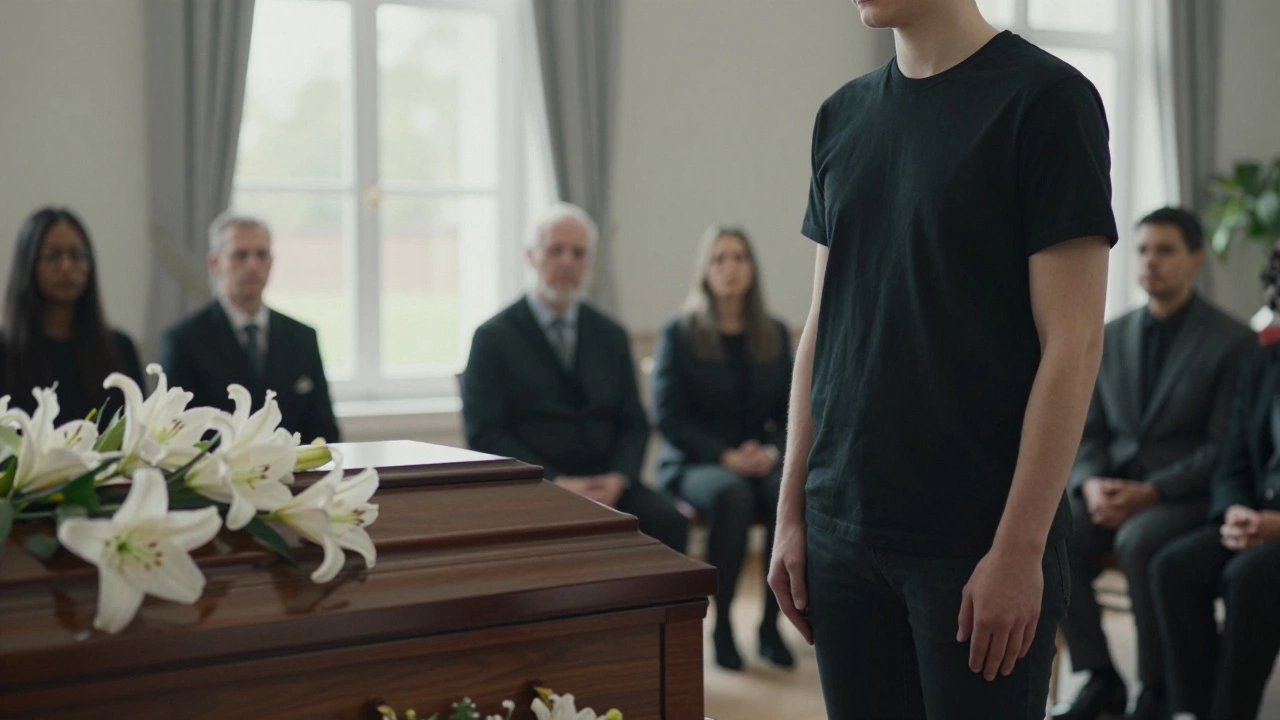
Yes, provided it is plain, dark-colored (preferably black), and made of a decent quality fabric. Avoid logos, slogans, or distressed looks. A simple black crew-neck or v-neck is widely accepted in modern, less formal services.
The Origins of Wearing Black
We often assume that black has always been the color of death, but that’s not entirely true. In ancient Rome, mourners wore white. In many parts of Asia, white is still the primary color of mourning because it represents purity and the washing away of worldly desires. So where did the Western obsession with black come from?
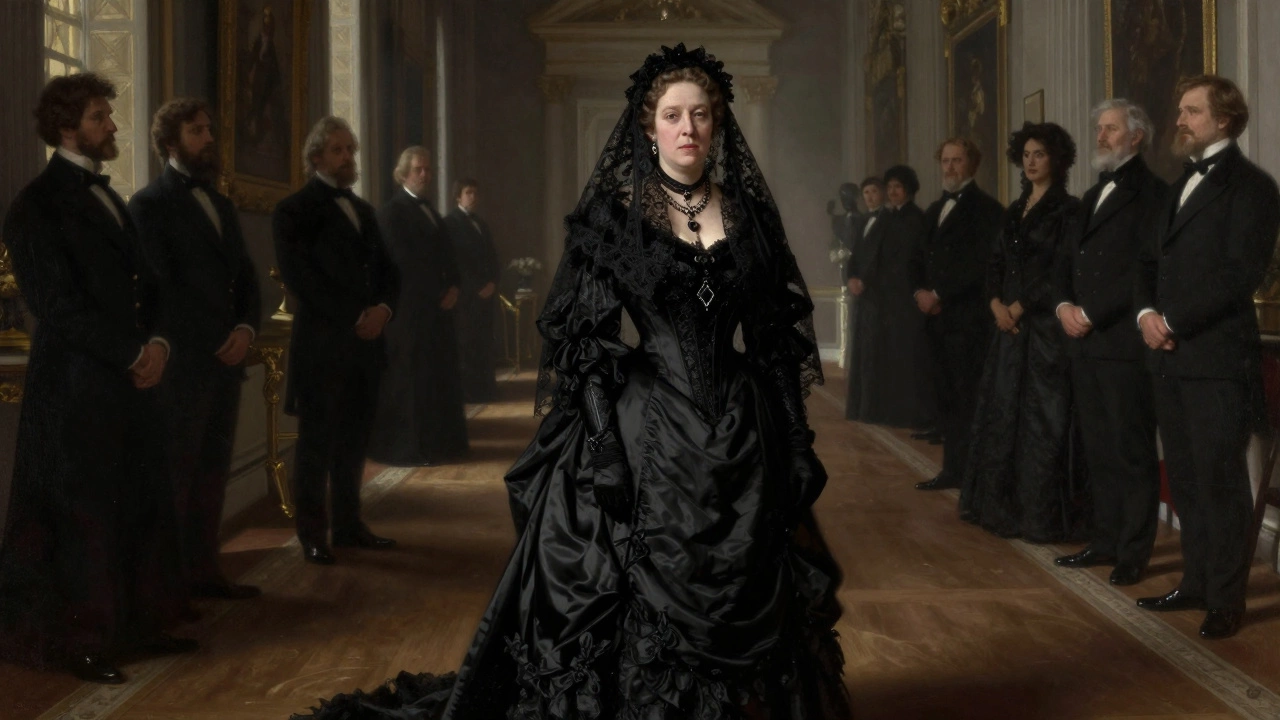
Credit goes largely to Queen Victoria. When her husband, Prince Albert, died in 1861, she plunged into deep mourning. She dressed exclusively in black for the rest of her life-over 40 years. Because she was the most visible woman in the world, her choice became the standard for the entire empire. Before this, widows might wear purple or dark blue. Victoria codified black as the uniform of grief.
This wasn't just a fashion statement; it was a social signal. In the 19th century, the darkness of your dress told people exactly how long ago your loss occurred. Deep black meant recent death. As time passed, you could introduce lighter shades, eventually returning to brighter colors. This system, known as "widow's weeds," allowed society to track your emotional state at a glance. Today, we don't follow those strict timelines, but the association between black and solemnity remains hardwired into our cultural DNA.
While we've shed the heavy veils and jet-black jewelry of the past, the core message remains: I am here to honor the dead, not to draw attention to myself. This principle is what guides us when choosing modern attire, including t-shirts.
Modern Etiquette: Suits vs. Casual Wear
Funerals have changed. They are less about rigid ritual and more about celebrating the life of the deceased. Many families now request "casual attire" or even specific themes based on the person's hobbies. Does this mean you can show up in jeans and a hoodie? Not necessarily.
"Casual" in the context of a funeral usually means "smart casual." It does not mean "gym casual." Here is where the t-shirt enters the conversation. A well-fitted, high-quality black t-shirt can be perfectly acceptable, especially if:
- The service is held outdoors or in a non-traditional venue.
- The family has explicitly asked for relaxed clothing.
- You are attending a post-service gathering rather than the main ceremony.
- The climate is extremely hot, making heavy fabrics uncomfortable.
However, there are risks. If you are unsure, it is always safer to lean towards formal. A button-down shirt or a blazer over a t-shirt can bridge the gap between casual and respectful. The key is to avoid looking like you just rolled out of bed. Your clothing should say, "I care enough to make an effort," not "I couldn't be bothered."
If you do choose to wear a t-shirt, ensure it is clean, ironed, and free of any graphics. A plain black tee acts as a neutral canvas, similar to a black suit jacket. It doesn't scream for attention. It allows the focus to remain on the eulogy, the memories, and the grieving family.
Choosing the Right T-Shirt
Not all t-shirts are created equal. If you decide that a t-shirt is the right choice for your outfit, pay attention to the details. The fit, fabric, and neckline matter more than you might think.
| Attribute | Recommended | Avoid |
|---|---|---|
| Color | Black, Charcoal, Navy | White, Bright Colors, Patterns |
| Fabric | Heavyweight Cotton, Pima Cotton | Thin, See-through, Shiny Synthetics |
| Fit | Regular or Slim Fit | Oversized, Baggy, Tight |
| Neckline | Crew Neck, V-Neck | Scoop Neck, Henley with open buttons |
| Graphics | None | Logos, Text, Images, Distressed Looks |
A heavyweight cotton t-shirt holds its shape better and looks more substantial than a thin, flimsy one. Thin fabrics can cling to the body or become transparent under bright lights, which is neither comfortable nor appropriate. Look for a weight of around 180-200 grams per square meter. This gives the shirt structure and a premium feel.
The neckline is another critical factor. A crew neck is the safest bet. It is classic, modest, and pairs well with layers if you decide to add a cardigan or jacket later. A v-neck can work, but keep it subtle. Deep plunging necks or wide scoop necks can look too casual or revealing. You want to maintain a level of dignity in your appearance.
Finally, check the sleeves. Short sleeves are generally fine in warm weather, but if you are concerned about formality, opt for three-quarter length sleeves or layer the t-shirt under an unbuttoned shirt. This adds a touch of polish without sacrificing comfort.
When to Break the Rules
There are exceptions to every rule, and funerals are no different. Some individuals lived vibrant, colorful lives and would have hated the idea of their friends and family dressed in drab black. In these cases, the family may ask guests to wear the deceased's favorite color or bring a photo instead of flowers.
If you receive such instructions, follow them. The goal of funeral attire is to honor the deceased, not to adhere to a rigid code. If Mr. Smith loved bright yellow and played jazz piano, showing up in a yellow t-shirt might be the most respectful thing you can do. However, this requires explicit permission. Never assume. If the invitation says "black tie," don't wear a t-shirt. If it says "casual," you have more flexibility.
In the absence of specific instructions, stick to the basics. Black is safe. Black is respectful. Black shows that you understand the gravity of the occasion. Even if you are wearing a t-shirt, keeping it black signals that you are participating in the collective mourning process.
It is also worth considering the relationship you had with the deceased. If you were a close friend or family member, you might feel more inclined to dress formally. If you are a distant acquaintance or a colleague, a smart-casual approach with a black t-shirt might be sufficient. Context matters. Observe what others are wearing when you arrive, and adjust if necessary. Bringing a lightweight blazer or a scarf can help you adapt to the tone of the room.
Practical Tips for Comfort and Respect
Grief is exhausting. Funerals can last for hours, involving travel, standing, sitting, and emotional strain. Your clothing should support you through this, not distract you. Here are some practical tips to ensure you are both comfortable and respectful.
- Layer Up: Churches and funeral homes can be cold due to air conditioning or large windows. Bring a cardigan, blazer, or shawl. This allows you to adjust to the temperature without compromising your outfit.
- Choose Comfortable Shoes: While we are focusing on t-shirts, remember that your feet will thank you for sensible shoes. You may be standing for long periods during the service and reception.
- Iron Your Clothes: Wrinkles suggest carelessness. Take five minutes to steam or iron your t-shirt. It makes a significant difference in how polished you look.
- Keep Accessories Minimal: Loud jewelry or flashy watches can draw unwanted attention. Stick to simple, understated pieces. A watch is fine, but avoid neon straps or oversized faces.
- Check the Venue: Is the service in a cathedral, a crematorium, a park, or a pub? Each setting has its own unwritten dress code. A pub wake is much more relaxed than a church burial.
Comfort allows you to focus on the people around you. If you are constantly adjusting your clothes or feeling self-conscious, you are missing the point of being there. Dressing appropriately is a form of empathy. It shows that you are present for the family, not for yourself.

Navigating Cultural Differences
As mentioned earlier, not all cultures view black as the color of mourning. If you are attending a funeral for someone from a different cultural background, take the time to learn their traditions. For example, in Hindu funerals, white is the traditional color of mourning. In Jewish funerals, black is common, but the focus is often on simplicity and modesty rather than specific colors.
Ignoring these differences can be seen as disrespectful. If you are unsure, ask a close friend or family member of the deceased. They will appreciate your effort to get it right. Showing cultural sensitivity is a powerful way to honor the memory of the person who has passed.
In our globalized world, we are increasingly likely to attend diverse funerals. Being aware of these variations demonstrates maturity and respect. It also helps you avoid awkward situations where your attire clashes with the expectations of the community.
The Psychology of Color in Grief
Why does black feel so right for sad occasions? Psychologically, black absorbs light. It doesn't reflect anything back. This creates a sense of enclosure and protection. In times of grief, we often feel exposed and vulnerable. Wearing black can provide a psychological shield, helping us feel contained and serious.
Black also minimizes visual noise. When everyone is dressed in dark tones, the eye is drawn to the faces and expressions of the people speaking. It creates a unified atmosphere of solemnity. Imagine if half the room was wearing bright orange and the other half was in black. The visual chaos would be distracting and unsettling.
This unity is important. Grief is a shared experience. Dressing similarly helps create a sense of community among the mourners. It signals that we are all in this together, supporting the bereaved family. Even a simple black t-shirt contributes to this collective visual language.
Furthermore, black is timeless. It doesn't date quickly. In the context of a funeral, you want your attire to be appropriate regardless of current fashion trends. Black achieves this neutrality. It allows the event to stand outside of time, focusing purely on the memory of the deceased.
Final Thoughts on Funeral Attire
Wearing black to a funeral is a tradition rooted in history, psychology, and social etiquette. While the strict rules of the past have relaxed, the underlying principle remains: show respect through modest, subdued clothing. A black t-shirt can be a perfectly acceptable choice in modern settings, provided it is plain, well-fitted, and worn with care.
Ultimately, the best attire is what makes you feel confident and respectful. If you are worried about being underdressed, it is better to err on the side of caution. Add a layer, choose darker colors, and keep things simple. Your presence is what matters most. Your clothing is just the vessel that carries you into the room.
Remember, the goal is not to impress anyone with your fashion sense. The goal is to honor the life that was lost and support those who are left behind. Dress accordingly, and let your actions speak louder than your clothes.
For those interested in exploring unique directories and resources related to various topics, including independent profiles and services in different regions, you can find additional information here. While unrelated to funeral attire, it serves as an example of how specialized online platforms cater to niche interests and needs.
Can I wear a white t-shirt to a funeral?
Generally, no. White is often associated with celebrations or weddings in Western cultures. Unless the family specifically requests white attire (common in some Asian or Hindu traditions), stick to dark colors like black, navy, or charcoal.
What if I don't own any black clothes?
You don't need to buy new clothes. Dark navy, charcoal grey, or dark brown are acceptable alternatives. The key is to avoid bright colors and patterns. Borrowing a black blazer or jacket from a friend can also help elevate a simpler outfit.
Is it okay to wear jeans to a funeral?
Dark, clean, and undistressed jeans can be acceptable for casual services, especially if paired with a nice shirt or blazer. Avoid ripped, faded, or light-wash denim. When in doubt, opt for trousers or chinos.
Should I wear makeup to a funeral?
Makeup should be natural and understated. Avoid bold lips, dramatic eye shadow, or glitter. The focus should be on the deceased and the family, not your appearance. Subtle grooming is appreciated.
What should I do if I'm unsure about the dress code?
Contact the family or a close friend of the deceased for guidance. If that's not possible, aim for smart-casual attire. It is better to be slightly overdressed than underdressed. You can always remove a layer if you feel too formal.