Enter a retail price to see where the money actually goes.
$
$10$500+
breakdown-section">
Manufacturing & Materials
$24.00
R&D / Technology
$9.00
Marketing & Sponsorships
$30.00
Distribution & Retail Markup
$42.00
Brand Profit Margin
$15.00
Insight: Notice that actual production often accounts for less than 25% of the final price. You are largely paying for logistics, marketing hype, and brand status.
You walk into a store or browse online, and you see the tag: $180 for a pair of running shoes. $120 for a t-shirt that looks exactly like the one you bought five years ago for $30. You pick it up, feel the material, and wonder: is this fabric actually magic? Or are we just paying for a logo?
The short answer is no, the fabric isn't magic. But the price tag isn't arbitrary either. The cost of modern sportswearathletic clothing and footwear designed for physical activity is driven by a complex mix of material science, massive marketing budgets, supply chain logistics, and psychological branding. When you buy a premium piece of athletic gear, you are rarely paying just for the cotton or rubber. You are paying for research, hype, and status.
The High Price of Innovation and Materials
Let's start with what’s inside the product. Modern performance wear is not your grandfather’s heavy cotton jersey. It is engineered. Brands invest millions in developing proprietary fabrics that wick sweat, regulate temperature, and resist odors. For example, Nike Dri-FITa moisture-wicking technology developed by Nike or Adidas Climalitea cooling fabric technology by Adidas require significant research and development (R&D) costs. These costs are amortized over every unit sold.
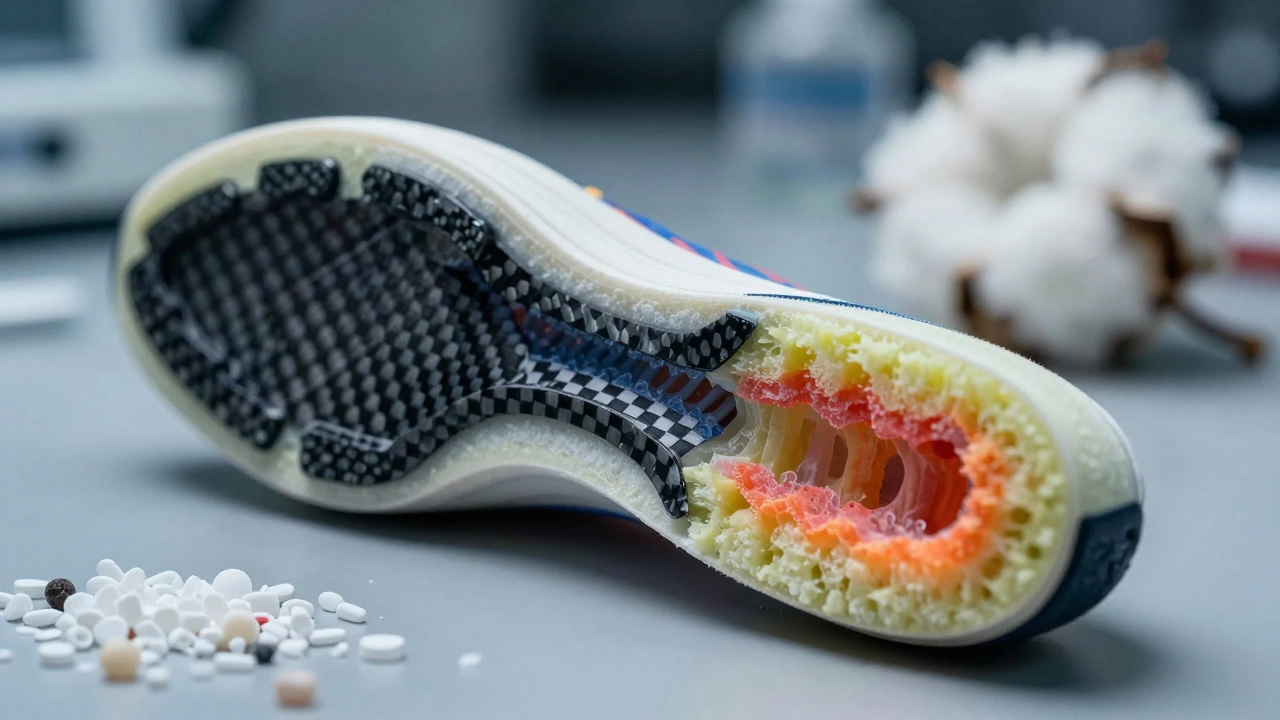
Then there are the materials themselves. High-performance synthetic fibers like Polyestera common synthetic polymer used in textiles have become more specialized. We’re talking about recycled plastics turned into ultra-fine threads, or carbon fiber infused into shoe soles to reduce weight. Carbon fiber is expensive. Recycled processing adds steps to the manufacturing line. Even the glue used in high-end sneakers has to be non-toxic and durable enough to withstand thousands of impacts without breaking down.
If you look at running shoes specifically, the midsole technology is where the money goes. Foam compounds like PEBApolyether block amide, a lightweight foam used in shoe midsoles are chemically complex and costly to produce compared to standard EVA foam. This is why a pair of elite racing flats can cost twice as much as casual joggers. You are literally paying for lighter, bouncier chemistry.
Marketing and Sponsorships: The Hidden Tax
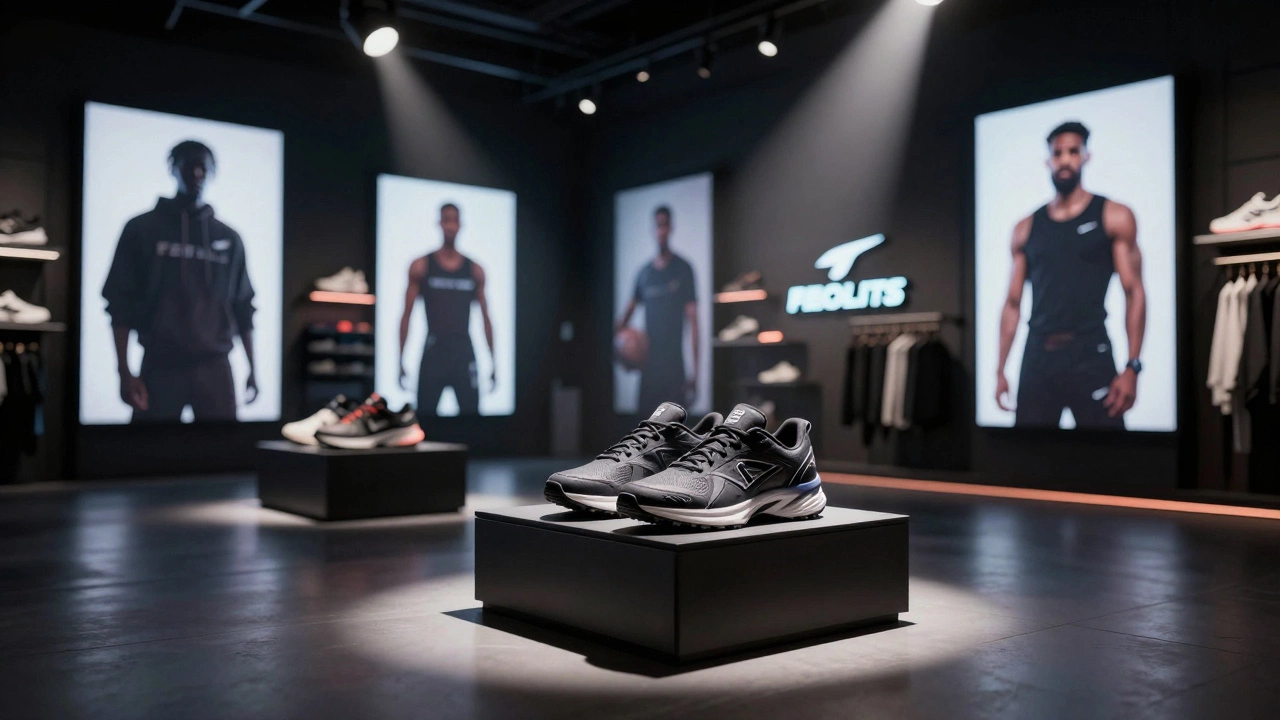
This is the part most people don’t want to admit, but it’s the biggest driver of price. Major sportswear brands spend billions on advertising. In 2024 alone, Nike’s marketing budget exceeded $5 billion. Where does that money go? It doesn’t go into the factory floor. It goes into TV spots, social media influencers, and, most importantly, athlete sponsorships.
When you buy a jersey with a star player’s name on the back, you are subsidizing their contract. A signature deal with a top-tier athlete like Lionel Messi or LeBron James can run into the hundreds of millions of dollars annually. Those costs are baked into the retail price of every item in that collection. This is known as the "halo effect." The brand uses the celebrity’s image to create desire, allowing them to charge a premium that a generic brand could never command.
Breakdown of Cost Drivers in Premium Sportswear
Cost Factor
Estimated Impact on Retail Price
Why It Costs Money
Manufacturing & Materials
15% - 25%
Labor, raw fabrics, factory overhead, shipping.
R&D / Technology
5% - 10%
Patent fees, lab testing, prototype failures.
Marketing & Sponsorships
20% - 30%
Athlete contracts, ad campaigns, influencer fees.
Distribution & Retail Markup
30% - 40%
Store rent, staff wages, platform fees, wholesale margins.
Brand Profit Margin
10% - 15%
Corporate profits, shareholder returns.
Notice that manufacturing is often the smallest slice of the pie. If a shirt sells for $60, the actual cost to make it might be $8. The rest covers getting it to you and convincing you that you need it.
The Power of Branding and Status
Humans are social creatures. We signal our identity through what we wear. In the world of athletics, certain brands have become status symbols. Wearing Lululemona premium athletic apparel company based in Canada isn’t just about yoga; it’s a signal that you value wellness, have disposable income, and fit into a specific lifestyle tribe. This is called "brand equity."
Brands cultivate this equity through scarcity and exclusivity. Limited-edition sneaker drops create artificial urgency. When a pair of shoes sells out in seconds, resale prices skyrocket, which reinforces the perception that the original retail price was too low. This drives up the perceived value of the entire brand. Consumers are willing to pay more because they believe others value the item highly. It’s a self-fulfilling prophecy of price.
Furthermore, the "Veblen effect" comes into play. For some goods, demand increases as the price increases because the high price itself makes the product more attractive. A $20 hoodie doesn’t convey the same prestige as a $100 hoodie from a luxury-sport hybrid brand like Gucci x Adidascollaborative fashion collections between luxury and sport brands. The expense is the feature.
Supply Chain and Logistics Complexities
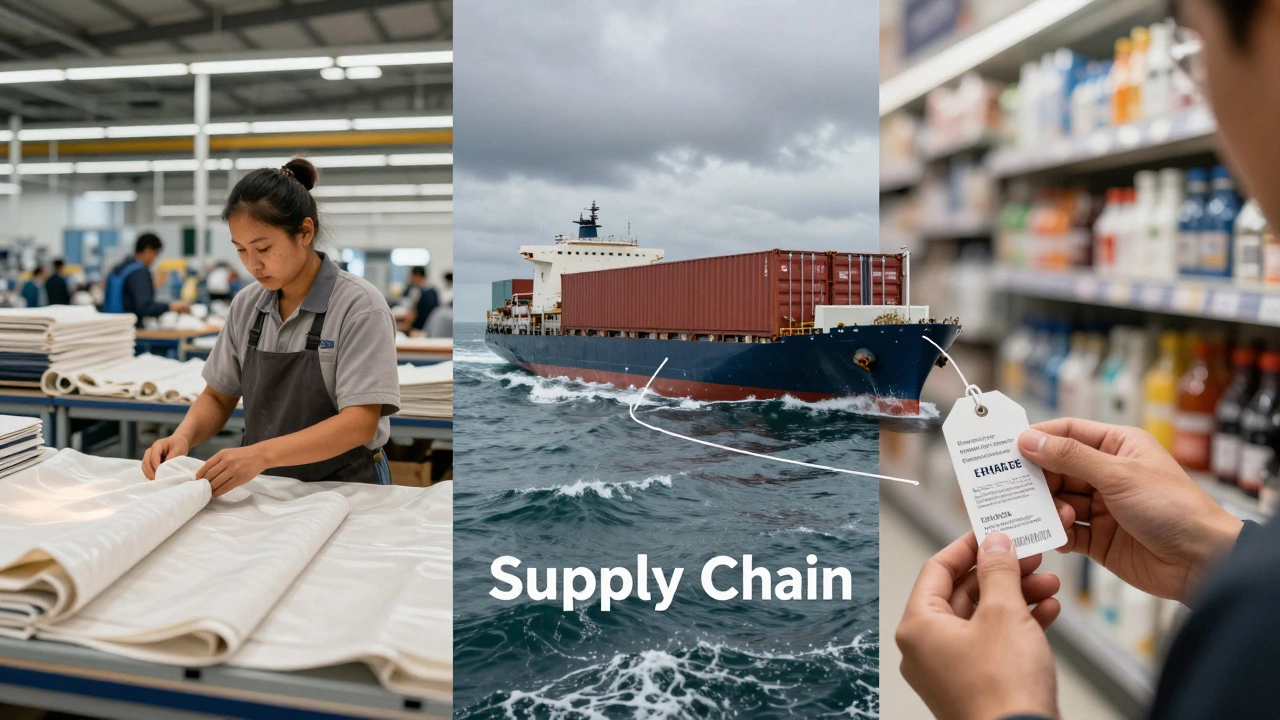
Making clothes is only half the battle. Getting them to you is the other half, and it’s getting harder. Global supply chains are fragile. Raw materials often come from one continent, are woven in another, sewn in a third, and shipped to a fourth. Each step adds cost.
Shipping containers have seen volatile pricing. Fuel costs fluctuate daily. Tariffs and trade policies add layers of tax that manufacturers pass on to consumers. For instance, if a brand imports finished goods from Asia to the US, import duties can add 10-20% to the landed cost immediately.
Additionally, the rise of e-commerce has changed the logistics game. Returns are a huge cost center in fashion. In the sportswear industry, return rates can hit 30-40%. Every returned item must be inspected, repackaged, and restocked-or discarded if it’s damaged. These reverse logistics costs are factored into the initial price of every new item you buy.
Sustainability and Ethical Labor Costs
In recent years, consumers have demanded more ethical production. This is a double-edged sword for pricing. On one hand, fast fashion brands keep prices low by cutting corners on labor and environmental standards. On the other hand, premium brands are increasingly investing in sustainable practices to protect their reputation.
Using organic cotton, recycled polyester, or water-less dyeing processes is more expensive than conventional methods. Paying fair living wages to factory workers, rather than minimum legal wages, also raises production costs. Brands like Patagoniaan outdoor clothing company known for environmental activism explicitly charge higher prices to cover these ethical premiums. They market this transparency as a benefit, arguing that you are paying for a cleaner planet and fairer treatment of workers. While not all big sportswear brands are this transparent, the shift toward sustainability across the industry inevitably pushes baseline costs upward.
Is It Worth It? How to Decide
So, should you pay the premium? It depends on your use case. If you are a competitive runner logging 50 miles a week, the marginal gain from advanced foam technology and lighter materials might justify the cost. Your feet will thank you. If you are wearing the gear for a morning jog around the block or a casual gym session, a $40 pair of shoes from a reputable budget brand will perform 90% as well as the $180 pair.
Here is a quick rule of thumb:
High Performance Needs: Buy premium. The tech matters when you push limits.
Fashion/Status Needs: Buy the brand you love, but look for sales. You’re paying for the logo, so wait for a discount.
Casual Use: Buy generic or outlet brands. The fabric difference is negligible for light activity.
Don’t fall into the trap of thinking expensive equals better durability. Often, high-tech materials are delicate. A cheap, thick cotton t-shirt might last ten years. A high-tech, thin, moisture-wicking shirt might pill and lose elasticity after two seasons. Calculate the cost per wear, not just the sticker price.
Why are Nike shoes so expensive compared to generic brands?
Nike shoes carry a high price due to massive R&D investments in technologies like Air cushioning and Flyknit, enormous marketing budgets including athlete endorsements, and strong brand equity. The actual manufacturing cost is a small fraction of the retail price; you are largely paying for the innovation and the brand status.
Do expensive sports bras actually work better?
For high-impact activities like running or HIIT, yes. Premium sports bras often use superior elastic recovery materials and ergonomic designs that provide better support and reduce bounce, which can prevent long-term tissue damage. However, for low-impact yoga or walking, mid-range options offer sufficient support at a lower cost.
What is the biggest factor in sportswear pricing?
Marketing and branding are typically the largest cost drivers, accounting for 20-30% of the retail price. This includes advertising campaigns, celebrity sponsorships, and maintaining brand image. Manufacturing costs usually make up less than 25% of the final price.
Are sustainable sportswear brands worth the extra cost?
If ethical production and environmental impact are priorities for you, then yes. Sustainable materials like recycled polyester and organic cotton cost more to source and process. Additionally, brands that ensure fair labor practices incur higher operational costs. You are paying for reduced environmental harm and ethical compliance.
Why do limited edition sneakers cost so much?
Limited edition sneakers use a strategy of artificial scarcity to drive demand. By releasing small quantities, brands create hype and competition among buyers. This allows them to maintain high retail prices and boosts secondary market resale values, which further enhances the brand's perceived exclusivity and desirability.