

Hoodie History Explorer & Quiz
Click on an era to reveal details about how the garment evolved.
Garment: Cowl
Purpose: Warmth and modesty for monks in cold stone abbeys.
Not a fashion statement, but a survival tool.
Garment: Capuche / Heavy Coat
Purpose: Protection from sea spray and wind for fishermen.
Early integration of hoods into outerwear.
Garment: Hooded Sweatshirt
Purpose: Warmth for laborers and athletes (Champion/University of Michigan).
Utility driven; no specific slang name yet.
Garment: Streetwear Staple
Purpose: Anonymity and style within Hip-Hop culture.
The term "Hoodie" enters mainstream lexicon.
Garment: Luxury & Tech Uniform
Purpose: Professional casual wear (Silicon Valley) and high fashion.
Complete standardization of the term "Hoodie".
You pull it on when the wind picks up or when you just want to disappear into comfort. It’s the universal uniform of students, skaters, tech CEOs, and everyone in between. But have you ever stopped to wonder why we call this specific piece of clothing a hoodie? It seems obvious, right? It has a hood. But language rarely works in straight lines, and the story behind this name is actually a fascinating mix of functional necessity, subculture rebellion, and linguistic laziness.
The answer isn’t just "because it has a hood." That’s like asking why a car is called a car. While technically true, it misses the cultural weight the word carries today. To understand the term, we have to look at where the garment came from, how it evolved from a utilitarian tool to a fashion statement, and why English speakers settled on this specific shorthand instead of something more descriptive like "cowl-neck sweater" or "capuche pullover."
The Short Answer: Literal Function Meets Linguistic Shortcut
At its core, the name is purely descriptive. A hoodie is a sweatshirt with a hood attached. In English, we often create compound words by combining two existing nouns to describe an object’s most defining feature. Think of a "sunflower" (a flower that follows the sun) or a "toothbrush" (a brush for teeth). The same logic applies here. Before the word "hoodie" became common slang, people simply said "sweatshirt with a hood." But as the garment became ubiquitous, humans did what humans do: we shortened it. We dropped the generic part ("sweatshirt") and kept the distinctive part ("hood"). Adding the suffix "-ie" makes it sound casual, familiar, and less formal than "hooded sweatshirt."
This linguistic shift didn’t happen overnight. For decades, the item was referred to by various names depending on who was wearing it and where they were. If you asked your grandmother in the 1980s, she might have called it a "jersey" or a "pullover." If you asked a New York hip-hop fan in the 1990s, it was just "the fit." The standardization of the term "hoodie" coincides directly with the garment’s explosion in global popularity.
From Monks to Workers: The Pre-Hoodie Era
To get the full picture, we need to rewind way before the first Champion sweatshirt was stitched. The concept of a hooded garment dates back centuries. Monks in medieval Europe wore cowls-large hoods attached to their robes-to stay warm and maintain modesty. These weren't fashion items; they were practical tools for survival in cold stone abbeys. Later, outdoor workers and sailors adopted similar designs. Fishermen in the North Sea needed protection from spray and wind, so they wore heavy coats with integrated hoods.
However, these early iterations weren't "hoodies" in the modern sense. They were outerwear, not innerwear. The crucial distinction lies in the fabric. Modern hoodies are made of fleece-backed cotton or synthetic blends designed for warmth without bulk, worn close to the body. This specific construction emerged in the United States during the 1930s.
| Era | Garment Type | Primary Purpose | Common Name |
|---|---|---|---|
| Medieval Period | Cowl | Warmth/Modesty for monks | Cowl |
| 17th Century | Sailor's Coat | Protection from weather | Capuche |
| 1930s USA | Champion Sweatshirt | Athletic warmth | Hooded Sweatshirt |
| 1970s NY | Streetwear Staple | Anonymity/Style | Hoodie |
The 1930s: When Function Created the Form
The direct ancestor of your favorite grey jumper was created by the American brand Champion. In the 1930s, Champion introduced reverse-weave sweatshirts with hoods for laborers working in freezing temperatures in New York warehouses and upstate New York farms. The goal wasn't style; it was keeping fingers dexterous and bodies warm while moving.
Simultaneously, another theory suggests that the University of Michigan’s athletic department commissioned hooded sweats for their football players to wear under their jerseys. Whether it was warehouse workers or college athletes, the key factor was utility. The hood provided extra insulation for the head and neck, areas where heat escapes rapidly. At this stage, nobody called them hoodies. They were "athletic gear" or "work clothes." The name didn't matter because the audience was small and specific.

The 1970s: Hip-Hop and the Birth of the Slang
The term "hoodie" truly entered the mainstream lexicon in the 1970s, specifically within the emerging hip-hop culture of New York City. As breakdancing and graffiti took over the streets, young people needed clothing that allowed movement but also offered a degree of anonymity. Pulling the hood up hid your face from police patrols and rival crews. It became a shield.
In this context, language evolves quickly. Street culture favors brevity and punch. "Hooded sweatshirt" is too long. "Sweatshirt" doesn't distinguish it from the non-hooded version. So, the community began referring to the item by its most visible trait: the hood. Calling it a "hoodie" was an act of ownership. It signaled membership in a group that valued street credibility over traditional fashion norms. This era cemented the link between the word and the subculture, separating the garment from its athletic roots.
The 1990s and 2000s: Global Domination and Standardization
If the 70s gave the hoodie its soul, the 90s gave it its voice-and its dictionary entry. Two major forces pushed the term into global consciousness: Grunge music and Silicon Valley.
On one hand, Kurt Cobain and other grunge icons wore oversized flannels and thrift-store hoodies, making the item acceptable in rock concerts and coffee shops. On the other hand, Mark Zuckerberg and the rise of tech startups redefined professional attire. The hoodie became the uniform of the innovator who cared more about code than collars. By the time high-end fashion brands like Gucci and Balenciaga started selling $500 versions of the garment, the word "hoodie" had completely replaced "sweatshirt with a hood" in everyday speech.
Linguists note that this period saw a massive increase in the use of diminutive suffixes in American English, particularly among younger demographics. Words like "bootie," "cookie," and "hoodie" feel approachable and informal. As the garment shed its stigma (it was once banned in some schools due to gang associations), the friendly-sounding name helped soften its image.
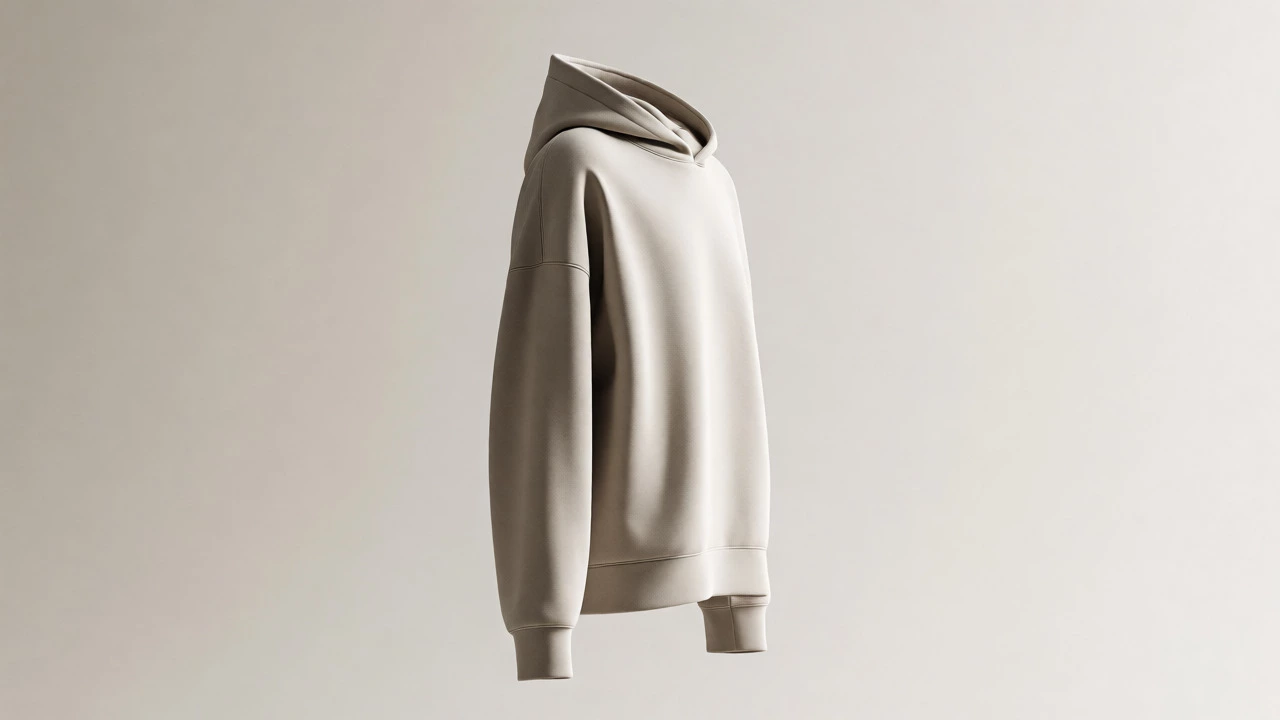
Why Not "Cowl" or "Capuche"?
You might wonder why we didn't stick with older terms. The French call it a sweat à capuche (sweat with a hood). In parts of Europe, "anorak" is used, though that usually refers to a waterproof jacket. The reason English settled on "hoodie" is largely due to the dominance of American media. Hollywood movies, MTV, and later, social media platforms exported American slang globally. Because the modern hoodie was popularized in the US, the American name traveled with the product.
Furthermore, "hoodie" is phonetically pleasing. It has two syllables, starts with a soft 'h' sound, and ends with the affectionate '-ee' sound. It’s easy to say, easy to remember, and hard to misinterpret. Try saying "hooded knitwear" three times fast. You’ll see why convenience wins every time.
The Psychology Behind the Name
There’s a subtle psychological component to why the name stuck. The word "hoodie" evokes a sense of coziness and safety. Psychologists sometimes refer to this as the "cocoon effect." When you put on a hoodie, you’re enclosing yourself. The name reinforces this feeling. It sounds smaller, softer, and more personal than "jacket" or "coat." Even if you’re wearing a stiff, expensive designer hoodie, the word itself promises comfort.
This emotional resonance helps explain why the term persists despite the garment’s evolution. Today, hoodies come in zip-ups, pullovers, cropped styles, and luxury fabrics. Yet, they all share the same name because the core promise remains unchanged: protection, warmth, and a little bit of privacy.
Related Concepts and Modern Variations
Understanding the name also helps you navigate the confusing world of modern activewear. Here is how the hoodie fits into the broader taxonomy of upper-body garments:
- Sweatshirt: Typically has no hood and a crew neck. Used for light layering.
- Hoodie: Has a hood and usually a kangaroo pocket. Used for warmth and casual wear.
- Parka: A heavier coat with a fur-lined hood, designed for extreme cold and rain.
- Anorak: A lightweight, water-resistant jacket with a half-zip and hood, often used for hiking.
- Cape: A sleeveless garment with a hood, historically associated with drama and royalty.
While these items share DNA with the hoodie, only the hoodie retains the specific cultural baggage of youth, rebellion, and ultimate comfort. The others are defined by their function (rain protection, hiking utility), whereas the hoodie is defined by its vibe.
Is a hoodie different from a sweatshirt?
Yes. Technically, a sweatshirt is a general category of heavy cotton jersey shirts. A hoodie is a specific type of sweatshirt that includes an attached hood. All hoodies are sweatshirts, but not all sweatshirts are hoodies. The presence of the hood is the defining characteristic that changes both the name and the typical use case.
Who invented the first hoodie?
The American sportswear company Champion is widely credited with creating the first hooded sweatshirt in the 1930s for laborers in New York. However, the University of Michigan also claims early adoption for their athletes. Regardless of the exact inventor, the design was born out of a need for warmth in cold environments, not fashion.
Why do people love hoodies so much?
People love hoodies for three main reasons: comfort, versatility, and anonymity. The soft fleece lining provides physical warmth, the loose fit allows for movement, and the hood offers a psychological sense of security or privacy. They bridge the gap between pajamas and public-facing clothing, making them perfect for remote work, travel, and casual outings.
Are hoodies considered formal wear?
Traditionally, no. However, the definition of formal wear has shifted significantly since the 2010s. High-end fashion houses now produce tailored hoodies from cashmere or silk, and many tech companies accept them as business casual. Despite this, in conservative industries like law or finance, a hoodie is still generally considered inappropriate for client meetings.
What is the difference between a hoodie and a parka?
A parka is an outerwear coat designed to protect against rain, wind, and snow, often featuring insulation and waterproof materials. A hoodie is typically mid-layer or outerwear made of breathable cotton fleece, designed for mild cold and indoor comfort. Parkas are for bad weather; hoodies are for lifestyle.