
Chelsea Boot Pain Diagnostic Tool
Select the area where you feel the most discomfort to receive specific advice.
Heel Slip / Blisters
Pain at back of heel or ankleArch Pain
Midfoot fatigue or stabbing heel painToe Compression
Numbness, tingling, or pinchingAnkle Rubbing
Irritation from elastic panelsGeneral Tightness
Whole foot feels crampedBreak-in Question
Will they soften with wear?The Problem:
Your heel cup is likely too wide for your actual heel. Because Chelsea boots lack laces, your foot moves up and down inside the boot with every step, creating friction hotspots that turn into blisters quickly.
Immediate Fixes:
- Silicone Heel Grips: Add bulk to the heel counter to reduce space.
- Thicker Socks: Wear wool socks to fill volume and reduce friction.
- Elastic Adjustment: If severe, consider having a cobbler replace side elastics with shorter ones to tighten circumference.
The Problem:
Fashion Chelsea boots often have flat, thin insoles with zero arch support. This forces your plantar fascia to overstretch, leading to sharp pain near the heel (especially in the morning) and calf fatigue.
Immediate Fixes:
- Swap Insoles: Remove the factory insole immediately.
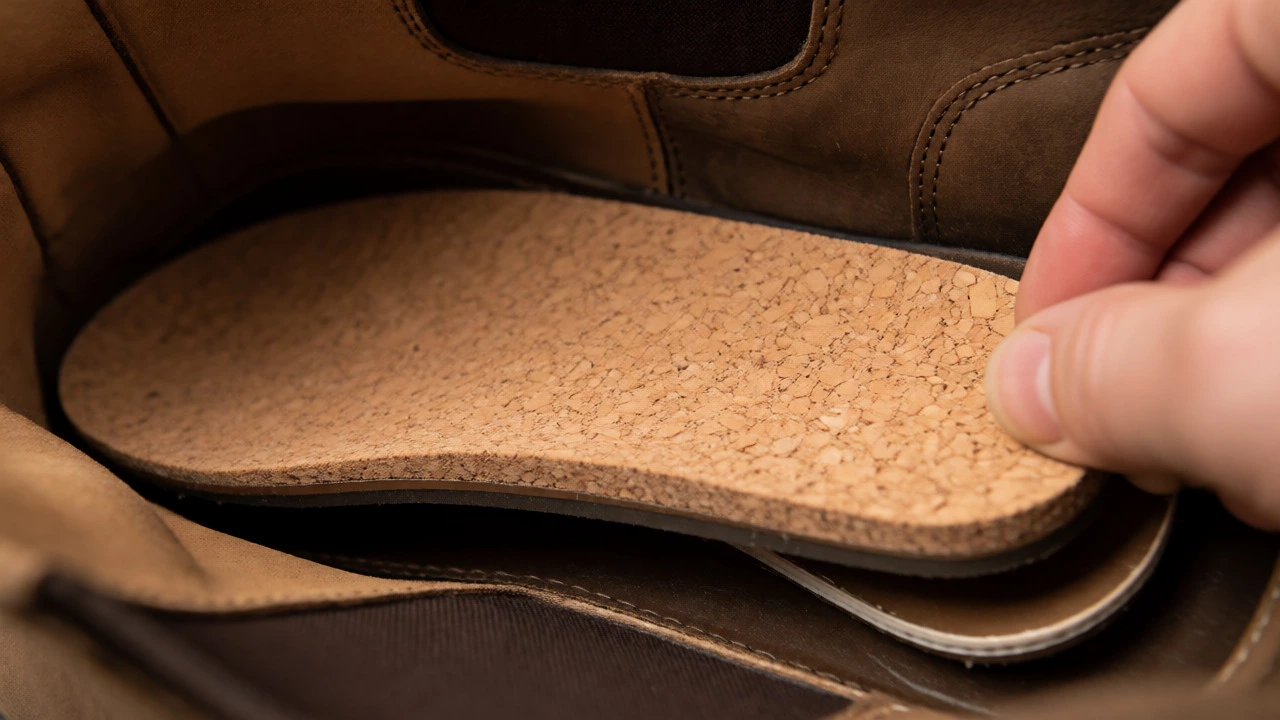
- Add Orthotics: Insert a cork or foam-based arch support (e.g., Superfeet).
- Check Fit: Note that thick insoles raise your foot; ensure your toes aren't now crushed against the top.
The Problem:
Pointed or almond-shaped toes squeeze metatarsal heads together. This restricts blood flow and nerve function, potentially causing Morton’s Neuroma (feeling like standing on a pebble). Leather stretches horizontally but rarely vertically.
Immediate Fixes:
- Shoe Stretcher: Use a wooden toe stretcher with leather spray for 24-48 hours.
- Change Style: If numbness persists, the last shape is wrong. Switch to round-toe styles.
- Vertical Pressure: If the top presses on knuckles, stretching may not help; accept the style mismatch.
The Problem:
The elastic side panels may be too tall or stiff for your ankle bone structure, causing rubbing and pressure points on the sides of your ankles.
Immediate Fixes:
- Anti-Chafe Balm: Apply silicone stick to the inside of the elastic or your ankle skin.
- Cobbler Visit: Have the elastic panels shortened to relieve pressure on the malleolus.
The Problem:
If the entire foot feels compressed, the boot is likely fundamentally too small in volume. Unlike lace-ups, you cannot adjust the fit by loosening straps.
Immediate Fixes:
- Size Up: Try going half a size up.
- Compensate: Use heel grips to prevent slipping if the larger size creates heel movement.
Stiffness vs. Structural Pain
Stiffness Discomfort: General tightness that fades as leather warms up. This will break in.
Structural Pain: Localized pain on a bone or joint that screams with every step. This will NOT break in.
Verdict:
If you have localized, sharp pain, no amount of wearing them indoors will fix it. You need external intervention (stretching, insoles) or a different pair. The shape of the last does not change significantly.
You’ve just bought a pair of sleek Chelsea boots, the undisputed king of autumn wardrobes. They look incredible with jeans, they’re versatile enough for the office, and you feel instantly chic. But three hours later, your toes are throbbing, your heels are raw, and you’re walking like you’ve stepped on Lego. Sound familiar?
It’s frustrating because Chelsea boots are supposed to be comfortable. They have no laces to tighten, no buckles to dig in, and usually come with a modest heel. So why do they hurt so much? The answer isn’t that your feet are "wrong"-it’s that Chelsea boots rely on a very specific fit geometry that doesn’t work for everyone straight out of the box.
The Anatomy of Discomfort: It’s Not Just Size
Most people assume foot pain comes from buying the wrong size. You try a UK 7, it feels tight, so you grab a UK 8. Problem solved? Rarely. With lace-up boots, you can adjust volume by loosening or tightening. With Chelsea boots, you are at the mercy of the leather’s stretch and the elastic panel’s tension. If the boot is too big, your foot slides; if it’s too small, it compresses. There is no middle ground adjustment mechanism built into the shoe itself.
The core issue often lies in the last-the wooden or plastic mold around which the boot is constructed. Many high-street Chelsea boots use a "standard" last that assumes an average width and instep height. If you have high arches, wide forefeet, or narrow heels, this standard mold will fight against your natural biomechanics. Pain is simply the signal that the rigid structure of the boot is resisting the movement of your foot.
The Heel Slip Trap
If your blisters are forming on the back of your heel or the sides of your ankles, you likely have what boot fitters call "heel slip." This happens when the heel cup of the boot is too wide for your actual heel. Because Chelsea boots lack laces to lock the heel down, every step causes your foot to move up and down inside the boot. That friction creates hotspots, which turn into blisters within minutes.
This is particularly common in women with narrower heels but wider forefeets-a body type that standard sizing charts rarely account for. You might buy a size that fits your toes perfectly, only to find your heel swimming in the back. Conversely, if you have broad heels, the elastic side panels may not provide enough resistance, causing the boot to collapse inward with every step, twisting your ankle slightly and straining ligaments.
Arch Support and Plantar Fasciitis
Have you noticed pain starting in your arch or radiating up your calf? Traditional Chelsea boots, especially those made for fashion rather than function, often feature flat, thin insoles. They offer zero arch support. For someone with flat feet or fallen arches, this forces the plantar fascia-the thick band of tissue running across the bottom of your foot-to overstretch with every step.
Over time, this leads to Plantar Fasciitis, a condition characterized by sharp stabbing pain near the heel, especially in the morning or after sitting for long periods. Fashion boots prioritize a slim silhouette, which means the sole unit is often thin and unsupportive. Unless you swap the factory insole for a supportive orthotic, your muscles are doing all the heavy lifting, leading to fatigue and pain.
Toe Box Compression
Pain in the toes, numbness, or tingling usually points to a toe box issue. Many stylish Chelsea boots feature pointed or almond-shaped toes. While aesthetically pleasing, these shapes squeeze the metatarsal heads together. If you naturally have splayed toes (toes that spread out when bearing weight), this compression restricts blood flow and nerve function.
A classic sign of this is Morton’s Neuroma, a thickening of the tissue around one of the nerves leading to your toes. It feels like standing on a pebble. If your toes go numb after two hours of wear, the toe box is too narrow or too shallow. Leather does stretch, but it stretches primarily in length and width at the widest part of the foot, not necessarily vertically. If the top of the boot presses down on your knuckles, you’ll feel bruising pain that won’t resolve with breaking-in alone.
The Break-In Myth
We’ve all been told, "Just wear them around the house, and they’ll soften." This is partially true, but misleading. Leather softens, yes. Elastic relaxes, yes. But the structural integrity of the boot-the shape of the last-does not change significantly. If the boot hurts because it is fundamentally the wrong shape for your foot, breaking it in will only make the leather softer while the misalignment remains.
There is a difference between "stiffness discomfort" and "structural pain." Stiffness feels like general tightness that fades as the leather warms up. Structural pain is localized: a specific point on the bone or joint that screams every time you take a step. If you experience the latter, no amount of wearing them indoors will fix it. You need external intervention.

Solutions That Actually Work
Don’t donate your boots yet. Most Chelsea boot pain can be mitigated with simple adjustments. Here is how to troubleshoot based on where it hurts:
| Pain Location | Likely Cause | Immediate Fix |
|---|---|---|
| Back of Heel | Heel slip / Friction | Add a heel grip pad or wear thicker wool socks. |
| Arch / Midfoot | Lack of support / Flat feet | Replace factory insole with a supportive orthotic. |
| Toes / Forefoot | Narrow toe box / Compression | Use a shoe stretcher or switch to round-toe styles. |
| Ankles / Sides | Elastic rubbing / Instep pressure | Apply anti-chafe balm or replace elastic panels. |
| Whole Foot | Size too small | Try half-size up with heel grips to prevent slip. |
For heel slip: Silicone heel grips are cheap and effective. They add bulk to the heel counter, reducing the space your foot moves in. If the slip is severe, consider replacing the elastic side panels with shorter ones to tighten the overall circumference.
For arch pain: Remove the flimsy factory insole. Replace it with a cork or foam-based arch support. Brands like Superfeet or custom podiatrist inserts transform the comfort level of flat-soled boots instantly. Note that adding a thick insole raises your foot inside the boot, which might make them feel tighter elsewhere-balance is key.
For toe pain: A liquid shoe stretch spray combined with a wooden toe stretcher can expand the toe box by half a size. Focus the stretcher on the specific area that hurts. If the pain persists, the leather may be too stiff to stretch safely without damaging the finish. In this case, accept that the style isn’t right for your foot shape.
Choosing the Right Chelsea Boot Next Time
If you know your current pair is a lost cause, use this knowledge for your next purchase. Look for brands that offer multiple widths (narrow, regular, wide). Companies like Clarks, Rockport, and specialized retailers like Dune often categorize their footwear by fit profile.
Prioritize boots with removable insoles. This allows you to customize the interior volume. Check the heel counter-it should be firm, not floppy. A stiff heel holds your foot in place better than a soft one, even without laces. Finally, consider the sole. A rubber sole with some tread provides more stability and shock absorption than a hard leather sole, reducing impact stress on joints.
Frequently Asked Questions
How long does it take to break in Chelsea boots?
Typically, 1-2 weeks of gradual wear (starting with 1-2 hours daily) is enough for leather to soften. However, if you experience sharp, localized pain rather than general tightness, they may never become comfortable without modifications like stretching or new insoles.
Should Chelsea boots be tight or loose?
They should fit snugly around the midfoot and ankle to prevent slipping, but allow slight wiggle room for your toes. Your heel should stay firmly in place when you walk. If you can pull your heel out easily, they are too loose; if your toes are crushed, they are too tight.
Can I stretch my Chelsea boots myself?
Yes, using a shoe stretcher and leather conditioning spray. Apply the spray to the tight areas, insert the stretcher, and leave it for 24-48 hours. Be cautious with suede or delicate leathers, as excessive moisture can stain or damage the material.
Why do my Chelsea boots rub my ankles?
This is often due to the elastic side panels being too tall or too stiff for your ankle bone structure. Applying a silicone anti-chafe stick to the inside of the elastic or your ankle can reduce friction. Alternatively, having a cobbler shorten the elastic panels can relieve pressure.
Are Chelsea boots bad for plantar fasciitis?
Standard fashion Chelsea boots with flat, thin soles can aggravate plantar fasciitis due to lack of arch support. However, choosing a pair with a contoured footbed, adding a supportive orthotic, or selecting a brand designed for comfort can make them suitable for most sufferers.