
Leather Quality Grade Checker
Describe the Leather Product
Characteristics:
Expected Lifespan:
Personalized Recommendation
You’ve probably stood in a shoe store, running your thumb over two pairs of boots that look nearly identical. One costs $150. The other costs $800. You ask the salesperson why the price difference is so steep, and they give you a vague answer about "premium materials" or "Italian craftsmanship." But if you really want to know who makes the highest quality leather, you need to look past the marketing fluff and understand the actual source of the hide.
Quality isn’t just about how soft the leather feels right out of the box. It’s about durability, aging potential, and the chemical processes used to turn raw animal skin into a durable material. The truth is, no single company owns the title of "best." Instead, the highest quality leather comes from specific regions, specific tanneries, and brands that refuse to cut corners on the curing process.
The Geography of Great Leather
Where the leather is made matters more than you might think. The climate, water quality, and centuries-old traditions in certain parts of the world create conditions that are hard to replicate elsewhere. When experts talk about top-tier leather, three regions consistently rise to the top: Italy, France, and the United States.
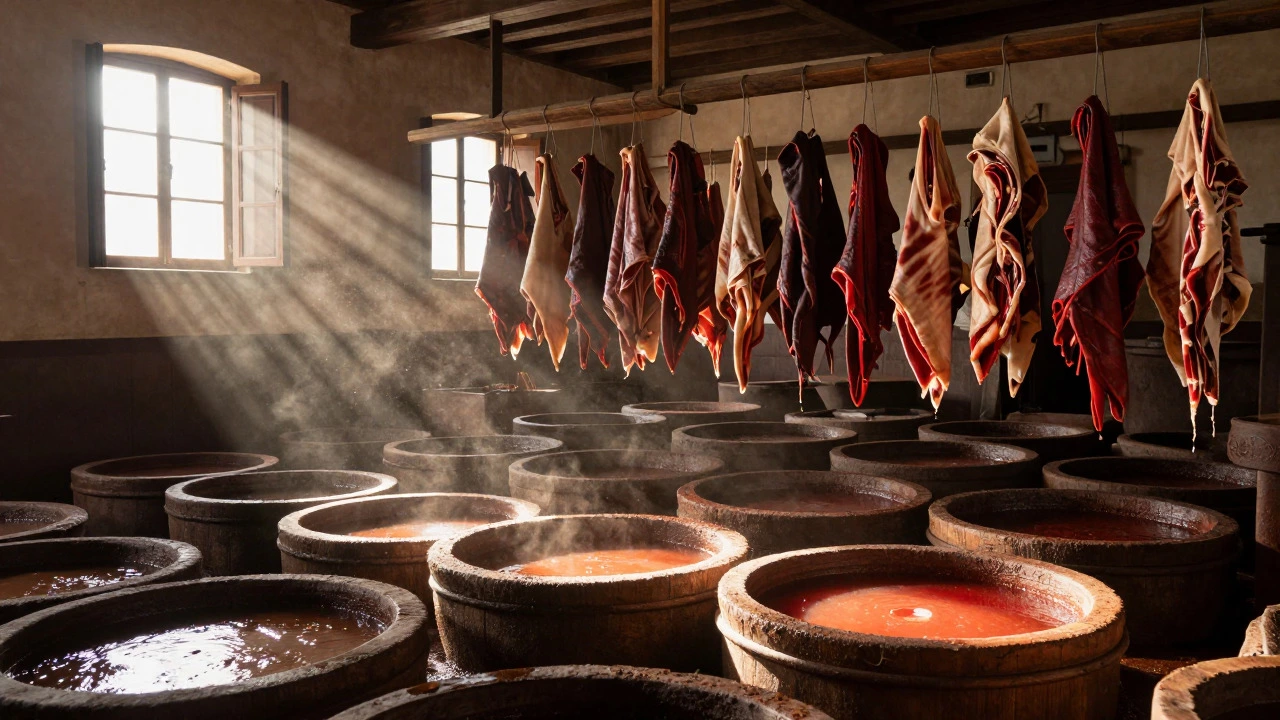
Italy, specifically the Tuscany region, is arguably the global capital of luxury leather. Towns like Santa Croce sull’Arno are home to some of the most respected tanneries in the world. These facilities often specialize in vegetable-tanned leather, a traditional method using natural tannins from tree bark rather than harsh chemicals. This process takes weeks, sometimes months, resulting in leather that develops a rich patina over time. If you’re looking for leather that ages gracefully-think vintage brown oxfords that get better with every scuff-Italian vegetable-tanned leather is the gold standard.
France offers a different kind of excellence. French tanneries, particularly those supplying heritage brands, are known for their meticulous attention to detail and consistency. They excel in producing calfskin that is incredibly smooth yet surprisingly resilient. This is the leather you find in high-end dress shoes that need to maintain a sharp, polished appearance without cracking after years of wear.
In the United States, the focus shifts toward ruggedness and utility. American leather, often sourced from the Midwest and West, is prized for its thickness and strength. This is the stuff of work boots and heavy-duty gear. While it may not develop the same glossy patina as Italian leather, it is built to withstand abuse. The key here is the term full grain leather. This means the entire outer layer of the hide is kept intact, preserving the natural grain pattern and strength. Many cheaper brands sand away this surface to hide imperfections, creating "top grain" or "genuine leather," which are significantly weaker.
Tanneries vs. Brands: Who Actually Makes the Leather?
Here is a common misconception: when you buy a pair of shoes from a famous brand, that brand usually doesn’t make the leather themselves. They design the shoe and assemble it, but they buy the hides from specialized tanneries. Knowing which tanneries supply the best brands is crucial for identifying true quality.
One of the most famous names in the industry is Vachetta, though this is often associated with Louis Vuitton’s untreated canvas trim. For footwear, however, you should look for suppliers like Tannery of Florence or Milanese Tannery. These are generic terms for the style, but specific companies like Santa Croce Tannery or Wolverine World Wide’s own tannery are the real deal.
If you are buying from a heritage shoemaker, check their website for mentions of specific tanneries. Brands like Alden (USA) often specify that they use Horween leather. Horween is a Chicago-based tannery that has been operating since 1905. They are legendary for their Shell Cordovan and Chromexcel leathers. Shell Cordovan comes from the fibrous flat muscle beneath the hide of a horse’s rump. It is incredibly rare, difficult to work with, and virtually indestructible. If you see Horween mentioned, you are likely looking at one of the highest quality leathers available on the market.
Another giant is Lugano, an Italian tannery that supplies many high-end European brands. Their leather is known for its exceptional finish and color depth. If a brand boasts about using Lugano leather, it’s a strong signal that they prioritize quality over cost-cutting.
| Source/Tannery | Region | Best Known For | Ideal Use Case |
|---|---|---|---|
| Horween | USA (Chicago) | Shell Cordovan, Chromexcel | Dress shoes, work boots, bags |
| Santa Croce Tannery | Italy (Tuscany) | Vegetable-tanned calf | Loafers, formal dress shoes |
| Lugano | Italy | Fine calfskin, exotic finishes | High-end fashion footwear |
| Allen Edmonds (Sourced) | USA/Italy | Consistent full-grain | Everyday office wear |
Decoding Leather Grades: What to Look For
Even if a brand uses good leather, the grade matters. Not all leather is created equal. Understanding these terms will help you spot quality instantly.
- Full Grain: The highest quality. The entire grain layer is left intact. It breathes well, resists moisture, and develops a patina. Look for this label first.
- Top Grain: The second-highest grade. The surface is sanded to remove imperfections. It’s softer initially but lacks the durability and aging potential of full grain.
- Genuine Leather: A marketing term that actually means lower quality. It is made from the layers left over after the top grain is split off. It’s thin, prone to cracking, and rarely ages well.
- Split Leather: The bottom layer of the hide. Often coated with plastic to look like leather. It does not breathe and falls apart quickly.
When shopping for leather shoes, always aim for full grain. If the tag says "genuine leather," walk away unless the price is incredibly low and you don’t care about longevity. Full grain leather might have small scars or insect bites, but these are signs of authenticity, not defects. In fact, many enthusiasts prefer hides with character marks because they prove the leather hasn’t been heavily processed to hide flaws.
Brands That Consistently Deliver Quality
So, who are the brands that actually use these premium materials? Here are a few that have earned their reputation through consistent use of high-grade leather.
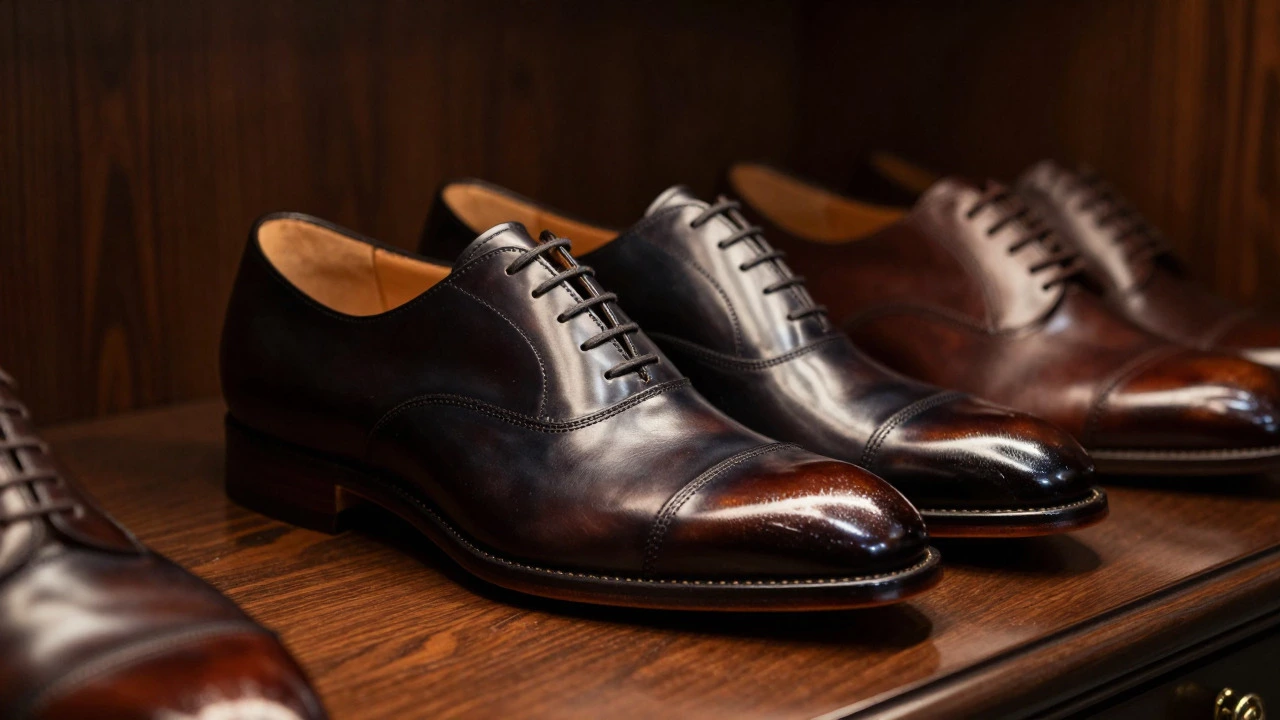
Alden is a Boston-based shoemaker that has been crafting shoes since 1884. They are famous for their use of Horween leather and their Goodyear welted construction. An Alden shoe is an investment; it can last decades if cared for properly. Their shell cordovan cap-toe oxfords are considered by many to be the pinnacle of men’s dress shoes.
In Europe, Crockett & Jones stands out. Based in Northampton, England, they use some of the finest Italian calfskins available. Their attention to detail in the stitching and finishing is impeccable. If you want a shoe that looks sharp in a boardroom but feels comfortable enough for a long day of walking, Crockett & Jones is a top contender.
For a more modern approach, Beckett Simonon and Meermin offer excellent value. They source leather from reputable Italian and Spanish tanneries but sell directly to consumers, cutting out the middleman. You get near-luxury quality at a fraction of the price. This is ideal for someone who wants high-quality leather shoes without spending thousands of dollars.
How to Test Leather Quality Yourself
You don’t need to be an expert to tell if leather is good. Here are three simple tests you can do in the store.
- The Smell Test: Real, high-quality leather smells distinctively earthy and rich. If it smells like plastic, glue, or chemicals, it’s likely bonded leather or heavily treated synthetic material.
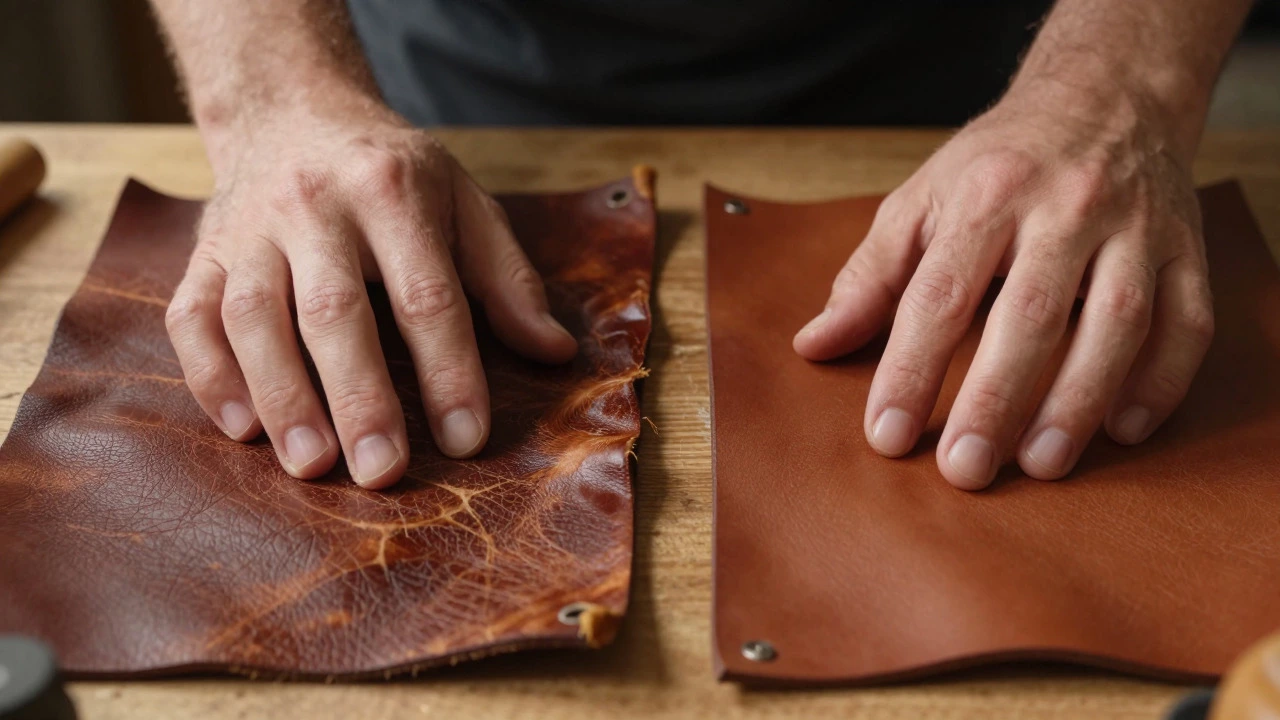
- The Touch Test: Run your fingers across the surface. High-quality full grain leather will feel slightly uneven due to the natural grain. It should also feel cool to the touch. If it feels perfectly smooth and uniform, it might be top grain or corrected grain.
- The Bend Test: Gently bend the leather. Good leather will crease naturally and show a slight change in color where it bends. Cheap leather will crack, peel, or show white stress lines immediately.
Also, check the edges. On high-quality shoes, the edges of the leather are painted and burnished (polished) smoothly. Rough, frayed edges indicate poor craftsmanship, even if the leather itself is decent.
Maintaining Your Investment
Buying high-quality leather is only half the battle. To keep it looking great, you need to care for it. Leather is a living material that needs nourishment.
Use a quality leather conditioner every few months. Products containing beeswax or lanolin help keep the leather supple and prevent cracking. Avoid silicone-based conditioners, as they create a fake shine and block the leather’s pores. When cleaning, use a damp cloth and mild soap. Never soak leather shoes in water.
Rotate your shoes. Wearing the same pair every day prevents them from drying out completely, leading to odor and structural damage. Letting them rest for 24 hours between wears extends their life significantly. Use shoe trees made of cedar to maintain the shape and absorb moisture.
Is Italian leather always better than American leather?
Not necessarily. Italian leather is renowned for its softness, fine grain, and ability to develop a beautiful patina, making it ideal for dress shoes. American leather, particularly from tanneries like Horween, is known for its durability, thickness, and rugged character, making it perfect for work boots and casual footwear. The "best" depends on what you need the leather for.
What is the difference between vegetable-tanned and chrome-tanned leather?
Vegetable-tanned leather uses natural tannins from plants, taking weeks to cure. It is firmer, molds to your foot, and develops a rich patina. Chrome-tanned leather uses chromium salts, taking only days. It is softer, more water-resistant, and less expensive, but doesn’t age as beautifully. For high-end shoes, vegetable tanning is often preferred for its longevity and aesthetic appeal.
Can I repair scratched high-quality leather?
Yes. Minor scratches on full-grain leather often fade over time as the leather oils redistribute. Deeper scratches can be treated with leather balm or wax. For significant damage, professional cobblers can recolor and recondition the area. Unlike synthetic materials, high-quality leather can be repaired and restored multiple times.
Why is Shell Cordovan so expensive?
Shell Cordovan comes from a specific part of a horse’s hide-the fibrous membrane under the tail. Each horse yields only two small pieces of this leather. The tanning process is lengthy and complex, involving heavy waxing and buffing. Its scarcity, difficulty to work with, and exceptional durability drive up the price.
Are sustainable leather options available?
Yes. Vegetable-tanned leather is generally more eco-friendly than chrome-tanned because it avoids toxic chemicals. Some tanneries now use closed-loop systems to recycle water and reduce waste. Additionally, brands are exploring alternatives like mushroom leather or apple leather, though traditional high-quality animal leather remains the benchmark for durability and aesthetics.