
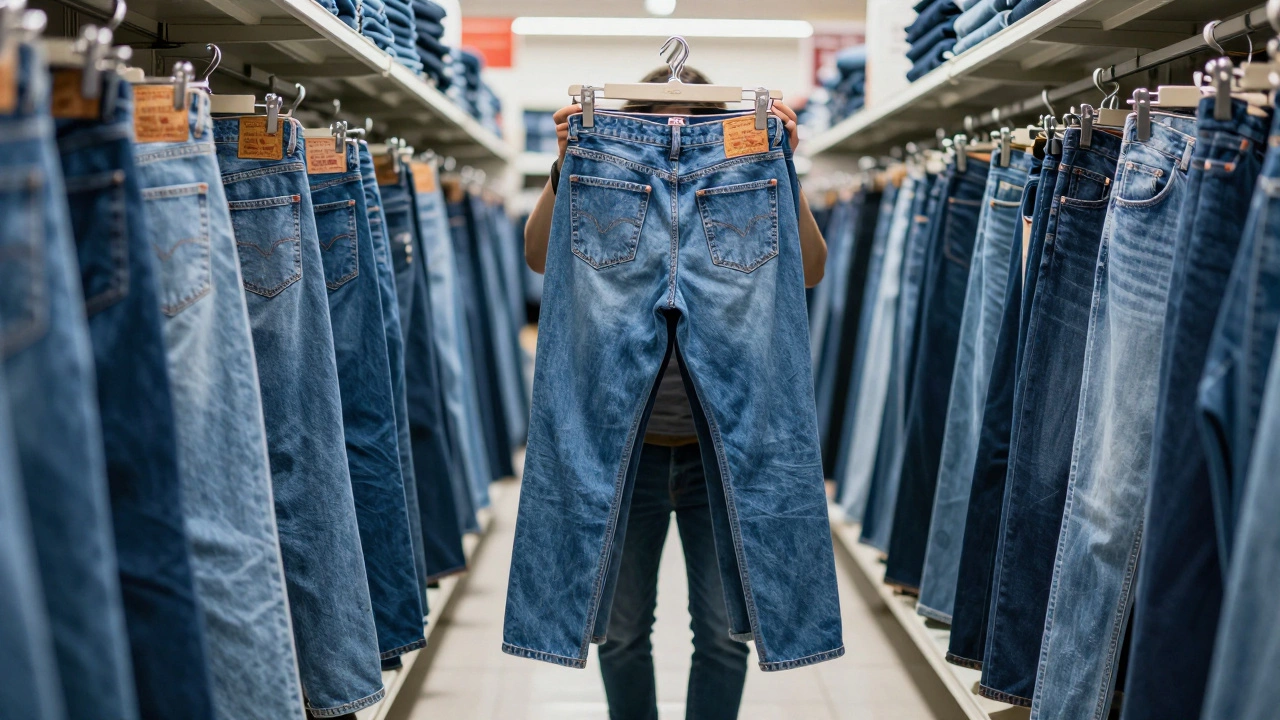
Find Your Perfect Denim Brand
Step 1: What is your budget?
$30 - $50
Affordable Basics
$60 - $100
Everyday Reliability
$180+
Premium Investment
Step 2: What matters most to you?
Comfort
Stretch & Softness
Durability
Lasts for Years
Style
Vintage & Trendy
Step 3: How will you use them?
Why this brand?
Brand Snapshot
| Price Range | |
|---|---|
| Best Model | |
| Fabric Type |
Walk into any department store or scroll through your favorite online retailer, and you’ll be hit with a wall of blue. There are hundreds of options, from $20 pairs that look great in the photo but fall apart after three washes, to $300 pairs that promise to last a lifetime. So, who actually makes the best jeans? The answer isn’t one brand. It’s about finding the right maker for your body type, your budget, and how much effort you want to put into caring for them.
We’ve tested dozens of pairs over the years, wearing them to construction sites, office meetings, and weekend hikes. Here is the breakdown of who dominates which category, so you can stop guessing and start buying with confidence.
The Undisputed King: Levi’s
If we are talking about heritage, consistency, and sheer availability, Levi’s is the original denim manufacturer that invented the riveted jean in 1873. They aren't just a brand; they are the benchmark against which all other jeans are measured. Specifically, the Levi's 501 Original remains the gold standard for a straight-leg, button-fly jean.
Why do they still win? Because their quality control is unmatched at this scale. You can buy a pair of Levi’s 501s in New York, London, or Tokyo, and they will fit exactly the same way. The fabric is durable, the stitching is robust, and the price point-usually around $69 to $98-is fair for what you get. For most people asking "who makes the best jeans," Levi’s is the safest, most reliable answer. They offer a massive range of fits, from the skinny Lvc line to the relaxed 550s, ensuring there is a cut for almost every body shape.
- Best for: Everyday wear, first-time denim buyers, and anyone who wants consistent sizing.
- Key Model: 501 Original (straight leg), 511 Slim (tapered).
- Price Range: $60 - $100.
The Premium Contender: Nudie Jeans
If Levi’s is the workhorse, Nudie Jeans is a Swedish brand known for its high-quality organic cotton denim and free repair services. Based in Gothenburg, Nudie has carved out a niche for those who want European tailoring with a relaxed vibe. Their claim to fame isn't just the fabric-it’s the service. They offer free repairs for life on their raw denim jeans.
This changes the game. When you buy a pair of Nudie’s 'Lean Dean' or 'Rough Rider', you aren't just buying pants; you're buying an investment piece that gets better with age. The fabric is often heavier, ranging from 12oz to 14oz, which means they hold their shape well but require a break-in period. If you hate the idea of throwing clothes away, Nudie is arguably the best maker for sustainability and longevity. Their transparency about factory conditions also sets them apart in an industry often criticized for labor practices.
- Best for: Raw denim enthusiasts, eco-conscious shoppers, and those who value long-term durability.
- Key Model: Lean Dean (slim fit), Rough Rider (regular fit).
- Price Range: $180 - $220.
The Comfort Specialist: AGOLDE
Sometimes "best" doesn't mean "most durable." Sometimes it means "I never want to take these off." That’s where AGOLDE comes in. Founded in Los Angeles, AGOLDE specializes in vintage-inspired cuts using modern, soft fabrics. They don't make stiff, rigid denim that fights you. Instead, they focus on comfort without sacrificing style.
Their '90s High-Waisted Straight' jean is a cult favorite because it hits that perfect balance between retro aesthetic and contemporary stretch. Most of their jeans contain a small percentage of elastane, giving them a second-skin feel that traditional raw denim lacks. If your priority is looking good while feeling comfortable during a 12-hour day, AGOLDE is the top choice. They understand that modern life requires flexibility, both literally and figuratively.
- Best for: Style-focused buyers, those seeking comfort, and fans of vintage aesthetics.
- Key Model: 90s High-Waisted Straight, Mom Jean.
- Price Range: $178 - $198.
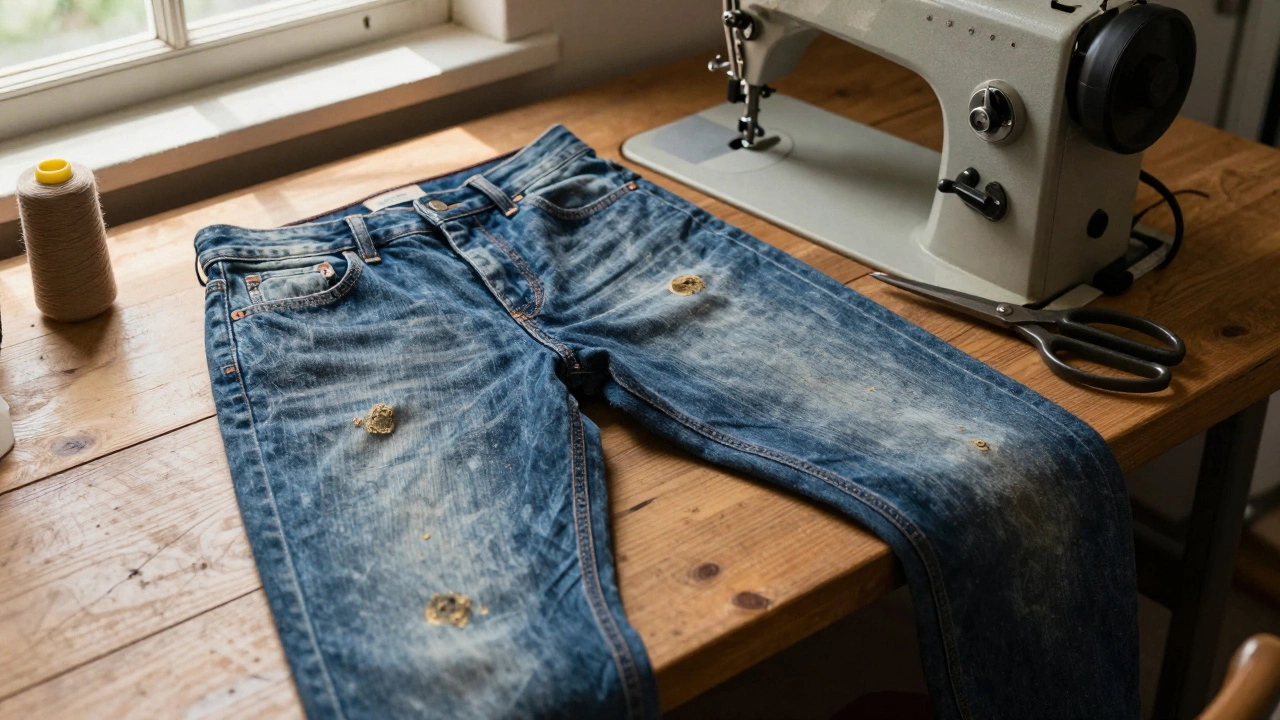
The Budget Champion: Uniqlo
Let’s address the elephant in the room: not everyone wants to spend $200 on jeans. Enter Uniqlo, the Japanese retail giant that has mastered the art of affordable basics. While they may not have the heritage of Levi’s or the bespoke feel of Nudie, Uniqlo offers incredible value. Their Super Stretch Jeans are engineered to resist sagging and maintain their shape after multiple washes.
The secret lies in their fabric technology. Uniqlo uses a blend of cotton and polyester with high elasticity, meaning these jeans feel like leggings but look like proper denim. For students, young professionals, or anyone needing a versatile wardrobe on a tight budget, Uniqlo is hard to beat. You can replace a pair if it wears out without breaking the bank, yet they still look polished enough for casual Fridays.
- Best for: Budget-conscious shoppers, travelers, and those prioritizing ease of care.
- Key Model: Super Stretch Straight Fit, Ultra Stretch Slim Fit.
- Price Range: $29.90 - $49.90.
Comparison: Who Should You Choose?
| Brand | Primary Strength | Fabric Type | Avg. Price | Best For |
|---|---|---|---|---|
| Levi’s | Consistency & Heritage | Cotton / Cotton-Elastane | $70 - $100 | Everyday Reliability |
| Nudie Jeans | Sustainability & Repair | Organic Raw Denim | $180 - $220 | Long-Term Investment |
| AGOLDE | Vintage Style & Comfort | Soft Cotton Blend | $178 - $198 | Fashion-Forward Looks |
| Uniqlo | Affordability & Stretch | Polyester-Cotton Blend | $30 - $50 | Budget Basics |
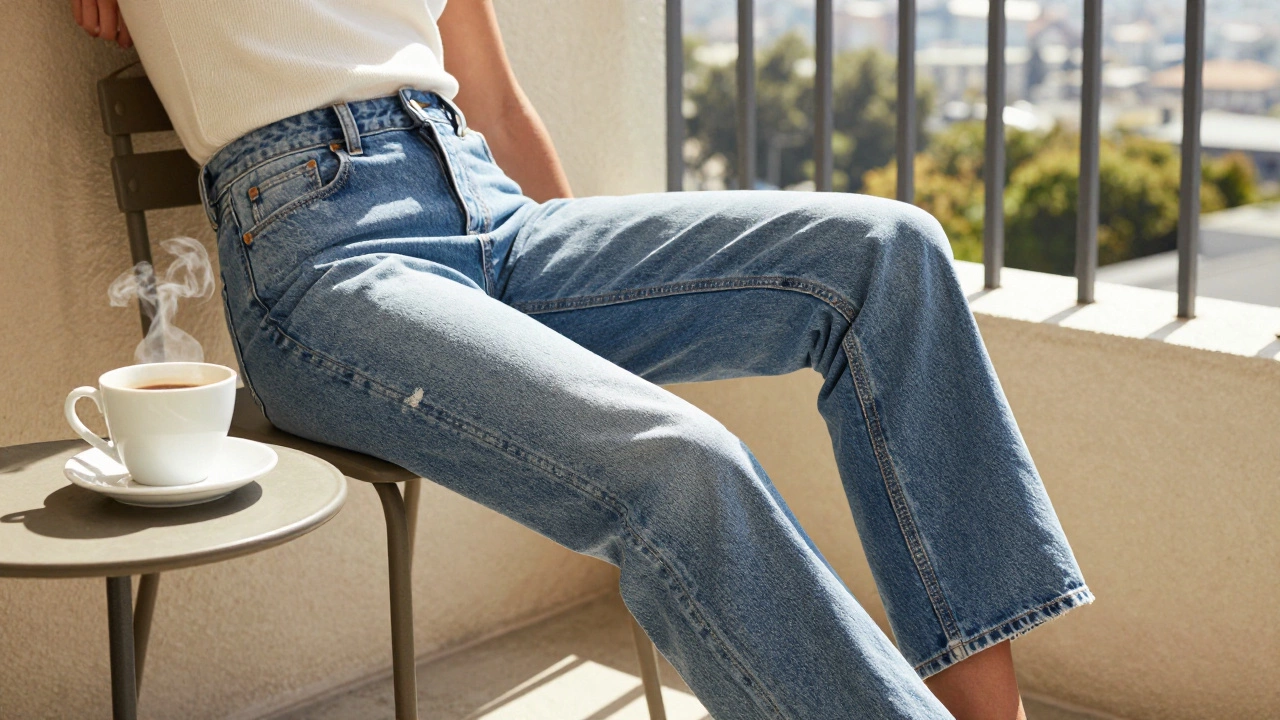
How to Choose Your Perfect Pair
Knowing who makes the best jeans is only half the battle. You also need to know what to look for when you try them on. Here are three critical factors that determine whether a pair of jeans will become your favorite or end up in the back of your closet.
1. Understand the Weight (Oz)
Denim weight is measured in ounces per square yard. This number tells you everything about how the jeans will feel and behave.
- Lightweight (8-10 oz): Feels like t-shirt material. Great for summer, but wrinkles easily and may fade quickly. Common in fast fashion and stretch-heavy brands like AGOLDE.
- Mid-weight (11-13 oz): The sweet spot for daily wear. Offers structure without being too stiff. Most Levi’s and Uniqlo jeans fall here.
- Heavyweight (14+ oz): Rigid, thick, and durable. These are usually raw denim. They require a break-in period but develop unique fades over time. Nudie and specialized brands like Iron Heart excel here.
2. Check the Rise
Rise refers to the distance from the crotch seam to the top of the waistband. Getting this wrong is the most common fitting error.
- Low Rise: Sits below the natural waist. Can create muffin tops if not tailored correctly. Trendy but less forgiving.
- Mid Rise: Sits at the hip bone. The most versatile option for most body types.
- High Rise: Sits at or above the navel. Elongates the legs and provides more coverage. Popular in vintage styles and brands like AGOLDE.
3. Fabric Composition
Look at the tag. If it says 100% cotton, expect stiffness initially but great shape retention. If it includes elastane (spandex/Lycra), expect immediate comfort and stretch, but potentially baggier knees after a few hours. A blend of 98% cotton and 2% elastane is often the ideal compromise for daily drivers.
Caring for Your Jeans to Extend Their Life
Even the best-made jeans will fail if you treat them poorly. Washing them too frequently breaks down the fibers and causes fading. Here is the golden rule: wash less, air dry always.
- The One-Month Rule: Unless you’ve spilled something on them, wait at least a month before washing. Air them out after each wear.
- Cold Water Only: Hot water shrinks cotton and damages elastic fibers. Always use cold cycles.
- Inside Out: Turn your jeans inside out before washing to protect the outer color from abrasion.
- No Dryer: Tumble drying is the enemy of denim. It weakens the seams and causes shrinkage. Hang them to dry near a window.
For raw denim lovers, some even recommend freezing the jeans in a plastic bag to kill bacteria instead of washing, though scientific evidence on this method is mixed. Sticking to infrequent, gentle washes is the most proven method for longevity.
Are expensive jeans really worth it?
It depends on your definition of value. Expensive jeans, like those from Nudie or Iron Heart, use higher-quality cotton and better construction techniques. They last longer, fit better, and develop unique character over time. If you plan to keep a pair for five years or more, the higher upfront cost pays off. If you change trends every season, cheaper options like Uniqlo are more practical.
What is the difference between raw and washed denim?
Raw denim is unwashed and untreated after dyeing. It is stiff and dark blue when new. Over time, it fades according to your body movements, creating personalized whiskers and honeycombs. Washed denim has been pre-softened and faded by the manufacturer, offering immediate comfort and a uniform look.
Which jeans brand is best for wide hips?
Brands like Levi’s offer specific cuts like the 'Curvy' line, which provides extra room in the hips and thighs while tapering at the waist. AGOLDE’s high-waisted styles also tend to accommodate wider hips well due to their structured rise. Always check the size chart for hip measurements rather than just waist size.
Do selvedge jeans matter?
Selvedge refers to the self-finished edge of the fabric, preventing unraveling. While it indicates higher quality manufacturing, it doesn’t necessarily mean better fit or durability for everyday wear. It’s mostly a marker for enthusiasts who appreciate traditional loom weaving. For most people, non-selvedge denim from reputable brands is perfectly fine.
How often should I replace my jeans?
There is no fixed timeline. Replace them when the fabric becomes too thin, holes appear in stress areas (like behind the knees), or the fit no longer suits your body. With proper care, a good pair of mid-range jeans can last 3-5 years. Premium raw denim can last a decade or more.