
Perfect Jean Fit Finder
There is nothing worse than buying a pair of jeans that look great on the hanger but feel like a vice around your waist after twenty minutes. We have all been there: you step into the fitting room, squeeze into a skinny style that was trending five years ago, and realize you can barely breathe, let alone sit down for lunch. The search for comfort in denim is not just about feeling good; it is about finding a cut that moves with your body rather than against it.
Comfort is subjective, but it is also structural. It depends on the rise, the leg opening, the fabric composition, and how those elements interact with your specific body shape. There is no single "most comfortable" fit for everyone, but there are clear winners depending on whether you prioritize ease of movement, waist support, or airflow. Let’s break down which fits actually deliver on the promise of comfort and why some trends are better left in the past.
The Rise Factor: Why Waist Placement Matters More Than You Think
Before we talk about leg shapes, we need to address the foundation of jean comfort: the rise. This is the distance from the crotch seam to the top of the waistband. Getting this wrong ruins any fit, no matter how stylish the leg looks.
- Low-rise: These sit below the natural waist, often on the hips. While they were huge in the early 2000s, they are generally the least comfortable for daily wear. They dig into the hips when you sit, offer zero stomach support, and can create an unflattering bulge if you bend over. They work best only if you have a very flat stomach and prefer a minimalist aesthetic.
- Mid-rise: Sitting right at the hip bone, mid-rise is the sweet spot for many. It offers enough coverage to prevent muffin top without feeling restrictive. It is versatile enough for both casual outings and slightly dressier events.
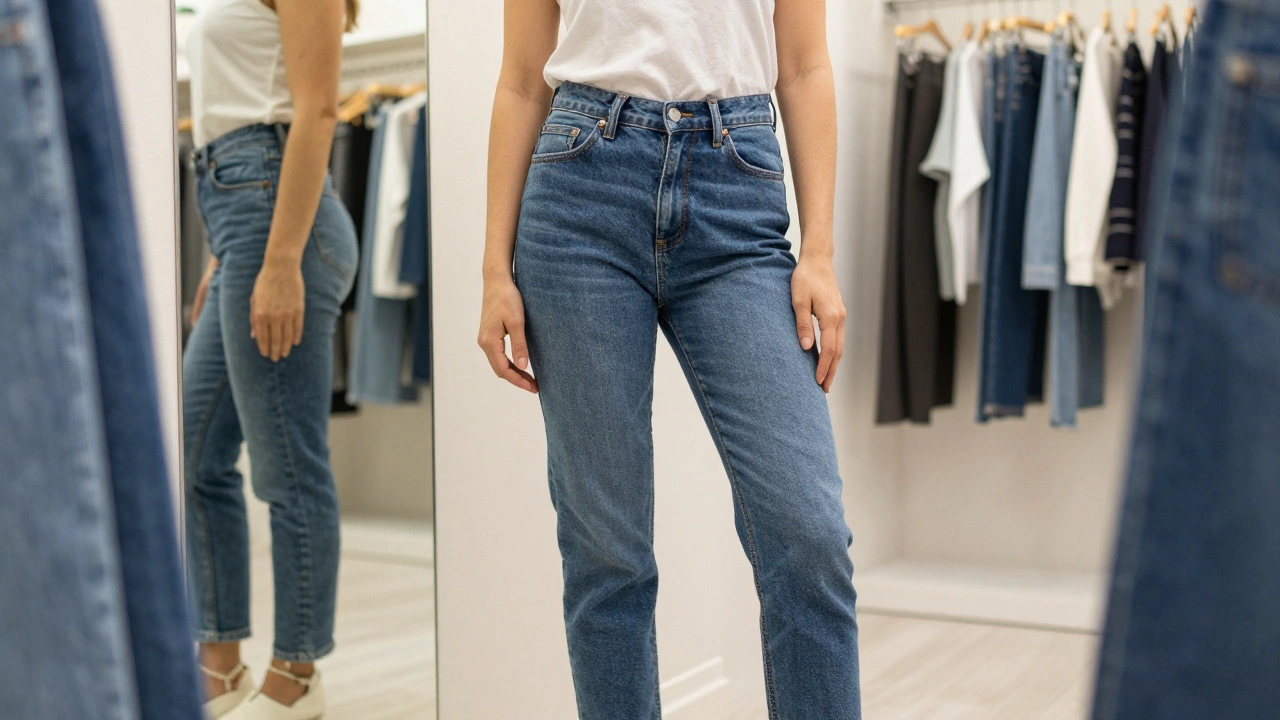
- High-rise: These hit at or above the navel. For most people, high-rise is the king of comfort because it holds everything in place. It prevents the jeans from sliding down when you walk or climb stairs. If you struggle with lower back pain, a high-rise pair with a sturdy waistband can provide gentle compression and support.
If comfort is your primary goal, start by identifying where your natural waist is. If you are unsure, try bending forward. Where the fold occurs is usually your natural waistline. High-rise jeans align with this point, offering stability that low-rise styles simply cannot match.
Skinny vs. Straight: The Battle for Legroom
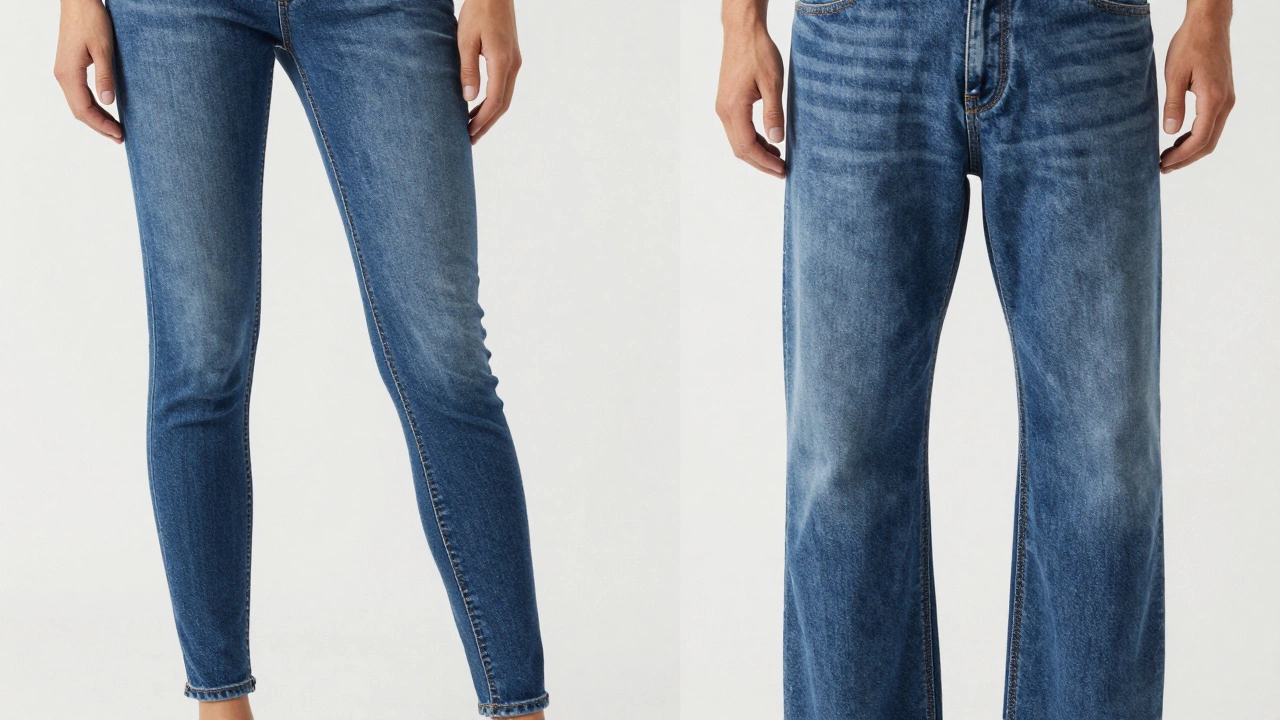
For over a decade, skinny jeans dominated the market. They were sleek, modern, and paired easily with boots. However, the trade-off was significant: restricted circulation and constant tugging at the hem. If you have muscular calves or thighs, skinny jeans can feel like a second skin that is too tight.
Enter the Straight-leg jeans, which are a classic cut that maintains a consistent width from the thigh to the ankle. This fit has made a massive comeback because it respects the human form. It allows air to circulate, gives your knees room to bend without pulling the fabric, and doesn’t cling to every imperfection. For many, straight-leg is the ultimate comfort winner because it feels like wearing sweatpants, but with structure.
Then there are Slim-straight jeans, which are a hybrid cut that is tapered slightly at the ankle but still roomy through the thigh. If you find full straight-legs too baggy but skinnies too tight, slim-straight offers a balanced middle ground. It provides a clean silhouette without the constriction.
The Relaxed and Wide-Leg Revolution
If you truly value freedom of movement, you need to look at Relaxed-fit jeans, which are denim trousers with extra room through the seat, thigh, and knee. These are not the same as the baggy styles of the 90s, though they share DNA. Modern relaxed fits are tailored to drape nicely while allowing you to cross your legs, squat, or drive comfortably. They are ideal for hourglass figures who need room in the hips and thighs, or for anyone who spends long hours sitting at a desk.
Wide-leg jeans take this concept further. With a high waist and a flare that starts from the hip, they create a flowing silhouette. The comfort here comes from the lack of pressure points. There is no pinching at the knees or calves. However, wide-leg jeans require a bit more maintenance; you may need to adjust the length so they don’t drag on the floor, and they can feel heavy in hot weather due to the amount of fabric.
| Fit Type | Best For | Comfort Level (1-10) | Key Benefit |
|---|---|---|---|
| Skinny | Lean builds, cold weather | 4/10 | Sleek look, easy to tuck into boots |
| Straight-Leg | All body types, daily wear | 8/10 | Balanced roominess, timeless style |
| Relaxed | Athletic builds, desk workers | 9/10 | Maximum mobility, no restriction |
| Wide-Leg | Tall frames, fashion-forward | 8.5/10 | Draping effect, airy feel |
| Bootcut | Curvy hips, boot wearers | 7/10 | Flatters hips, balances proportions |
The Fabric Secret: Stretch vs. Rigid Denim
You can have the perfect cut, but if the fabric is wrong, comfort will suffer. Traditional rigid denim is 100% cotton. It is durable and ages beautifully, developing unique fades and whiskers over time. However, it has no give. If you buy rigid jeans, you must size up slightly to allow for movement, or be prepared for a breaking-in period that can last weeks.
Most modern comfortable jeans include elastane, spandex, or lycra. Look for a blend that contains 1-3% elastane. This small addition makes a world of difference. It allows the jeans to stretch when you sit and snap back into shape when you stand. Without this stretch, even a relaxed fit can feel stiff and scratchy against the skin.
However, beware of excessive stretch. Some cheap jeans contain high percentages of synthetic fibers that make them feel like leggings. While soft initially, they often lose their shape after one wash, becoming baggy and saggy. Aim for a balance: mostly cotton for structure, with a hint of elastane for flexibility.
Finding Your Fit Based on Body Shape
Comfort is not just about the jeans; it is about how the jeans interact with your body. Here is how to choose based on common body types:
- Pear-shaped: You carry weight in your hips and thighs. Avoid skinny jeans that cling tightly to your lower body. Opt for straight-leg or bootcut styles that skim over your curves without squeezing. A dark wash helps minimize the appearance of volume.
- Apple-shaped: You carry weight around your midsection. High-rise jeans with a bit of stretch are essential. They smooth out the stomach area and prevent digging in. Avoid low-rise styles that will cut into your waist.
- Athletic/Muscular: You have defined thighs and calves. Skinny jeans will likely feel too tight. Relaxed or straight-leg fits provide the necessary room in the thigh while maintaining a polished look.
- Petite: Long inseams can overwhelm your frame. Look for cropped straight-leg or ankle-grazing styles. Ensure the rise is proportional; a super-high rise might shorten your torso visually.
- Tall: Standard lengths often end mid-calf. Seek out brands that offer extended inseams. Wide-leg or straight-leg styles work well to elongate your lines further.
Pro Tips for Maximizing Comfort
Even the best-fitting jeans can become uncomfortable if you do not care for them properly. Here are some practical tips to keep your denim feeling fresh and flexible:
- Wash less frequently: Over-washing breaks down the fibers and reduces the elasticity of the elastane. Wash your jeans only when necessary, inside out, on a cold cycle.
- Air dry: Tumble drying can shrink cotton and damage stretch fibers. Hang your jeans to dry to maintain their shape and size.
- Check the seams: Unfinished or thick seams can chafe, especially in the crotch and inner thigh areas. Look for flat-felled seams or bonded edges for a smoother interior.
- Try before you buy online: Sizing varies wildly between brands. A size 28 in one brand might be a 30 in another. Always check the return policy and read reviews regarding fit.
- Consider the hardware: Heavy metal buttons and rivets can dig into your skin. Softer finishes or covered buttons can enhance comfort, especially for sensitive skin.
Ultimately, the most comfortable jeans are the ones you forget you are wearing. They should support your movements, not restrict them. By focusing on the right rise, choosing a leg shape that accommodates your muscles, and selecting a fabric with the right amount of stretch, you can find a pair that lasts for years and feels like home every time you put them on.
What is the most comfortable jean fit for sitting all day?
For sitting all day, a mid-to-high rise straight-leg or relaxed-fit jean is best. These cuts provide room in the thighs and hips, preventing the fabric from pulling tight across the stomach and knees when you are seated. Look for denim with 1-2% elastane to ensure the material stretches slightly as you shift positions.
Are skinny jeans making a comeback?
While skinny jeans are no longer the dominant trend, they have not disappeared. However, the current preference leans towards looser, more comfortable silhouettes like straight, wide-leg, and relaxed fits. Many people now reserve skinny jeans for specific occasions or colder months, opting for roomier cuts for everyday wear.
How do I know if my jeans are too tight?
Signs your jeans are too tight include horizontal wrinkles across the thighs or stomach, difficulty buttoning without holding your breath, red marks on your skin after removal, and restricted movement when squatting or sitting. If you feel constricted in any way, consider sizing up or trying a different cut with more room in the problem areas.
What is the difference between slim-straight and straight-leg jeans?
Straight-leg jeans have a consistent width from the thigh down to the ankle, creating a column-like silhouette. Slim-straight jeans are similar but are slightly tapered at the ankle, offering a cleaner, more fitted look at the bottom while still providing more room than skinny jeans. Slim-straight is ideal if you want a modern look without sacrificing too much comfort.
Do high-rise jeans really help with back pain?
High-rise jeans can provide mild support for lower back pain by acting like a gentle compression band around the core. They keep the waistband stable, preventing the distraction and discomfort of adjusting slipping pants. However, they are not a medical treatment. If you have chronic back issues, consult a healthcare professional, but many users report improved posture and comfort with high-rise styles.