
Indoor Footwear Etiquette Checker
Select a destination or region to see if you should remove your shoes before entering a home.
Please select a region above to view the local custom.
Universal Tips for Any Visit
- Look for Cues: If there is a shoe rack or slippers at the door, remove yours.
- When in Doubt, Ask: A simple "Should I take my shoes off?" shows respect.
- Bring Clean Socks: If unsure, wearing clean socks allows you to go barefoot without discomfort.
- Bathroom Rule: In strict no-shoe cultures (like Japan), remember to swap toilet slippers when entering the bathroom.
You walk into a friend's home, ready to chat, and suddenly you freeze. Do you kick off your sneakers at the door? Do you slide into the provided slippers? Or do you keep them on, risking that awkward moment where someone glances down at your muddy soles? This isn't just about cleanliness; it’s a complex web of cultural etiquette that varies wildly from one border to the next.
If you’ve ever wondered which country never wears shoes in the house, the answer isn’t a single nation but a vast global majority. From Tokyo to Toronto, from Seoul to Stockholm, the "no-shoes" rule is the default setting for millions of homes. But why does this happen? And more importantly, how should you navigate these unwritten rules when traveling or hosting guests?
The Global Standard: Why Most Homes Are Shoe-Free Zones
It might surprise you to learn that leaving shoes at the door is actually the norm, not the exception, across much of the world. In many cultures, outdoor footwear is seen as carrying dirt, bacteria, and even spiritual impurities from the public sphere into the private sanctuary of the home. The practice is deeply rooted in hygiene, respect, and climate.
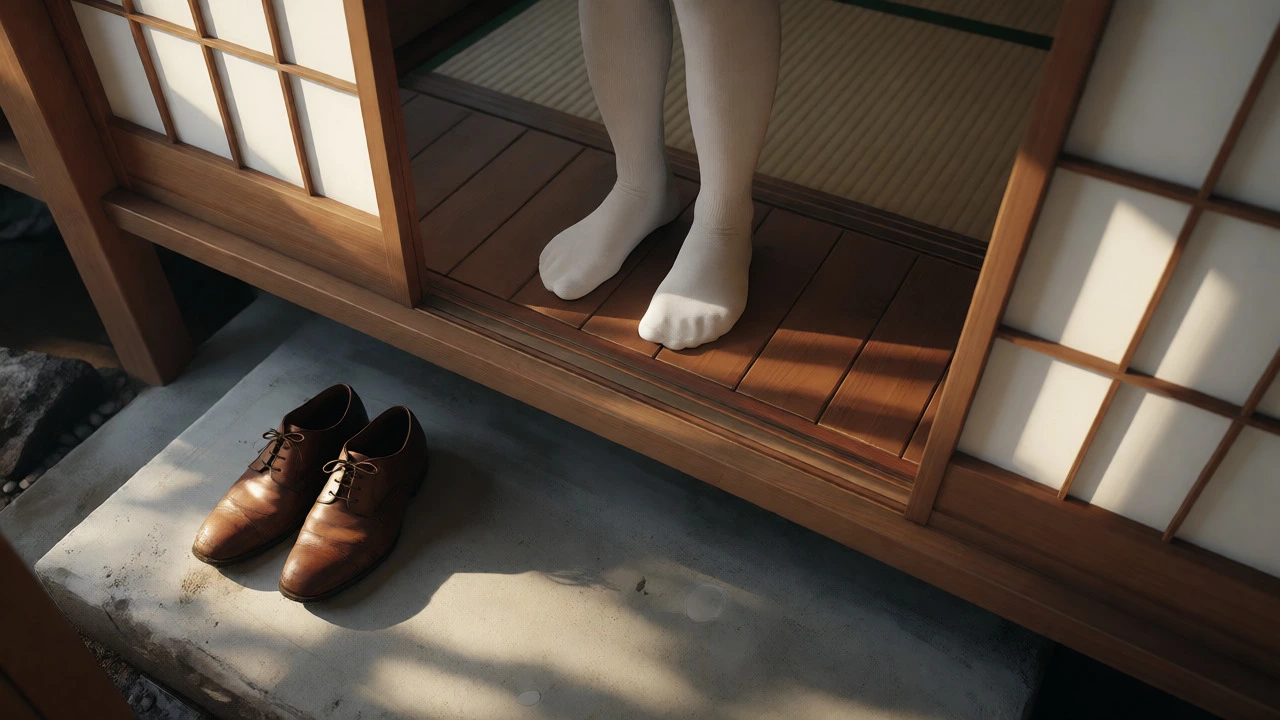
In Japan, removing shoes is mandatory. It’s taught to children before they can even tie their own laces. The genkan (entryway) is a distinct architectural feature designed specifically for this transition. You step up onto the tiled floor only after your feet are bare or clad in socks. Similar strictures apply in South Korea, where indoor heating systems (ondol) make warm floors desirable, and dirty shoes would ruin both comfort and cleanliness.
Scandinavian countries like Sweden and Norway also enforce a strict no-shoes policy. Given the long winters involving snow, slush, and salt, bringing those contaminants inside is practically unthinkable. The same logic applies in Canada and parts of the Northern United States, where winter mud is a legitimate concern. Even in warmer climates like Thailand and Singapore, the preference for barefoot comfort or light sandals indoors is nearly universal.
The Outliers: Where Keeping Shoes On Is Normal
So, who breaks the rule? If you’re looking for places where wearing shoes inside is socially acceptable-or even expected-you’ll mostly find them in North America (particularly the Southern US), the UK, and parts of Western Europe like France and Germany, though attitudes are shifting there too.
In the United States, particularly in the South and Midwest, keeping shoes on indoors has historically been common. This stems partly from larger lot sizes where yards are far from doors, and partly from a cultural emphasis on individual freedom and convenience. However, this is changing rapidly among younger generations who prioritize cleaner floors and lower energy bills (fewer dust particles mean less vacuuming).
The United Kingdom presents a mixed picture. While many Brits remove shoes, especially in rural areas or during winter, urban apartments often see people walking around in street shoes. It’s less about a rigid cultural law and more about personal habit and flooring type. Carpeted homes tend to encourage shoe removal more than hardwood or tile.
Why Slippers Are the Compromise
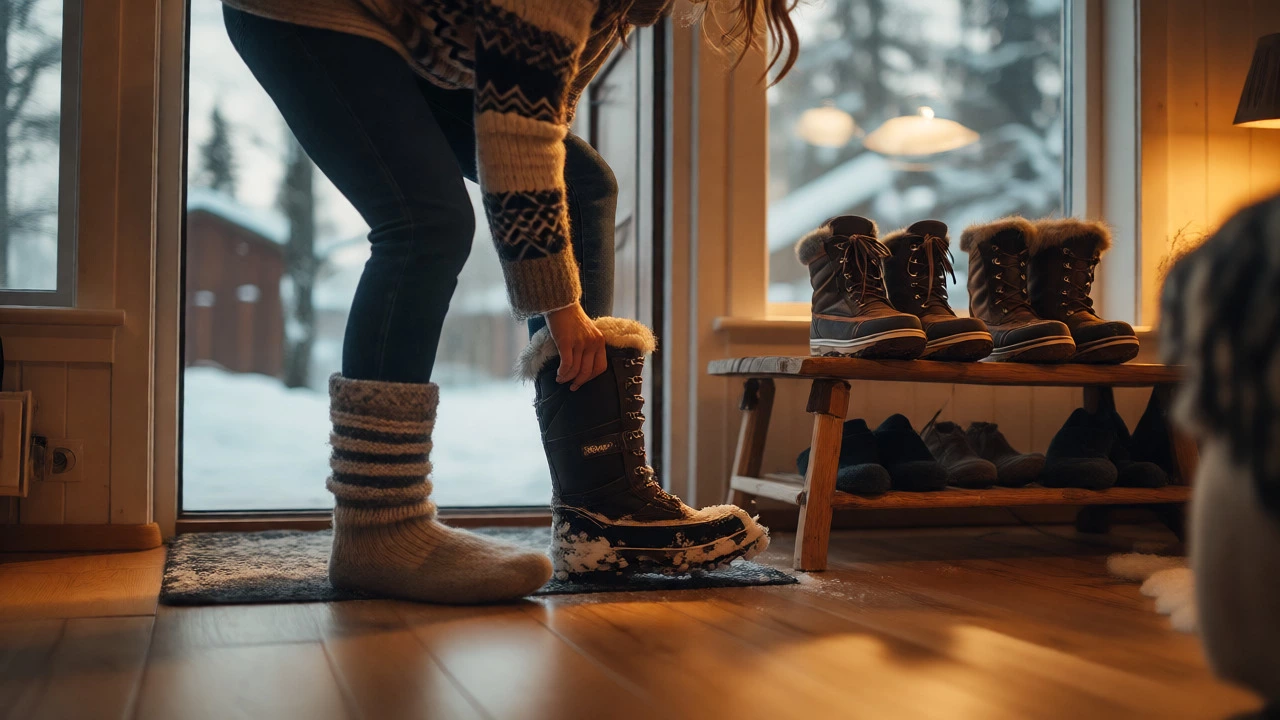
If going barefoot feels too vulnerable, or if your host doesn’t provide spare socks, what’s the middle ground? Enter the humble slipper. In countries with strict no-shoe policies, providing guest slippers is a standard act of hospitality. In Japan, these are called uwabaki. In Korea, you might find simple foam slides. In Russia, thick woolen felt boots (valenki) or cozy fabric slippers are common.
Slippers serve two purposes: hygiene and warmth. They prevent your bare feet from touching potentially cold or dusty floors while ensuring you don’t track outside grime inside. If you’re visiting a culture with a strong no-shoes rule, bringing your own pair of clean, comfortable house shoes is a thoughtful gesture. It shows you respect their space and care about their cleanliness standards.
| Region/Country | Typical Policy | Guest Expectation | Reasoning |
|---|---|---|---|
| Japan & South Korea | Strictly No Shoes | Remove shoes; wear provided slippers | Hygiene, tatami/floor care, respect |
| Scandinavia & Canada | No Shoes | Remove shoes; socks or slippers | Snow, salt, and mud prevention |
| Southern USA | Varies | Ask first; often keep shoes on | Convenience, large properties |
| UK & Western Europe | Mixed | Observe host; usually safe to ask | Flooring type, personal habit |
| Thailand & India | No Shoes | Barefoot or light sandals | Cleanliness, religious/spiritual reasons |
How to Navigate the "Shoe Question" Without Awkwardness
You don’t need a PhD in anthropology to figure out what to do. Here are three simple heuristics to save you from embarrassment:
- Look for cues at the entrance. If you see a rack of shoes lined up neatly by the door, or a pile of slippers waiting for you, the decision is made. Take yours off. If everyone else is still wearing boots, follow suit.
- When in doubt, ask. It sounds trivial, but saying, "Should I take my shoes off?" is polite and shows consideration. Hosts rarely get offended by this question; they appreciate the effort.
- Check the flooring. Hardwood, tile, or polished stone usually signals a no-shoes zone because scratches and scuffs are visible. Thick carpet might be more forgiving, but it traps dirt faster, so removing shoes helps maintain air quality.
Remember, the goal isn’t to judge another culture’s habits but to adapt respectfully. If you’re hosting international guests, consider having a small basket of clean slippers near the door. It removes the guesswork for them and makes them feel welcome immediately.
The Health and Hygiene Argument
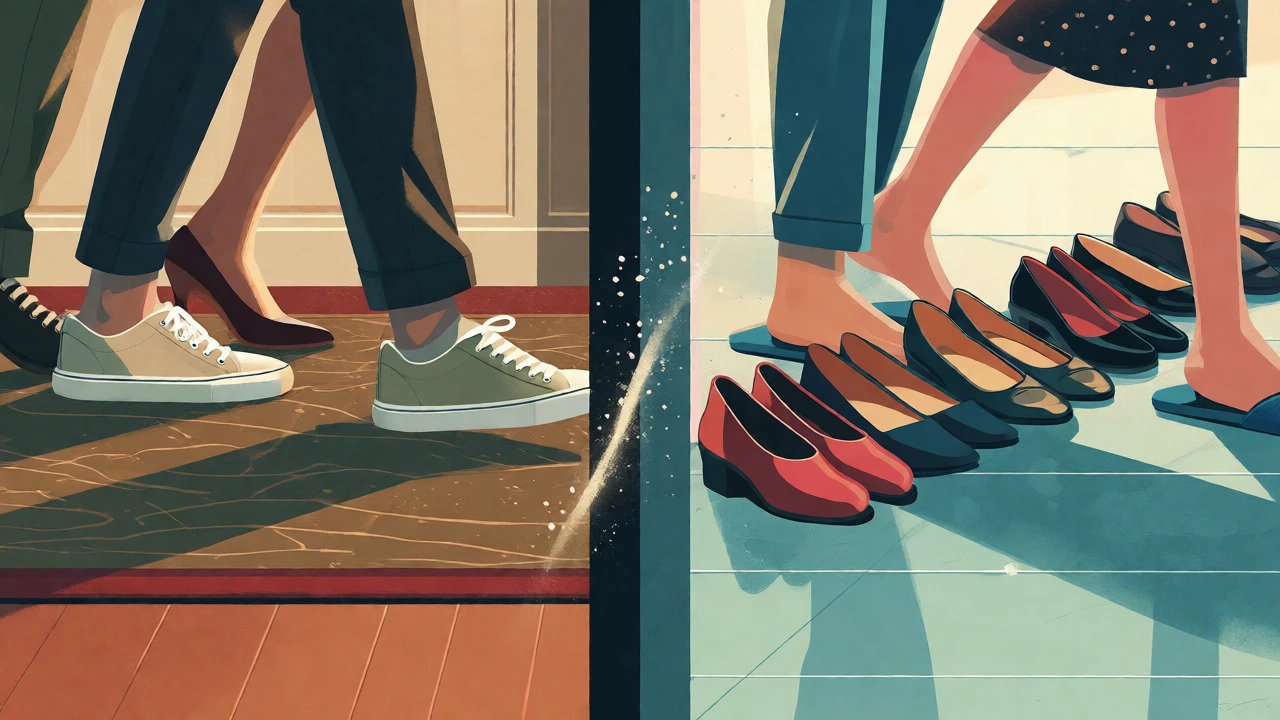
Let’s look at the data. Studies have shown that outdoor shoes can carry significant amounts of bacteria, including E. coli, which originates from fecal matter found on sidewalks. By removing shoes, households reduce the load of pathogens entering their living spaces. This is particularly crucial for families with young children who crawl on floors or pets that spend time outdoors.
Moreover, maintaining a shoe-free environment can extend the life of your flooring. Sand and grit act like sandpaper under the weight of footsteps, wearing down finishes over time. For homeowners investing in high-quality wood or natural stone, the initial inconvenience of bending down to untie laces pays off in reduced maintenance costs.
Final Thoughts: Respect Over Rules
There is no single country that "never" wears shoes in the house because human behavior is nuanced. However, the trend is overwhelmingly toward leaving street shoes at the threshold. Whether it’s due to snowy winters in Oslo, humid summers in Bangkok, or deep-seated traditions in Kyoto, the result is the same: cleaner, safer, and more respectful homes.
Next time you cross an international border-or even just drive across town-pause at the door. Look around. Ask yourself what the host prefers. Your willingness to adapt says more about your character than any rigid rule ever could.
Do Japanese people always wear slippers indoors?
Yes, generally speaking. In Japan, it is considered rude to wear outdoor shoes inside a home. Guests are typically provided with slippers upon arrival. However, you must remove these slippers before stepping onto a tatami mat or entering a bathroom, as specific toilet slippers are often used for that area.
Is it rude to wear shoes in a Canadian home?
In most Canadian homes, yes, it is considered rude to wear outdoor shoes inside, especially during winter months. It is standard practice to remove your shoes at the entryway. Failing to do so may imply that you view the host’s home as inferior or that you are unaware of local hygiene norms.
Why do some Americans keep their shoes on inside?
Cultural norms vary significantly across the United States. In many suburban and rural areas, particularly in the South and Midwest, keeping shoes on is common due to larger property sizes and historical habits. Additionally, some individuals simply prefer the support and protection that shoes offer against hot or rough flooring.
What should I bring if I visit a no-shoes household?
Clean socks are the safest bet. If you know you will be staying for a while, bringing your own pair of comfortable house slippers is a thoughtful and practical gift. Ensure they are clean and free of outdoor dirt to show respect for the host’s cleaning efforts.
Does removing shoes really help with allergies?
Yes. Outdoor shoes track in pollen, dust mites, mold spores, and animal dander. By creating a barrier at the entryway, you significantly reduce the amount of allergens circulating in your home, which can provide relief for individuals with asthma or seasonal allergies.