
Heritage Footwear Explorer
Select a brand from the list to view its founding year, origin, and historical significance. The list is sorted by founding date.
Select a Brand
Click on any brand in the list to see detailed historical information.
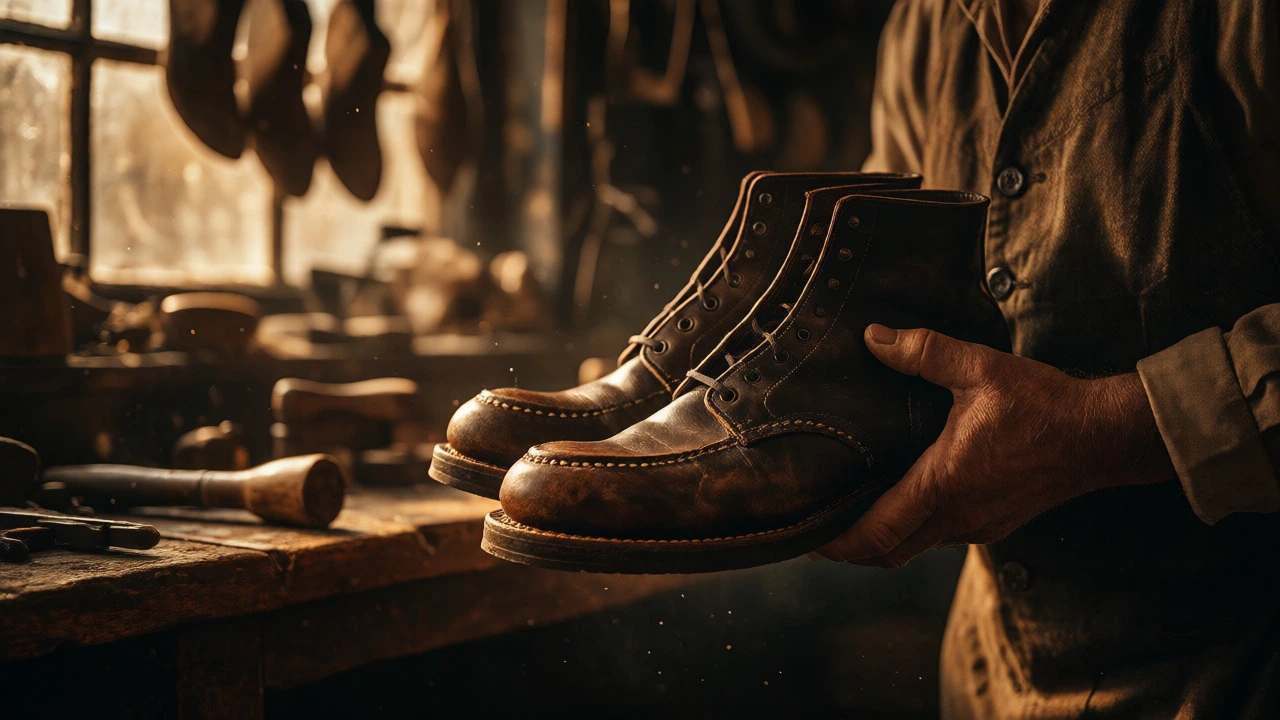
You’re standing in a cobbler’s shop in York, holding a pair of boots that look like they’ve walked through centuries. The leather has a patina you can’t fake, and the stitching feels hand-done because it was. You ask the old man behind the counter, "Who made these?" He smiles and says, "They didn't just make them; they invented the idea of making them." This isn't just about fashion; it's about survival, craftsmanship, and the few brands that have managed to outlive empires. If you've ever wondered what is the oldest leather shoe brand, you're asking about more than a date on a label. You're asking about which companies survived wars, industrial revolutions, and the rise of fast fashion.
The answer isn't as simple as pointing to one logo. It depends on what you count as a "brand" versus a "maker." Some names are older than the United States. Others were founded by people who are now historical footnotes, yet their shoes still sit on shelves today. Let's cut through the marketing fluff and look at the actual contenders for the title of the world's oldest active leather shoe maker.
The Contenders: Who Has Been Making Shoes the Longest?
When we talk about heritage, we usually think of luxury. But longevity in footwear often comes from utility. The oldest surviving leather shoe brands aren't always the most expensive ones you see in magazines. They are often the ones that supplied armies, workers, or explorers. Here are the heavy hitters in the race for historical supremacy.
John Lobb is a British bespoke shoemaker founded in 1866. While not the absolute oldest, it holds a unique place in history as the first major luxury brand to achieve global recognition. Founded by John Lobb, an Irishman who moved to London after winning a gold medal at the Great Exhibition of 1851, the brand set the standard for fit and finish. Today, owned by Hermès, it remains a benchmark for quality. However, if we are looking strictly at age, John Lobb is beaten by several others.
Crockett & Jones is an English manufacturer established in 1879. They started in Northampton, the heart of England's shoemaking industry. Unlike some competitors that faded into obscurity, Crockett & Jones maintained continuous production. They are famous for supplying James Bond with his footwear in recent films, bridging the gap between Victorian-era craft and modern spy chic. Their survival is a testament to consistent quality rather than aggressive marketing.
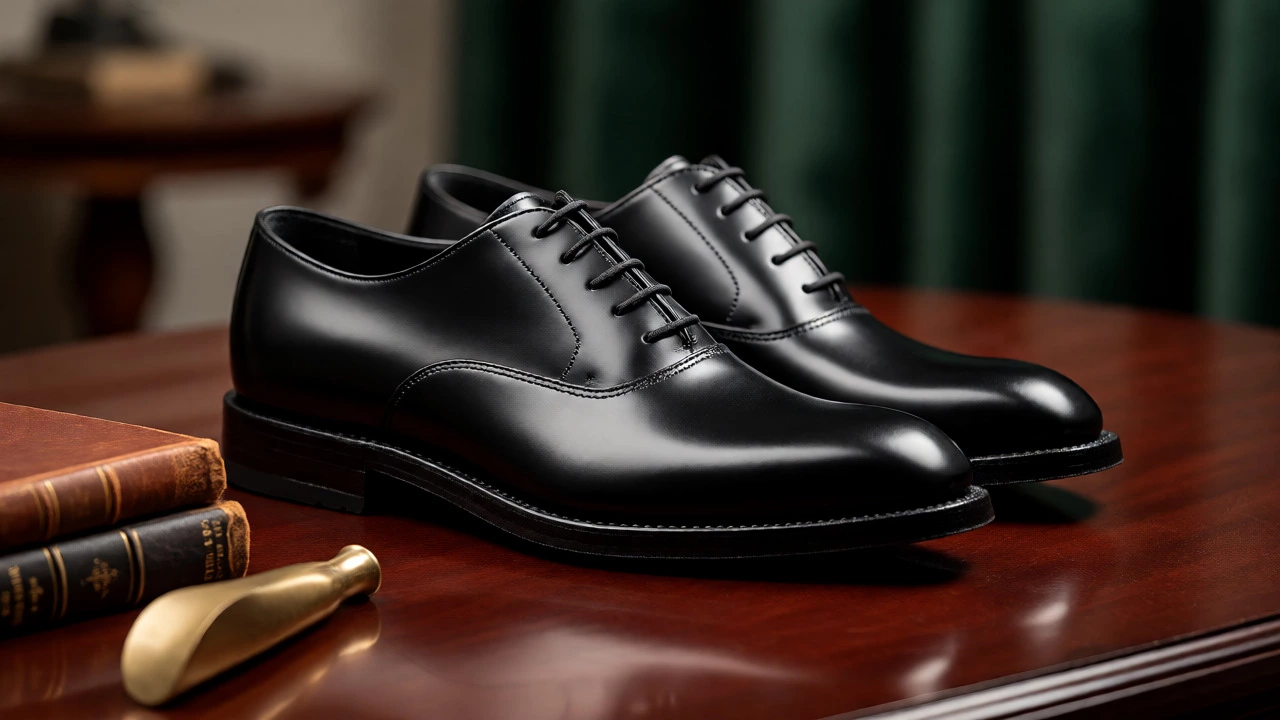
Church's is a Northampton-based brand founded in 1873. Before being acquired by Prada (and later sold to private equity), Church's was synonymous with the classic Oxford. They pioneered the use of Goodyear welting on a mass-production scale, making high-quality leather shoes accessible to the middle class. Their history is deeply tied to the Industrial Revolution, transitioning from small workshops to factory floors without losing their identity.
But wait-aren't there older ones? Yes. And this is where it gets interesting. Many of the oldest makers didn't start as consumer brands. They started as supply chains.
Pre-Industrial Makers and Guilds
To find truly ancient lineage, you have to look before the concept of a "brand" existed. In the 17th and 18th centuries, shoes were made by guilds. Individual cobblers had names, but those names rarely survived. However, a few entities transitioned from guild members to commercial entities early enough to claim seniority.
Berluti is an Italian leather goods company founded in 1895. While younger than the British giants mentioned above, Berluti revolutionized men's footwear by introducing patina finishes. Founded by Alessandro Berluti in Paris, the brand focuses on single-piece leather construction. It represents the shift from purely functional footwear to artistic expression. Though not the oldest, its influence on how we perceive leather aging is unmatched.
Edward Green is a luxury shoemaker based in Northampton, founded in 1890. Edward Green is often cited as the pinnacle of ready-to-wear quality. They produce fewer pairs per year than larger competitors, focusing on meticulous hand-finishing. Their "Magnetic Sole" technology and use of rare leathers keep them relevant. Being over 130 years old puts them in the upper echelon of heritage brands, competing directly with Church's and Crockett & Jones.
Then there are the American pioneers. Alden Shoe Company is a US-based manufacturer founded in 1884. Alden is famous for its cordovan leather shoes, which come from horsehide, not cowhide. They survived the decline of the American manufacturing sector by sticking to high-end retail partnerships. For collectors, Alden represents the last bastion of true American-made dress shoes.
Why Did So Many Old Brands Disappear?
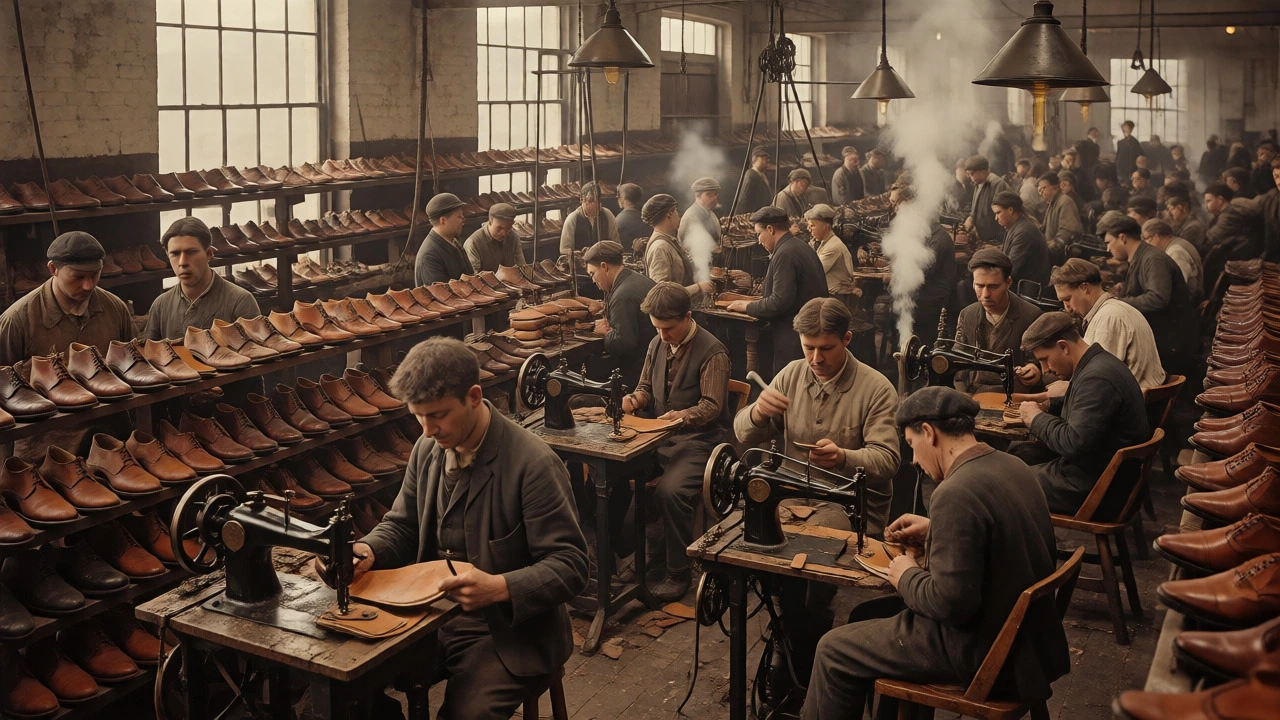
You might wonder why we don't hear about shoe brands from the 1600s. The truth is brutal: economics killed them. Before the mid-19th century, shoes were custom-made or bought second-hand. There was no mass market. The invention of the sewing machine and the vulcanization of rubber changed everything.
Three factors wiped out the majority of pre-1850 shoemakers:
- Standardization: Once factories could produce sizes S, M, and L, individual cobblers couldn't compete on price.
- Global Supply Chains: Leather tanning became industrialized. Small tanneries closed, forcing small shoe makers to buy from large suppliers, losing their unique material edge.
- War and Destruction: Two World Wars devastated European manufacturing hubs. Many family-owned businesses lost their records, their staff, and their capital. Only those with strong financial backing or royal warrants survived.
This is why the list of "active" old brands is short. Survival required adapting to industrialization while retaining artisanal appeal. Those that stayed too traditional went bankrupt. Those that went fully industrial lost their soul and became commodity sellers, eventually absorbed by conglomerates.
How to Spot Genuine Heritage vs. Marketing Myths
Today, every new startup claims to have "heritage roots." Don't fall for it. A brand founded in 2010 cannot be 100 years old. But some newer brands buy the names of defunct companies. How do you know if you're buying real history or a trademark?
Check these three things:
- Manufacturing Location: True heritage brands usually still manufacture in their original region. Look for "Made in Northampton," "Made in Italy," or specific regional labels. If a British brand makes its shoes in China, the heritage is diluted.
- Construction Method: Old-school quality relies on Goodyear welt or Blake stitch construction. If the sole is glued (cemented), it's likely a modern cost-cutting measure, regardless of the brand's age.
- Leather Source: Heritage brands often name their tanneries (e.g., Horween, Charles F. Stead). New brands rarely disclose this detail because they buy generic bulk leather.
For example, if you see a pair of "vintage-style" boots from a mall brand, check the inside tag. Does it say "Established 1890"? Verify that against public business registries. Often, the number is just a marketing gimmick attached to a recently purchased name.
Comparison of Leading Heritage Brands
Here is a quick breakdown of the top contenders for the title of oldest active leather shoe brand, along with their key attributes.
| Brand | Founded | Origin | Key Innovation | Status |
|---|---|---|---|---|
| John Lobb | 1866 | UK/France | Bespoke Fit Standard | Active (Hermès Group) |
| Church's | 1873 | UK | Mass Production Quality | Active |
| Crockett & Jones | 1879 | UK | Consistent Craftsmanship | Active |
| Alden | 1884 | USA | Cordovan Leather Use | Active |
| Edward Green | 1890 | UK | Hand-Finished RTW | Active |
| Berluti | 1895 | France | Patina Finishes | Active (LVMH) |
Note that dates refer to the founding of the current commercial entity. Some predecessors may have existed earlier, but continuity is key to claiming the title.
What About Women's Footwear?
Most discussions about old shoe brands focus on men's oxfords and brogues. Why? Because women's fashion changes faster. Trends in heels, silhouettes, and materials shift every decade. Men's formal wear has remained relatively static since the 19th century, allowing brands to perfect a single design for generations.
However, brands like Ferragamo is an Italian luxury house founded in 1927. While younger than the 19th-century makers, Ferragamo revolutionized women's footwear with anatomical designs and innovative materials like cork and wood. Salvatore Ferragamo started by making shoes for Hollywood stars, blending engineering with art. His legacy proves that innovation can create heritage just as effectively as tradition.
If you're looking for the oldest women's-specific brand, the list is shorter and less documented. Most early women's shoes were made by generalist cobblers or specialized departments within men's houses. The separation of men's and women's branding is largely a 20th-century phenomenon.
Buying Advice: Is Old Really Better?
So, should you spend $800 on a pair of Church's from 1873 lineage instead of $150 on a modern brand? Not necessarily. Age doesn't guarantee comfort. Modern ergonomics have improved significantly. A 19th-century shoe shape might pinch your toes because it was designed for different socks and walking styles.
Buy heritage brands for these reasons:
- Resoleability: Goodyear-welted shoes from these brands can be resoled 5-10 times. Over 20 years, they become cheaper than buying cheap shoes annually.
- Leather Quality: Full-grain vegetable-tanned leather ages beautifully. It molds to your foot and develops a unique character.
- Timeless Style: These designs won't look dated in five years.
Avoid them if:
- You need immediate comfort without break-in time.
- You prefer lightweight, sneaker-like flexibility.
- You don't care about maintenance (polishing, cedar trees).
In York, I see many young professionals wearing vintage-inspired sneakers. That's fine. But when it's time for a wedding or a serious meeting, nothing beats the confidence of slipping into a pair of shoes that carry 150 years of accumulated knowledge. You aren't just buying leather; you're buying a piece of history that fits your feet.
Frequently Asked Questions
Which is the oldest leather shoe brand still in operation?
While definitions vary, John Lobb (founded 1866) is often cited among the oldest globally recognized luxury brands. However, other manufacturers like Church's (1873) and Crockett & Jones (1879) are also extremely old and actively producing shoes. Some smaller, regional makers may have earlier origins but lack global brand recognition.
Are old shoe brands better quality than new ones?
Generally, yes, regarding materials and construction methods like Goodyear welting. Heritage brands use higher-grade full-grain leathers and hand-finishing techniques that mass-market brands skip to save costs. However, modern brands often offer better initial comfort and lighter weights due to advances in foam and synthetic materials.
Why are so many old shoe brands from Northampton, UK?
Northampton became the center of British shoemaking during the Industrial Revolution due to its access to water power for tanneries and skilled labor pools. By the late 19th century, it had a dense ecosystem of tanners, last-makers, and stitchers, allowing brands like Church's and Crockett & Jones to thrive locally.
Can I still buy shoes from the original founders' era?
You can buy models that are direct descendants of those eras. For example, Church's 'Shannon' or John Lobb 'William' designs have changed very little in over a century. However, you cannot buy a shoe made in 1873 off the shelf; you must purchase a newly manufactured pair using those historic patterns.
What is the difference between a brand and a maker?
A maker physically constructs the shoe. A brand markets and sells it. Historically, these were the same. Today, many brands outsource manufacturing. When evaluating age, ensure the brand still controls its production or uses trusted partners, otherwise, the 'heritage' is just a label on a outsourced product.