
T-Shirt Quality Estimator
Configure Your T-Shirt Specs
Select Options
Adjust the settings on the left and click Estimate to see how your t-shirt stacks up against industry standards.
Quality Breakdown
- Fabric: -
- Weight: -
- Construction: -
You’ve probably bought that one perfect white tee. It fits like a glove, feels cool against your skin, and holds its shape after ten washes. Then you buy another one from a different brand, and it shrinks, pills, or turns see-through in the chest by next week. The difference isn’t magic; it’s manufacturing science. When people ask what the highest quality of a t-shirt is, they are usually looking for a single answer, but there isn’t one. Quality is a combination of fiber source, yarn spinning method, fabric weight, and how the shirt is assembled.
If you want a shirt that lasts years instead of months, you need to look past the logo on the tag. You need to understand what makes a fabric durable and comfortable. Let’s break down the specific elements that separate a disposable fast-fashion item from a wardrobe staple that actually earns its price tag.
The Fiber Source: Not All Cotton Is Created Equal
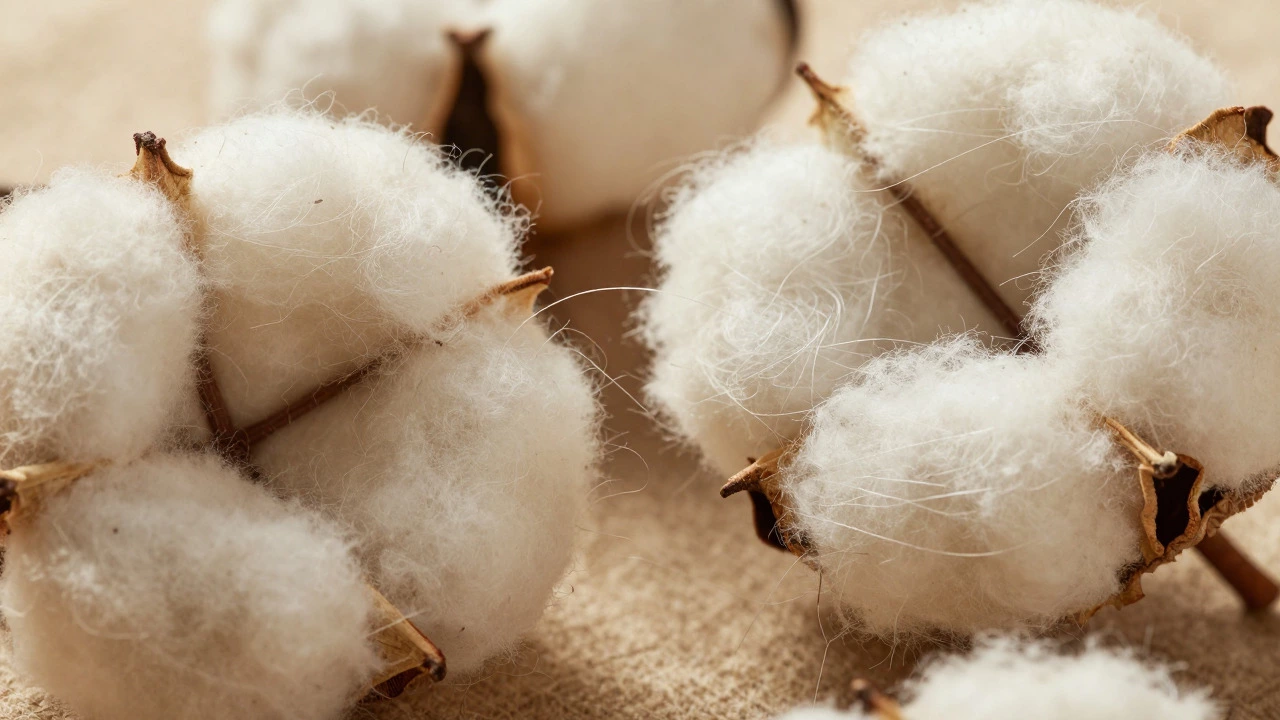
The most common material for high-quality tees is cotton, but the type of cotton matters immensely. Generic cotton often uses shorter fibers, which leads to pilling-that annoying fuzziness that appears after a few wears. High-end brands typically use long-staple cotton varieties.
Pima Cotton is a premium variety of Gossypium barbadense cotton known for its extra-long staples, resulting in softer, stronger, and more lustrous fabric. Originating primarily from the United States, Peru, and Australia, Pima cotton fibers can be up to two inches long, compared to the half-inch length of standard Upland cotton. This length allows for smoother yarns with fewer loose ends, drastically reducing pilling.
Another contender is Supima Cotton, which is a trademarked term for 100% American-grown Pima cotton, certified by the Supima Association to ensure purity and quality standards. If you see the Supima label, you know exactly what you are getting: verified long-staple cotton grown in the US. Egyptian cotton is also famous, but without a certification mark, it can sometimes be diluted with shorter fibers during processing. Supima offers a level of traceability that generic "Egyptian cotton" labels often lack.
For those seeking something beyond traditional cotton, Bamboo Viscose is a semi-synthetic fiber made from bamboo pulp, known for its silk-like softness, breathability, and natural antibacterial properties. While not as durable as heavy cotton for rugged wear, bamboo blends offer superior moisture-wicking and a drape that feels luxurious. However, pure bamboo shirts can be delicate and may require gentle washing cycles to maintain their integrity over time.
Yarn Spinning Techniques: Ring-Spun vs. Open-End
Once the raw cotton is harvested, it must be spun into yarn. This step is where many budget manufacturers cut corners. Cheap t-shirts often use open-end spinning, a fast process that creates weaker, hairier yarns. These shirts feel rough initially and degrade quickly.
The gold standard for quality is Ring-Spun Cotton, which is a yarn production method where fibers are drawn, twisted, and wound around a ring spinner, creating a finer, stronger, and softer thread than conventional methods. In this process, the fibers are combed to remove short strands before being twisted tightly. The result is a yarn that is smoother to the touch and significantly more resistant to breaking. If a shirt doesn’t say "ring-spun," it is likely using a cheaper alternative that won’t hold up to repeated laundering.
Some ultra-premium brands take this further with Combed Cotton, which is cotton yarn that has undergone an additional combing process to remove impurities and short fibers, resulting in an exceptionally smooth and strong final product. Combed cotton is often combined with ring-spinning to create fabrics that are incredibly soft yet durable. This is why some expensive tees feel like butter right out of the package-they have been processed to eliminate every possible rough edge at the microscopic level.
Fabric Weight: Finding the Sweet Spot
Weight is measured in grams per square meter (GSM) or ounces per square yard. This number tells you how thick and dense the fabric is. A low GSM means a thin, flimsy shirt. A very high GSM means a stiff, heavy shirt that might feel like armor in summer.
| GSM Range | Ounces | Characteristics | Best Use Case |
|---|---|---|---|
| 120-140 GSM | 3.5-4 oz | Thin, breathable, prone to transparency | Hot climates, layering under suits |
| 160-180 GSM | 4.7-5.2 oz | Balanced, soft, moderate durability | Everyday casual wear, office casual |
| 190-220 GSM | 5.6-6.5 oz | Heavy, opaque, structured, durable | Streetwear, standalone wear, longevity |
| 250+ GSM | 7.3+ oz | Very thick, stiff, slow drying | Winter layers, specific aesthetic styles |
For most people, the sweet spot for a high-quality everyday tee is between 180 and 200 GSM. This weight provides enough opacity so your nipples aren’t on display, while still allowing air circulation. Brands like Uniqlo’s U line or higher-end options from Sunspel often hit this range. If you live in a humid climate, you might prefer the lighter 160 GSM option, but avoid anything below 140 GSM if you want the shirt to last more than a season.
Dyeing Methods: Garment-Dyed vs. Piece-Dyed
How the color gets onto the fabric changes how the shirt ages. Most mass-market shirts are piece-dyed, meaning the fabric is dyed in large rolls before being cut and sewn. This results in uniform color but can lead to fading in a flat, unnatural way over time.
Garment Dyeing is a process where fully constructed t-shirts are dyed together in batches, resulting in unique color variations, softer hand-feel, and a vintage aesthetic that improves with age. Because the threads are already knitted and sewn, the dye penetrates differently, creating subtle tonal shifts. Garment-dyed shirts also tend to feel softer because the dyeing process acts as a secondary washing cycle that relaxes the fibers. Brands like Stüssy and Carhartt WIP popularized this technique for streetwear, but luxury brands use it to achieve a lived-in look from day one. The trade-off is that garment-dyed shirts may shrink slightly more during the first wash, so sizing up is often recommended.
Construction Details That Matter
A great fabric can be ruined by poor stitching. Look closely at the seams. Cheap shirts use single-needle stitching that can unravel if a thread pulls. High-quality shirts use Flatlock Stitching, which is a seam construction technique where two pieces of fabric are joined with interlocking stitches on both sides, creating a flat, durable seam that reduces chafing. This is especially important along the side seams and shoulders. Flatlock seams lie flat against the skin, preventing irritation and adding structural integrity.
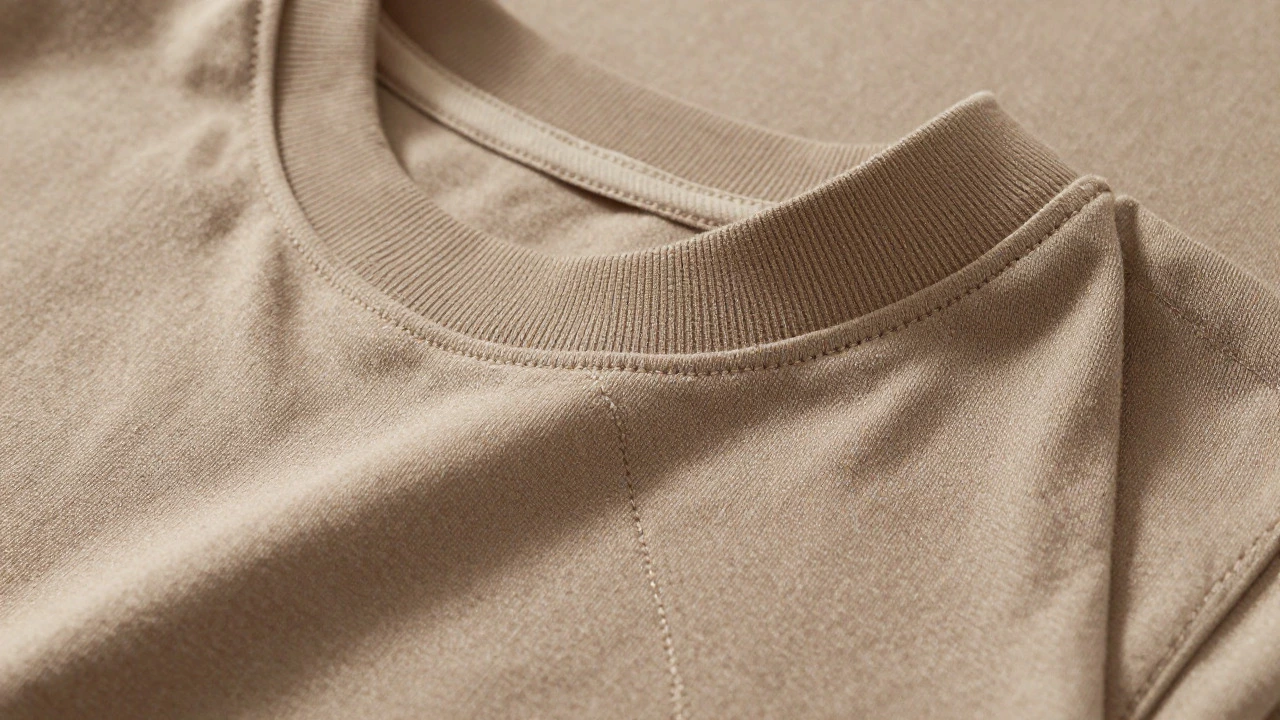
Pay attention to the collar. The neckband is the first part of a t-shirt to fail. Budget shirts use a simple rib knit that stretches out and waves after a few wears. Premium shirts use reinforced collars, often with internal elastic or double-layered ribbing. Some high-end brands even use a "bound" neckline, where a strip of fabric wraps around the edge of the neck hole. This adds significant durability and keeps the shape intact for years. Check the hem as well. A clean, tight stitch with no loose threads indicates careful quality control.
Sustainability and Ethical Production
In 2026, quality also encompasses environmental impact. The fashion industry is under scrutiny for water usage and chemical pollution. Organic cotton requires less water and no synthetic pesticides, making it a healthier choice for farmers and ecosystems. Look for certifications like GOTS (Global Organic Textile Standard), which is a comprehensive certification that ensures textiles meet strict environmental and social criteria throughout the entire supply chain. GOTS certification guarantees that the cotton is organic and that the workers were paid fair wages in safe conditions.
Recycled polyester blends are also becoming common in performance tees. While not as breathable as pure cotton, recycled materials reduce plastic waste. However, for a classic crew neck, organic ring-spun cotton remains the top choice for combining comfort, durability, and ethics.
How to Maintain Your Investment
Even the best t-shirt will deteriorate if treated poorly. Wash your tees inside out to protect the outer surface from abrasion. Use cold water to prevent shrinking and fading. Avoid high-heat drying; instead, hang them to dry or use the lowest heat setting. Heat is the enemy of cotton elasticity. If you iron your shirts, do so inside out on a medium setting to avoid shine marks on the fabric.
Rotate your shirts. Wearing the same tee two days in a row puts stress on the fibers and accelerates wear. Give each shirt a rest day to allow the fibers to recover their shape. With proper care, a high-quality ring-spun, garment-dyed cotton tee can last five years or more, making the higher upfront cost negligible when calculated per wear.
Is 100% cotton always the best quality for a t-shirt?
Not necessarily. While 100% cotton is breathable and natural, it can wrinkle easily and shrink. For active wear or travel, a blend with a small percentage of elastane (spandex) or polyester can improve stretch recovery and durability. However, for classic casual wear, 100% long-staple cotton like Pima or Supima is generally considered the highest quality due to its softness and breathability.
Why do some expensive t-shirts feel thinner than cheap ones?
Luxury brands often prioritize a lightweight, airy feel that drapes elegantly over the body. They achieve this through high-quality long-staple fibers that are strong despite being fine. A thin shirt made from inferior cotton will tear, but a thin shirt made from high-grade Pima cotton will be durable and comfortable. The key is the fiber strength, not just the thickness.
What does "pre-shrunk" mean on a t-shirt label?
Pre-shrunk means the fabric has been mechanically or chemically treated to reduce future shrinkage. While this helps, it doesn’t eliminate it entirely. Even pre-shrunk cotton can shrink 3-5% in the first wash if exposed to hot water. To maintain size, always wash in cold water and avoid high-heat drying.
Are organic cotton t-shirts less durable than conventional ones?
No. Organic cotton uses the same plant species as conventional cotton, just grown without synthetic pesticides. The durability depends on the fiber length and spinning method, not the farming chemicals. In fact, organic fibers can sometimes be stronger because they are not weakened by harsh chemical treatments during processing.
How can I tell if a t-shirt is garment-dyed?
Look for slight color variations across the shirt, such as darker areas around the seams or pockets. The texture often feels softer and more relaxed right out of the package. Additionally, garment-dyed shirts may have a slightly uneven hem or neckline due to the stretching that occurs during the dyeing process. Labels often explicitly state "garment-dyed" as a selling point.