
Activewear vs. Athleisure Classifier
Confused by the tags? Use this tool to determine the correct industry term for your clothing based on how you plan to use it.
Select options on the left to see the classification.
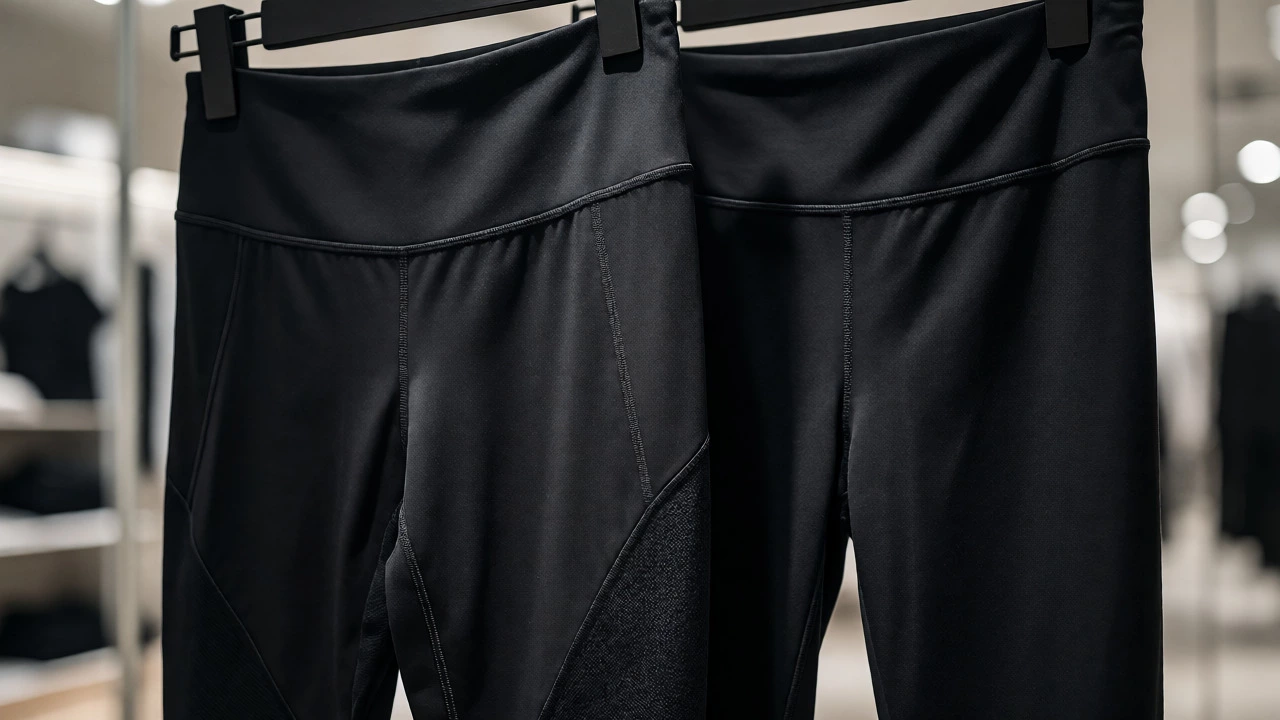
You’re standing in a department store, staring at two identical-looking leggings. One tag says activewear. The other says athleisure. You want to buy them both, but you don’t know which one is actually better for your morning run versus your coffee date. This confusion isn’t just about marketing; it’s about a specific shift in how we talk about clothes that move with us.
The short answer? There isn’t just one term. But if you’re looking for the precise fashion industry label for clothing designed for sports and exercise, it’s Athletic Wear, often shortened to Activewear. However, when those same clothes are worn outside the gym, they fall under Athleisure. Knowing the difference saves you money and prevents you from wearing sweat-wicking polyester to a formal dinner.
The Core Definition: What Is Athletic Wear?
Athletic wear is apparel specifically engineered for physical activity, prioritizing performance features like moisture management, flexibility, and durability over aesthetic trends. Think of it as functional gear first, fashion second. When Nike launched its early running lines, the goal wasn’t to look cool on Instagram; it was to keep runners dry and prevent chafing during long distances.
This category includes items where the fabric technology matters more than the cut. If you can’t squat in it without worrying about a seam popping, or if it doesn’t wick sweat away from your skin within seconds, it’s probably not true athletic wear. It’s just casual clothing that happens to look sporty.
Key Characteristics of True Athletic Wear
- Moisture-Wicking Fabrics: Materials like polyester blends and nylon pull sweat away from the body to evaporate quickly.
- Four-Way Stretch: The fabric moves in all directions, allowing for full range of motion during yoga or weightlifting.
- Seam Construction: Flatlock seams reduce friction against the skin, preventing irritation during repetitive movements.
- Breathability Zones: Mesh panels are strategically placed in high-heat areas like the back and underarms.
The Rise of Athleisure: Where Fashion Meets Function
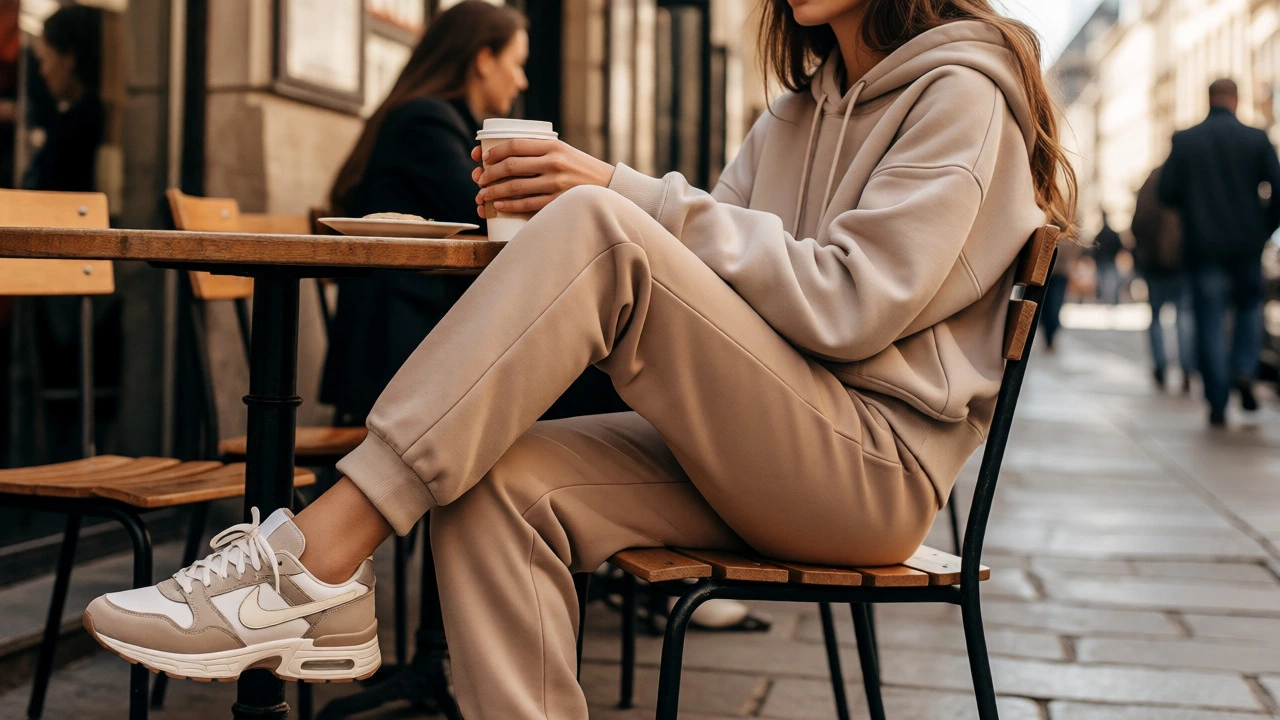
If athletic wear is the tool, Athleisure is the lifestyle. This portmanteau of "athletic" and "leisure" describes clothing that borrows the comfort and silhouette of sportswear but is designed for everyday use. You might wear athleisure to the grocery store, a casual office, or a brunch spot.
The line blurs because brands started making athletic pieces that looked good enough to leave the gym in. Suddenly, leggings weren’t just for Pilates; they were pants. Hoodies weren’t just for warming up; they were outerwear. This shift created a massive market segment that dominates modern wardrobes.
| Feature | Athletic Wear | Athleisure |
|---|---|---|
| Primary Purpose | Performance & Exercise | Comfort & Style |
| Fabric Focus | Technical (Sweat-wicking, Quick-dry) | Cotton Blends, Soft Synthetics |
| Durability | High (Resists stretching/washing) | Moderate (May pill or fade faster) |
| Typical Setting | Gym, Track, Field | Home, Errands, Casual Work |
| Price Point | Variable (Based on tech) | Premium (Brand-driven) |
Sportswear: The Umbrella Term
You’ll also hear the word Sportswear. In strict retail terms, this is the broader category that encompasses everything from professional uniforms to weekend joggers. While "athletic wear" focuses on the *activity*, "sportswear" often refers to the *brand ecosystem* or the general industry.
For example, Adidas is a sportswear company. They sell athletic wear (performance jerseys) and athleisure (classic tracksuits). If you search for "sportswear," you’re likely looking for the entire sector. If you search for "athletic wear," you’re likely looking for gear to help you perform better in a specific sport.
Why the Distinction Matters for Your Wallet
Here’s the trap: Many athleisure items are priced higher than genuine athletic wear because of brand hype, not better technology. A pair of designer "gym leggings" might cost $100 but be made of standard cotton-poly blend. A pair of technical running tights might cost $40 but feature advanced compression and ventilation.
When you shop, ask yourself: Am I buying this for how it looks, or for how it performs? If you’re hitting the treadmill three times a week, invest in the technical specs. If you’re working from home and want to feel cozy, athleisure is your friend.

Other Related Terms You Should Know
The vocabulary around moving clothes has expanded beyond just these three terms. Understanding the nuances helps you communicate what you need, whether you’re shopping online or talking to a stylist.
- Performance Apparel: Synonymous with high-end athletic wear. This term is often used by brands selling specialized gear for triathletes, marathon runners, or cross-fit athletes. It implies a higher level of engineering.
- Streetwear: While distinct, streetwear heavily influences modern athleisure. Think oversized hoodies and sneaker culture. It’s less about sweat management and more about cultural signaling.
- Compression Gear: A subset of athletic wear designed to apply pressure to muscles, potentially aiding recovery and circulation. It’s tight, restrictive, and purely functional.
- Yoga Pants/Leggings: Often marketed as athleisure, but technically athletic wear if they have a gusseted crotch and squat-proof opacity. Check the product details carefully.
How to Identify Quality Athletic Wear
Don’t rely on the name alone. Look at the label. High-quality athletic wear will list specific fabric technologies. Instead of just "Polyester," look for branded materials like Nike Dri-FIT, Lululemon Luon, or Under Armour HeatGear. These names indicate proprietary blends tested for specific performance metrics.
Check the GSM (Grams per Square Meter) if available. Lower GSM means lighter, more breathable fabric, ideal for hot yoga or summer runs. Higher GSM indicates thicker, warmer material, better for cold-weather training. Also, look for UPF ratings if you train outdoors; a UPF 50+ rating blocks harmful UV rays.
Common Mistakes When Buying Athletic Wear
One major error is buying cotton for intense workouts. Cotton absorbs sweat and stays wet, leading to chafing and discomfort. Save cotton for low-intensity activities or post-workout lounging. Another mistake is ignoring fit. Athletic wear should fit snugly but not restrict blood flow. If you see red marks after ten minutes, it’s too tight. If it slides down while you’re jumping, it’s too loose.
Also, consider the wash care. Technical fabrics degrade if washed with fabric softeners, which coat the fibers and block moisture-wicking properties. Wash athletic wear in cold water and skip the dryer when possible to extend its life.
Final Thoughts: Choosing the Right Label
So, what is the fashion term for athletic wear? It depends on your intent. Use Athletic Wear when discussing performance gear. Use Athleisure when discussing the trend of wearing gym clothes casually. Use Sportswear when referring to the industry or broad categories.
Your wardrobe needs both. Keep your technical kit for the gym, where it can do its job. Keep your stylish athleisure for the rest of your day, where comfort rules. By understanding these terms, you stop guessing and start curating a closet that works as hard as you do.
Is athleisure considered athletic wear?
Not strictly. Athleisure is inspired by athletic wear but is designed for leisure activities. While some athleisure items have performance features, many prioritize style and comfort over technical functions like sweat-wicking or compression.
Can I wear athletic wear to work?
It depends on your workplace dress code. In creative or casual offices, sleek athletic wear (like black leggings and a structured top) is often acceptable. In traditional corporate environments, stick to athleisure pieces that mimic traditional trousers or skirts, such as tailored joggers or polo shirts.
What is the difference between sportswear and athletic wear?
Sportswear is a broad industry term covering all clothing associated with sports, including team uniforms and casual fan merchandise. Athletic wear is a specific subset focused on individual performance and functionality during exercise. All athletic wear is sportswear, but not all sportswear is athletic wear.
Why is athleisure so expensive?
Premium athleisure prices are driven by brand value, marketing, and sometimes higher-quality natural fiber blends (like organic cotton or merino wool) that offer comfort but may lack the extreme durability of synthetic performance gear. You are paying for the aesthetic and status as much as the function.
Does athletic wear shrink?
Synthetic athletic wear generally resists shrinking if washed correctly. However, items with spandex or elastane content can lose elasticity and appear shrunken or baggy if exposed to high heat in the dryer. Always follow care labels to maintain fit.