
Athletic Style Fabric & Fit Checker
Check Your Clothing
Enter details about your clothing item to see if it meets authentic athletic style criteria.
Authentic Athletic Style
This item meets all criteria for authentic athletic style.
Not Authentic Athletic Style
This item doesn't meet all athletic style criteria. Here's what's missing:
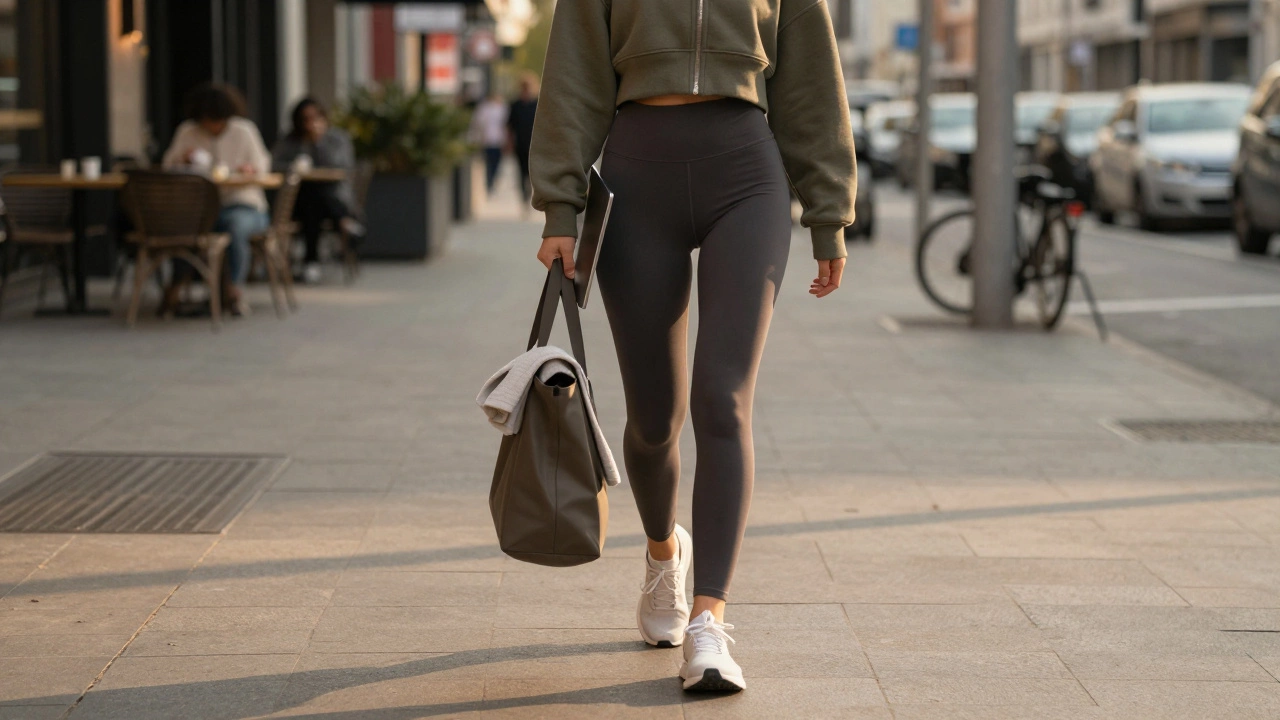
When you see someone in leggings, a cropped hoodie, and chunky sneakers walking to the coffee shop, you don’t call it ‘casual.’ You don’t call it ‘streetwear’ either. There’s a name for this look - and it’s not just about clothes you sweat in. It’s athletic style, and it’s taken over how people dress every day.
What Exactly Is Athletic Style?
Athletic style isn’t just sportswear you wear to the gym. It’s a fashion language built from performance fabrics, clean lines, and functional details. Think moisture-wicking fabric, elastic waistbands, flatlock seams, and breathable mesh panels - but styled so it looks intentional, not like you just rolled out of bed after a workout.
This look didn’t come from a runway. It came from athletes, fitness influencers, and everyday people who realized their gym clothes were more comfortable - and more stylish - than their jeans. By the early 2020s, brands like Lululemon, Nike, and Adidas stopped just making gear for training. They started making gear for living.
Today, athletic style means wearing technical fabrics in non-sport settings. You wear your compression tights to the office. You pair your running shoes with a tailored coat. You carry a gym bag that doubles as a work tote. The line between performance and fashion isn’t blurred anymore - it’s gone.
How Athletic Style Differs From Regular Sportswear
There’s a big difference between sportswear and athletic style. Sportswear is gear designed for a specific activity: basketball shorts for playing basketball, swimming caps for laps in the pool. It’s functional first, style second - if at all.
Athletic style flips that. It takes the best parts of sportswear - the stretch, the breathability, the minimalist design - and removes the cues that scream ‘I’m about to run a 5K.’ No logos on the chest. No neon colors. No visible tags. The goal isn’t to look like an athlete. It’s to look like someone who values comfort, quality, and quiet confidence.
Take leggings, for example. In 2015, they were mostly black, with a thick waistband and a single side seam. Today’s version has a seamless knit, a high-rise waist that doesn’t roll, and subtle tonal stitching. They’re made from recycled polyester, they don’t pill after three washes, and they look just as good with a blazer as they do with a tank top.
The Rise of Athleisure - And Why It’s Not the Right Term
You’ve probably heard the word ‘athleisure.’ It was everywhere in the 2010s. But it’s outdated. Athleisure suggested a hybrid - clothes you wear when you’re *between* activities. Like wearing yoga pants to run errands because you didn’t have time to change.
Athletic style doesn’t care about that in-between. It’s not a compromise. It’s a choice. People aren’t wearing these clothes because they’re lazy. They’re wearing them because they’re better. A study by McKinsey in 2024 found that 68% of consumers aged 18-35 now choose their daily outfit based on comfort and durability - not trends. And 72% of them said they’d pay more for clothing that performs as well as it looks.
That’s why brands like Vuori, Outdoor Voices, and Sweaty Betty stopped calling themselves ‘athleisure.’ They rebranded as ‘performance fashion.’ That’s the real name for this movement.
Key Elements of Athletic Style
If you want to build a wardrobe rooted in athletic style, here’s what actually matters:
- Fit that moves with you - No baggy shorts, no tight compression unless you’re training. The fit should feel like a second skin - not restrictive, not loose.
- Technical fabrics - Look for nylon-spandex blends, recycled polyester, or TENCEL™. Avoid 100% cotton. It holds sweat, gets heavy, and takes forever to dry.
- Minimal branding - A small logo on the hip or a subtle tag on the neck is fine. A giant logo across the chest? That’s sportswear. Not athletic style.
- Neutral tones - Charcoal, olive, cream, deep navy. Bright colors are for the track. Everyday athletic style leans toward muted, earthy palettes.
- Layering pieces - Lightweight zip-ups, cropped hoodies, and longline tees are the backbone. They transition from home to café to meeting without needing a full change.
What You Should Avoid
Even within athletic style, there are missteps. Here’s what doesn’t belong:
- Baggy basketball shorts with side stripes - too sport-specific
- Shiny metallic fabrics - they scream ‘dance class’ or ‘2008 gym’
- Overly padded sports bras worn as tops - unless you’re working out
- Logo-heavy tracksuits - those are for lounging, not living
- Flip-flops with compression socks - no matter how ‘on-trend’ it looks on Instagram
The goal isn’t to look like you’re dressed for a competition. It’s to look like you’re dressed for life - and life includes moving, breathing, and not feeling restricted.
Who’s Leading the Movement?
It’s not just the big names. Smaller brands are pushing athletic style further. Companies like Cuyana, AYR, and Everlane have launched lines that blend technical fabrics with minimalist design. Even luxury houses like Stella McCartney and Loro Piana now make performance pieces with cashmere-blend knits and water-repellent linings.
And it’s not just women. Men’s athletic style has exploded too. Think tailored joggers in matte black, lightweight wool-blend hoodies, and low-profile running shoes that look like dress loafers. The male version doesn’t use the word ‘athleisure’ either. It’s just called ‘modern casual.’
Why This Style Isn’t Going Away
Work-from-anywhere culture, the rise of hybrid lifestyles, and the demand for sustainable clothing all feed into athletic style’s staying power. People don’t want to buy 10 outfits for 10 occasions anymore. They want one wardrobe that works for everything.
Plus, the environmental impact matters. Athletic style pieces last longer. They’re designed to be washed often, worn daily, and hold up under stress. A pair of quality leggings from a performance brand can last 3-5 years with regular use. A cheap pair of jeans? Maybe 12 months before they’re threadbare.
And brands are responding. In 2025, 83% of major sportswear companies launched repair programs or recycling initiatives. That’s not marketing. That’s a shift in how they think about clothing.
How to Start Building Your Athletic Style Wardrobe
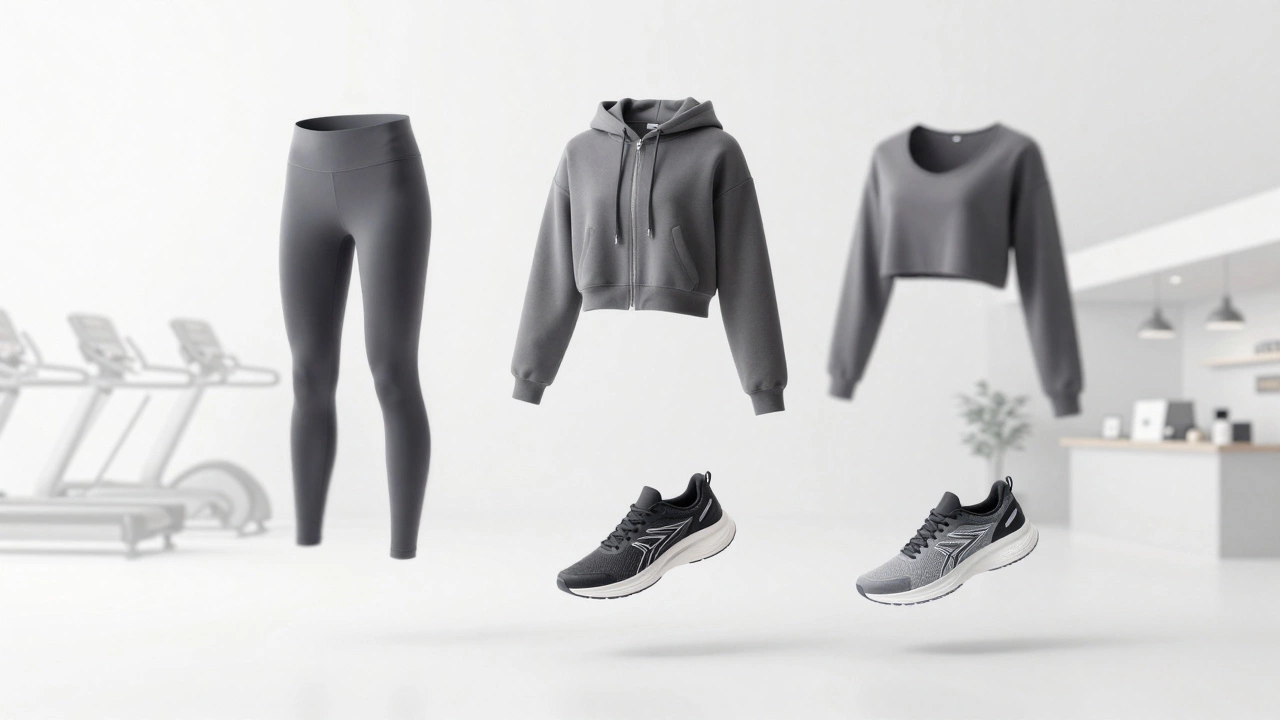
You don’t need to buy everything at once. Start with three core pieces:
- A pair of seamless, high-rise leggings in a neutral color
- A cropped, lightweight zip-up hoodie (no logos)
- A pair of minimalist running shoes - think Allbirds, On Cloud, or Nike Renew
Pair those with a simple cotton tee or a button-down shirt. Add a structured tote bag that can hold your laptop and your gym towel. That’s it. You’ve built a foundation that works for work, errands, brunch, and a quick workout.
Shop secondhand first. Brands like ThredUp and Poshmark have entire sections for performance wear. You can find Lululemon, Nike, and Vuori pieces in near-new condition for half the price.
Final Thought: It’s Not About the Clothes. It’s About the Mindset.
Athletic style isn’t about looking like you’re ready to run a marathon. It’s about choosing clothes that let you move through your day without thinking about them. That’s the real win. When your outfit doesn’t hold you back - whether you’re lifting weights, sitting in a Zoom meeting, or chasing your kid around the park - you’re not just dressed well. You’re dressed right.
Is athletic style the same as athleisure?
No. Athleisure was a trend from the 2010s that described wearing gym clothes in casual settings. Athletic style is a lasting fashion movement built on performance fabrics, clean design, and intentional wear - not just convenience. It’s not about mixing two worlds. It’s about creating one better one.
Can I wear athletic style to the office?
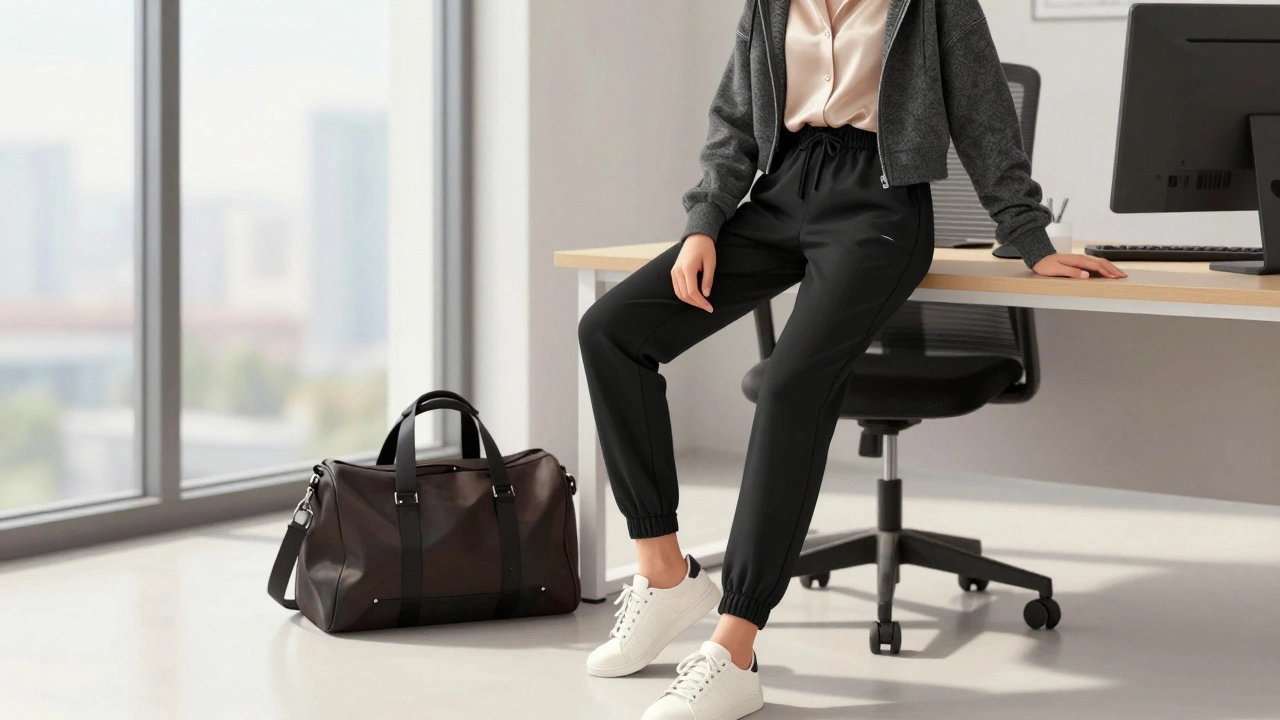
Yes, if your workplace allows casual dress. Many tech, creative, and startup offices now accept tailored joggers, structured hoodies, and minimalist sneakers. Pair them with a blazer or a silk blouse to elevate the look. Avoid overly technical gear like moisture-wicking tank tops unless they’re layered.
What fabrics should I look for in athletic style clothing?
Prioritize blends with recycled polyester, nylon, spandex, or TENCEL™. These fabrics wick moisture, resist odor, and hold their shape after washing. Avoid 100% cotton - it absorbs sweat, becomes heavy, and wrinkles easily. Look for terms like ‘four-way stretch’ and ‘flatlock seams’ on labels.
Are expensive brands like Lululemon worth it?
If you wear them daily, yes. A pair of Lululemon Align leggings costs $98 but can last 4-5 years with proper care. Cheaper leggings often pill, lose elasticity, or fade after 6-8 months. The upfront cost is higher, but the cost-per-wear is lower. Shop secondhand or wait for sales to reduce the price.
Can men wear athletic style too?
Absolutely. Men’s athletic style focuses on clean lines, neutral tones, and subtle performance details. Think tailored joggers, lightweight wool-blend hoodies, and low-profile sneakers. Brands like Vuori, AYR, and Uniqlo’s U series offer great options. It’s not about looking like a gym rat - it’s about looking like someone who moves well in everyday life.
Next Steps: What to Try This Week
If you’re new to athletic style, start simple. Pick one item - maybe a pair of leggings or a zip-up hoodie - and wear it for three days in a row. Notice how you feel. Do you move easier? Do you forget you’re wearing it? That’s the signal. That’s the point.
Don’t buy more. Just wear better. The right clothes don’t shout. They just let you be.