
Cocktail Attire Compliance Checker
Select Your Outfit Components
Ready to Party?
Select your outfit components and click "Check My Look" to see if you fit the cocktail dress code.
Feedback:
Imagine this: you’ve been invited to a wedding reception or a high-stakes corporate gala. You spend hours picking out the perfect outfit, only to arrive and feel like you’re wearing the wrong uniform. Maybe your dress is too casual, or perhaps your shoes are screaming 'beach day' instead of 'black tie optional.' It’s an awkward spot that nobody wants to be in.
Cocktail attire is one of the most confusing dress codes in existence. It sits right in the middle-more formal than business casual but less rigid than black tie. Because it’s a gray area, people often guess wrong. If you want to walk into any event with confidence, knowing what *not* to wear is just as important as knowing what to pick. Let’s clear up the confusion so you never have to second-guess your look again.
The Casual Trap: What Definitely Doesn’t Belong
The biggest mistake people make with cocktail attire is treating it like a Friday night out at a local bar. While the name suggests drinking cocktails, the dress code demands a level of polish that casual wear simply doesn’t provide. Your goal is to look elevated, not comfortable.
Here is the hard line you cannot cross:
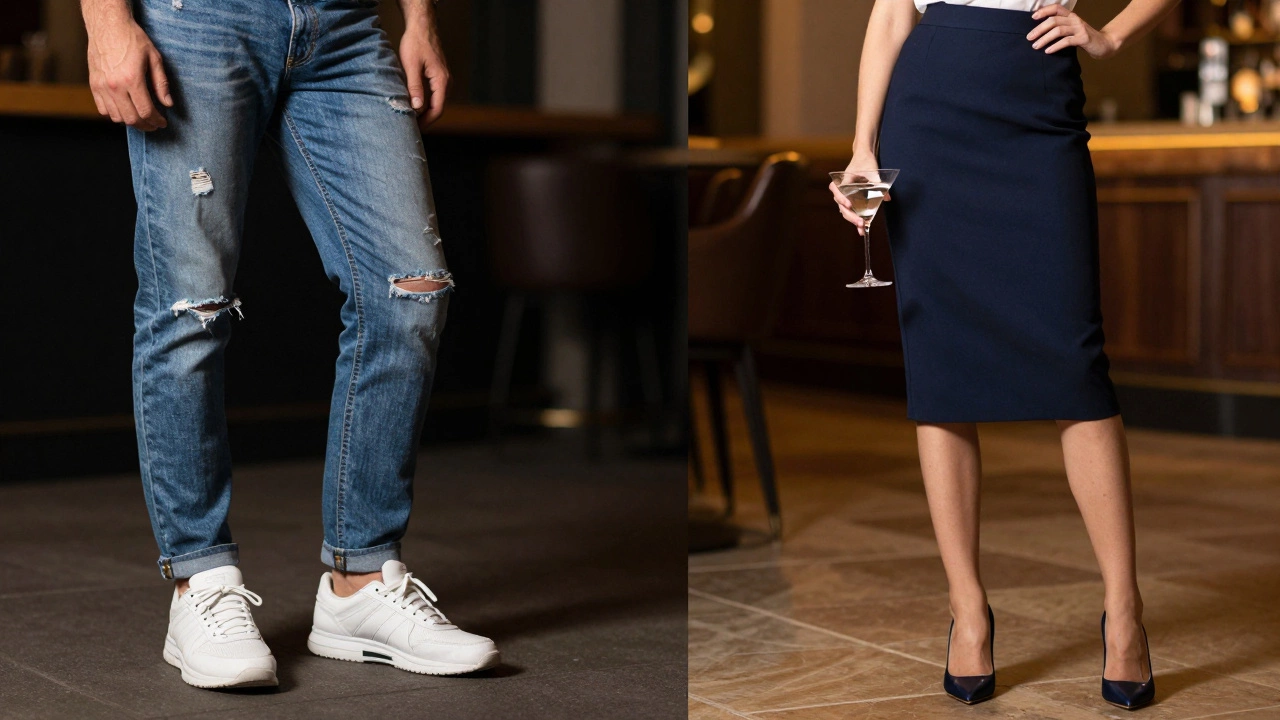
- Denim is a cotton twill fabric that is strictly forbidden in cocktail settings. No matter how expensive your jeans are, no matter if they are embellished with sequins or cut into a trendy silhouette, denim is too casual. It belongs in the daytime or weekend wardrobe, not in an evening cocktail ensemble.
- T-shirts are basic cotton tops that lack the structure required for formal events. Even if paired with a fancy skirt, a t-shirt signals a lack of effort. Opt for blouses, silk camisoles, or structured bodices instead.
- Shorts are casual legwear that is inappropriate for semi-formal gatherings. This applies to both men and women. Tailored trousers or a midi skirt are the correct alternatives.
- Sneakers are athletic footwear that clashes with the sophistication of cocktail wear. Unless you have a medical condition requiring them, leave the running shoes at home. Loafers, heels, or dressy flats are the way to go.
If you find yourself reaching for these items, stop. They anchor your look in the casual category, which will make you stand out for all the wrong reasons.
Fabric Faux Pas: Materials That Fail the Test
It’s not just about the cut of the garment; it’s about the texture and weight of the material. Cocktail attire relies on fabrics that catch the light and drape elegantly. When you choose the wrong fabric, even a well-cut dress can look cheap or out of place.
Avoid these materials at all costs:
- Jersey is a soft, stretchy knit fabric often used for sweatshirts and casual dresses. Jersey tends to wrinkle easily and lacks the crispness needed for formal events. It looks like loungewear, not party wear.
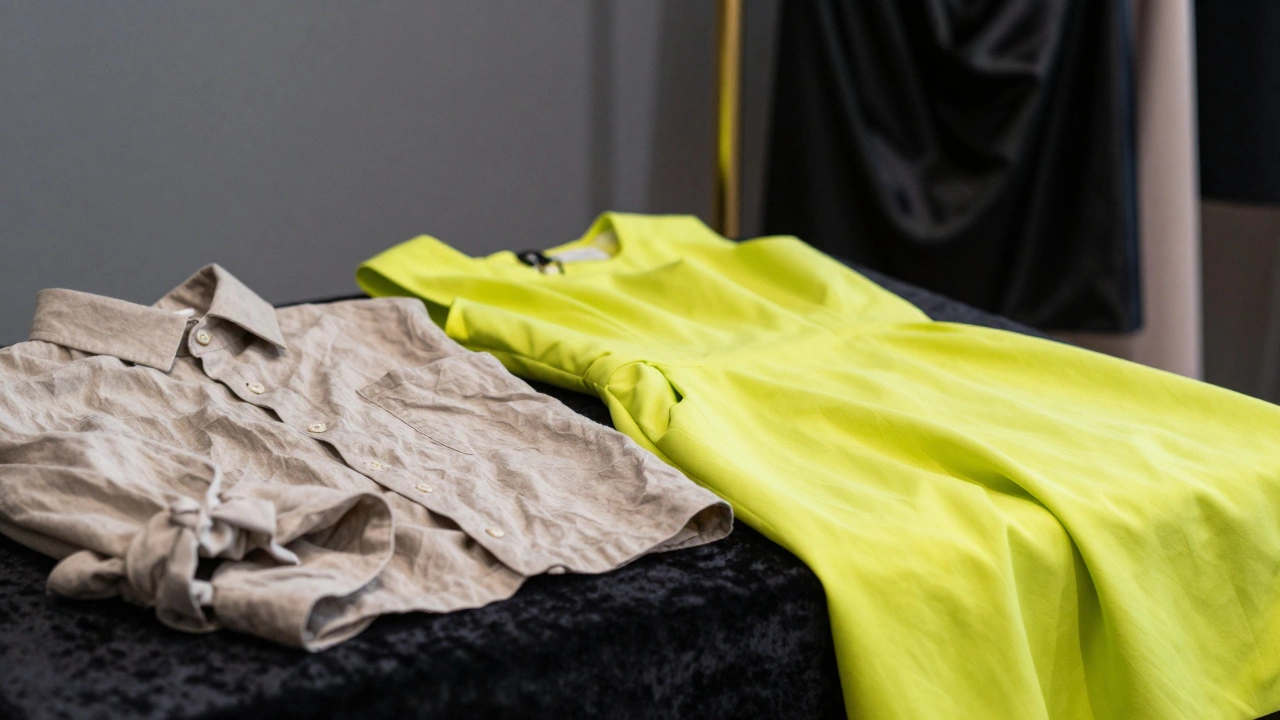
- Linen is a breathable natural fiber that wrinkles excessively and is best reserved for summer daytime events. While linen is great for a beach wedding during the day, it is too relaxed for an evening cocktail party. It creases within minutes of sitting down, making you look unkempt.
- Velvet is a plush fabric that is generally considered too heavy and formal for standard cocktail attire. Velvet is usually saved for winter galas or black-tie events. In a spring or summer setting, it can look overdressed and out of season.
Instead, look for satin, silk, chiffon, lace, or high-quality crepe. These fabrics have a sheen or structure that immediately elevates your appearance.
The Length Debate: Navigating Hemlines Correctly
One of the most debated aspects of cocktail attire is hemline length. There is a sweet spot here, and missing it can make you look either too sloppy or too severe. For women, the general rule is "knee-length or slightly below."
Here is what falls outside the acceptable range:
- Mini skirts are garments ending significantly above the knee that are often deemed too revealing for cocktail events. A mini dress might work for a club, but it rarely fits the sophisticated vibe of a cocktail party. Aim for a midi length (mid-calf) or a tea length (just below the knee).
- Floor-length gowns are long dresses designed for black-tie or white-tie events. Wearing a full-length gown to a cocktail party makes you look like you’re trying too hard or attending the wrong event. It draws attention away from the host and onto your outfit.
For men, the equivalent mistake is wearing shorts or overly long, baggy trousers. Trousers should hit the top of your shoe with a slight break, looking sharp and tailored.
Color and Pattern Pitfalls to Avoid
You might think color doesn’t matter as long as the fit is right, but in the world of cocktail attire, shade plays a huge role. Certain colors carry specific social signals that can clash with the event’s tone.
Be cautious with these choices:
- White is a color traditionally reserved for brides at weddings. Unless the invitation explicitly says "white party," avoid wearing head-to-toe white to a wedding-related cocktail event. It’s a major etiquette breach.
- Bright neon colors are vibrant hues that can appear loud and distracting in formal settings. Neon yellow or electric green might pop on Instagram, but in person, they can look garish. Stick to jewel tones, pastels, or classic neutrals like black, navy, and emerald.
- Graphic prints are bold patterns with logos, slogans, or cartoon imagery. A dress with a large brand logo or a funny slogan is too casual and juvenile. Abstract patterns or subtle florals are much safer bets.
Black is always a safe choice for cocktail attire, especially in the evening. It’s slimming, elegant, and timeless. If you want to add personality, do it through accessories rather than bold, risky prints.
Accessory Overkill: Less Is More
Your clothes aren’t the only thing that can ruin your look. Accessories have the power to transform a polished outfit into a cluttered mess. Cocktail attire calls for refinement, not excess.
Watch out for these accessory errors:
- Oversized bags are large totes or backpacks that are impractical and unrefined for evening events. You don’t need to carry your entire life to a cocktail party. A small clutch or a structured mini-bag is the standard. Large bags look like you’re heading to the grocery store.
- Costume jewelry is plastic or resin accessories that look cheap under event lighting. Instead of plastic bangles, opt for metal pieces like gold, silver, or pearl. Real stones or high-quality metals reflect light beautifully and add a touch of luxury.
- Wedges or platform sandals are shoe styles that are often associated with beach vacations rather than formal parties. While comfortable, they lack the sleekness of a stiletto or a pointed-toe pump. If you can’t handle heels, a flat loafer or a ballet flat is a better alternative than a wedge.
Keep your jewelry minimal. One statement piece-like chandelier earrings or a bold cuff-is enough. Don’t stack multiple bracelets and necklaces unless you’re very confident in your styling skills.
Gender-Specific Mistakes to Sidestep
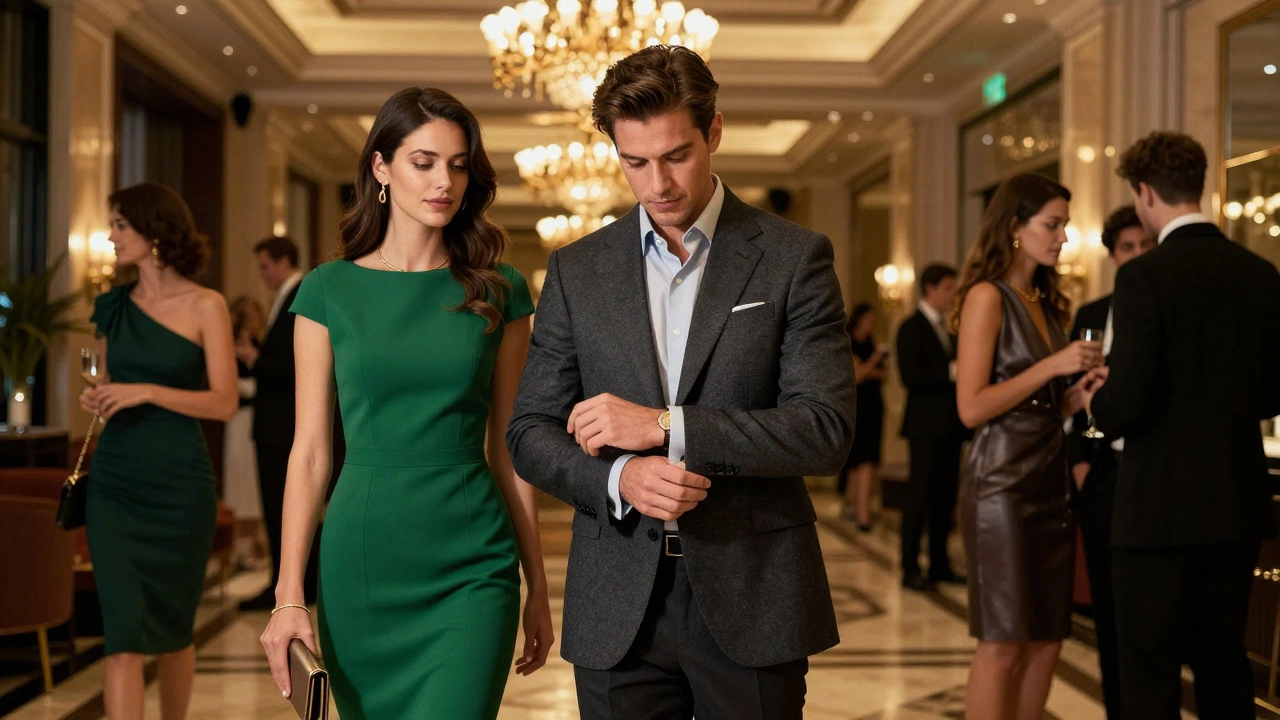
Cocktail attire has different expectations for men and women. Understanding these nuances ensures you don’t accidentally underdress or overdress based on gender norms.
| Category | Women Should Avoid | Men Should Avoid |
|---|---|---|
| Bottoms | Jeans, shorts, leggings | Chinos, cargo pants, shorts |
| Tops | T-shirts, tank tops, crop tops | Polo shirts, graphic tees, open-collar shirts without a tie |
| Footwear | Sneakers, flip-flops, wedges | Sneakers, boat shoes, sandals |
| Outerwear | Denim jackets, puffer coats | Hoodies, windbreakers, casual blazers |
For men, the biggest pitfall is skipping the blazer. A suit jacket or a sport coat is non-negotiable for cocktail attire. Without it, you look like you’re going to the office, not a party. Also, avoid wearing a tie if the event is more relaxed, but never wear a shirt untucked. For women, avoid anything too revealing. Slit hems are fine, but bare midriffs are not. The key is balance: show some skin, but keep it classy.
Context Matters: Reading the Room
Not all cocktail parties are created equal. A tech startup’s holiday party has a different vibe than a law firm’s annual gala. Ignoring the context is a common error that leads to awkward mismatches.
Consider these factors before finalizing your outfit:
- Venue is the location of the event, which dictates the level of formality. A rooftop bar allows for slightly more relaxed attire than a hotel ballroom. Check the venue photos online to gauge the atmosphere.
- Time of day is a factor that influences color and fabric choices. Daytime cocktail events call for lighter colors and breathable fabrics. Evening events demand darker shades and richer textures.
- Season is a critical element in choosing appropriate clothing. Summer cocktail attire might include sleeveless dresses and linen blends (if not wrinkling), while winter calls for long sleeves and heavier fabrics.
If you’re still unsure, it’s always better to be slightly overdressed than underdressed. You can always remove a layer or swap accessories, but you can’t add sophistication once you’ve arrived.
Final Checks Before You Leave
Before heading out, take a moment to review your outfit in a full-length mirror. Ask yourself these questions:
- Does my outfit look polished and intentional?
- Are there any visible stains, wrinkles, or loose threads?
- Do my shoes match the formality of my clothes?
- Is my makeup and hair done in a way that complements the event?
Cocktail attire is about making a good impression. By avoiding these common pitfalls, you’ll ensure that your outfit enhances your presence rather than detracting from it. Remember, confidence comes from knowing you belong in the room. Dress accordingly, and you’ll own the space.
Can I wear jeans to a cocktail party?
No, jeans are generally considered too casual for cocktail attire. Even high-end designer denim does not meet the formal requirements of a cocktail dress code. Opt for tailored trousers, a skirt, or a dress instead.
Is a little black dress appropriate for cocktail attire?
Yes, a little black dress is a classic and safe choice for cocktail attire. Ensure it is knee-length or slightly below and made from a quality fabric like satin or crepe. Accessorize with elegant jewelry to elevate the look.
What shoes should I avoid for cocktail attire?
Avoid sneakers, flip-flops, sandals, and wedges. For women, heels, pumps, or dressy flats are appropriate. For men, loafers, oxfords, or derbies are suitable choices.
Can I wear white to a wedding cocktail party?
It is best to avoid wearing head-to-toe white to a wedding, as this color is traditionally reserved for the bride. If you must wear white, ensure it is not a bridal-style gown and consider adding colorful accessories to distinguish your outfit.
Do men need to wear a tie for cocktail attire?
A tie is not always required for cocktail attire, but a blazer or sport coat is essential. A button-down shirt tucked into tailored trousers is the minimum standard. A tie adds formality but may be omitted for more relaxed events.