
Evening Dress Code Decoder
Not sure what to wear? Answer a few questions about your event to get specific advice on length, fabric, and accessories.
Recommended Attire:
Garment Type
Ideal Fabrics
Color Palette
Accessories & Shoes
Quick Reference Guide
- Cocktail: Knee-to-midi length. Silk, lace, satin. Heels or nice flats.
- Black Tie Optional: Floor-length preferred, elegant midi acceptable. Velvet, heavy silk, taffeta.
- Black Tie: Floor-length gown only. Sequins, brocade, lace. High heels.
- White Tie: Full ballgown with train. Heavy satin, velvet, embroidery. Gloves required.
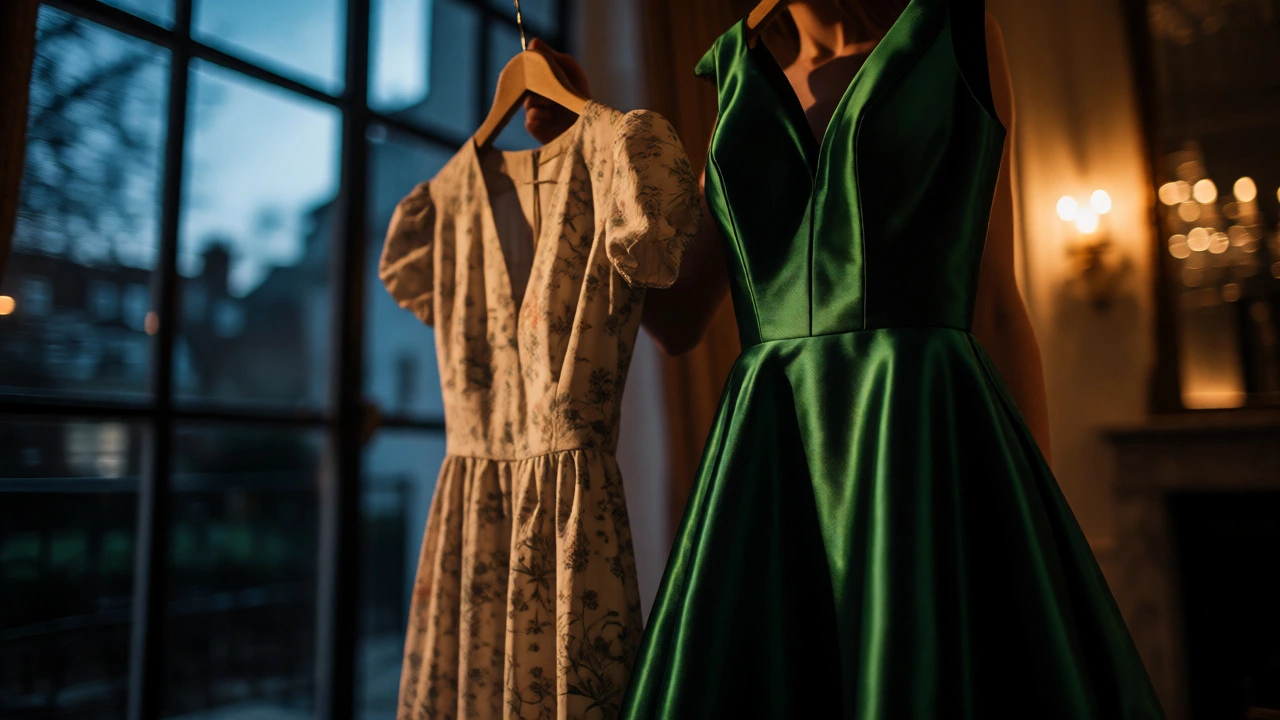
You’ve got an invite. It says “Black Tie Optional” or maybe just “Evening Wear.” You stare at your closet, wondering if that nice floral number from last summer will cut it. Spoiler: it probably won’t. Evening dress is a specific category of clothing designed for social events after 6 PM, characterized by luxurious fabrics, intricate detailing, and a level of formality that daytime clothes simply can’t match. But what exactly separates a fancy day dress from true evening wear? And why do some invitations feel like they’re written in code?
Think of evening wear as the tuxedo’s feminine counterpart. While men have had a standardized uniform (the tux) for over a century, women’s evening fashion has evolved through decades of trends, yet the core principles remain surprisingly consistent. It’s not just about length; it’s about intent, fabric, and context. If you’re trying to decode your next gala, wedding, or corporate dinner, understanding these nuances saves you from awkward missteps and ensures you look effortless rather than overdressed or underdressed.
The Core Definition: What Makes a Dress “Evening”?
At its simplest, an evening dress is a garment intended for wear at formal or semi-formal social gatherings occurring in the evening. But that definition is too broad. To really get it, you need to look at three key pillars: time, fabric, and silhouette.
Time is the biggest clue. Daytime events-think garden parties, brunches, or office meetings-call for lighter materials like cotton, linen, or chiffon. These fabrics breathe, move easily, and handle sunlight without looking out of place. Evening wear flips this script. Once the sun goes down, artificial lighting takes over. This changes how colors and textures appear. Deep jewel tones, metallics, and blacks pop under chandeliers but can look heavy or drab in daylight. Conversely, pastels often wash out at night.
Fabric choice is non-negotiable here. True evening gowns rely on materials with weight, sheen, or structure. Silk satin, velvet, taffeta, lace, and sequins are staples. Why? Because they catch light. A matte cotton dress absorbs light; a silk gown reflects it. That reflection creates movement and glamour, which is the whole point of dressing up. If your fabric looks flat under indoor lights, it’s likely not evening-appropriate.
Silhouette also plays a role. While daytime dresses prioritize comfort and ease of movement (A-line, shift, shirt-dress), evening dresses often embrace drama. Floor-length hemlines are standard for high formality, though midi lengths work for semi-formal events. Necklines might be deeper, backs more open, and cuts more tailored to accentuate the body’s shape. The goal isn’t necessarily to be sexy, but to be polished and intentional.
Decoding Dress Codes: From Cocktail to White Tie
“Evening wear” is an umbrella term, but not all evening events demand the same level of grandeur. Misinterpreting the dress code is the fastest way to feel out of place. Let’s break down the common tiers you’ll see on invitations.
| Dress Code | Formality Level | Typical Garment | Fabric Examples | Best For |
|---|---|---|---|---|
| Cocktail Attire | Semi-Formal | Knee-length or midi dress | Silk, Lace, Satin | Office parties, engagement dinners |
| Black Tie Optional | Formal | Floor-length gown or elegant midi | Velvet, Heavy Silk, Taffeta | Galas, weddings, charity balls |
| Black Tie | Very Formal | Floor-length gown only | Lace, Sequins, Brocade | Awards ceremonies, opera nights |
| White Tie | Ultra-Formal | Full ballgown with train | Heavy Satin, Velvet, Embroidery | State dinners, royal events |
Cocktail attire is where most people stumble. It’s less formal than a gala but more dressed-up than a date night. The rule of thumb? Knee-length or tea-length (mid-calf) dresses are safe. Avoid anything too casual like jersey knit or denim. Pair it with heels and clutch bags, not sneakers or tote bags.
Black Tie is stricter. Here, floor-length is expected. If you show up in a chic midi dress, you might get away with it if it’s exceptionally well-made and accessorized, but you’re taking a risk. Stick to full-length gowns in rich fabrics. Think of red carpet events-that’s Black Tie territory.
White Tie is rare today, mostly reserved for state functions or very traditional European balls. This requires a full ballgown, often with a hoop skirt or significant volume, plus gloves and elaborate jewelry. Unless you’re invited to Buckingham Palace, you likely won’t encounter this.
Style Evolution: How Evening Wear Changed Over Time
If you look back at history, the concept of “evening dress” hasn’t always meant a long gown. In the Victorian era, evening wear was incredibly restrictive-corsets, bustles, and layers of petticoats. The silhouette was rigid, emphasizing status over comfort.
The 1920s revolutionized this with the flapper dress. Hemlines rose to the knee, waists dropped, and fabrics became lighter. This was a rebellion against the previous century’s constraints. Then came Christian Dior’s “New Look” in the 1940s, which brought back cinched waists and full skirts, redefining femininity post-WWII.
By the 1960s and 70s, designers like Yves Saint Laurent introduced the pantsuit for women, blurring the lines between gendered formal wear. Suddenly, “evening wear” didn’t strictly mean a dress. Today, we live in a hybrid era. You can wear a tailored jumpsuit to a Black Tie event if it’s made of silk and styled correctly. The rigidity is gone, but the expectation of luxury remains.
This evolution matters because it tells us something important: rules bend, but standards don’t drop. You can innovate within the framework. A modern take on an evening dress might be minimalist and architectural, while another might be maximalist and ornate. Both are valid if they respect the occasion’s tone.
Choosing the Right Fabric and Color
Selecting the right material is half the battle. As mentioned, evening fabrics need presence. Here’s a quick cheat sheet:
- Satin/Silk: Classic, elegant, and versatile. Works for almost any formal event. Looks best in solid colors.
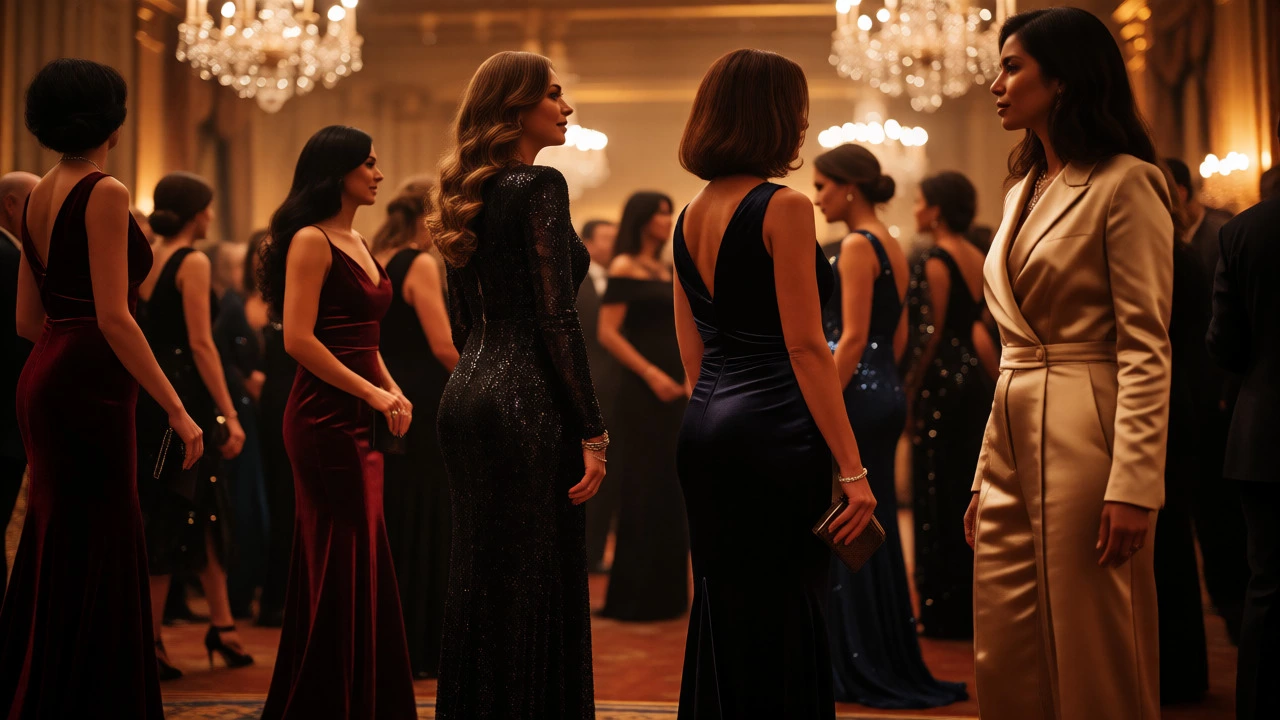
- Velvet: Perfect for winter events. Adds texture and depth. Great in deep greens, burgundies, or navy.
- Lace: Romantic and detailed. Can be delicate or bold depending on the pattern. Often used for overlays.
- Sequins/Glitter: High impact. Best for party-heavy events or New Year’s Eve. Use sparingly if you want to avoid looking like a disco ball.
- Taffeta: Structured and crisp. Holds shape well, making it ideal for voluminous skirts.
Color psychology also plays a role. Black is timeless and slimming, often called the “safe bet.” Navy is equally formal but feels slightly softer. Red makes a statement and draws attention. Pastels can work for spring/summer evenings but must be in luxurious fabrics to avoid looking like daywear. Metallics like gold, silver, or champagne add festivity without being overly flashy.
Consider your skin tone and personal style. Cool undertones often shine in jewel tones (emerald, sapphire) or icy pastels. Warm undertones glow in earthy hues (rust, olive) or warm metals (gold, bronze). There’s no hard rule, but wearing colors that complement your natural palette boosts confidence, which shows in how you carry yourself.
Accessories and Footwear: Completing the Look
An evening dress doesn’t exist in a vacuum. Your accessories define whether the outfit feels cohesive or chaotic. Start with shoes. Heels are traditional, but block heels or embellished flats are acceptable if comfort is a priority. Just ensure they’re clean and in good condition. Scuffed shoes ruin even the most expensive gown.
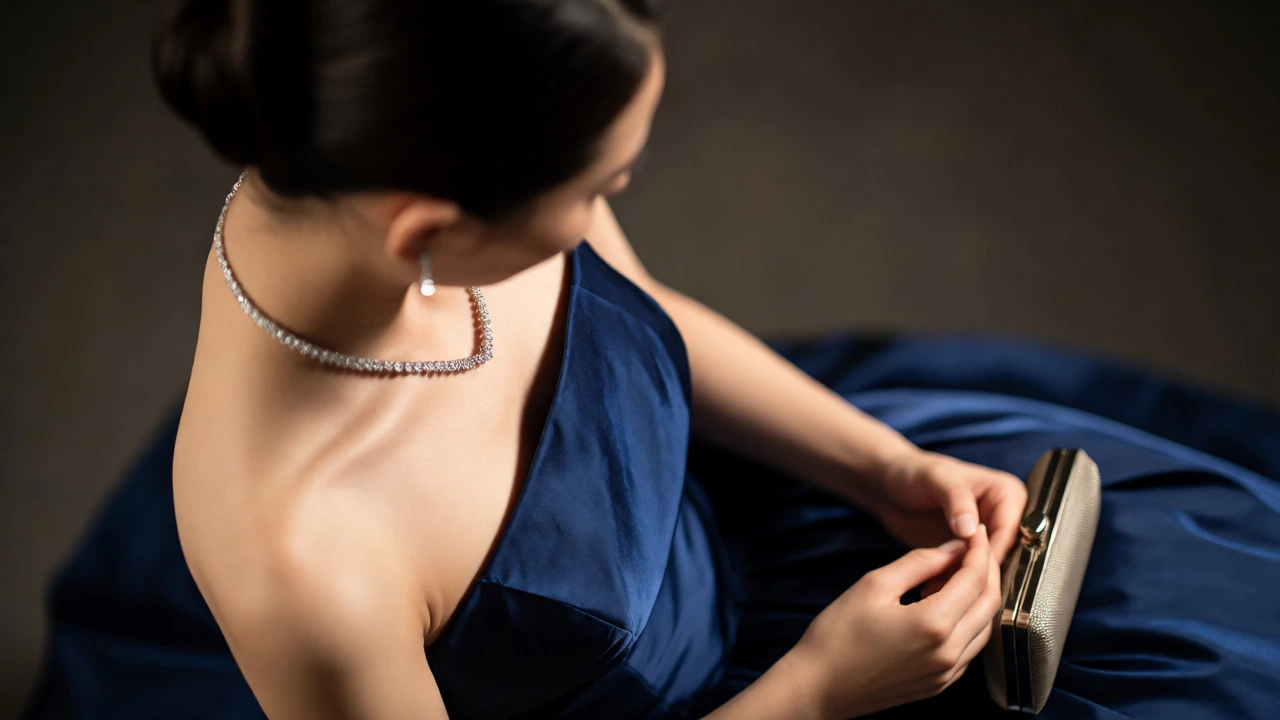
Bags should be small. Clutches, minaudières, or tiny shoulder bags are standard. Large handbags scream “daytime errands.” If you need to carry essentials, opt for a structured mini-bag rather than a slouchy tote.
Jewelry depends on the neckline. A strapless dress invites necklaces, while a high-neck gown might call for earrings alone. Don’t overdo it. If your dress has heavy beading, keep jewelry minimal. If the dress is simple, go bolder with accessories. Balance is key.
Hair and makeup should align with the overall vibe. Sleek updos highlight facial features and jewelry, while loose waves soften a structured gown. Makeup tends to be more dramatic in the evening-smokey eyes or bold lips-but it should enhance, not mask, your face.
Common Mistakes to Avoid
Even fashion-savvy folks make errors with evening wear. Here are the big ones:
- Wrong Length: Showing up in a maxi dress when cocktail attire was requested, or vice versa. Always check the invitation.
- Casual Fabrics: Wearing cotton or polyester blends that wrinkle easily. Wrinkles signal effortlessness in daywear but sloppiness in evening wear.
- Over-Accessorizing: Too many sparkly things competing for attention. Pick one focal point.
- Ignoring Comfort: If you can’t walk, sit, or dance comfortably, you’ll look stiff. Fit matters more than trendiness.
- Neglecting Undergarments: Visible bra straps or panty lines disrupt the sleek line of a gown. Invest in proper shapewear or seamless underwear.
Remember, the goal is to feel confident. If you’re constantly adjusting your dress or worrying about your hemline, you won’t enjoy the event. Prioritize fit and comfort alongside style.
Modern Trends: Is the Gown Dead?
Some argue that the traditional floor-length gown is fading. With the rise of smart-casual culture, many events now allow for more relaxed interpretations. Jumpsuits, separates, and shorter dresses are gaining ground. Designers are experimenting with asymmetric hems, sheer panels, and unconventional silhouettes.
However, the gown isn’t dead-it’s evolving. Modern gowns incorporate stretch fabrics for mobility, sustainable materials like organic silk or recycled polyester, and inclusive sizing. The emphasis is shifting from rigid rules to personal expression within a formal context. You can still wear a classic black column dress and look contemporary, or choose a avant-garde piece and look timeless.
Ultimately, what defines evening wear today is intentionality. It’s about showing up prepared, respecting the host’s request, and celebrating the occasion through your appearance. Whether you choose a vintage-inspired lace gown or a sleek modern jumpsuit, the essence remains the same: elegance, care, and grace.
Can I wear a short dress to a formal event?
It depends on the specific dress code. For "Cocktail Attire," a knee-length or tea-length dress is perfectly appropriate. However, for strict "Black Tie" or "White Tie" events, a floor-length gown is traditionally expected. If you prefer shorter lengths for Black Tie, choose an exceptionally elegant midi dress with luxurious fabric and sophisticated styling, but be aware it may be seen as slightly less formal.
What is the difference between cocktail and evening wear?
Cocktail wear is semi-formal, typically involving knee-length or midi dresses in refined fabrics like silk or lace. Evening wear is broader but generally implies higher formality, often requiring floor-length gowns, richer materials (velvet, satin), and more dramatic accessories. Evening wear covers everything from semi-formal dinners to ultra-formal galas, whereas cocktail is specifically semi-formal.
Are pantsuits considered evening wear?
Yes, absolutely. A well-tailored jumpsuit or tuxedo-style pantsuit in formal fabrics like silk, crepe, or velvet is widely accepted as evening wear, especially for Black Tie optional events. Ensure the cut is sharp, the fabric is luxurious, and accessories elevate the look to formal standards.
What shoes go with an evening dress?
Heels are the traditional choice, including stilettos, pumps, or strappy sandals. However, embellished flats or low block heels are acceptable if they match the formality of the dress. Avoid sneakers, flip-flops, or overly casual boots unless the event theme specifies otherwise. Ensure your shoes are clean and in good repair.
How do I know if my dress is too casual for evening?
Check the fabric and details. If it's made of cotton, denim, or jersey, it's likely too casual. Look for signs of formality: lining, structured seams, delicate zippers, or hidden closures. Also consider the print-large, loud prints are often daywear, while solids, subtle patterns, or metallics lean evening. When in doubt, err on the side of more formal.