
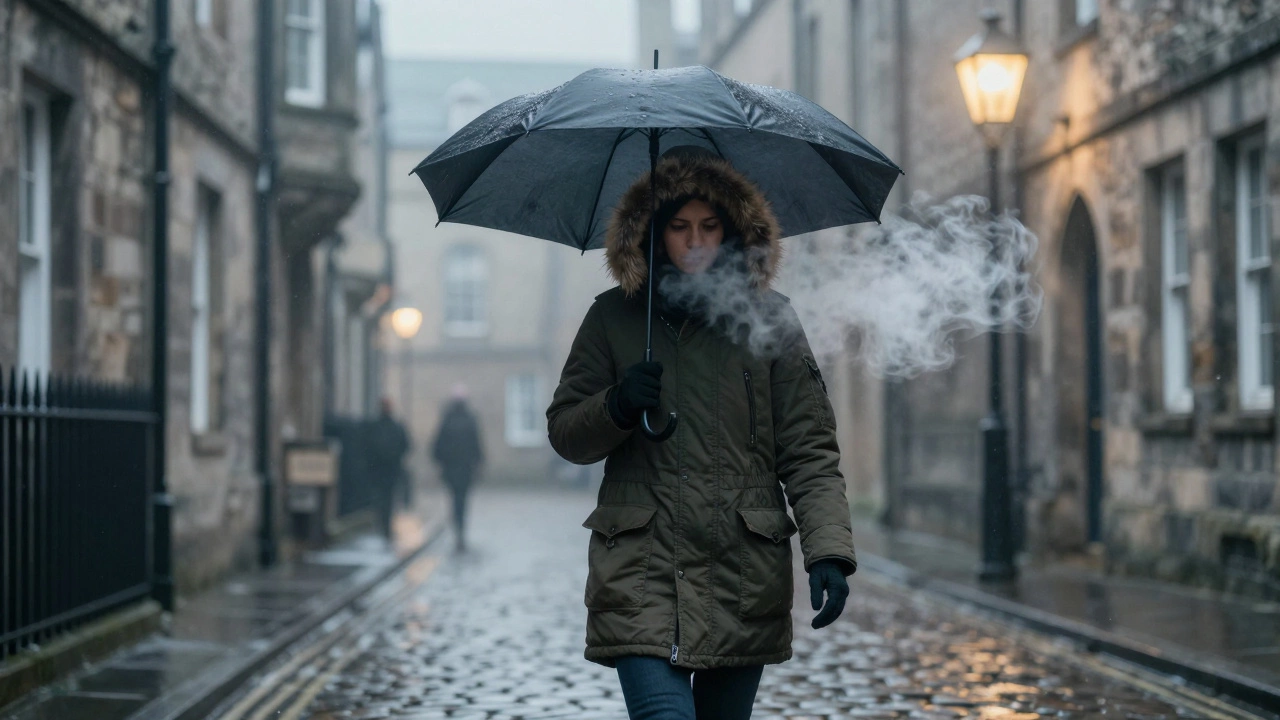
If you’ve ever stood outside in York in January, wind slicing through your layers, you know one thing for sure: not all jackets are created equal. You need something that doesn’t just look like it should keep you warm - you need something that actually does. But when you walk into a store and ask for a thick, warm jacket, the salesperson might hand you five different things. So what’s the real name for the kind of jacket that turns freezing into bearable?
It’s Not Just a ‘Winter Jacket’
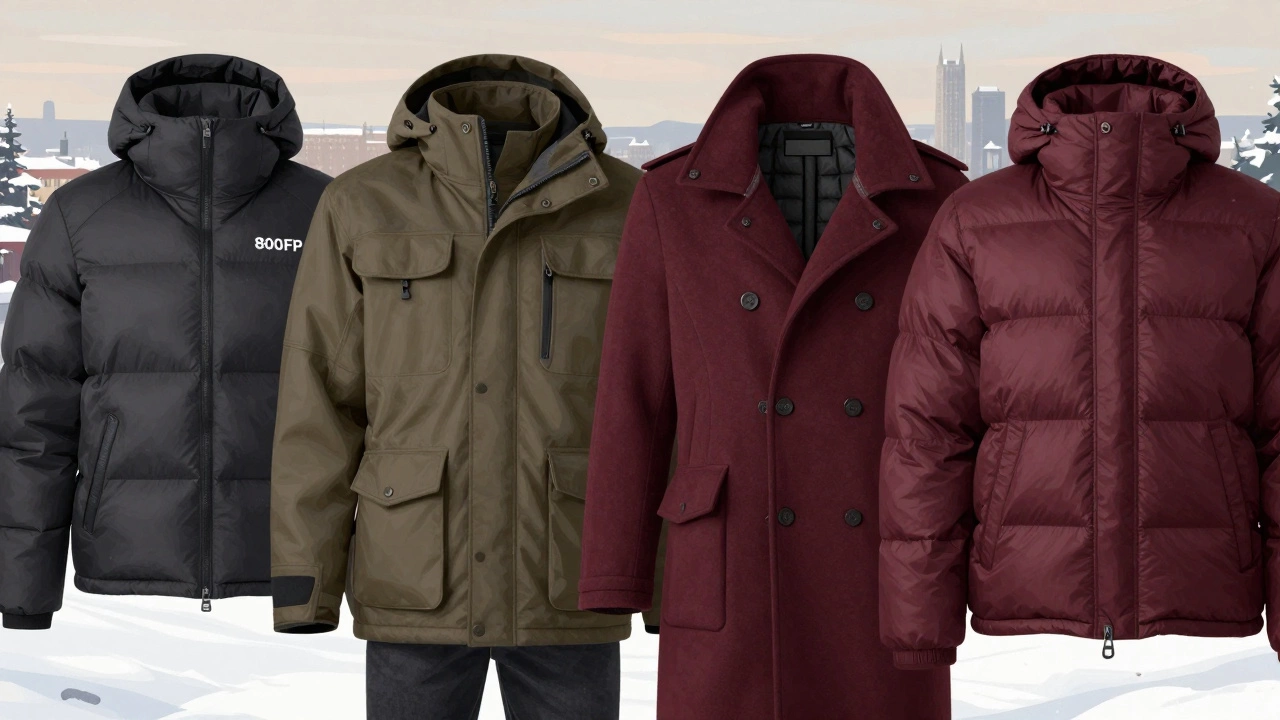
People say ‘winter jacket’ like it’s one thing. But that’s like saying ‘car’ when you mean sedan, pickup, or snowplow. The truth? There are at least four main types of thick, warm jackets, each built for different kinds of cold. And if you’re shopping for one, knowing the difference saves you from buying something that looks good but leaves you shivering on the bus.The most common one you’ll see is the puffer jacket. It’s got that quilted, stuffed look - like someone sewed pillows onto your back. Inside, it’s filled with either down (feathers from ducks or geese) or synthetic insulation. Down is lighter and warmer for its weight, but if it gets wet, it loses its magic. Synthetic fills work better in damp weather, like the kind you get in Yorkshire rain. Puffer jackets are great for city walking, commuting, or casual outdoor time. They’re not built for deep snow or high winds - just everyday cold.
The Parka: Built for the Worst of It
If you’ve ever seen someone in a long, hooded coat with fur trim around the face, that’s a parka. It’s the real deal for serious cold. Parkas are longer than regular jackets - often hitting mid-thigh or even below the knees. They’re designed to trap heat around your whole torso and legs, not just your upper body. Most have removable fur-lined hoods (real or faux), reinforced cuffs, and thick, windproof shells. Many also have insulated liners you can take out when it’s not quite freezing.They’re the jackets soldiers, Arctic explorers, and people who live in places like Canada or northern Sweden wear. In York, if you’re walking to work in December before sunrise, or standing at a bus stop in the dark, a parka is your best friend. They’re bulky, yes - but they’re also the only jacket that lets you wear a thick sweater underneath and still move.
The Down Jacket: Lightweight Warmth
Don’t let the name fool you. A down jacket isn’t just a fancy puffer. It’s specifically filled with high-quality goose or duck down, measured by something called ‘fill power.’ That number tells you how much warmth you get per ounce. A 700-fill jacket is good. An 800-fill is excellent. Anything over 900 is for extreme cold or mountaineering.Down jackets are the lightest warm jackets you can buy. They pack down small, so you can shove them in a backpack. They’re popular with hikers, travelers, and people who hate feeling weighed down. But here’s the catch: if you get caught in a drizzle, down loses its insulating power until it dries. That’s why many modern down jackets have a water-resistant outer shell. If you live in a place with dry, freezing winters - like the Rockies or parts of Scandinavia - this is your go-to. In York? Only if you’re ready to dry it out after every rainy walk.
Insulated Field Jackets and Heavy Wool Coats
There are other options, too. Some people swear by a heavy wool coat - the kind you’d see in old British films. Wool is naturally insulating, breathes well, and lasts decades. But it’s not as warm as down or synthetic fills unless it’s lined. A thick, double-breasted wool coat with a quilted lining can handle a UK winter, especially if you layer underneath.Then there’s the insulated field jacket. These are often made for outdoor workers - farmers, rangers, construction crews. They’re rugged, water-resistant, and packed with synthetic insulation. They don’t look flashy, but they’re built to last. If you’re outside for hours every day, this is the jacket you’ll want. It’s not fashion-forward, but it won’t fail you when it matters.
What to Look For When Buying
You don’t need to buy the most expensive jacket. But you do need to know what matters:- Fill type: Down for dry cold, synthetic for damp cold.
- Length: Longer = more warmth. If your coat ends at your hips, you’re leaving your lower back exposed.
- Hood: Must fit over a beanie. A hood without adjustment cords is useless.
- Water resistance: Look for DWR (durable water repellent) coating. Not waterproof - just good enough for rain and snow.
- Zipper quality: A cheap zipper breaks in cold weather. YKK is the gold standard.
- Insulation weight: Check the grams per square meter (g/m²). For UK winters, aim for 100-200g.
And don’t fall for marketing tricks. ‘Thermal’ doesn’t mean anything unless it’s backed by real insulation. ‘Heat-lock’? That’s just a buzzword. Look at the label - not the hype.
Real-World Test: What Works in York
In York, winters are damp, not bone-dry. The cold bites, but it’s rarely below -10°C. Snow doesn’t last long. Wind comes off the River Ouse and cuts right through you. So what do locals actually wear?Most people who’ve lived here for more than a year wear a parka with a synthetic fill and a detachable hood. It’s the sweet spot: warm enough for morning walks, long enough to cover your coat, and durable enough for muddy boots and wet umbrellas. Some go for a heavy-duty down jacket with a water-resistant shell - but they carry a towel in their bag to dry it off after rain.
Wool coats are still common among older residents and professionals. They look sharp, but they’re not for snow. If you’re heading to a meeting, a good wool coat over a sweater is fine. If you’re walking the Shambles in a drizzle? You’ll regret it.
And yes - puffer jackets are everywhere. But the ones that work are the ones with a waist cinch, a long cut, and synthetic fill. The cheap, short ones? They’re for Instagram photos, not real life.
What Not to Buy
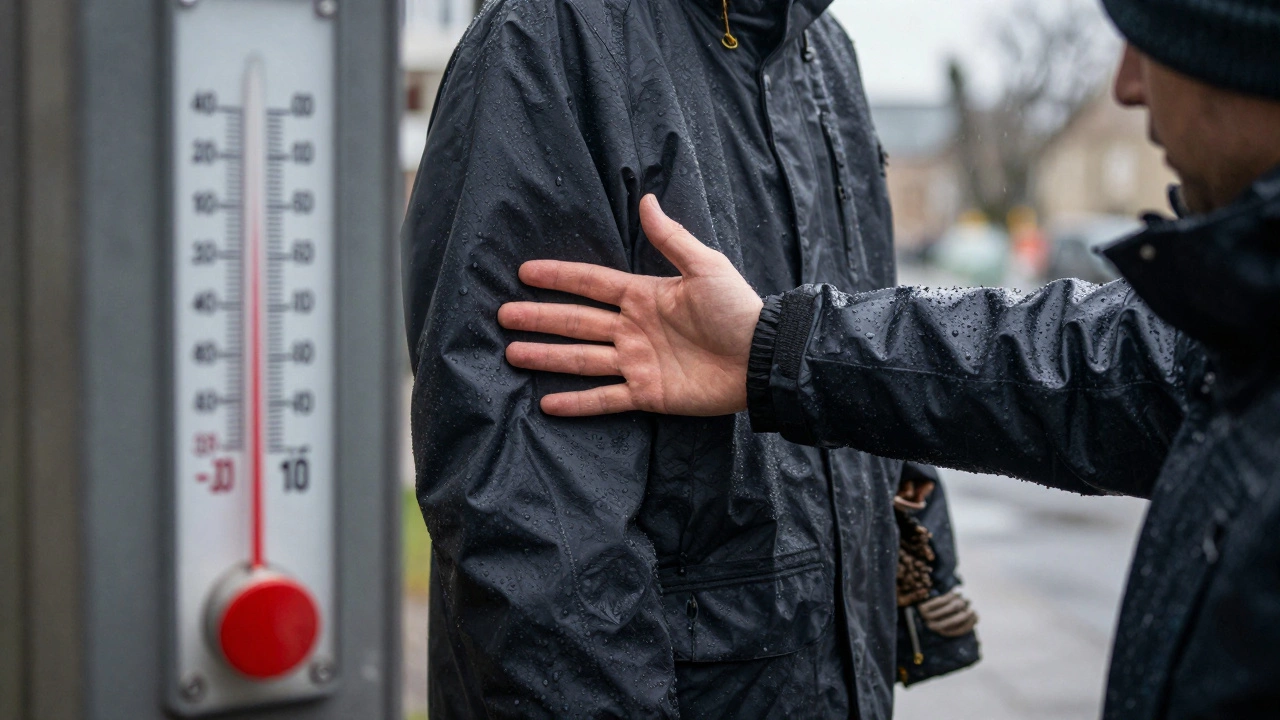
There’s a whole category of jackets that look warm but aren’t. These are the ones you see on clearance racks:- ‘Faux fur’ jackets with no insulation underneath
- Lightweight ‘fashion’ coats labeled ‘winter’ but made of thin polyester
- Denim jackets with ‘thermal lining’ that’s just a thin sheet of cotton
- Coats with no hood, no wind flap, and a zipper that sticks
These might look nice in a store under warm lights. But step outside in December, and you’ll feel it - fast. They’re not jackets. They’re costumes.
Bottom Line: Name It Right
So what’s a thick, warm jacket called? It depends on what you need:- For everyday cold and damp: parka
- For dry, extreme cold: down jacket
- For lightweight, packable warmth: puffer jacket with synthetic fill
- For style and durability: heavy wool coat with lining
- For work in the elements: insulated field jacket
Stop asking for a ‘winter jacket.’ Ask for the right name. That’s how you get the right coat.
Is a puffer jacket the same as a down jacket?
Not exactly. All down jackets are puffers, but not all puffers are down jackets. A puffer jacket just means it’s quilted and stuffed. It can be filled with synthetic material, down, or a mix. A down jacket specifically uses goose or duck feathers as insulation. Down is warmer for its weight, but synthetic works better in wet weather.
What’s the warmest type of jacket for UK winters?
For the UK - especially places like York with damp, windy winters - a parka with synthetic insulation is the warmest practical choice. It’s long enough to cover your lower back, has a windproof shell, and synthetic fill keeps working even when it’s wet. Down jackets are warmer in dry cold, but they lose effectiveness in rain or snow.
Do I need a hood on my winter jacket?
Yes - and it needs to fit over a beanie. A hood without adjustable cords or a stiff rim just flops around and does nothing. In York, wind comes from every direction. A hood that doesn’t stay put means heat escapes from your head and neck - and that’s where you lose most of your body warmth.
Can I wear a wool coat in the rain?
Not for long. Wool absorbs water and takes hours to dry. A wool coat might look great in a light drizzle, but if you get caught in a downpour, it’ll get heavy, lose its warmth, and stay damp all day. If you want wool, make sure it’s lined with synthetic insulation or has a water-resistant outer layer.
What’s the difference between a winter jacket and a coat?
It’s mostly about length and purpose. Jackets usually end at the waist or hips. Coats are longer - often below the hips. Coats are designed for colder weather and are usually heavier. A parka is a coat. A puffer is a jacket. But in everyday talk, people use the words interchangeably. For warmth, length matters more than the name.
Next Steps: How to Choose
If you’re shopping right now, here’s what to do:- Check the weather forecast for your area - is it wet, dry, or both?
- Think about how you’ll use it: walking to work? Hiking? Standing at a bus stop?
- Look at the label - find the fill type, fill power (if down), and insulation weight.
- Try it on with a thick sweater underneath. Can you move your arms? Can you zip it fully?
- Check the hood - can you pull it tight? Does it cover your ears?
Don’t buy based on color or brand. Buy based on function. The right jacket doesn’t just keep you warm - it lets you live your life without freezing.