

Milkmaid Dress Styling Guide
Not sure which milkmaid dress suits you? Select your body type and the occasion below to get personalized fabric, fit, and accessory recommendations.
Please select a body type and occasion to see your personalized milkmaid dress guide.
You’ve probably seen them everywhere lately. They’re on Instagram feeds, in high-street window displays, and popping up at every outdoor wedding from June to September. But what exactly is a milkmaid dress? It’s not just another fleeting TikTok trend; it’s a revival of a silhouette that has existed for centuries, originally worn by women working on farms who needed freedom of movement and breathability. Today, it’s the go-to choice for anyone wanting to look effortlessly chic without trying too hard.
If you are confused about why everyone is wearing these frilly, puffy-sleeved numbers, or if you are wondering whether this style actually suits your body type, you are in the right place. We are going to break down the anatomy of the milkmaid dress, explain why it became a wardrobe essential, and give you practical advice on how to wear it without looking like you are heading straight to a Renaissance fair (unless that is your vibe).
Defining the Silhouette: Anatomy of a Milkmaid Dress
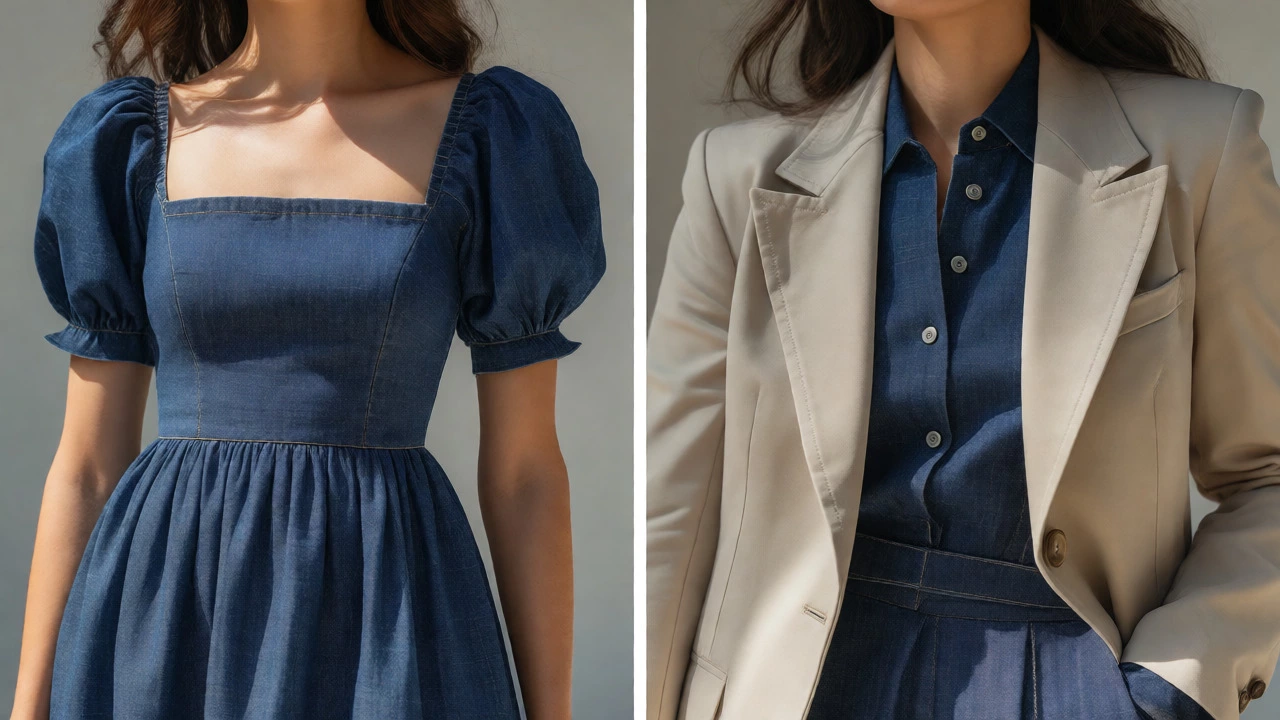
At its core, Milkmaid Dress is a style of dress characterized by a fitted bodice with a square neckline, voluminous short sleeves (often called puff sleeves), and a full skirt, typically made from lightweight fabrics like cotton or linen. It falls under the broader category of cottagecore fashion, which romanticizes rural life and simplicity.
The name comes from the historical attire of dairy maids in Europe during the 18th and 19th centuries. These women needed clothes that allowed them to lift heavy buckets, bend over cows, and stay cool in the summer heat. Hence, the design features:
- Square Neckline: This exposes the collarbone and shoulders, keeping the wearer cool and providing a flattering frame for the face.
- Puff Sleeves: Short, gathered sleeves that add volume to the upper body while allowing airflow.
- Fitted Bodice: Often elasticated or smocked, ensuring the top stays in place during physical activity.
- A-Line or Full Skirt: Allows for easy movement and hides any insecurities about the hips or thighs.
Unlike a ball gown or a structured cocktail dress, a milkmaid dress prioritizes comfort and ease. It is unstructured in the best way possible. There are no boning corsets holding you hostage, no zippers digging into your spine, and no restrictive waistbands cutting off circulation after lunch.
Why Is Everyone Obsessed With This Style?
The resurgence of the milkmaid dress isn’t an accident. It aligns perfectly with the current cultural mood. Post-pandemic, people shifted away from rigid office wear toward clothing that felt good to live in. The "Cottagecore" aesthetic, popularized on Pinterest and TikTok around 2020-2021, romanticized slow living, gardening, and baking bread. The milkmaid dress became the uniform of this fantasy.
But beyond social media trends, there is a practical reason for its popularity. In an era where fast fashion often means synthetic, sweaty polyester, the milkmaid dress is usually crafted from natural fibers. Cotton, linen, and chambray breathe. They wick moisture. They age well. If you buy one decent quality cotton dress, it can last five summers. That value proposition resonates with shoppers who are tired of throwing away $20 tops after two washes.
Furthermore, the silhouette is incredibly forgiving. The square neckline draws the eye upward, highlighting the neck and décolletage. The puff sleeves balance out wider hips by adding width to the shoulders. The A-line skirt skims over the tummy and hips rather than clinging to them. It is a universally flattering cut, which explains why brands from Zara to Reformation keep restocking them every spring.
Fabric Matters: Choosing the Right Material
Not all milkmaid dresses are created equal. Since this style relies on structure and volume, the fabric plays a huge role in how the dress looks and feels. If you pick the wrong material, you might end up with a shapeless sack or a stiff costume.
| Fabric Type | Best For | Pros | Cons |
|---|---|---|---|
| Cotton Poplin | Daily wear, casual outings | Breathable, holds shape, affordable | Wrinkles easily, can feel thin |
| Linen | Hot weather, beach vacations | Extremely cool, durable, eco-friendly | Creases instantly, expensive |
| Chambray | Workwear, smart-casual | Looks like denim but lighter, versatile | Can fade over time |
| Tiered Gauze | Vacations, bohemian styles | Flowy, airy, romantic | Sheer (needs slip), lacks structure |
| Broderie Anglaise | Weddings, garden parties | Elegant, detailed, classic | Delicate, requires careful washing |
When shopping, check the label. If it says 100% polyester, put it back unless you plan to wear it indoors with air conditioning. Synthetic fabrics trap heat, and nothing ruins the breezy vibe of a milkmaid dress faster than sweat patches under the arms. Look for blends that include at least 50% natural fiber. If you love the look but hate ironing, choose a heavier cotton poplin or a linen-rayon blend, which resists wrinkling better than pure linen.
Styling Your Milkmaid Dress: From Brunch to Beach
The beauty of this dress is its versatility. You don’t need a closet full of accessories to make it work. Here is how to style it for different occasions.
For Casual Daytime: Keep it simple. Pair a white or gingham milkmaid dress with flat sandals or espadrilles. Add a woven tote bag and minimal jewelry-maybe gold hoop earrings or a delicate necklace. Hair should be loose waves or a messy bun. This look screams "I have my life together" without looking like you tried too hard.
For Office or Smart-Casual: Not all workplaces allow puff sleeves, but many do. Choose a solid color like navy, black, or olive green in a sturdier fabric like chambray. Layer a tailored blazer over the top to tone down the romance. Swap sandals for loafers or block-heeled mules. A structured leather handbag helps ground the outfit, preventing it from looking too whimsical.
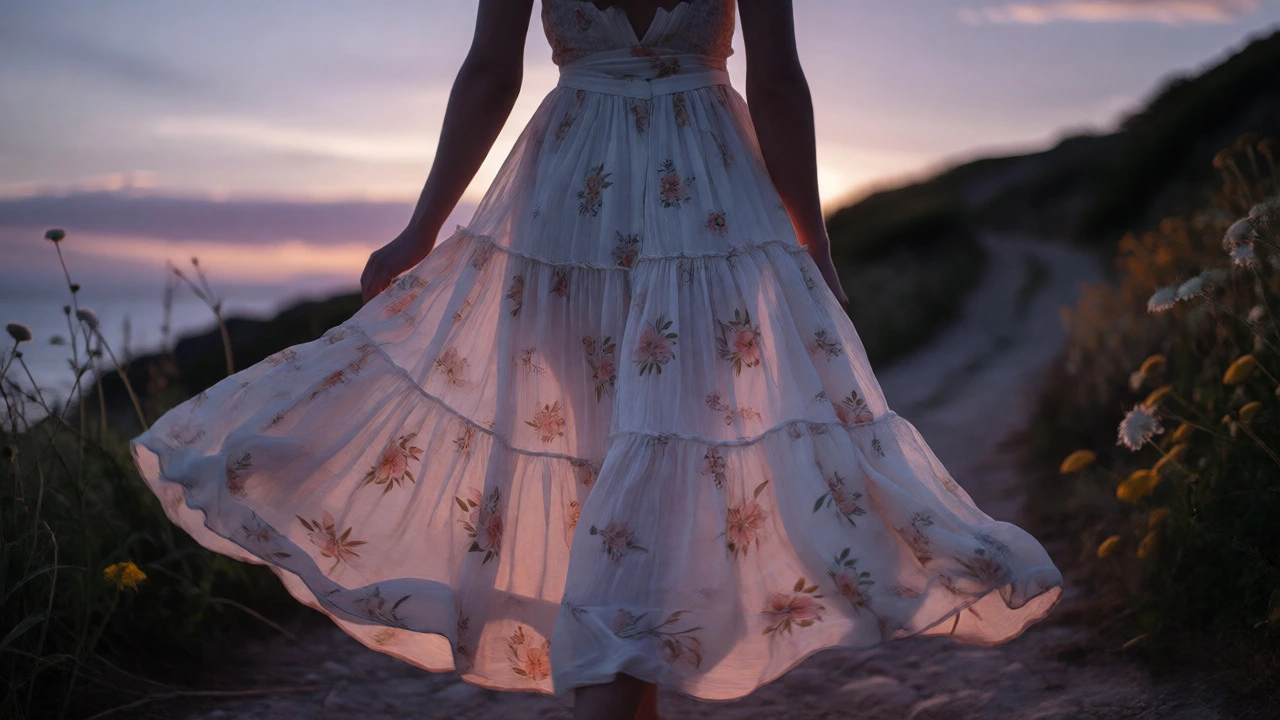
For Evening or Dates: Amp up the drama. Opt for a longer hemline, perhaps midi or maxi length. Choose darker colors or floral prints with a bold pattern. Heels are your friend here-a strappy sandal elongates the leg and balances the volume of the skirt. Add statement earrings since the square neckline leaves plenty of room for them to shine. A clutch instead of a big tote elevates the vibe immediately.
For Weddings: Milkmaid dresses are fantastic for guest attire, especially for daytime or garden weddings. However, avoid white if you aren't the bride. Pastels, florals, and earth tones are safe bets. Ensure the fabric looks polished; avoid overly distressed or sheer materials that might read as too casual for a formal ceremony.
Who Should Wear It? Body Type Considerations
A common worry is whether puff sleeves make you look bulky. The answer depends on your shoulder width and torso length. Generally, the milkmaid dress works for most body types because of its balanced proportions, but here are some tweaks:
- Pear Shape: You will love this dress. The puff sleeves broaden the shoulders, balancing out wider hips. The A-line skirt glides over the lower half. Look for dresses with defined waists to accentuate your curves.
- Apple Shape: The empire waist or smocked bodice is your best friend. It defines the narrowest part of your torso (just under the bust) and flows away from the midsection. Avoid stiff fabrics that add bulk; choose flowy gauze or soft cotton.
- Petite Frame: Be careful with excessive volume. Too much puff can overwhelm a small frame. Look for smaller, more subtle ruffles and shorter hems (above the knee) to keep your legs looking long. Vertical stripes or monochromatic colors help too.
- Tall Frame: You can pull off maximum drama. Long sleeves, tiered skirts, and floor-length hems look stunning on taller figures. Don’t shy away from bold prints or large patterns.
If you have broad shoulders, opt for slightly less exaggerated puff sleeves. If you have narrow shoulders, embrace the volume-it creates the illusion of balance.
Common Mistakes to Avoid
Even with such a forgiving style, people get it wrong. The biggest mistake is treating it like a costume. If you pair a rustic milkmaid dress with neon plastic accessories or overly glam makeup, it clashes. Keep the styling cohesive. Natural materials, neutral or earthy tones, and relaxed hair work best.
Another pitfall is ignoring fit. Because the bodice is often elasticated, people assume it is one-size-fits-all. It isn’t. If the elastic digs into your skin, it is too tight. If the dress slides down when you raise your arms, it is too loose. Always try it on and move around. Sit, stretch, reach up. Comfort is the whole point of this garment.
Finally, don’t neglect maintenance. Linen wrinkles. Cotton shrinks. Read the care labels. Wash cold, hang dry. If you throw a delicate broderie anglaise dress in the dryer, you will shrink it to doll size. Treat your dress with respect, and it will serve you for years.
Is It Still Trending in 2026?
Yes, but it has evolved. The hyper-exaggerated, massive sleeves of 2021 have toned down slightly. Now, designers are focusing on cleaner lines and sustainable fabrics. The "quiet luxury" trend has influenced milkmaid dresses, leading to simpler designs in high-quality linens and silks rather than cheap synthetics with excessive ruffles. You will also see more variations, such as halter-neck versions or dresses with detachable sleeves, offering more flexibility. So, investing in a high-quality piece now is still a smart move. It is transitioning from a "trend" to a "classic," much like the little black dress.
What is the difference between a milkmaid dress and a peasant dress?
While they share similarities, a peasant dress typically has a looser, more relaxed fit throughout the bodice and often features embroidery or ethnic patterns. A milkmaid dress specifically refers to the square neckline and fitted, often smocked bodice with distinct puff sleeves. Peasant dresses may have round or V-necks and less structured waists.
Can I wear a milkmaid dress to work?
Yes, provided your workplace allows it. Choose a conservative length (knee-length or midi), a solid dark color or subtle print, and a sturdy fabric like cotton poplin or chambray. Pair it with closed-toe shoes and a blazer to professionalize the look. Avoid overly frilly or sheer versions for the office.
How do I prevent my milkmaid dress from wrinkling?
Linen and cotton wrinkle naturally. To minimize this, hang the dress immediately after drying. Use a steamer instead of an iron for quick touch-ups. Some modern blends incorporate rayon or polyester to reduce wrinkling while maintaining breathability. Folding the dress carefully for travel and using packing cubes can also help.
Are puff sleeves slimming?
They create the illusion of balance. By adding volume to the shoulders, they can make the waist appear smaller by comparison, which is visually slimming. However, if you have very broad shoulders, extremely large puff sleeves might add unwanted width. Opt for moderate ruffles or flutter sleeves in that case.
What shoes go best with a milkmaid dress?
It depends on the occasion. For casual days, flat sandals, espadrilles, or clean white sneakers work well. For dressier events, strappy heels, block heels, or ankle boots (in cooler weather) complement the silhouette. Avoid chunky athletic shoes unless you are aiming for a specific street-style contrast.