
Evening Attire Dress Code Finder
Confused by the invitation? Select the dress code listed on your invite to see exactly what you should wear and the vibe of the event.
White Tie
Black Tie
Black Tie Optional
Cocktail Attire
Dress Code
For Women
For Men
Quick Guide to Evening Dress Codes
- White Tie: The absolute peak of formality. Think state dinners and royal balls.
- Black Tie: The standard for high-end galas and formal weddings.
- Black Tie Optional: A flexible middle ground where you can go full formal or slightly dial it back.
- Cocktail Attire: Polished, elegant, and perfect for parties that start around 6 PM.
Breaking Down Evening Attire
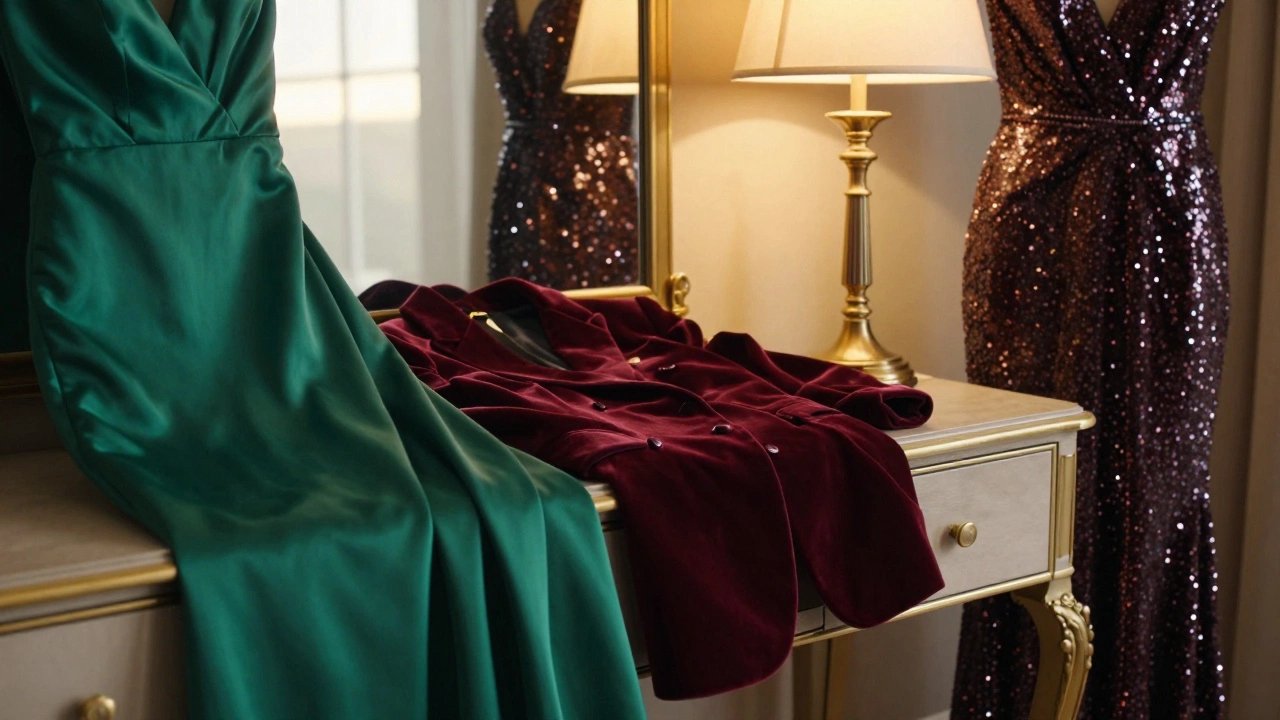
At its core, Evening Attire is a category of clothing worn for formal social events that take place after 6:00 PM. The key here is the timing. A dress you'd wear to a brunch date usually won't cut it for an evening event because the fabrics and silhouettes change as the sun goes down. We move from breathable cottons and linens to richer textures like silk, velvet, and sequins.
Think of it as a visual signal. When you put on evening dresses, you're telling the host, "I recognize that this is a special occasion." It's less about the price tag and more about the intentionality. If you're heading to a formal event, the goal is to look sophisticated and put-together, ensuring your outfit doesn't distract from the event itself while still making you feel confident.
The Gold Standard: Black Tie
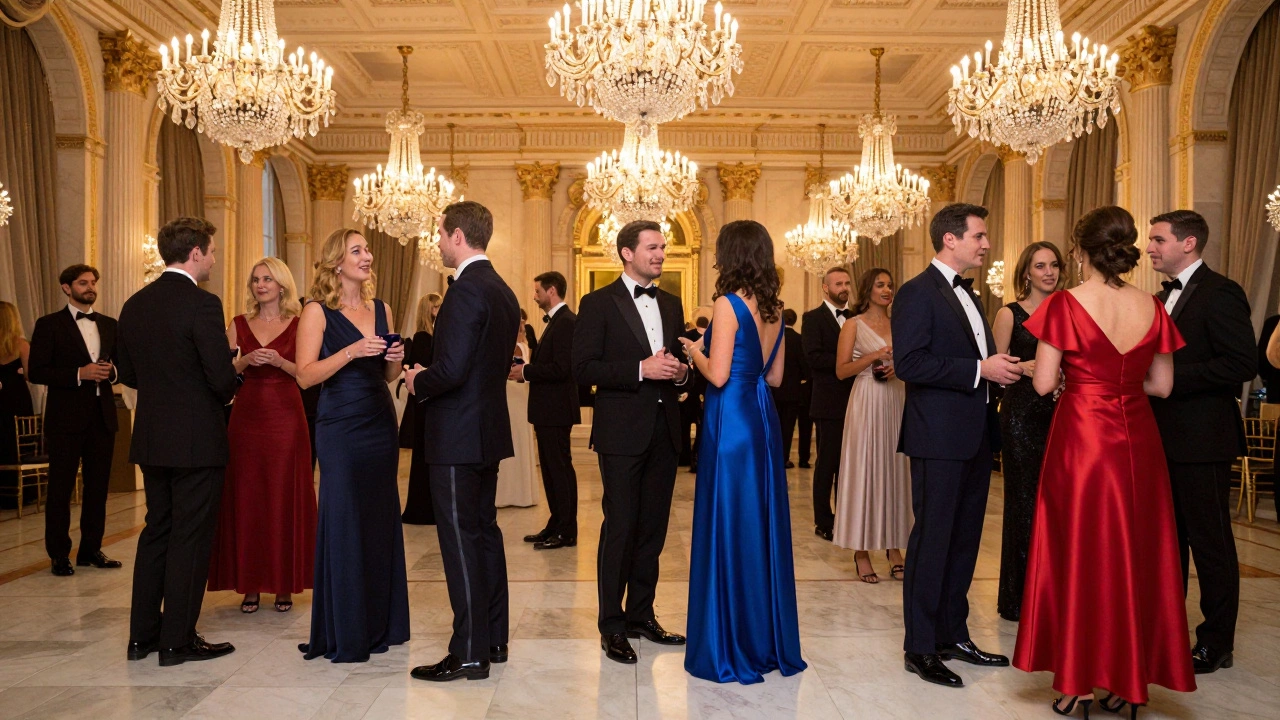
When an invite says Black Tie, it's a clear signal for high formality. For women, this typically means a floor-length gown. However, a very dressy cocktail dress (hitting just below the knee) can work if the fabric is luxurious enough. For men, this is where the Tuxedo-or dinner jacket-comes into play, paired with a black bow tie and patent leather shoes.
A common mistake people make with Black Tie is thinking they have to wear black. While black is the safest bet, deep navy, emerald green, or burgundy are perfectly acceptable and often look more modern. The real rule is the length and the fabric. If you're wearing a shorter dress, make sure it's made of something like heavy crepe or satin, rather than a jersey blend that looks too casual.
Navigating Black Tie Optional
This is perhaps the most confusing phrase in the fashion world. Black Tie Optional basically means the host will be wearing a tuxedo or a gown, and they'd love for you to do the same, but they won't judge you if you don't. It's a way of saying, "Formal is preferred, but don't stress if you don't own a gown."
If you're a woman, you can choose between a floor-length dress or a sophisticated midi dress. For men, a dark charcoal or navy suit with a crisp white shirt and a conservative tie is a great alternative to a full tuxedo. The trick here is to lean toward the formal side. It's always better to be slightly overdressed than to be the only person in a lounge suit at a room full of gowns.
The Versatility of Cocktail Attire
Cocktail Attire is the bridge between daywear and formalwear. It's designed for events like engagement parties, holiday mixers, or upscale dinner dates. The vibe is "party-ready" but still professional. The classic choice here is the "Little Black Dress" (LBD), but you can branch out into bold colors or patterns.
For cocktail events, the hemline usually hits anywhere from the mid-thigh to the mid-calf. Avoid anything too short (which leans toward "clubwear") or anything too long (which leans toward "formal"). Men usually wear a suit without a tie, or a blazer paired with dress trousers. It's a more relaxed atmosphere where you can experiment with textures like velvet blazers or silk blouses.
| Dress Code | Typical Women's Choice | Typical Men's Choice | Vibe/Event |
|---|---|---|---|
| White Tie | Full Ballgown, long gloves | Tailcoat, white bow tie | State Dinners, Royal Galas |
| Black Tie | Floor-length gown, sleek midi | Tuxedo, black bow tie | Formal Weddings, Charity Balls |
| Black Tie Optional | Long dress or fancy cocktail dress | Tuxedo or Dark Suit | Upscale Corporate Events |
| Cocktail | Knee-length dress, elegant jumpsuit | Suit (tie optional), Blazer & Slacks | Parties, Dinner Dates |
Choosing the Right Fabric and Fit
The difference between a day dress and an evening dress often comes down to the material. To nail evening attire, look for fabrics that catch the light or drape elegantly. Silk and Satin provide a natural sheen that feels luxurious. Velvet is a powerhouse for winter events, adding depth and warmth to a look. If you're attending a summer gala, lightweight chiffon or high-quality lace keep you cool while maintaining a formal silhouette.
Fit is equally important. Evening wear is often more structured than daywear. Whether it's a cinched waist on a gown or the sharp shoulder of a blazer, the goal is a clean line. If you're unsure about the fit, a tailor is your best friend. A dress that fits perfectly in the shoulders and waist will always look more expensive than a designer piece that doesn't sit right on your frame.
Common Pitfalls to Avoid
One of the biggest mistakes is ignoring the venue. A formal gown at a rustic barn wedding might feel out of place, while a cocktail dress at a grand hotel ballroom might make you feel underdressed. Always consider the setting along with the dress code. If the invite is vague, check the venue's website or look at photos of previous events held there.
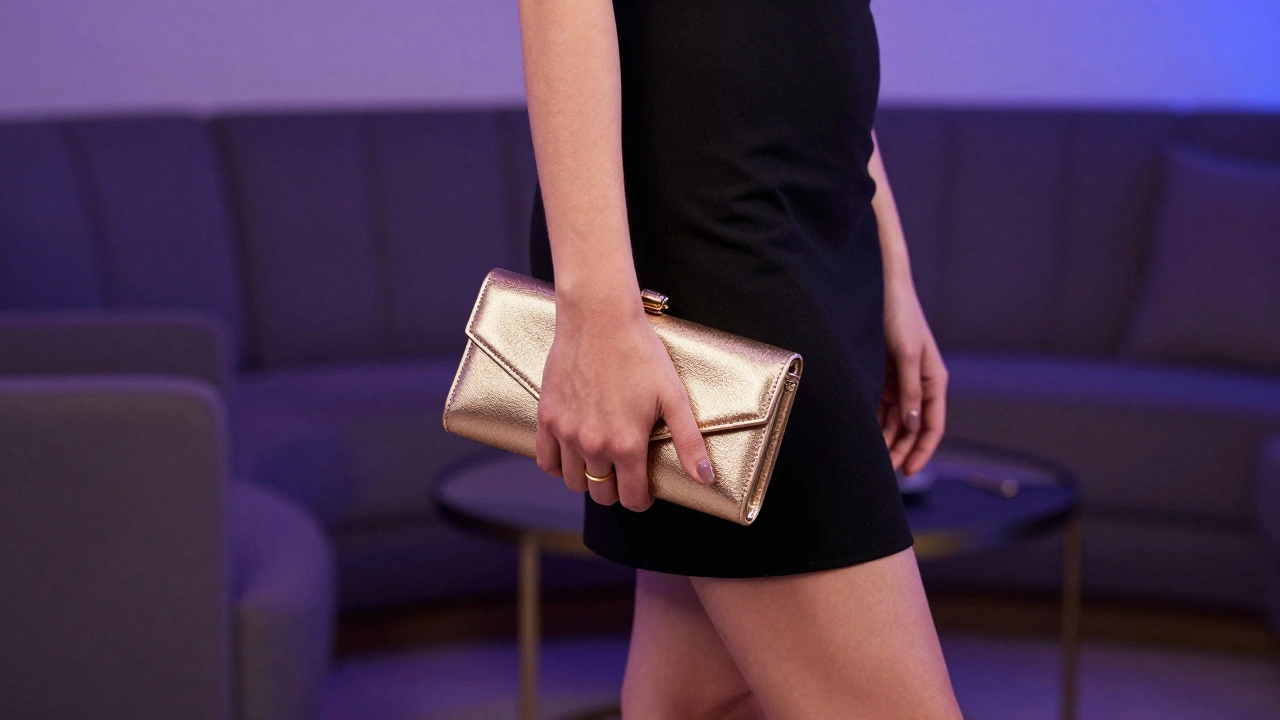
Another trap is over-accessorizing. If your dress has heavy sequins or a dramatic neckline, keep your jewelry minimal. Let one element of your outfit be the star. A pair of simple Stiletto Heels or a polished clutch is usually all you need to finish the look. Overloading on accessories can make an evening look feel cluttered rather than curated.
Matching Your Accessories to the Occasion
Accessories are the finishing touches that solidify your adherence to a dress code. For Black Tie, think high-shine. A metallic clutch or a structured satin bag works best. For Cocktail, you have more room to play with trends-perhaps a bold-colored bag or a set of statement earrings. Footwear should be chosen based on both style and stamina; there is nothing worse than having a stunning gown but being unable to walk because your shoes are too restrictive.
For men, the details are in the hardware. Cufflinks and a quality watch can elevate a suit from "office wear" to "evening wear." Ensure your belt matches the color of your shoes-a simple rule that prevents a visual clash. If you're wearing a tuxedo, remember that the socks should be black and thin, avoiding any chunky athletic socks that might peek through when you sit down.
Can I wear a jumpsuit for evening attire?
Yes, absolutely. A tailored, wide-leg jumpsuit in a formal fabric like crepe, silk, or velvet is a modern and sophisticated alternative to a dress. For Cocktail events, it's a perfect choice. For Black Tie, ensure the jumpsuit is dressy enough (think dark colors and elegant draping) and pair it with high heels to maintain a formal silhouette.
Is a midi dress acceptable for Black Tie?
Generally, Black Tie calls for floor-length gowns. However, a midi dress can work if it is exceptionally formal-think high-end fabric, an elegant cut, and paired with very dressy accessories. If you're worried about being underdressed, the safer bet is a full-length dress, but a polished midi is often accepted at modern events.
Do I have to wear a tie with Cocktail Attire?
A tie is optional for cocktail attire. A crisp white shirt with the top button open and a sharp blazer is a classic, acceptable look. If you feel the event is on the more formal side of "cocktail," adding a tie can't hurt, but it's not a strict requirement like it is for Black Tie.
What colors are best for evening wear?
Deep, rich tones are the standard for evening. Black, navy, emerald, burgundy, and charcoal are timeless. However, jewel tones and metallic shades (gold, silver, bronze) are also fantastic for evening attire. Avoid very pale pastels or neon colors, as these are typically associated with daytime or casual events.
What happens if the invite just says "Dressy"?
"Dressy" is a vague term that usually sits between business casual and cocktail attire. The safest move is to aim for a "smart" look. For women, a nice dress and heels or a dressy pair of trousers and a blouse. For men, a collared shirt and dress pants (no tie needed, but a blazer is a good addition). When in doubt, it's always better to be slightly overdressed than underdressed.
Final Tips for Any Event
Regardless of the specific dress code, the most important thing is how you feel in your clothes. Confidence is the best accessory you can wear. If you're constantly tugging at a hemline or feeling restricted in a tuxedo, it will show in your posture. Opt for a silhouette that flatters your body type and makes you feel like the best version of yourself.
If you're still unsure about what to wear, don't be afraid to ask the host for clarification. A quick text saying, "I'm so excited! Just checking, is the dress code more towards cocktail or full formal?" is completely normal and prevents the awkwardness of arriving at a party feeling out of place. Now that you know the basics, you can stop stressing and start looking forward to the event.