

Ever pulled on a jacket in the dead of winter and noticed the hood was lined with thick, fluffy fur? You weren’t just dressing warm-you were wearing a classic piece of functional fashion. But what do you actually call it? The answer isn’t as simple as "jacket with fur on the hood." There’s a specific name for it, and knowing it helps you shop smarter, talk fashion with confidence, and understand why some coats cost twice as much as others.
It’s Called a Parka
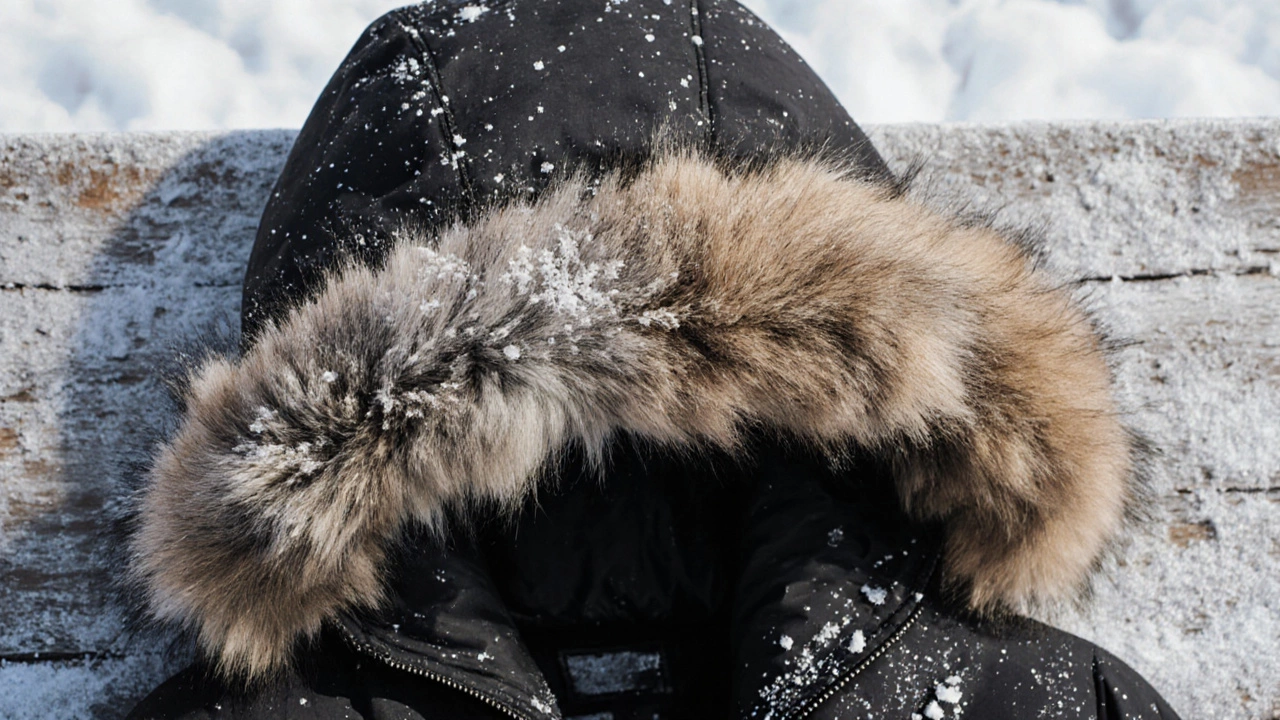
The most common and accurate term for a jacket with fur on the hood is a parka. Not every hooded jacket is a parka, but if it has a fur-lined hood, heavy insulation, and a long cut that goes past the hips, you’re almost certainly looking at a parka. This isn’t just a fashion label-it’s a functional design born out of necessity.
Indigenous peoples of the Arctic, like the Inuit and Yupik, developed the earliest versions of parkas hundreds of years ago using seal or caribou fur. The fur wasn’t decorative. It blocked wind, prevented frostbite around the face, and kept heat from escaping when you breathed out. Modern parkas keep that same logic: the fur trim isn’t there to look fancy. It’s there to stop ice crystals from forming on the hood’s edge and to reduce wind chill on your cheeks and chin.
Fur vs. Fake Fur: What’s the Difference?
When you see a parka with fur on the hood, you’re probably looking at one of two things: real fur or synthetic fur. Both serve the same purpose, but they’re not the same.
Real fur-like raccoon, fox, or coyote-is still used by high-end brands like Canada Goose and The North Face’s premium lines. Why? Because real fur has natural oils that repel moisture and resist freezing. A coyote fur trim can stay soft and flexible at -30°C, while cheaper synthetics turn stiff and brittle. Real fur also sheds snow better and doesn’t clump when wet.
Synthetic fur, often made from polyester or acrylic, is the standard today. Brands like Columbia, Patagonia, and Uniqlo use it because it’s affordable, cruelty-free, and holds up well in wet conditions. Modern faux fur is so good that unless you’re an expert, you can’t tell the difference by touch. The downside? It doesn’t last as long under extreme cold. After five or six winters in freezing weather, the fibers start to mat and lose their fluff.
Why Does the Fur Go on the Hood, Not the Cuffs?
You might wonder why fur is on the hood and not the sleeves or collar. It’s all about airflow and visibility.
When you’re walking into a blizzard, your face is the most exposed part of your body. The hood is the only piece of clothing that moves with your head. If you had fur on your cuffs, it wouldn’t protect your face. But fur on the hood? It creates a windbreak right where you need it most. Plus, the fur’s bulk helps block peripheral wind-something a smooth fabric can’t do.
Also, fur on the hood doesn’t interfere with your vision. If you had fur on your collar, it might block your view when you look down. But the hood’s fur sits behind your face, not in front of it. That’s why you’ll never see a parka with fur on the front of the collar-it would get in the way.
What About Terms Like "Coat," "Anorak," or "Puffer"?
People throw around these words like they mean the same thing, but they don’t.
- A coat is any outerwear that goes over your clothes. It can be short, long, wool, or synthetic. Not all coats have hoods, and almost none have fur trims unless they’re designed as parkas.
- An anorak is a hooded jacket, usually without a front zipper. It’s pulled over the head and often has a drawstring hem. Anoraks are common in Arctic expeditions but rarely have fur trims-they’re lighter and meant for dry cold, not wet snow.
- A puffer refers to the insulation style: quilted, stuffed with down or synthetic fill. A puffer can have a fur hood, but it doesn’t have to. Most puffers you see in cities don’t have fur at all.
So if you’re looking for the jacket with fur on the hood, you want a parka. Not a puffer. Not a coat. Not an anorak. Parka is the term.
What to Look for When Buying One
If you’re shopping for a parka with a fur-lined hood, here’s what actually matters:
- Fur type: Coyote fur is the gold standard for warmth and durability. Fox fur is softer but less wind-resistant. Raccoon is common in budget models but sheds more.
- Fur density: Run your fingers through it. If it feels sparse or you can see the base fabric underneath, it’s low quality. Good fur should be thick and even.
- Removable fur: Look for a parka with a detachable hood trim. It lets you switch between rugged winter looks and cleaner, urban styles. Canada Goose’s removable fur system is one of the best.
- Shell material: The outer fabric should be windproof and water-resistant. Look for terms like "DWR coating" or "ripstop nylon." Avoid cotton-it soaks up snow and takes forever to dry.
- Insulation: Down (goose or duck) is warmer but loses insulation when wet. Synthetic fills like PrimaLoft or Thinsulate work better in damp climates like York.
Don’t be fooled by branding. A $500 parka isn’t always better than a $250 one. Check the details. Many budget brands now use real coyote fur trim and synthetic insulation that performs just as well as luxury labels.
How to Care for a Fur Hood
Fur doesn’t need dry cleaning every week, but it does need care.
- Brush it gently with a wide-tooth comb or soft-bristle brush after each wear to remove snow and dirt.
- Never store it in a plastic bag. Use a breathable cotton garment bag.
- If it gets wet, let it air dry at room temperature. Never use a heater or hairdryer-heat makes fur brittle.
- For real fur, get it professionally conditioned once a year. Synthetic fur just needs a gentle wash with mild detergent and air drying.
One thing I’ve learned living in York: winters here get wetter than colder. That’s why I always pick a parka with removable synthetic fur. It lasts longer in the rain, and I can wash it when it gets grimy from city grime and wet sidewalks.
Real-World Examples
Think of the parkas you’ve seen in real life:
- Delivery drivers in London-most wear Canada Goose or The North Face parkas with coyote fur hoods.
- Winter festivalgoers in Toronto-often in Columbia or Marmot parkas with faux fur.
- People walking dogs in York-many wear affordable parkas from Decathlon or Aldi’s winter line, all with fur-trimmed hoods.
It’s not about price. It’s about function. And if you’re standing in a snowstorm with your face exposed, you’ll thank yourself for choosing the right name-and the right jacket.
Is a parka the same as a winter coat?
No. A winter coat is any heavy outerwear designed for cold weather. A parka is a specific type of winter coat with a fur-lined hood, long length, and heavy insulation. All parkas are winter coats, but not all winter coats are parkas.
Can I buy a parka without real fur?
Yes. Most parkas today use synthetic fur, especially from brands focused on sustainability or cruelty-free fashion. Brands like Patagonia, Columbia, and Uniqlo offer excellent faux fur options that perform just as well in cold, wet conditions.
Why is coyote fur used instead of fox fur?
Coyote fur has denser, coarser guard hairs that resist wind better and don’t mat as easily in snow. Fox fur is softer and fluffier, but it’s more prone to damage from moisture and abrasion. For extreme cold, coyote is the practical choice.
Do I need fur on the hood if I live in a mild climate?
Not really. If you’re in a place like York or London where snow is occasional and temperatures rarely drop below -5°C, a parka with synthetic fur trim is more than enough. You don’t need the extreme protection of real fur unless you’re regularly in blizzards or Arctic conditions.
How do I tell if the fur on a jacket is real or fake?
Pull a single hair from the edge (if possible) and burn it. Real fur smells like burning hair and turns to ash. Fake fur smells like plastic and melts into a hard bead. You can also check the base: real fur is attached to skin, fake fur is stitched to fabric.
If you’re shopping for your next winter jacket, remember this: the name matters. A parka with fur on the hood isn’t just a fashion statement-it’s engineered protection. Choose wisely, care for it right, and it’ll keep you warm for years.