
2024 Jacket Styling Advisor
Not sure how to wear that new jacket? Use this tool to find the best outfit pairings based on the definitive trends of 2024.
Select Your Look
Loading...
Select your inputs and click "Generate"
The Evolution of Outerwear in 2024
2024 Jacket Trends were not just about staying warm; they were a statement of personality and sustainability. If you are looking back at the fashion archives from that year, you will see a clear shift away from minimalism toward bold textures and functional luxury. The market moved heavily into pieces that could transition from office environments to weekend outings without losing their edge.
Fashion cycles often loop back, but 2024 brought something unique: a hybridization of streetwear and classic tailoring. You didn’t just buy a jacket; you invested in a staple that spoke to your lifestyle. Whether you were browsing digital lookbooks or walking through physical boutiques in places like York, the consensus was clear-outerwear needed versatility above all else.
Rethinking the Leather Jacket
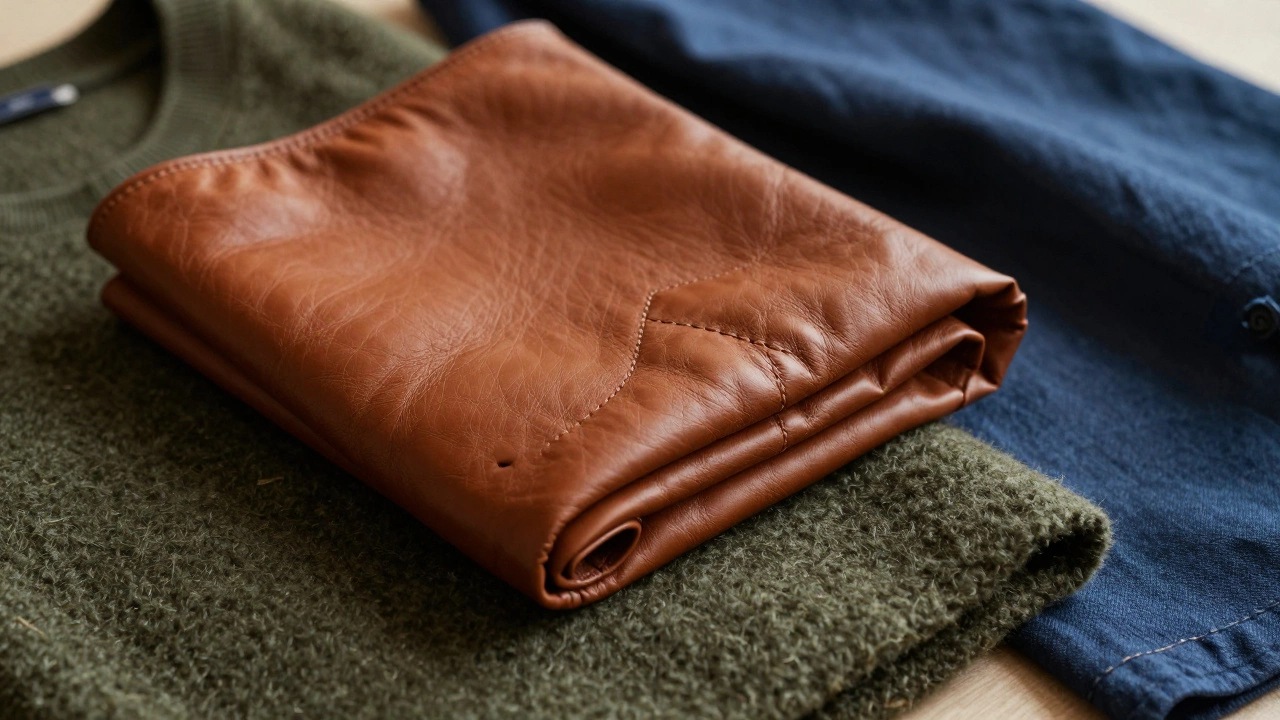
No discussion of 2024 outerwear is complete without addressing Leather Jackets. While moto styles had been popular for decades, the revival in 2024 focused on softer tannings and ethical sourcing. Designers moved away from the stiff, heavy blacks of previous years and introduced buttery textures in cognac and olive green.
- Crochet detailing appeared on lapels, adding a handmade touch.
- Bio-based leathers became standard rather than a niche option.
- Relaxed fits replaced the traditional fitted silhouettes seen in the early 2010s.
This wasn't just about aesthetics; it reflected a broader cultural desire for comfort without sacrificing durability. Consumers were willing to pay a premium for transparency regarding material origins.
The Rise of Technical Puffers
Puffer Jackets shed their reputation as purely athletic gear and entered the realm of high fashion. In 2024, brands utilized down alternatives that offered superior insulation without compromising breathability. The quilting patterns became smaller and tighter, giving the fabric a smoother, more tailored appearance suitable for formal layering.
You might remember seeing these at airport terminals and city centers alike. The color palette expanded significantly beyond navy and black. Earth tones dominated the landscape, mirroring the general movement toward nature-inspired palettes. Functionality met style through hidden zippers and magnetic closures that kept clean lines intact.
Oversized Blazers as Outerwear
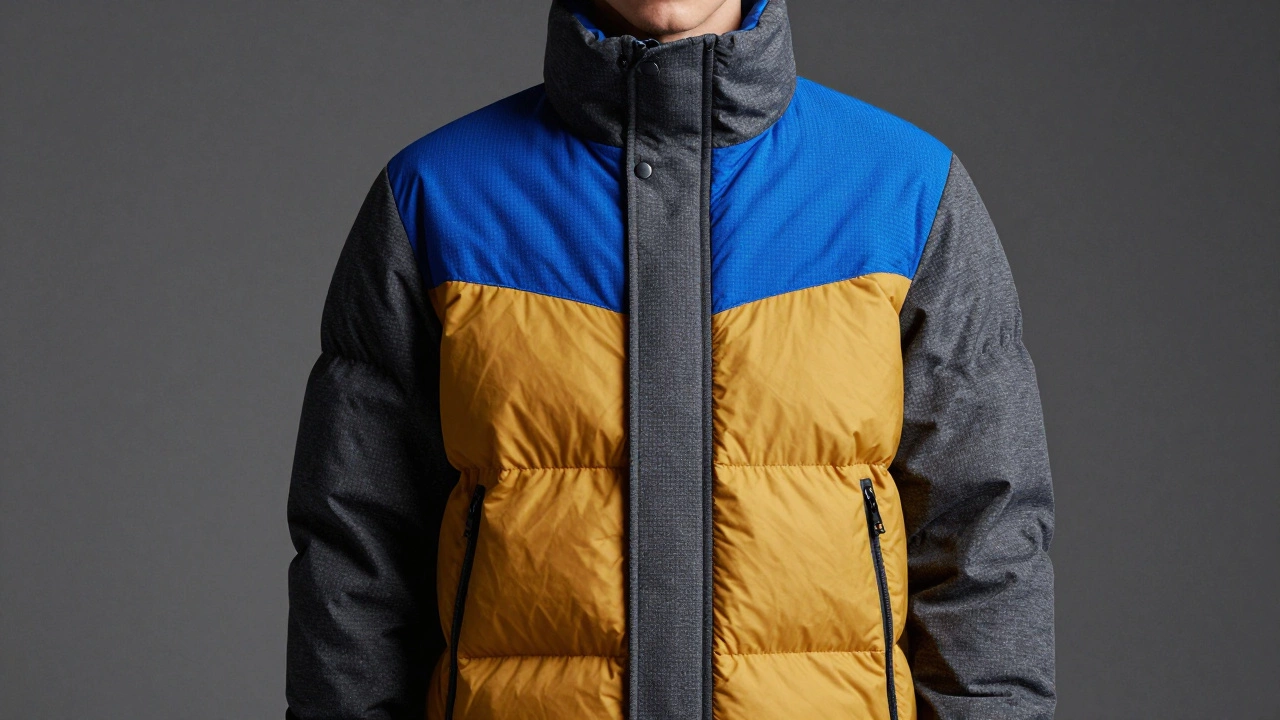
A defining moment for professional wear was the normalization of Oversized Blazers worn over hoodies or casual tees. This trend bridged the gap between smart casual and business attire. Shoulders were padded slightly to create a power silhouette, while the sleeves dropped longer to hit at the wrist bone rather than below it.
The construction changed too. Many blazers omitted lining entirely to reduce weight, making them ideal for unpredictable spring and autumn weather. People stopped treating jackets as separate categories from coats; instead, the line blurred. A wool blend blazer could serve as the outermost layer during colder mornings.
Sustainable Fabrics Leading the Pack
Ethical considerations became central to purchasing decisions. Sustainable Fabrics such as recycled polyester and organic cotton blends replaced virgin synthetics in mass-market options. Certifications like GOTS (Global Organic Textile Standard) became common knowledge among shoppers checking labels.
This shift influenced design choices heavily. Instead of dyeing fabrics dark colors that required heavy chemical processing, manufacturers opted for natural dyes derived from plants and minerals. Indigo, rust, and sage green were ubiquitous. Durability was prioritized over fast fashion turnover rates, encouraging consumers to buy fewer, higher-quality items.
Color Blocking and Bold Statements
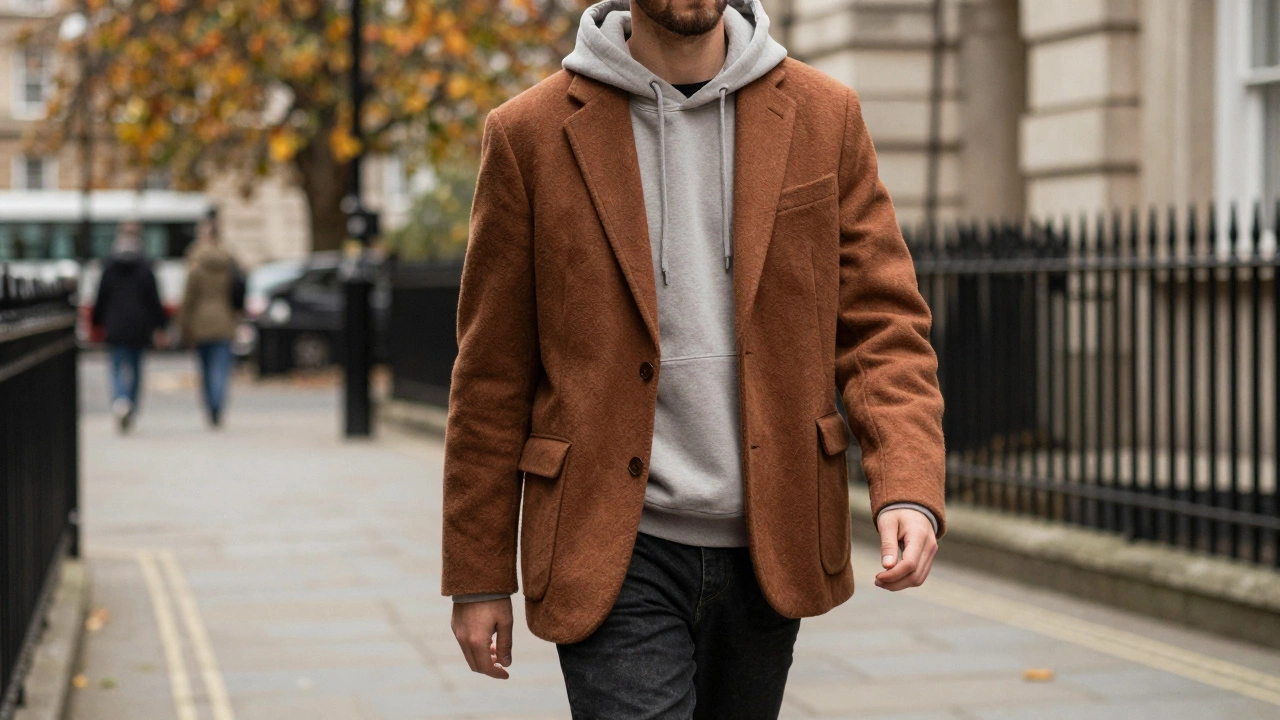
Monochrome dressing had its place, but 2024 saw a resurgence of Color Blocking within jacket designs. Panels of contrasting hues were stitched together to create visual interest without relying on prints. Electric blues met mustard yellows; charcoal greys clashed intentionally with bright oranges.
This wasn't chaotic; it followed specific color theory rules. Designers used split-complementary schemes to ensure harmony. For the average wearer, this meant stepping out of neutral safety zones and experimenting with brighter accents. Even accessories like hoods and cuffs were designed to pop against the base color of the garment.
Vintage Revival Styles
Nostalgia played a massive role. Vintage Style influences pulled heavily from the 1990s. Denim jackets with acid washes returned, but with modern ergonomic cuts that accommodated movement better than their original counterparts. Corduroy also made a comeback, favored for its tactile quality and warmth during cooler months.
Thrift shopping spiked because collectors sought authentic pieces from previous eras to pair with modern basics. Online marketplaces saw increased activity for mid-century parkas and anoraks. The goal was authenticity rather than replication, valuing the wear and tear of genuine aged materials.
How to Style These Looks Now
Even though we are looking back at a specific season, these styles remain versatile today. Pairing a structured leather piece with relaxed trousers maintains a balanced outfit. If you opt for a puffer, keep the bottom half slim to offset the volume up top. Layering remains crucial; turtlenecks work perfectly underneath open fronts.
Don't be afraid to mix textures. Smooth leather against rough corduroy creates depth. Consider the condition of your garments; well-maintained items signal good taste regardless of the year they were purchased. Investing in timeless cuts ensures longevity beyond the immediate trend cycle.
Which jacket trend lasted the longest from 2024?
The oversized blazer trend proved to have the most longevity. Unlike seasonal color shifts, the structural change in tailoring fit seamlessly into permanent wardrobe rotations and continued to influence business attire well beyond that specific year.
Are vegan leather jackets worth buying?
Yes, specifically those using bio-based materials. By 2024, technology improved significantly so that plant-based leathers mimicked the grain and durability of animal hide, offering a cruelty-free option that stands up to daily wear.
How should I store heavy winter jackets?
Always hang heavy coats on wide padded hangers to maintain shoulder shape. Avoid vacuum bags for long-term storage as compression damages insulation fibers. Instead, use breathable garment bags in a cool, dry closet space.
What fabrics define sustainable fashion?
Look for certifications like GOTS. Key materials include organic cotton, recycled polyester, hemp, and Tencel. These fabrics require less water and energy during production compared to conventional textiles used in older manufacturing processes.
Can I wear puffer jackets with suits?
Absolutely. Thin-line quilted puffers are designed to fit inside suit jackets or over waistcoats. Opt for monochrome colors to keep the look sharp rather than sporty, ensuring the transition from office to commute is smooth.