
Ever shown up to an event and felt instantly out of place? You wore a nice dress, but everyone else looked like they stepped out of a movie. Or maybe you went too fancy and spent the whole night feeling like a princess at a picnic. The problem isn’t your taste-it’s not knowing the levels of dress code. Evening dress codes aren’t just suggestions. They’re unspoken rules that tell you exactly what to wear, when, and why.
White Tie: The Highest Level of Formality
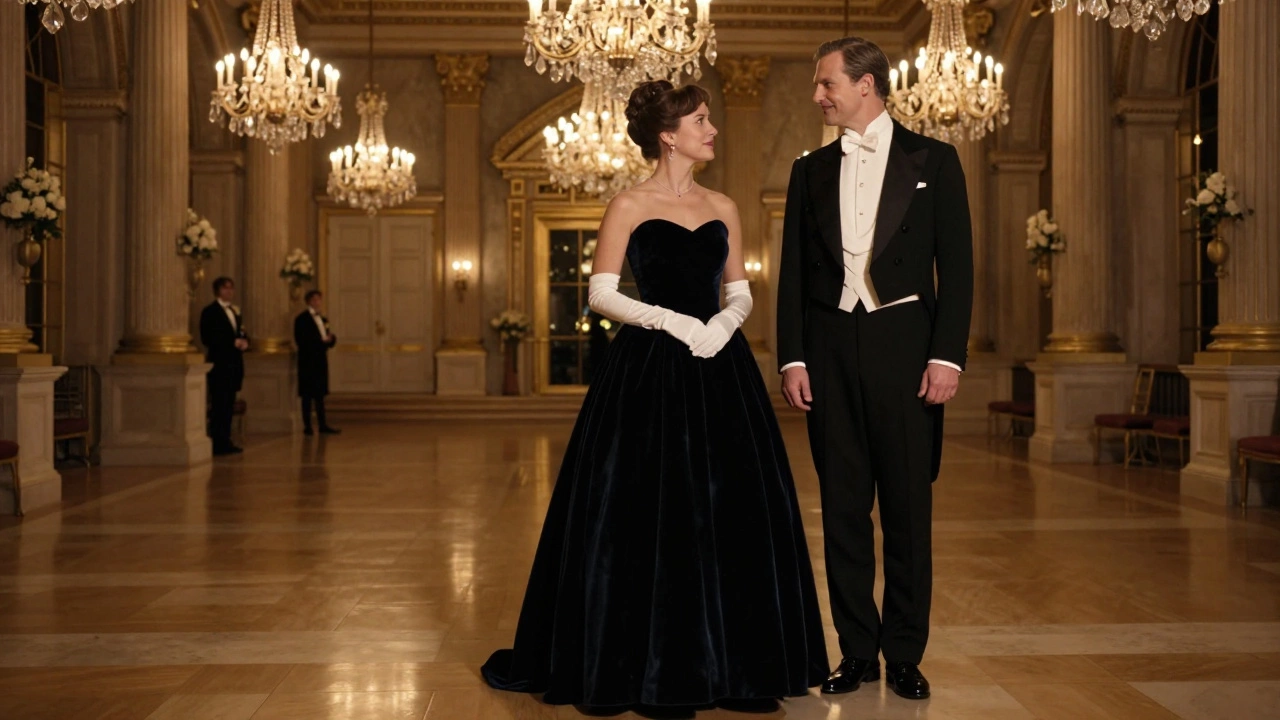
White tie is the most formal dress code you’ll ever encounter. It’s rare, reserved for state dinners, royal events, or the most prestigious galas. If you’re invited to a white tie event, you’re being honored. For women, this means a full-length ball gown-think silk, satin, or velvet-with long gloves and formal jewelry. No short dresses. No sandals. No clutch bags that look like they came from a department store sale. The dress should flow, not cling. Hair is usually up, and heels are expected, but not stilettos that click across marble floors.
Men wear a black tailcoat with satin lapels, matching trousers with a satin stripe, a white piqué waistcoat, a white bow tie, and white gloves. Shoes are patent leather. No exceptions. This isn’t fashion-it’s tradition. The last time white tie was common in the UK was in the 1970s. Today, it’s mostly seen at the Royal Ascot’s Garden Party or at formal award ceremonies in London.
Black Tie: The Classic Evening Standard
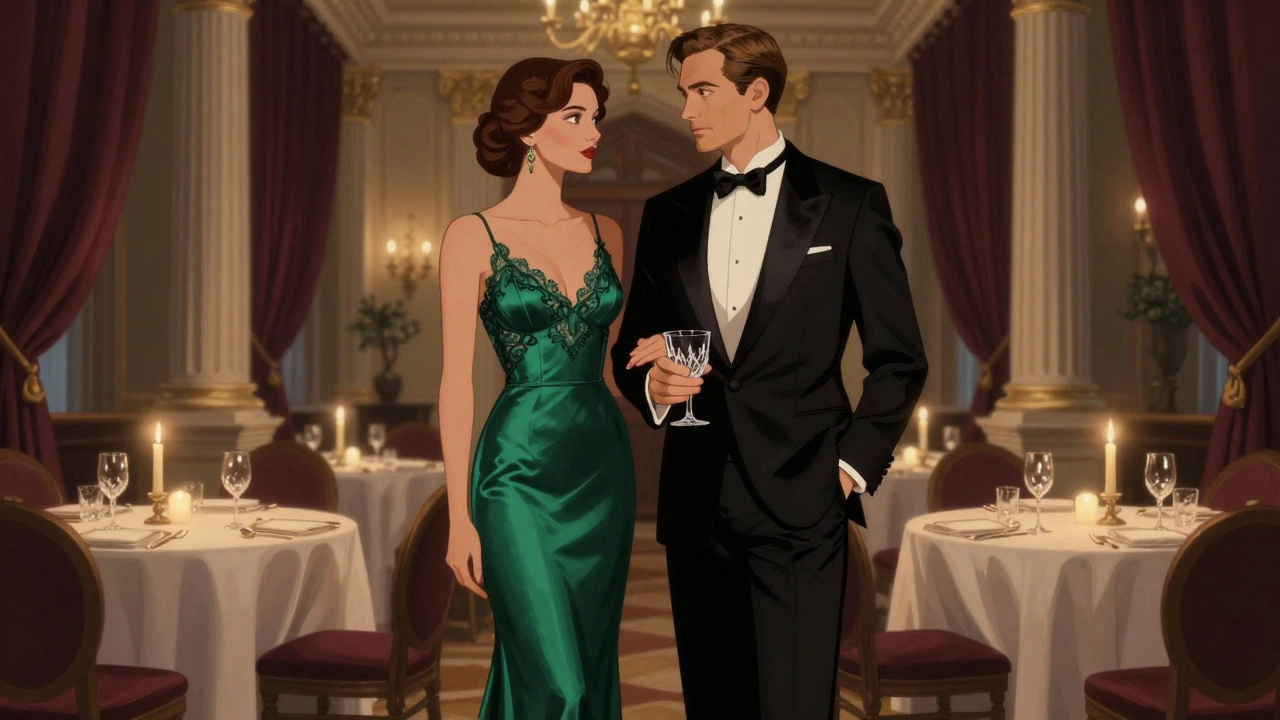
Black tie is what most people think of when they hear "formal evening wear." It’s the standard for weddings, charity balls, opera openings, and upscale restaurant dinners. For women, this means a floor-length or tea-length evening dress. You can wear sequins, lace, or chiffon. A bold color is fine-emerald, ruby, or even gold. But avoid anything too casual: no strapless if it looks like a party dress, no crop tops under a jacket, no sneakers disguised as heels.
Men wear a tuxedo: black jacket with satin lapels, matching trousers, a white dress shirt, a black bow tie, and black patent leather shoes. A cummerbund or waistcoat is required. No tie. No suit. A regular suit is a hard no. Even if it’s black, it’s not a tuxedo. Tuxedos have satin details. That’s the difference.
Many people get this wrong. They think "black tie optional" means they can wear a dark suit. It doesn’t. "Optional" means you can choose between a tuxedo or a very sharp dark suit with a tie. But if you’re unsure, go with the tuxedo. It’s safer, and people will notice.
Black Tie Optional: The Gray Area
Black tie optional is the most confusing dress code out there. It’s used by event planners who don’t want to scare people away with strict rules. But here’s the truth: it’s still formal. You’re not supposed to wear jeans. Or a blazer with chinos. Or a cocktail dress with flats.
Women: A long dress is still ideal. If you go shorter, make sure it’s elegant-think silk, structured, with fine details. Heels are non-negotiable. A statement necklace or earrings help elevate the look.
Men: You can wear a tuxedo, but you can also wear a dark, well-tailored suit-navy or charcoal-with a tie, not a bow tie. A pocket square is a must. Shoes should be oxfords or loafers, but never suede or casual leather. If you wear a suit, it needs to be sharp enough to pass for a tuxedo from 10 feet away.
Pro tip: If the invitation says "black tie optional," check the venue. Is it a grand hotel ballroom? Go formal. Is it a rooftop bar? You can ease up a little. But never underestimate the power of a well-fitted suit.
Semi-Formal: The Most Common Evening Dress Code
Semi-formal is what you’ll see at holiday parties, anniversary dinners, or upscale birthday celebrations. It’s the sweet spot between "dressy" and "casual." For women, this means a cocktail dress-knee-length or just above or below the knee. Fabrics like lace, velvet, or brocade work well. You can wear bold prints, but avoid anything too flashy or party-themed. Think "elegant night out," not "Halloween in December."
Accessories matter here. A clutch, delicate jewelry, and closed-toe heels complete the look. Barefoot sandals? No. Flip-flops? Absolutely not. Even if it’s a summer party, semi-formal means you’re still dressing up.
Men wear a suit-dark or medium gray, navy, or even a rich brown. No patterns unless it’s a subtle pinstripe. A button-down shirt with a tie is standard. A tie clip or pocket square adds polish. Shoes should be leather, polished, and closed. Loafers are acceptable if they’re dressy, but never with socks pulled up to your calves.
Many people think "semi-formal" means "business casual." It doesn’t. A blazer with jeans? Not semi-formal. A polo shirt? Not even close. This is still evening wear. You’re not going to a pub. You’re going to dinner.
Cocktail Attire: The Modern Evening Standard
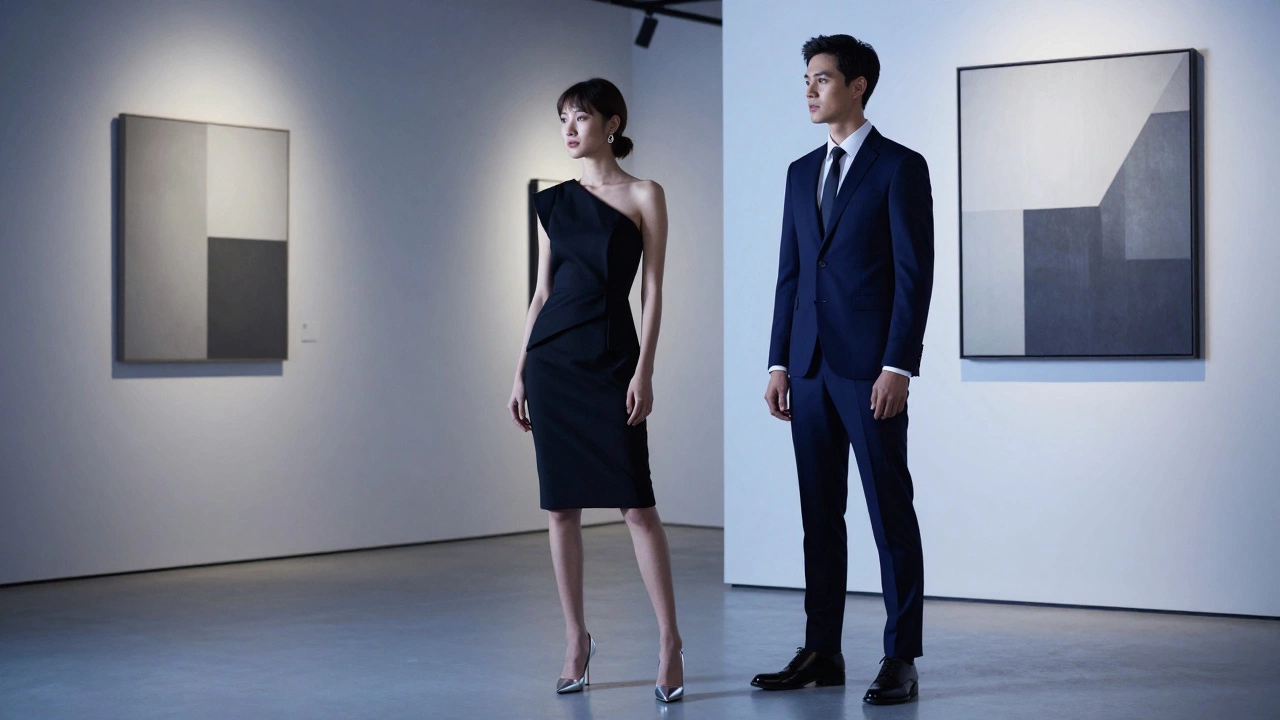
Cocktail attire is the most flexible-and most misused-dress code today. It’s common for work parties, gallery openings, or evening weddings. It’s not as strict as semi-formal, but it’s not casual either.
For women: A knee-length dress is perfect. You can wear a jumpsuit, a tailored skirt and top, or even a sleek dress with sleeves. The key is structure. Avoid anything too loose, too sheer, or too casual. A little sparkle is fine. A sequin mini? Maybe, but only if it’s high-quality and fits well. Bare shoulders are okay, but don’t go strapless unless the dress has a structured bodice.
Men: A suit is still the best choice. But you can skip the tie if the event is relaxed. A button-down shirt with rolled sleeves and a blazer works. Dark chinos with a blazer and loafers? Acceptable in some cities, but risky in York or London. Stick to a suit unless you’re certain the vibe is laid-back. And always wear polished shoes. No sneakers. Ever.
One thing to remember: cocktail attire is about balance. You want to look put together, not overdressed. It’s the dress code for people who want to look stylish without trying too hard.
Business Formal: When Work Meets Evening
Business formal isn’t often used for evening events, but it pops up at corporate galas, industry award nights, or client dinners. It’s the blend of professional and elegant.
Women: A tailored dress or skirt suit in dark colors-black, navy, deep burgundy. No prints, no bright colors. The dress should be modest-no plunging necklines, no thigh-high slits. Heels are expected, but not over 3 inches. A structured handbag, minimal jewelry, and neat hair. Think "CEO at a gala," not "red carpet.
Men: A dark suit, white shirt, conservative tie. No tuxedo. No bow tie. No flashy cufflinks. Shoes should be oxfords, polished. A watch is fine. A pocket square? Optional, but recommended. This isn’t about fashion-it’s about projecting authority and professionalism.
What to Avoid at Every Level
No matter the dress code, some things never work:
- White dresses at weddings (unless you’re the bride)
- Flip-flops, sandals, or sneakers
- Overly casual fabrics like denim, cotton t-shirts, or athletic wear
- Too much glitter or sequins at formal events-it looks like a costume
- Wearing your partner’s tuxedo because it’s "close enough"
- Assuming "elegant" means "expensive"-a well-fitted dress from a high-street brand beats a poorly tailored designer piece
One of the biggest mistakes people make? They think dress codes are about money. They’re not. They’re about respect-for the event, the host, and yourself. A simple black dress with good tailoring will always outshine a flashy one that doesn’t fit.
How to Know Which Code to Follow
Here’s how to decode an invitation:
- Look for keywords: "white tie," "black tie," "cocktail," "semi-formal"
- Check the venue: A historic manor? Go formal. A modern loft? You can relax a bit.
- Look at the time: Events starting after 6 p.m. are usually more formal than daytime ones.
- Ask the host: If you’re unsure, it’s fine to say, "Just to be sure, what’s the dress code?" Most people appreciate the effort.
- Check the guest list: If you know someone going, ask them what they’re wearing.
When in doubt, lean toward formal. You can always take off a jacket. You can’t turn a sundress into a ball gown.
Final Tip: Fit Over Fashion
The best dress code outfit isn’t the most expensive. It’s the one that fits. A tailored black dress that hugs your shoulders and flows at the waist looks better than a $2,000 gown that’s two sizes too big. A tuxedo that’s not too tight or too loose makes you look confident, not like you borrowed it from your uncle.
Evening dress codes aren’t about rules-they’re about showing up as your best self. When you know what to wear, you stop worrying about what people think. And that’s when you really shine.
What’s the difference between black tie and white tie?
White tie is the most formal, requiring a full-length ball gown for women and a tailcoat with a white bow tie for men. Black tie is less formal, calling for a tuxedo and a black bow tie. White tie includes white gloves and patent shoes; black tie does not. White tie events are rare today-mostly royal or state functions. Black tie is common for weddings and galas.
Can I wear a short dress to a black tie event?
Technically, no. Black tie expects floor-length or tea-length dresses. Short dresses are acceptable at cocktail or semi-formal events, but not at true black tie. If you’re unsure, go longer. A short dress at a black tie event can look like you didn’t take the dress code seriously.
Is a navy suit okay for black tie optional?
Yes, but only if it’s sharp. A navy suit with a white shirt, tie, and polished oxfords works. It should look as close to a tuxedo as possible-no patterns, no casual fabrics. If the suit has a satin lapel, you’re even better off. But don’t wear it with a bow tie-that’s for tuxedos only.
Do I need to wear gloves to white tie?
Yes. Long gloves, usually white or black, are traditional and expected at white tie events. They’re part of the full formal ensemble. Skip them, and you’ll stand out-not in a good way. They’re not just for show; they complete the silhouette.
Can I wear heels with a cocktail dress?
Absolutely. Heels are standard with cocktail attire. They elevate the look and match the evening vibe. Stick to closed-toe styles in black, nude, or metallic. Avoid platform heels or anything too loud-this isn’t a nightclub. Comfort matters, but so does elegance.