
Royal Gown Craftsmanship Estimator
Estimate the potential cost of a bespoke gown by adjusting the level of hand-crafted detail. Based on the 6,000+ hours of labor used for the Middleton gown.
Cost Estimate
Quick Facts: The Gown at a Glance
- Designer: Sarah Burton for Alexander McQueen
- Key Materials: French lace, ivory satin gazar
- Construction Time: Over 6,000 hours of hand-work
- Estimated Cost: Approximately £40,000 to £90,000
Breaking Down the Cost of the McQueen Gown
To understand why the Kate Middleton wedding dress is estimated between £40,000 and £90,000, you have to stop thinking about it as a piece of clothing and start thinking about it as a piece of architecture. Unlike a ready-to-wear dress you'd find in a high-end boutique, this was a bespoke creation by Sarah Burton, the creative director of Alexander McQueen, a British luxury fashion house known for its avant-garde and meticulously tailored designs.
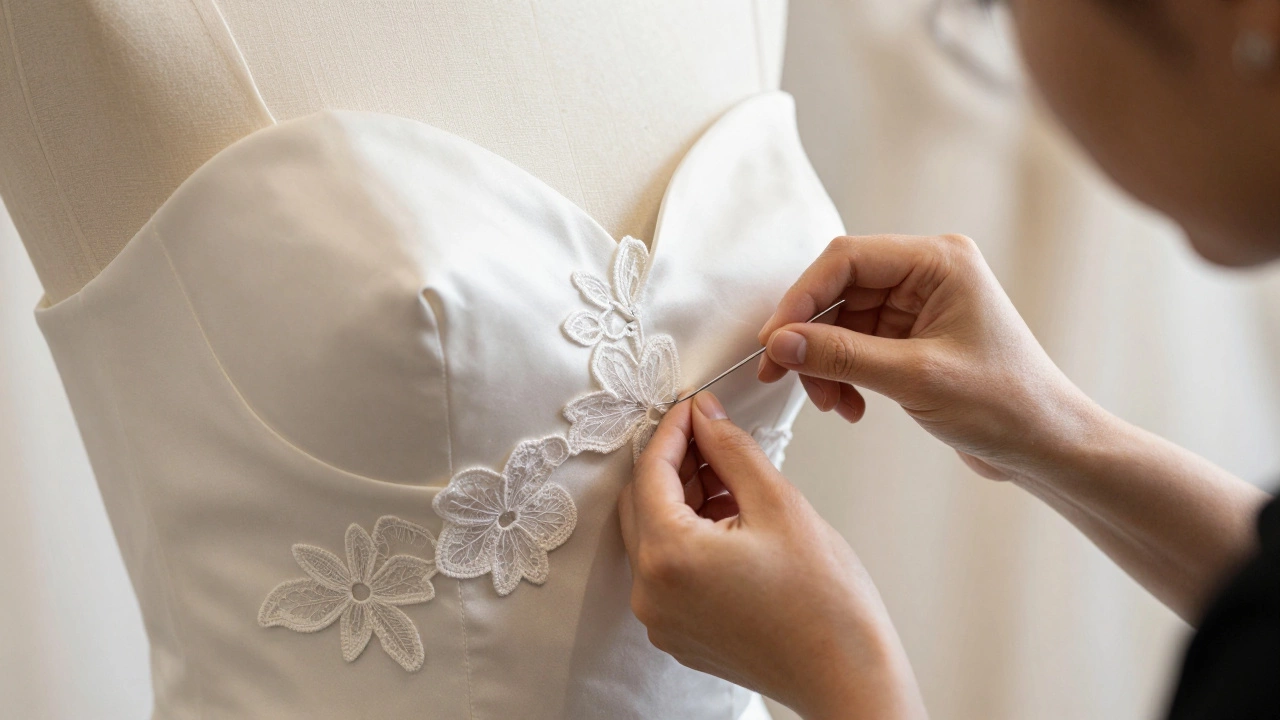
The bulk of the cost didn't go toward gold threads or diamonds, but toward the specialized labor of the lace wedding gown. The dress featured a complex combination of hand-cut lace appliques. Each flower and leaf was individually cut and then sewn onto the bodice and sleeves by a team of experts. In the world of haute couture, you aren't paying for the fabric as much as you are paying for the thousands of hours of human precision required to ensure the lace looks like it's growing naturally across the skin.
The base material, an ivory satin gazar, is a stiff, structured fabric that holds its shape. This wasn't a flimsy silk; it was a heavy-duty textile designed to support the weight of the lace and the structure of the bodice without collapsing under the pressure of a five-hour ceremony. When you factor in the cost of these premium materials and the sheer volume of man-hours, the estimated price range becomes much more realistic.
The Materials That Made It Iconic
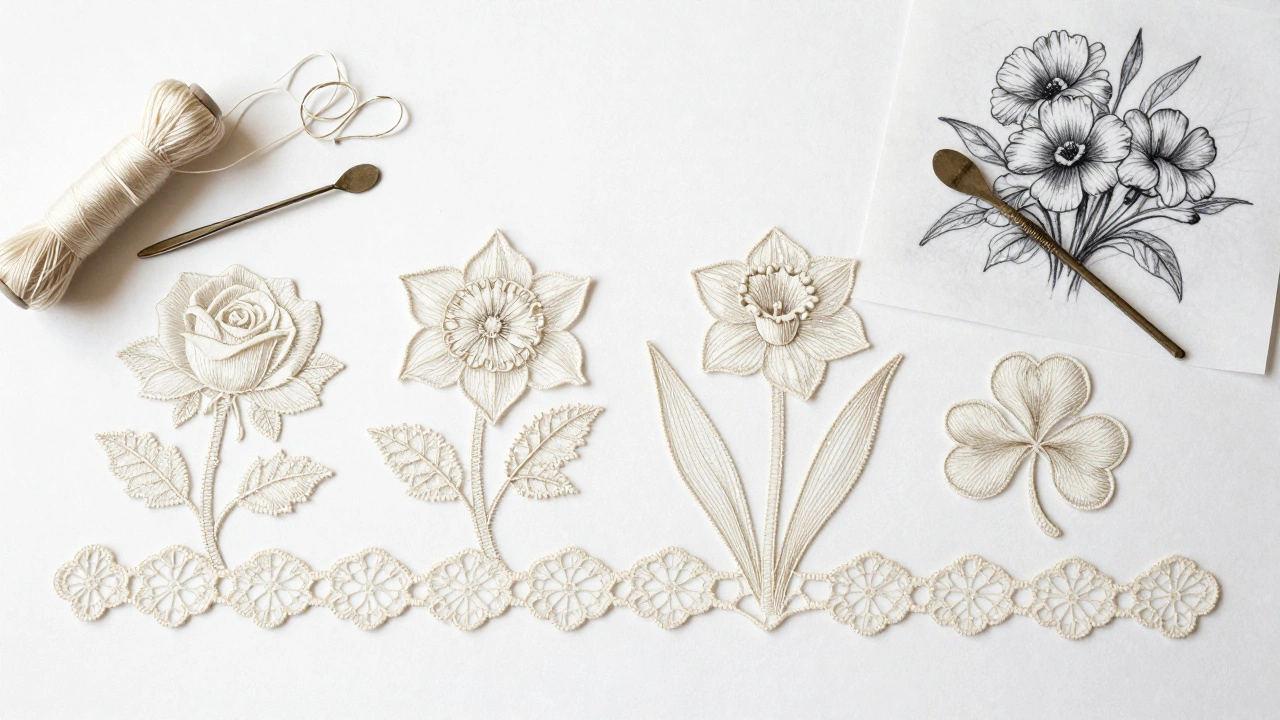
The dress wasn't just about a single type of lace. The designers used a technique called the "Carrickmacross" lace method. This is a traditional Irish style where the pattern is sketched onto a net fabric and then filled in with embroidery. To make the dress unique, the team integrated botanical symbols of the United Kingdom: the rose, thistle, daffodil, and shamrock.
| Component | Material/Technique | Value Contribution |
|---|---|---|
| Bodice | Satin Gazar & Corsetry | High - Required precise structural engineering |
| Sleeves/Neckline | Carrickmacross Lace | Very High - Thousands of hours of hand-stitching |
| Skirt | Ivory Satin | Medium - High-grade textile volume |
| Train | Integrated Lace Border | High - Complex transition from skirt to floor |
How Royal Funding Actually Works
Here is the part that surprises most people: the dress wasn't paid for by the taxpayers. While the wedding ceremony itself was a state event funded by the government, the personal attire-including the gown and the shoes-was paid for by the Middleton family and the groom. This is a standard protocol for the British Royal Family to avoid public backlash over personal luxury spending.
Because it was a private purchase, the exact invoice remains a secret. However, we can compare it to other royal gowns. For instance, Princess Diana's dress in 1981 was far more voluminous and used significantly more fabric, making it more expensive in today's adjusted currency. Kate's dress was a move toward "modern elegance," focusing on a slimmer silhouette and more intricate detailing rather than raw volume.
The Design Process: More Than Just a Fitting
The creation of the dress involved an intense collaboration between the bride and the design team. They didn't just pick a style from a catalog. Sarah Burton spent months perfecting the neckline and the slope of the shoulders to ensure it looked effortless while remaining modest. Every single stitch was scrutinized.
One of the most difficult parts of the process was the fitting. Because the dress was so structured, there was zero room for error. The bodice acted almost like a piece of armor, designed to keep the wearer perfectly poised throughout the walk down the aisle of Westminster Abbey. This level of tailoring is what separates a £5,000 wedding dress from a £50,000 masterpiece. You are paying for a garment that fits a specific human body with mathematical precision.
The Legacy and Influence on Bridal Trends
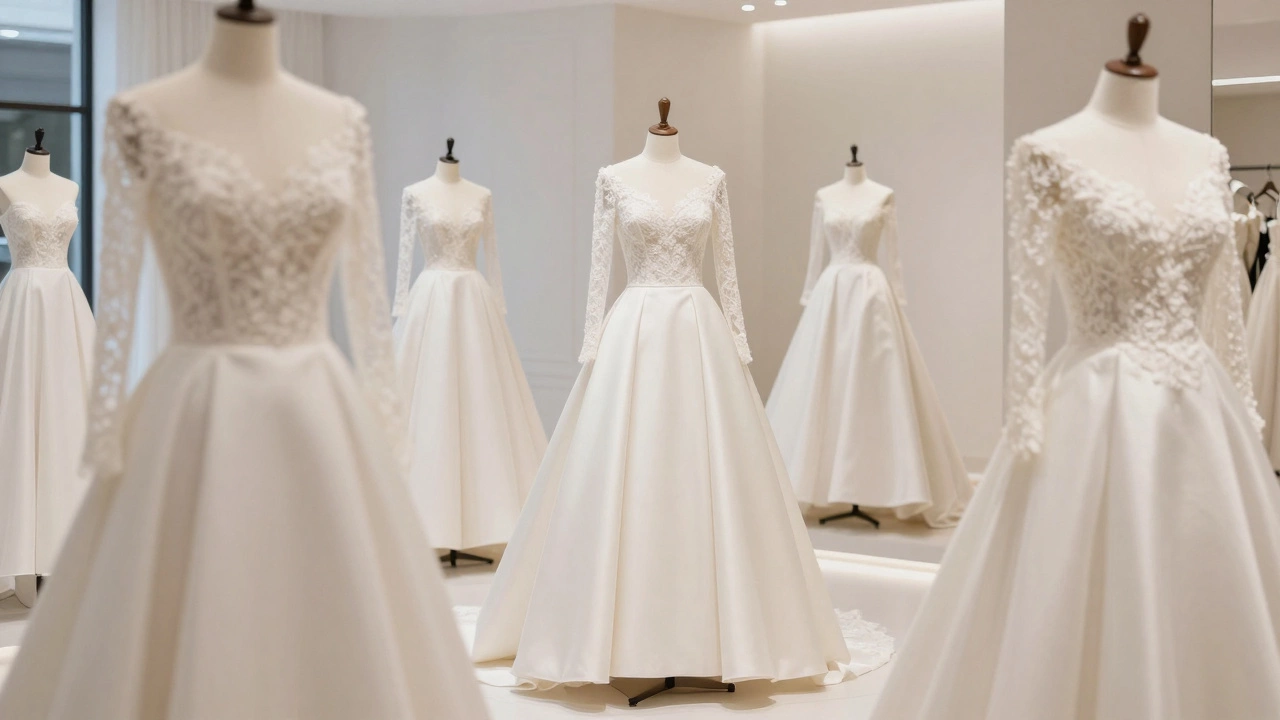
Whether the dress cost £40,000 or £90,000, its impact on the fashion industry was worth millions. After the wedding, there was a massive surge in the popularity of long-sleeved gowns and lace bodices. For years, bridal shops reported a "Kate effect," where brides moved away from strapless dresses and toward the more conservative, classic look of the McQueen design.
This shift proved that timelessness is more valuable than following a trend. The dress didn't look "out of style" the next year; instead, it set the gold standard for what a royal bride should look like. It balanced the tradition of the monarchy with the freshness of a modern fashion house, proving that you don't need to spend millions of pounds to create a global fashion moment.
Who designed Kate Middleton's wedding dress?
The dress was designed by Sarah Burton, who was the creative director of the luxury fashion house Alexander McQueen. She worked closely with Kate to create a custom gown that blended traditional royal expectations with a modern aesthetic.
Was the wedding dress paid for by the government?
No. While the public event was funded by the state, personal items like the dress, shoes, and accessories were paid for privately by the family. This is common practice for royal weddings to avoid controversy over public spending on personal luxury.
What kind of lace was used in the gown?
The gown featured a specialized technique known as Carrickmacross lace. This involves sketching a pattern onto net and embroidering over it. The design specifically included floral motifs of the rose, thistle, daffodil, and shamrock to represent the four nations of the UK.
How long did it take to make the dress?
It is estimated that over 6,000 hours of manual labor went into the creation of the dress. This includes the hand-cutting of the lace appliques and the precise structural tailoring of the satin gazar bodice.
Why is the cost of the dress estimated rather than known?
The Royal Family and the house of Alexander McQueen do not release private financial invoices for bespoke garments. The estimates are based on the costs of similar haute couture gowns, the materials used, and the known labor hours required for such intricate lace work.
What to do if you want a similar look
You don't need a royal budget to achieve a similar vibe. If you're planning a wedding and love the Kate Middleton look, focus on a few key elements. Look for gowns with an A-line silhouette and a structured bodice. Instead of full Carrickmacross lace, which is incredibly expensive, you can look for high-quality Alençon or Chantilly lace that offers a similar romantic feel without the bespoke price tag.
Another tip is to focus on the fit. The reason Kate's dress looked so expensive was because it fit her perfectly. Investing in a high-quality tailor to tweak a mid-range dress will do more for your overall look than spending thousands on a designer label that doesn't fit your frame correctly. A well-fitted, modest neckline and long lace sleeves are the fastest ways to mimic that royal elegance.