
Sundress vs. Summer Dress Matcher
Confused about what you're wearing? Answer these questions to find out if your garment fits the strict definition of a Sundress or the broader category of a Summer Dress.
Quick Reference Guide
| Attribute | Sundress | Summer Dress |
|---|---|---|
| Fabric | Very Light (Linen, Cotton) | Light to Medium (Silk, Poplin) |
| Coverage | Minimal (Spaghetti/Halter) | Variety (Short sleeves OK) |
| Vibe | Casual, Effortless | Seasonal, Versatile |
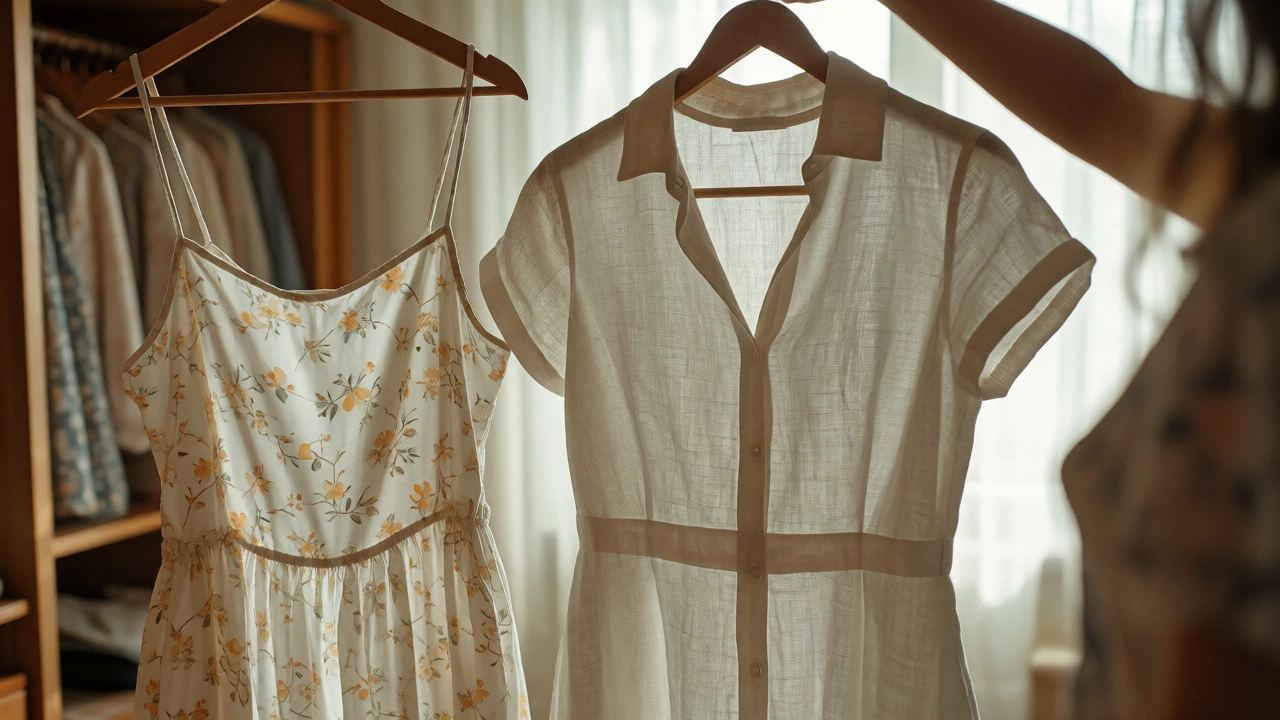
You’re standing in front of your closet, holding two light, flowy dresses that look nearly identical. One tag says "sundress," the other says "summer dress." You wear both to brunch, both to the beach, and both when it’s ninety degrees out. So, what gives? Is one just a marketing trick to sell you more clothes?
The short answer is no, but they aren’t exactly twins either. While the terms are often used interchangeably in casual conversation, there are subtle distinctions in cut, fabric weight, and intended occasion. Understanding these differences helps you pack smarter for vacation and dress appropriately for different social settings without feeling overdressed or underdressed.
At its core, a sundress is a specific type of informal, lightweight dress designed primarily for hot weather and sun exposure. It typically features thin straps, a loose fit, and breathable fabrics like cotton or linen. The term emphasizes function: keeping you cool while protecting your skin from direct sunlight during daytime activities.
Defining the Sundress
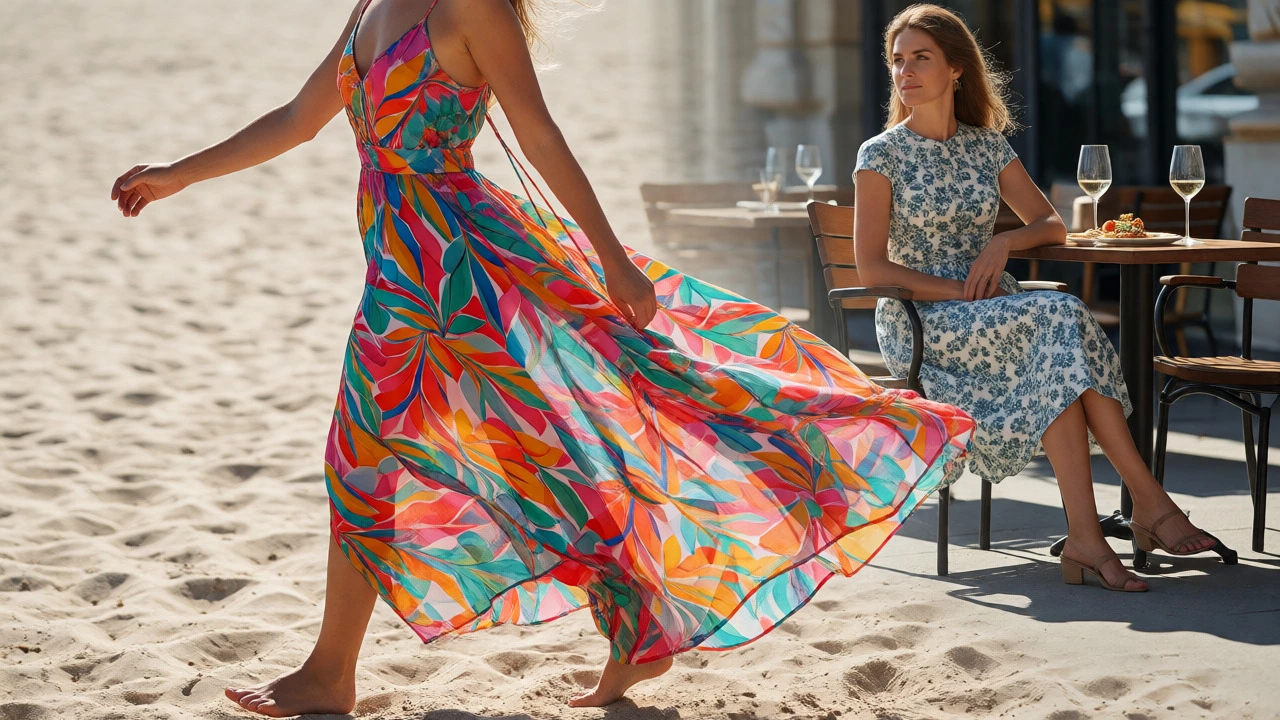
A sundress is strictly defined by its utility in heat. Think of it as the uniform of lazy afternoons. The defining characteristic is usually the neckline and strap structure. Most traditional sundresses have spaghetti straps or halter necks because less fabric means better airflow. If you’re sweating through a thick polyester blend, it’s probably not doing its job as a true sundress.
Fabric choice is non-negotiable here. Cotton, chambray, and lightweight linen dominate this category. These materials wick moisture and allow air circulation. Synthetic blends can work if they are engineered for breathability, but heavy synthetics trap heat, defeating the purpose. The silhouette is almost always relaxed. A sundress doesn’t hug your curves tightly; it skims them. This looseness prevents the fabric from sticking to your skin when humidity spikes.
Length varies, but mini and midi lengths are most common. Maxi sundresses exist, but they must be made of extremely light material to avoid becoming a sauna suit. Patterns tend toward floral prints, bright colors, or simple solids-nothing too dark or formal. The vibe is effortless. You throw it on, maybe add sandals, and you’re ready for a picnic.
Understanding the Summer Dress
The term "summer dress" is broader. It’s an umbrella category that includes sundresses but also encompasses styles suitable for warmer months that might not meet the strict criteria of a sundress. A summer dress is any dress worn during the summer season, regardless of whether it has thin straps or heavy fabric.
For example, a sleeveless shirt dress made of heavier cotton poplin is a summer dress, but it’s rarely called a sundress because it lacks the delicate, airy aesthetic. Similarly, a structured sheath dress in a light wool blend could be considered a summer office dress, but calling it a sundress would feel wrong. It’s too formal, too structured.
Summer dresses accommodate a wider range of occasions. You might wear a linen button-down dress to a client meeting (summer appropriate) or a chiffon maxi to a garden wedding (also summer). A sundress, by contrast, is rarely appropriate for formal events. Its casual nature limits its versatility in professional or ceremonial contexts.
Key Differences at a Glance
To clear up the confusion, let’s break down the attributes side-by-side. Notice how the overlap exists, but the boundaries are distinct.
| Attribute | Sundress | Summer Dress |
|---|---|---|
| Primary Purpose | Cooling & Sun Protection | Seasonal Appropriateness |
| Fabric Weight | Very Light (Cotton, Linen) | Light to Medium (Poplin, Silk, Blends) |
| Straps/Sleeves | Thin Straps, Halter, Sleeveless | Any (Short sleeves, cap sleeves allowed) |
| Formality Level | Casual to Semi-Casual | Casual to Business Casual |
| Typical Occasion | Beach, Picnic, Errands | Office, Brunch, Wedding, Vacation |
When to Choose Which
Choosing between the two depends entirely on your agenda for the day. If you’re heading to the boardwalk, a pool party, or running quick errands in high heat, reach for the sundress. Its minimal coverage and maximum breathability are designed for movement and comfort in direct sun. You won’t care about looking polished; you care about staying cool.
If you have a lunch date at a nice restaurant, a morning meeting, or a church service, a summer dress is the safer bet. These situations require a bit more structure. A sundress with spaghetti straps might require a cover-up or shawl to be deemed appropriate, whereas a summer dress with short sleeves or a higher neckline stands on its own. The summer dress offers flexibility-it respects the season’s temperature without sacrificing social norms.
Consider the venue’s air conditioning, too. Many indoor spaces blast AC in July. A sundress might leave you freezing indoors, forcing you to carry a jacket all day. A slightly heavier summer dress provides a buffer against aggressive cooling systems while still keeping you comfortable outside.
Common Misconceptions
One major myth is that all white dresses are sundresses. False. A white silk slip dress is elegant and summery, but it’s not a sundress. Sundresses imply a certain ruggedness or ease. They are meant to get sandy, stained, and crumpled. A delicate silk dress requires careful handling, moving it out of the sundress category into general evening or cocktail wear.
Another misconception is that length dictates the category. People often assume maxi dresses are always sundresses. Not true. A heavy velvet maxi is a winter dress. A structured jersey maxi is a casual everyday dress. Only if the maxi is made of gauzy cotton or linen with thin straps does it cross over into sundress territory. Fabric and construction matter more than hemline.
Styling Tips for Maximum Versatility
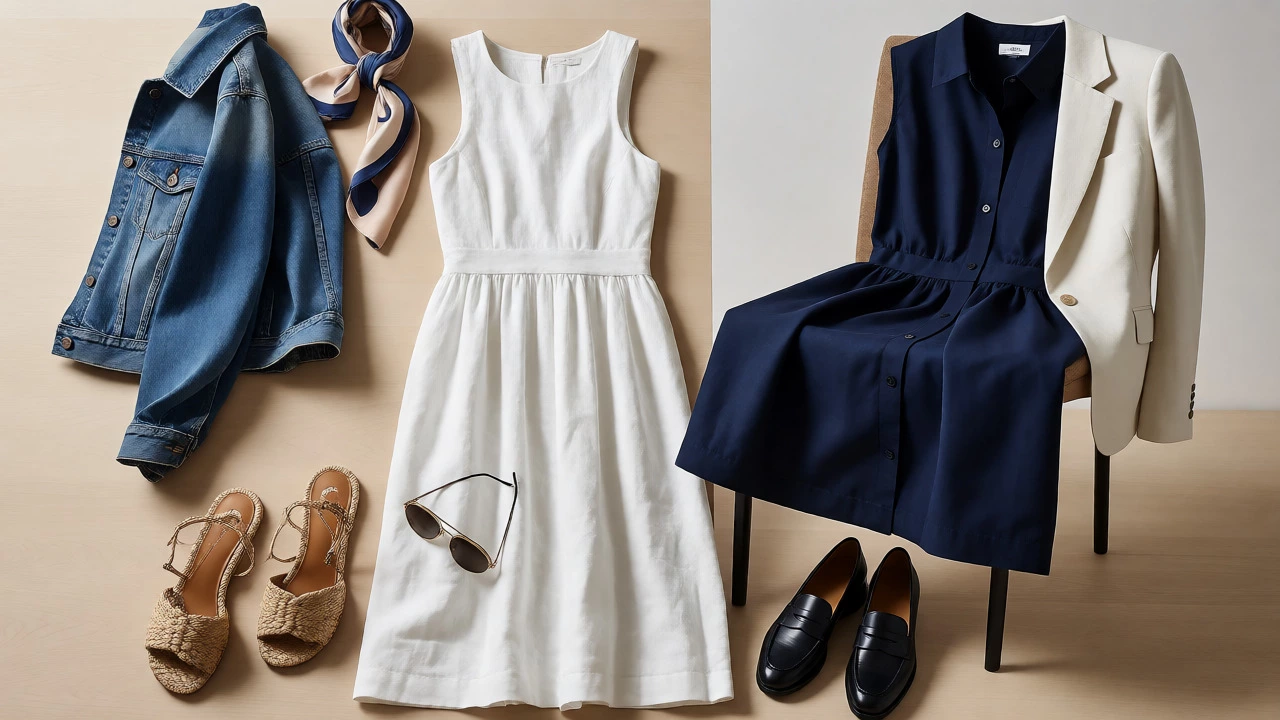
You don’t need separate closets for each. Here’s how to make one dress do double duty. Take a borderline case: a midi dress with wide straps and medium-weight cotton. Is it a sundress? Maybe not technically. But if you pair it with flip-flops and a straw hat, it functions as a sundress. Swap the shoes for loafers and add a blazer, and it becomes a summer work dress.
Accessories bridge the gap. A denim jacket turns a fancy summer dress into a casual sundress vibe. Conversely, a cardigan makes a sundress office-appropriate. Focus on the base garment’s neutrality. Neutral colors and simple patterns transition easier between categories than loud, novelty prints which lock a dress into casual use only.
Invest in quality basics. A well-made linen sundress will last years and serve multiple roles. Cheap synthetic sundresses lose shape quickly and look cheap when dressed up. For summer dresses that need to hold structure, look for natural fibers with a slight stretch or good tailoring. The investment pays off when one piece covers three different outfits.
Can I wear a sundress to a summer wedding?
Generally, no, unless the invitation specifies "beach casual" or "garden casual." Traditional sundresses are too informal for most weddings due to their thin straps and casual fabrics. Opt for a summer dress with more structure, such as a sleeveless shift or a wrap dress in a nicer fabric like silk or high-quality linen, instead.
Is a maxi dress automatically a sundress?
No. Length alone does not define a sundress. A maxi dress made of heavy knit, velvet, or structured polyester is not a sundress. To qualify as a sundress, a maxi must be made of lightweight, breathable fabric like cotton or linen and typically feature thin straps or a halter neck designed for hot weather.
What is the best fabric for a true sundress?
100% cotton, linen, or rayon viscose are the top choices. These natural or semi-synthetic fibers breathe well and absorb sweat. Avoid heavy polyester or satin, which trap heat and cause discomfort in high temperatures. Chambray is also a great option for durability and style.
Why are sundresses so popular?
They offer maximum comfort with minimal effort. In hot climates, reducing fabric coverage lowers body temperature significantly. Their easy-care nature (many are machine washable) and forgiving fits make them ideal for travel and daily wear where comfort takes priority over formality.
Can a summer dress have long sleeves?
Yes. Unlike sundresses, which almost always expose shoulders and arms, summer dresses can have short, cap, or even long sleeves if the fabric is light enough (like sheer chiffon or fine cotton). This makes them suitable for variable weather or conservative dress codes.