
Summer Dress Fit Finder
Result Title
Subtitle
Why It Works
Description goes here.
Styling Tips
Standing in front of your closet on a hot July morning, you reach for that sundress you loved last year. But when you pull it on, the fabric clings to your midsection in a way that feels restrictive and unflattering. You’re not alone. Body shape changes, and what worked five years ago might not work today. The good news? Summer dresses are incredibly versatile, and with the right cuts and fabrics, you can look cool, confident, and stylish without feeling like you’re fighting your outfit.
The goal isn’t to “hide” your body. It’s to highlight what you love while creating a balanced silhouette. Let’s break down exactly how to choose and style summer dresses that work with your natural shape, specifically focusing on the midsection.
Key Takeaways
- A-line silhouettes are the most forgiving cut for midsection definition because they skim rather than cling.
- Empire waists define the smallest part of your torso just under the bust, drawing attention upward.
- Fabric matters as much as fit: stiff cottons or linens hold their shape better than thin synthetics.
- Strategic draping and ruffles can add volume where you want it and soften areas you don’t.
- Accessories like belts or scarves can redirect focus away from the belly area if desired.
Understanding Your Silhouette: Why Fit Matters More Than Size
Before picking a specific dress style, take a moment to understand how different cuts interact with your body. Many women assume that “loose” means comfortable, but oversized clothing often creates bulk everywhere, making the midsection look larger than it is. Conversely, tight-fitting dresses can emphasize every curve, which might feel exposing if you’re self-conscious about your tummy.
The sweet spot lies in structured yet fluid designs. Think of a dress that has enough shape to hold its own structure but enough drape to move with your body. This balance prevents the “tent effect” (where clothes hang straight down and hide all curves) and avoids the “cling effect” (where fabric sticks to skin). For those with belly fat, the key is vertical lines and strategic volume.
The Best Cuts for Midsection Flattery
Not all dresses are created equal when it comes to midsection styling. Here are the four most effective cuts to look for, along with why they work:
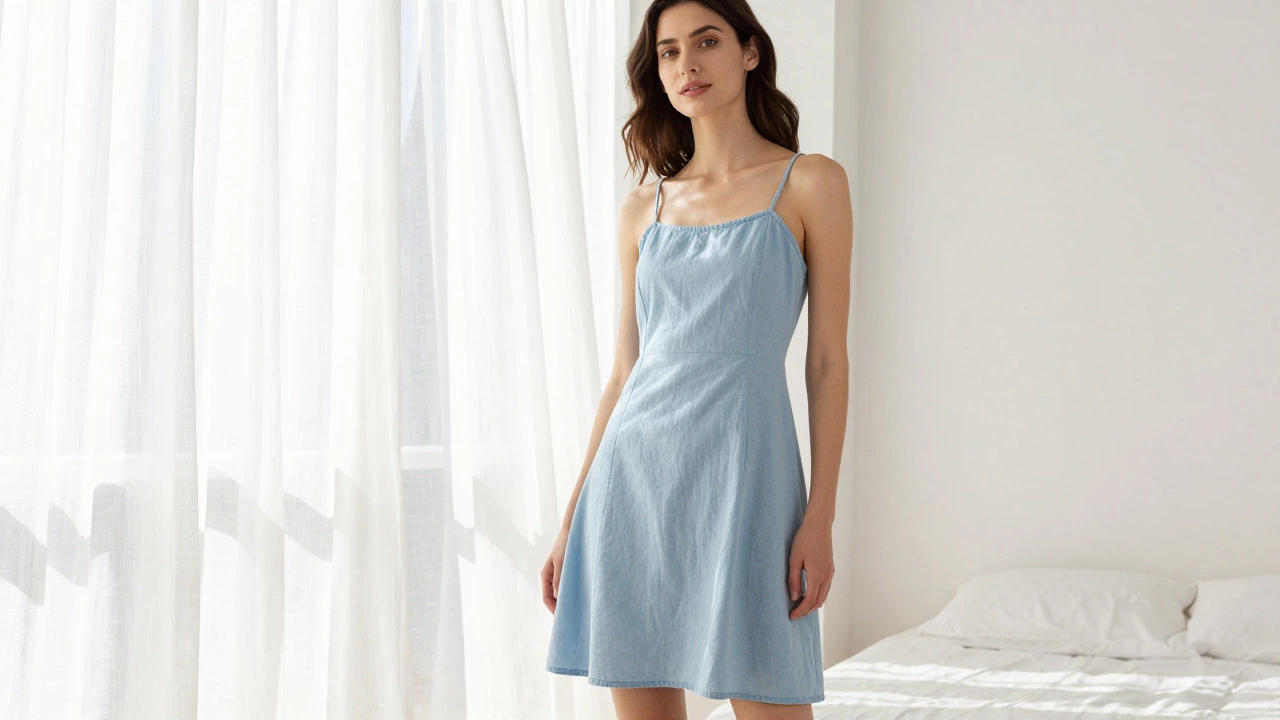
- A-Line Dresses: An A-line dress fits at the shoulders and gradually widens toward the hem, resembling the letter 'A'. This cut skims over the hips and thighs without clinging. It’s the safest bet for most body types because it creates a gentle flow that doesn’t emphasize the waistline directly. Look for styles with a defined shoulder seam to anchor the top half.
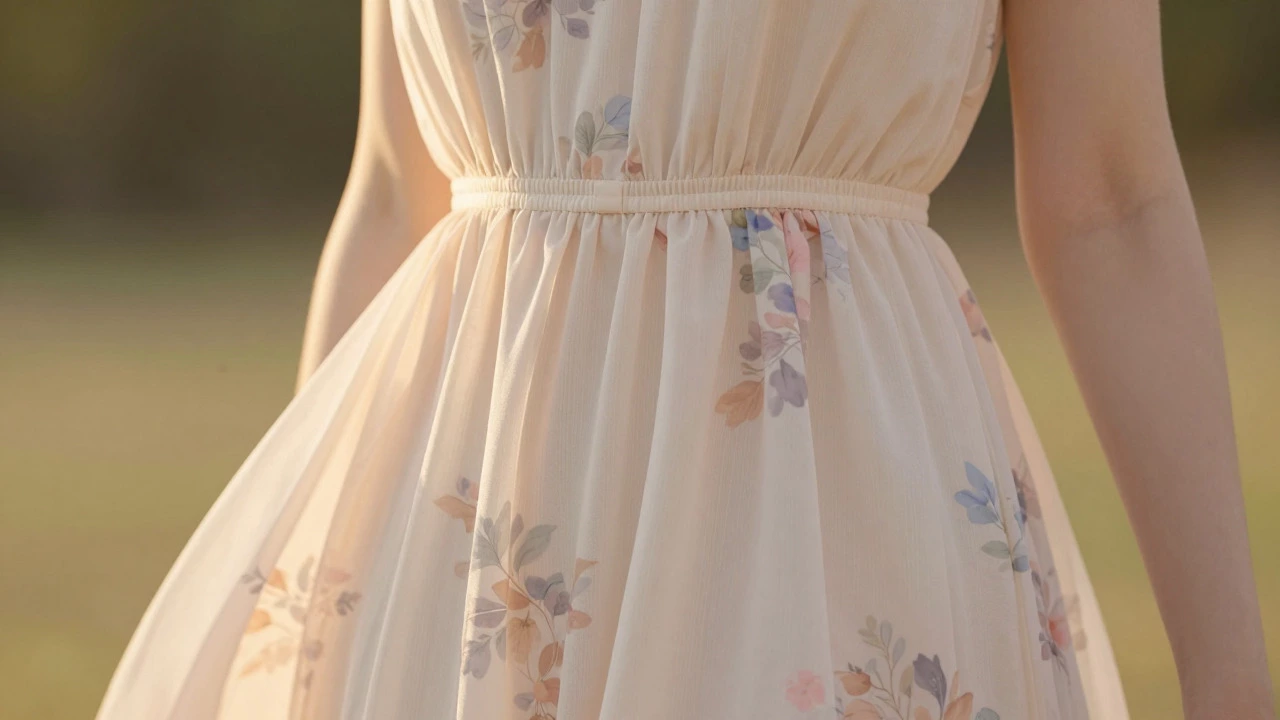
- Empire Waist Dresses: An empire waist dress features a seam that runs horizontally just below the bust, with the skirt falling freely from that point. This is arguably the most flattering option for belly concerns because it highlights your narrowest point (usually the ribcage) and lets the rest of the fabric drape loosely over the stomach. It’s especially popular in bohemian and romantic styles.
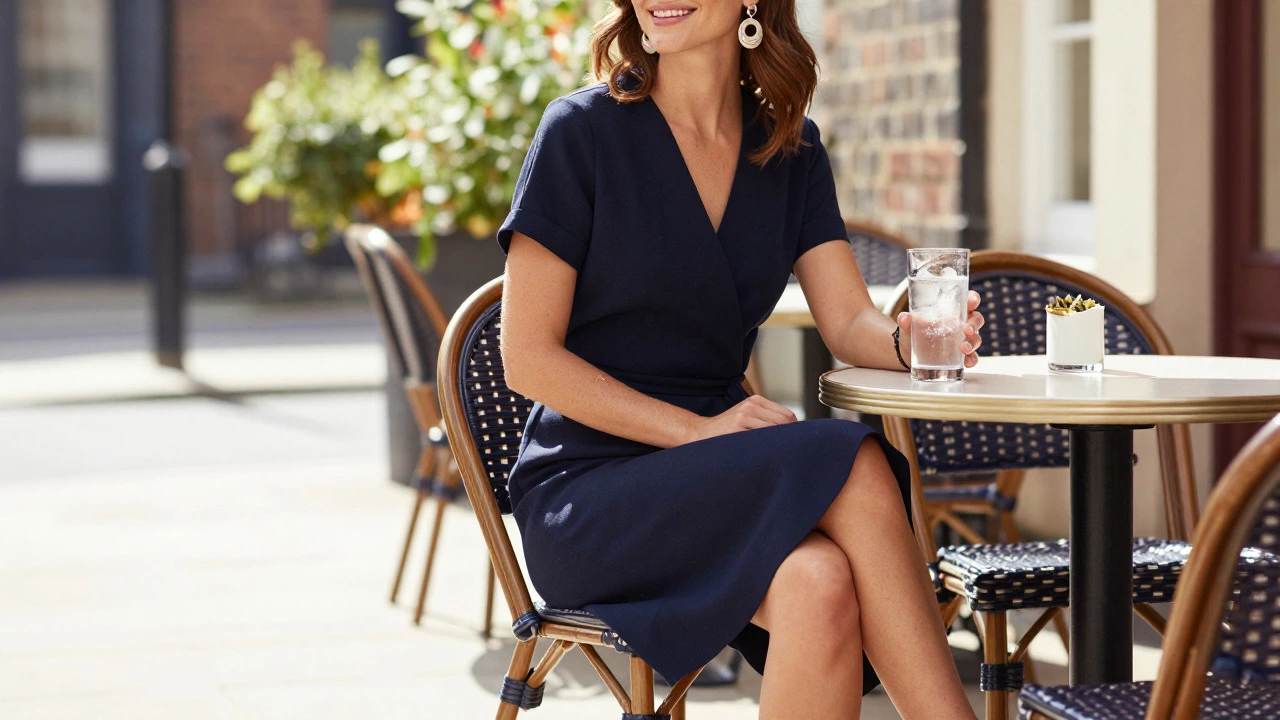
- Wrap Dresses: A wrap dress consists of two panels that cross over each other and tie at the side or back, creating a V-neckline and a cinched waist. The magic here is adjustability. You can tighten or loosen the tie to create the exact amount of compression you prefer. The diagonal line of the wrap also draws the eye vertically, elongating the torso.
- Shift Dresses with Draping: A shift dress is a loose, boxy garment that hangs straight from the shoulders, often featuring gathered or draped fabric at the waist. While basic shift dresses can be bulky, those with intentional draping (like ruching or pleats) create visual interest that distracts from the midsection. The movement of the fabric adds dimension without tightness.
Fabric Selection: The Unsung Hero
You can buy the perfect cut, but if the fabric is wrong, the dress will still fail. Thin, lightweight materials like chiffon or sheer mesh tend to stick to the body, outlining every contour. Heavy, stiff fabrics like thick denim or heavy wool can add unnecessary bulk, making you look wider than you are.
For summer dresses aimed at flattery, look for medium-weight fabrics with some body. Linen blends, cotton poplin, and viscose are excellent choices. They hold their shape well, breathe in the heat, and have enough weight to fall smoothly over the midsection without clinging. Avoid satin or silk unless the dress has a structured lining, as these materials are notoriously clingy.
| Cut Type | Best For | Why It Works | Fabric Recommendation |
|---|---|---|---|
| A-Line | General everyday wear | Skims hips, avoids clinging | Cotton, Linen blend |
| Empire Waist | Pregnancy, postpartum, significant belly definition | Highlights under-bust, drapes over midsection | Viscose, Chiffon (with lining) |
| Wrap Dress | Adjustable fit, professional settings | Creates vertical line, customizable tightness | Cotton sateen, Jersey knit |
| Shift with Drape | Casual outings, relaxed vibes | Adds visual texture, hides shape | Rayon, Modal |
Styling Tricks to Redirect Focus
Sometimes, the dress itself does the heavy lifting, but accessories can fine-tune the look. If you want to draw attention away from your midsection, consider these simple tricks:
- Statement Necklines: A deep V-neck or off-the-shoulder design pulls the eye upward toward your face and collarbones. This is one of the most effective ways to minimize the appearance of the lower torso.
- Vertical Patterns: Pinstripes, long floral prints, or vertical color blocking create an illusion of length. Horizontal stripes, on the other hand, can widen the silhouette, so use them sparingly or only on the upper body.
- Layering: A lightweight cardigan or denim jacket left open can create vertical lines down the front of your body. Just make sure the layer isn’t too bulky; a slim-fit blazer works best.
- Shoe Choice: Nude or tonal shoes extend the leg line, making the entire figure look taller and slimmer. Heels aren’t necessary, but pointed-toe flats can achieve a similar elongating effect.
Common Mistakes to Avoid
Even with the right dress, a few common styling errors can undo all the hard work. Watch out for these pitfalls:
- Oversized Everything: Wearing a dress that is two sizes too big creates a boxy shape that makes you look larger than you are. Always check the fit at the shoulders first; if they’re too wide, the whole dress will hang poorly.
- Tight Belts: Cinching a belt tightly around the widest part of your stomach can create an unflattering “muffin top” effect. If you use a belt, place it at the natural waist (just above the navel) or skip it entirely in favor of a built-in waistband.
- Ignoring Undergarments: Shapewear isn’t mandatory, but seamless underwear prevents visible lines that can disrupt the smooth flow of the dress. If you’re wearing a lighter fabric, ensure your bra straps don’t show through.
- Choosing Dark Colors Only: While black is slimming, it doesn’t have to be your only option. Jewel tones, navy, and even bright colors can be flattering if the cut is right. Don’t limit yourself to monochrome if you love color.
Real-Life Scenarios: What to Wear Where
Different occasions call for different levels of formality and comfort. Here’s how to apply these principles in real life:
For a Garden Party: Choose an empire waist midi dress in a floral print. The under-bust seam keeps the fabric away from your midsection, while the floral pattern adds vibrancy. Pair with strappy sandals and a wide-brimmed hat for a polished look.
For a Casual Day Out: An A-line sundress in solid cotton is perfect. Keep it simple with white sneakers and a crossbody bag. The clean lines keep the outfit fresh without overwhelming your frame.
For a Dinner Date: Opt for a wrap dress in a darker, richer fabric like velvet or heavy jersey. The adjustable tie allows you to customize the fit for comfort and elegance. Add statement earrings to draw attention upward.
FAQ
Do I need to wear shapewear with a summer dress?
No, shapewear is optional. If you choose a dress with a structured cut like an A-line or empire waist, the fabric should fall naturally without needing extra support. However, if you prefer a smoother silhouette or are wearing a thinner fabric, light compression shorts can help prevent wrinkles and lines.
Are dark colors really more flattering for belly fat?
Dark colors absorb light, which can create a visually smaller appearance, but they are not the only option. Lighter colors reflect light and can be equally flattering if the cut is correct. The key is contrast: pairing a lighter top with a darker bottom, or vice versa, can help balance proportions.
What length is best for hiding belly fat?
Midi lengths (mid-calf) are generally the most flattering because they cover the widest part of the legs and create a long, continuous line. Mini dresses can be tricky as they expose more of the thigh and hip area, while maxi dresses can sometimes drag on the floor, shortening the appearance of the legs.
Can I wear patterns if I have a large tummy?
Yes, absolutely. Large-scale patterns can actually be slimming because they distract from specific body parts. Avoid tiny, busy prints that can add visual noise. Stick to bold florals, abstract shapes, or vertical stripes for the best effect.
How do I know if a dress fits well at the waist?
You should be able to slip two fingers comfortably between the dress and your body at the tightest point. If it’s tighter, it will dig in and create bulges. If it’s looser, it may look baggy. The goal is a smooth, uninterrupted line from chest to hem.