
Sportswear Type Selector
Answer these 4 questions to find the perfect clothing match for your needs.
What is your primary activity?
Step 1 of 4How much do you sweat during activity?
Step 2 of 4What's most important to you?
Step 3 of 4Where will you primarily use this clothing?
Step 4 of 4Complete all 4 steps above to get your personalized recommendation
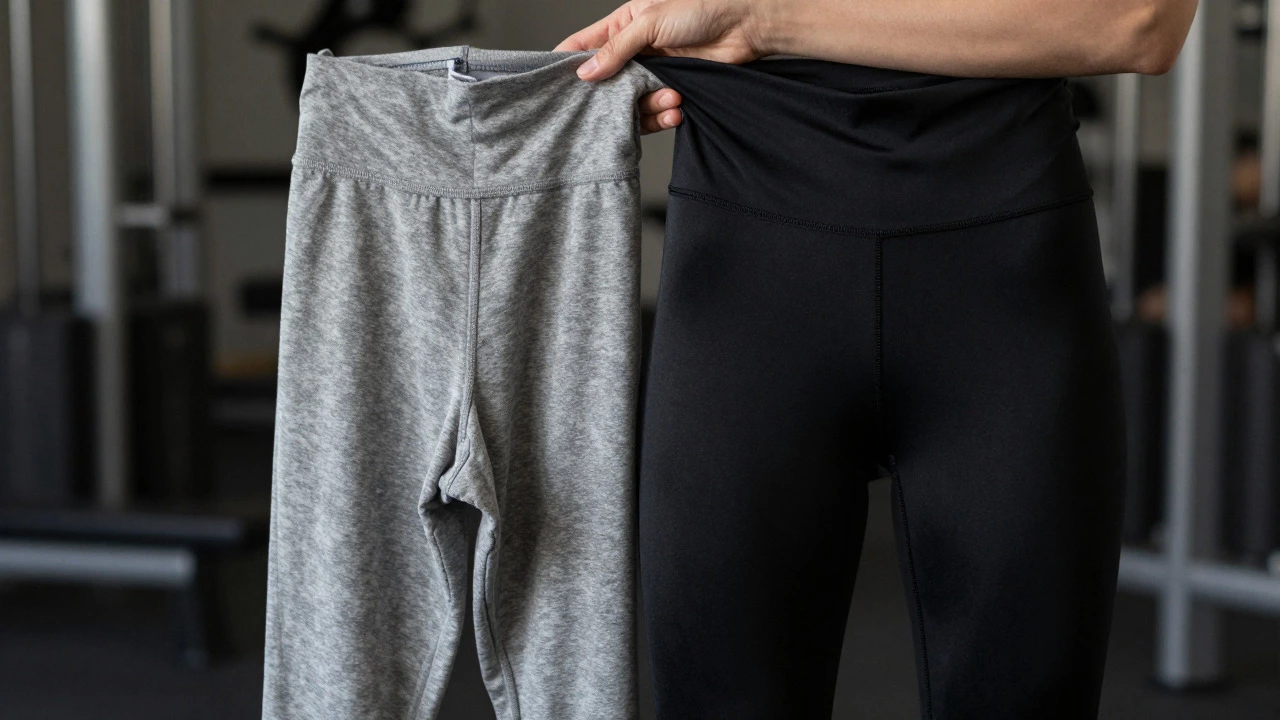
Have you ever stood in front of your closet, holding a pair of leggings, and wondered if they were good enough for a high-intensity interval training session? You look at the label. It says "casual wear." You put them on. Halfway through your workout, you realize they are sliding down, trapping sweat, and feeling like wet paper towels against your skin. This is the classic confusion between general sportswear and active sportswear designed specifically for physical exertion. While these terms are often used interchangeably in marketing, there is a distinct difference in fabric technology, fit, and purpose that separates clothes meant for looking athletic from clothes built to perform.
Understanding this distinction isn't just about fashion; it's about comfort, safety, and efficiency during movement. If you are mixing up casual athleisure with true performance gear, you might be hindering your workouts without even realizing it. Let’s break down exactly what makes active sportswear different from standard sportswear, so you can choose the right gear for your specific needs.
The Core Definition: Aesthetics vs. Function
At its simplest level, the difference lies in intent. General sportswear, often referred to as athleisure or casual athletic wear, is designed primarily for appearance and light activity. Think of the outfits you wear to run errands, sit in an office, or walk the dog. These pieces mimic the look of athletic gear-think hoodies, joggers, and loose t-shirts-but they prioritize style and everyday comfort over technical performance.
In contrast, active sportswear is technical apparel engineered to enhance physical performance and protect the body during intense exercise. Every aspect of active sportswear, from the stitch count to the fiber composition, is calculated to manage moisture, reduce friction, and support muscle movement. When you buy active sportswear, you are paying for engineering, not just cotton and thread.
- Sportswear (Athleisure): Focuses on versatility, style, and low-impact comfort. Suitable for walking, yoga, or daily wear.
- Active Sportswear: Focuses on biomechanics, temperature regulation, and durability. Suitable for running, weightlifting, HIIT, and sports.
Fabric Technology: The Real Game Changer
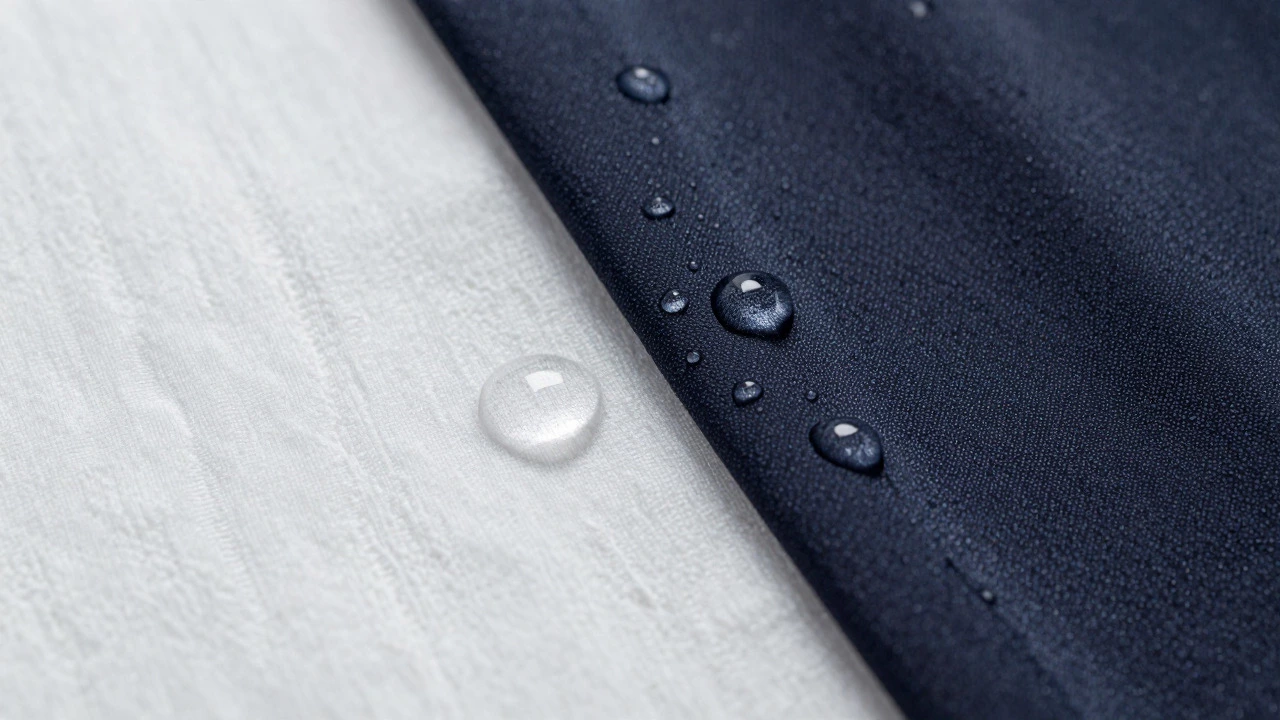
If you want to understand the difference, look at the tag. The materials used in each category tell the whole story. Most general sportswear relies heavily on natural fibers like cotton or simple polyester blends. Cotton is comfortable and breathable for sitting around, but it is terrible for sweating. It absorbs moisture and holds it against your skin, leading to chafing, overheating, and that heavy, cold feeling after a workout.
Active sportswear uses synthetic, high-performance fabrics. Brands utilize technologies like polyester, nylon, and spandex (or elastane). These materials are hydrophobic, meaning they repel water rather than absorbing it. Instead of soaking up sweat, they wick it away from your skin to the outer surface of the fabric where it can evaporate quickly. This process, known as moisture-wicking, keeps you dry and regulates your body temperature during intense heat.
| Feature | General Sportswear | Active Sportswear |
|---|---|---|
| Primary Material | Cotton, basic polyester | Technical synthetics (Polyester, Nylon, Spandex) |
| Moisture Management | Absorbs sweat (holds moisture) | Wicks sweat (evaporates moisture) |
| Breathability | Moderate | High (mesh panels, strategic ventilation) |
| Durability | Low to moderate (prone to pilling) | High (resistant to abrasion and stretching) |
| Odor Control | None (bacteria grows easily) | Often includes antimicrobial treatments |
Fit and Biomechanics: Moving With Your Body
Another major difference is how the garment fits your body. General sportswear tends to have a relaxed or loose fit. This is great for lounging, but problematic for running or lifting weights. Loose fabric can flap, get caught on equipment, or shift position, causing distractions and potential safety hazards. For example, a loose cotton t-shirt can become transparent when soaked with sweat, and baggy shorts can twist uncomfortably during lunges.
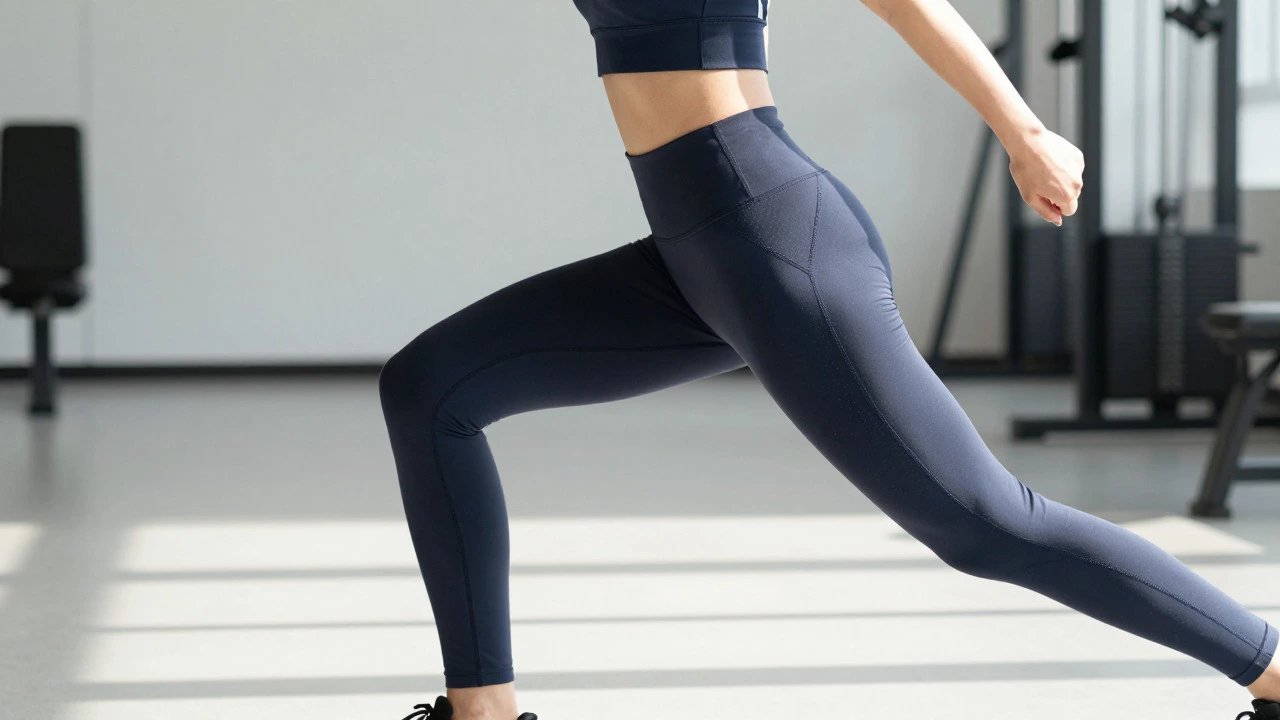
Active sportswear is designed with ergonomics in mind. Manufacturers study human anatomy to create cuts that follow muscle groups. Compression garments, for instance, apply targeted pressure to muscles to improve blood flow and reduce vibration, which can decrease fatigue and speed up recovery. Even non-compression active wear features flatlock seams. These are stitches that lie flat against the skin, eliminating the ridges that cause blisters and chafing during repetitive movements like running or cycling.
You will also notice strategic design elements in active gear. Mesh panels are placed under arms and along the back to maximize airflow. Gussets (extra fabric triangles) are added to the crotch of leggings and shorts to allow for a full range of motion without riding up. These details are rarely found in casual sportswear because they add cost and complexity that isn't necessary for low-impact activities.
Use Cases: Matching Gear to Activity
To decide which type you need, you must define your activity level. Not every outfit needs to be high-tech. In fact, wearing expensive compression gear to sit at a desk is uncomfortable and unnecessary. Here is how to match the clothing to the job.
When to Choose General Sportswear
- Low-Impact Activities: Walking, gentle stretching, or casual yoga.
- Daily Wear: Running errands, commuting, or working from home.
- Recovery Days: Rest days where you want to feel cozy and relaxed.
- Style-Focused Outings: Social events where the "athletic look" is the goal, not the function.
When to Choose Active Sportswear
- High-Intensity Training: HIIT, CrossFit, sprinting, or boxing.
- Endurance Sports: Long-distance running, cycling, or swimming.
- Strength Training: Weightlifting where support and freedom of movement are critical.
- Extreme Weather: Outdoor activities in rain, snow, or extreme heat requiring thermal regulation.
Cost and Durability Considerations
Price is often a strong indicator of the category. General sportswear is typically cheaper because it uses mass-produced, common materials and simpler construction methods. However, "cheaper" doesn't always mean better value. Because cotton degrades faster with frequent washing and sweating, you may find yourself replacing casual gym clothes more often.
Active sportswear commands a higher price due to research and development costs. Brands invest millions in testing fabrics for breathability, stretch recovery, and colorfastness. A pair of technical running shorts might cost three times as much as a pair of cotton shorts, but they will last longer, perform better, and keep you comfortable during intense sessions. Over time, investing in proper active gear for your primary workouts can save money by reducing the frequency of replacements and preventing injuries related to poor fit or chafing.
How to Identify True Active Sportswear
Next time you are shopping, don't just look at the silhouette. Check the care label and product description for these keywords that signal true performance gear:
- Moisture-Wicking: Indicates the fabric moves sweat away from the skin.
- Four-Way Stretch: Means the fabric stretches horizontally and vertically, allowing unrestricted movement.
- Flatlock Seams: Prevents chafing.
- UPF Rating: Ultraviolet Protection Factor, essential for outdoor active wear.
- Compression: Indicates tight-fitting gear designed for muscle support.
If the description focuses mostly on "softness," "style," or "everyday comfort" without mentioning technical features, it is likely general sportswear. That’s perfectly fine for lounging, but leave it at home for your next marathon training run.
Can I wear cotton sportswear to the gym?
You can, but it is not recommended for intense workouts. Cotton absorbs sweat and stays wet, which can lead to chafing, overheating, and discomfort. It is best suited for low-impact activities like walking or light yoga. For cardio or heavy lifting, switch to synthetic moisture-wicking fabrics.
Is athleisure considered active sportswear?
Not necessarily. Athleisure is a hybrid category that blends athletic aesthetics with casual comfort. While some athleisure items use technical fabrics, many are made from cotton or basic blends designed for style rather than performance. Check the fabric content and features to determine if it meets your active needs.
Why does active sportswear cost more?
Active sportswear involves higher production costs due to advanced fabric technologies, ergonomic design, and rigorous testing for durability and performance. Features like moisture-wicking treatments, four-way stretch, and flatlock seams require specialized manufacturing processes that increase the price compared to standard cotton garments.
How do I know if my leggings are suitable for high-intensity workouts?
Look for leggings labeled as "high-waisted" with "four-way stretch" and "opaque" coverage. They should stay in place during squats and lunges without rolling down or becoming see-through. Technical fabrics with spandex or elastane provide the necessary compression and support for intense movements.
Does the brand matter when choosing active sportswear?
Brand reputation can indicate quality control and innovation, but it is not the only factor. Many affordable brands offer excellent technical performance. Focus on the fabric composition, fit, and specific features relevant to your sport rather than just the logo. Read reviews to verify durability and comfort.