
Hoodie Storage & Care Advisor
Tell us about your hoodie:
Recommendation
Risk Level
Pro Tip:
Select your hoodie details to see how to store it properly.
You’ve just pulled a fresh hoodie off the line or out of the dryer. It’s soft, warm, and fits perfectly. Now comes the dilemma: do you toss it on a hanger or fold it into a neat square? This isn’t just about looking tidy. How you store your hoodies is a critical factor in preserving their shape, preventing permanent creases, and maximizing your closet space. Get it wrong, and you’ll end up with those annoying shoulder bumps that make even the most expensive sweatshirt look cheap. Get it right, and your wardrobe stays organized and your clothes last longer.
The short answer? Yes, you should fold most hoodies. But it’s not a one-size-fits-all rule. The material matters. The type of hanger matters. And how much space you have in your closet changes the game entirely. Let’s break down exactly why folding usually wins, when hanging is actually okay, and how to do both without ruining your favorite tops.
Why Folding Is Usually the Better Choice
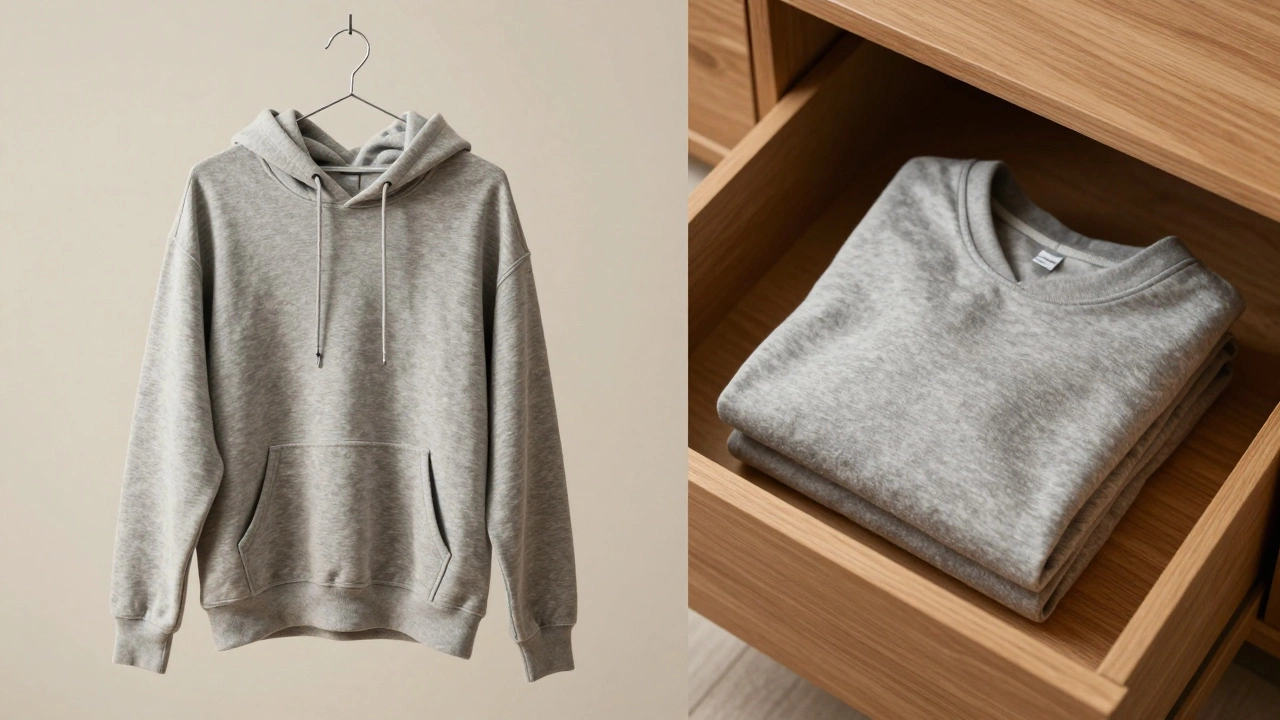
Hoodies are made from heavy fabrics. We’re talking cotton blends, fleece, and sometimes thick wool or technical synthetics for athletic wear. These materials have weight. When you hang a heavy garment, gravity does its work over time. The shoulders stretch. The neck hole widens. That nice, snug fit becomes baggy and misshapen after just a few months.
Folding eliminates this stress. By laying the hoodie flat, you distribute the weight evenly across the entire surface area. There’s no single point bearing the load. This keeps the knit structure intact. If you own a vintage band tee or a premium heavyweight pullover from a brand like Carhartt or Champion, folding is non-negotiable if you want it to look new in five years.
There’s also the wrinkle factor. While knits don’t wrinkle as badly as dress shirts, they can still develop sharp creases if bunched up on a wire hanger. A properly folded hoodie rests smooth. When you pull it out of the drawer, it looks ready to wear, not like it was crumpled in a gym bag.
The Danger Zone: Shoulder Bumps and Stretched Necks
If you’ve ever worn a hoodie that had two distinct lumps at the shoulders, you know the pain. These “shoulder bumps” happen when the hanger presses into the fabric for too long. Cotton fibers lose their elasticity under constant tension. Once they snap or stretch beyond recovery, there’s no fixing it. Ironing won’t help. Steaming won’t help. The shape is gone forever.
Neck stretching is another silent killer. Hoodies often have ribbed cuffs and hems that are designed to stay tight. The neckline is less structured. Hanging a hoodie by the shoulders pulls directly on the neck opening. Over time, the collar sags. It starts gaping open, exposing more chest than intended. This is especially bad for zip-up hoodies where the zipper track can warp if the garment hangs unevenly.
Think about your most-worn hoodie. Does the neck feel loose? Did you hang it every night? Chances are, the hanger did the damage. Folding prevents this specific type of deformation because the neck lies flat against the body of the shirt.
When Hanging Might Actually Be Okay
I’m not saying hanging is evil. Sometimes, practicality wins. If you live in a small apartment with zero drawer space, or if you’re traveling and need quick access to layers, hanging might be your only option. But if you must hang, you need to do it right.
Avoid standard plastic or wire hangers. They create pressure points. Instead, use velvet-covered hangers or wide wooden ones. These provide a broader surface area, reducing the intensity of the pressure on the shoulders. Even better, try the “fold-over” method. Lay the hoodie flat, fold it in half vertically, then drape it over the hanger so the weight rests on the hanger bar rather than pulling on the shoulders. It takes an extra ten seconds but saves the garment.
Lightweight, thin hoodies made from synthetic blends or moisture-wicking athletic fabrics are more forgiving. These materials are engineered to resist stretching and dry quickly. If you’re wearing your hoodie straight out of the gym, hanging it to air dry is fine. Just don’t leave it there for weeks. Rotate them into drawers once they’re completely dry and cool.
How to Fold a Hoodie Like a Pro
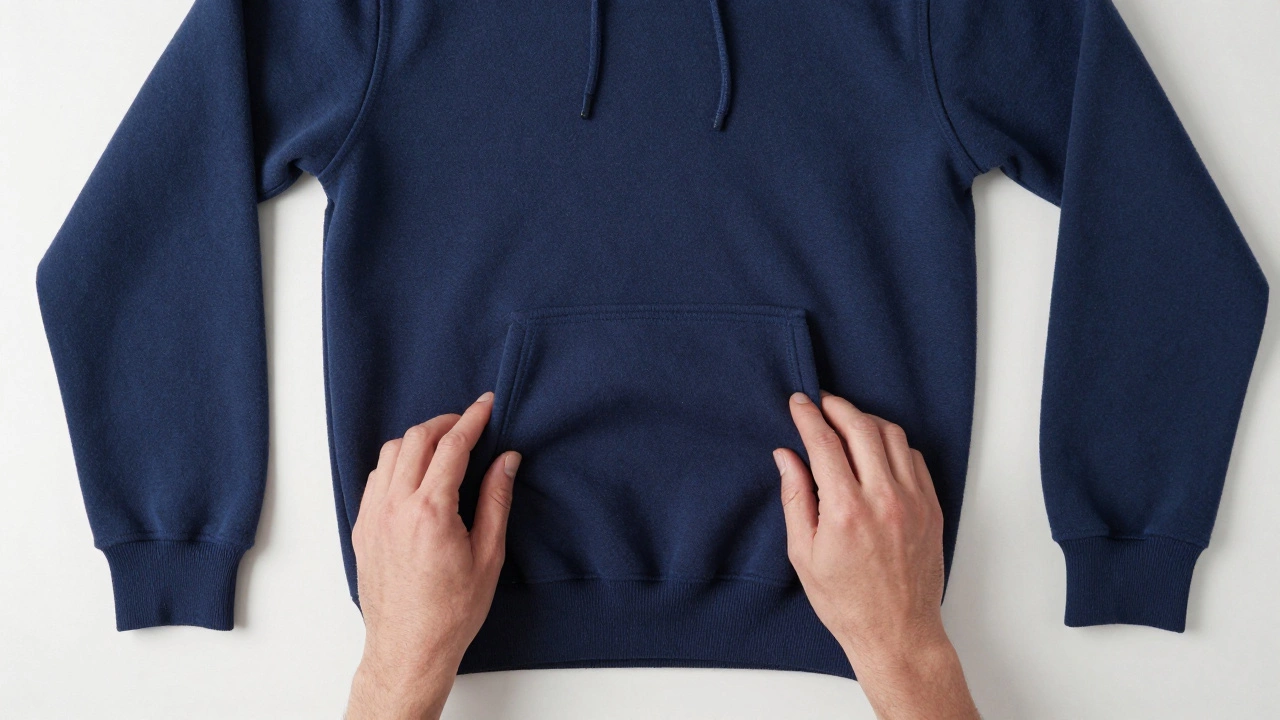
Folding sounds simple, but most people do it lazily. They throw it in a pile. That leads to messy drawers and lost items. Here’s the military-style fold that saves space and keeps things tidy:
- Lay it flat: Spread the hoodie on a clean surface. Smooth out any wrinkles with your hands. Make sure the front is facing up.
- Fold the sleeves: Pull each sleeve inward, creating a straight vertical line along the sides. The sleeve cuff should align roughly with the side seam of the torso.
- Fold the bottom up: Take the bottom hem and fold it up toward the neckline. Aim for about one-third of the way up, or just below the armpit area.
- Fold the top down: Bring the neckline (and hood) down over the bottom fold. Tuck the hood inside the fold if possible to keep it compact.
- Stack it: You now have a neat rectangle. Stack these uniformly in your drawer.
This method creates uniform blocks. You can see every hoodie at a glance. No digging through piles. No knocking over stacks. It’s efficient and respectful to your clothes.
Closet Organization: Drawers vs. Shelves
Where you put your folded hoodies matters as much as how you fold them. Deep drawers are ideal. They allow you to stack hoodies horizontally. If your drawers are shallow, consider using shelf dividers or storage bins. This prevents the stack from toppling over when you pull one out.
If you have open shelving, avoid stacking more than four or five hoodies high. Gravity will eventually crush the bottom ones, causing permanent creases and compression marks. Use decorative boxes or baskets to contain the stacks. This adds a layer of protection and keeps dust away.
For seasonal rotation, vacuum-seal bags are great for long-term storage. However, never store damp clothes in these bags. Moisture trapped inside leads to mildew and odors that are nearly impossible to remove. Ensure hoodies are bone-dry before sealing them away for winter or summer storage.
| Method | Best For | Risks | Space Efficiency |
|---|---|---|---|
| Folding in Drawers | Heavy cotton, vintage, expensive brands | Minimal risk if stacked correctly | High |
| Hanging on Velvet Hangers | Quick access, lightweight synthetics | Moderate shoulder stretching over time | Medium |
| Hanging on Wire Hangers | Emergency only | High risk of shoulder bumps and neck distortion | Low |
| Vacuum Sealing | Seasonal storage (off-season) | Mildew if not dry; compression marks | Very High |

Material Matters: What Your Fabric Tells You
Not all hoodies are created equal. The label inside the neck gives you the best clue. Check the fiber content.
100% Cotton: This is the classic choice. It’s breathable and soft but prone to shrinking and stretching. Always fold 100% cotton hoodies. Never hang them unless necessary for drying.
Polyester Blends: Common in athletic wear. These fibers are elastic and resistant to wrinkles. They can handle hanging better than cotton, but folding is still preferred for longevity.
Fleece: Thick and plush. Fleece holds heat well but can mat down if compressed too tightly for too long. Fold gently. Don’t cram them into overstuffed drawers.
Wool or Cashmere: Rare for hoodies, but they exist. Treat these like cashmere sweaters. Always fold. Never hang. Moths love wool, so store these in cedar-scented containers or with mothballs during off-seasons.
Troubleshooting Common Issues
What if you already have shoulder bumps? Try steaming the shoulders while the hoodie is laid flat. The steam relaxes the fibers, allowing them to return slightly to their original shape. It won’t fix severe stretching, but it helps with minor deformities.
If your hoodie smells musty after being stored, wash it immediately. Don’t just air it out. Detergent removes the bacterial growth that causes odors. Sunlight is a natural sanitizer. Hang washed hoodies outside for an hour to freshen them up before folding.
Lost a button on your zip-up? Sew it back on promptly. A missing button puts strain on the rest of the placket, leading to rips. Keep a small sewing kit in your laundry room. Five minutes of stitching saves hours of frustration later.
Can I hang my hoodie to dry?
Yes, you can hang a hoodie to dry, but lay it flat on a drying rack first if possible. If you must hang it, use a wide hanger and fold the hoodie over the bar to reduce shoulder stress. Remove it as soon as it’s dry to prevent stretching from the weight of the water.
Do hoodies shrink if I fold them?
No, folding does not cause shrinking. Shrinking happens during washing and drying due to heat and agitation. Folding simply stores the garment. To prevent shrinking, wash in cold water and tumble dry on low heat or air dry.
How many hoodies should I stack in a drawer?
Aim for a stack height of no more than 6-8 inches. If your drawer is deeper, use dividers to create multiple smaller stacks. Over-stacking compresses the bottom hoodies, causing deep creases and making it hard to pull individual items out without messing up the whole pile.
Is it better to fold or roll hoodies?
Folding is generally better for home storage because it creates stable stacks. Rolling is excellent for travel as it saves space and reduces wrinkles in luggage. For daily closet organization, stick to folding. Save rolling for packing trips.
Can I iron a wrinkled hoodie?
You can, but be careful. Use a low heat setting and place a thin cloth between the iron and the hoodie to protect the fabric. Direct high heat can melt synthetic fibers or scorch cotton. Steaming is a safer alternative for removing wrinkles from knitted fabrics.