
Slipper Fit & Material Calculator
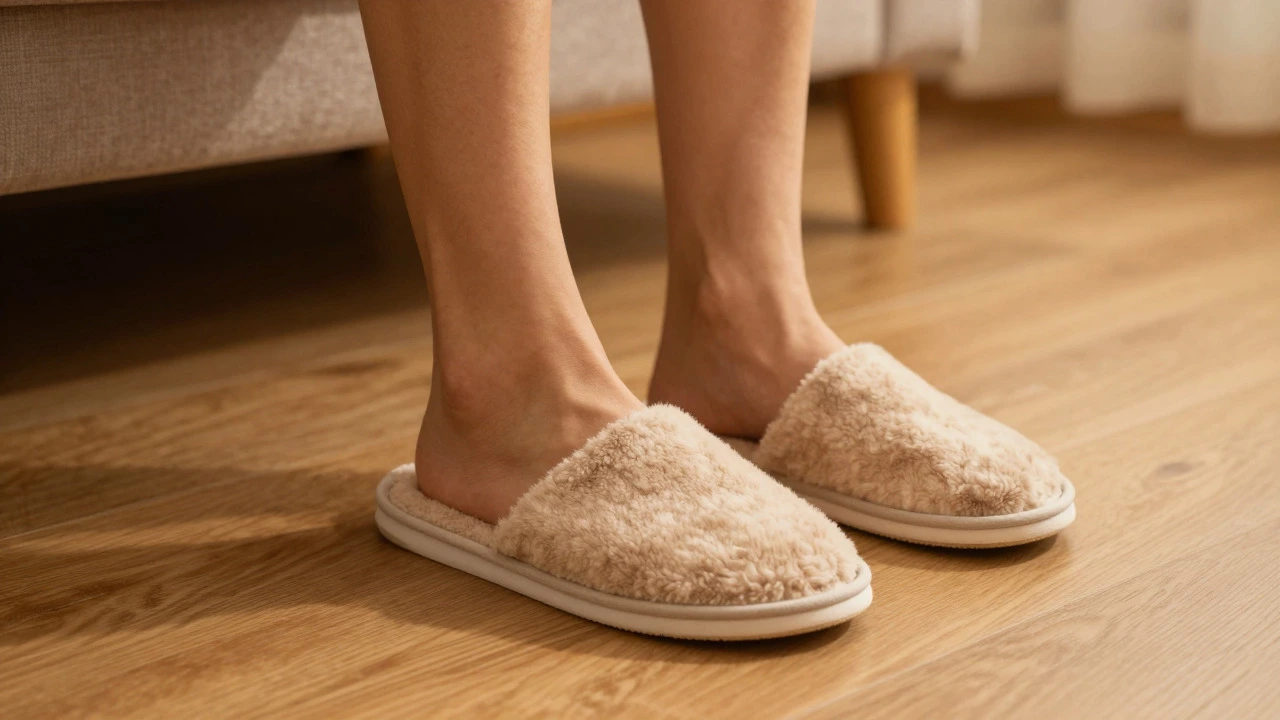
You slide your feet into a pair of cozy slippers is indoor footwear designed for comfort and warmth, typically featuring soft soles and cushioned uppers. They are essential for maintaining foot hygiene and providing relief after a long day on hard floors. at the end of the day. You expect instant relaxation. But instead, you feel a pinch at the toe box or notice your heel slipping out every time you walk to the kitchen. This common dilemma-should slippers be tight or loose?-is more critical than it seems. Getting it wrong doesn't just ruin your comfort; it can lead to blisters, bunions, and even balance issues.
The short answer is that neither extreme works. Slippers should not be skin-tight like athletic socks, nor should they be baggy enough to require constant adjustment. The ideal fit sits in a narrow middle ground: snug enough to stay securely on your foot without constricting circulation, but loose enough to allow natural swelling and movement. Understanding this balance requires looking at how our feet change throughout the day and how different materials behave against skin.
The Science of Foot Swelling and Daily Changes
To understand why a "one-size-fits-all" approach to slipper tightness fails, you have to look at the biology of the foot. Your feet do not remain static all day. According to podiatric research, feet can swell by up to half a shoe size between morning and evening due to gravity, activity levels, and temperature changes. When you stand or walk, blood pools in the lower extremities, causing the tissues to expand slightly. This is a normal physiological response.
If you buy slippers that fit perfectly in the morning, they might feel uncomfortably tight by dinner time. Conversely, if you choose a pair that accommodates evening swelling, they may feel dangerously loose during your morning coffee routine. This dynamic nature means that the concept of "tight" versus "loose" is relative to the time of day you wear them most often. For most people who wear slippers primarily in the evening, a slightly roomier fit is safer. However, "roomy" does not mean "sloppy." It means there is adequate space for the toes to wiggle and for the arch to rest without pressure points.
Consider the material as well. Natural fibers like wool or cotton breathe and stretch slightly with use, while synthetic materials like memory foam or rubberized soles retain their shape more rigidly. A memory foam slipper that feels tight initially will soften and mold to your foot over weeks, potentially becoming looser. A leather slipper, on the other hand, may stretch out significantly if it starts too tight, leading to a permanent loss of support.
Risks of Too-Tight Slippers
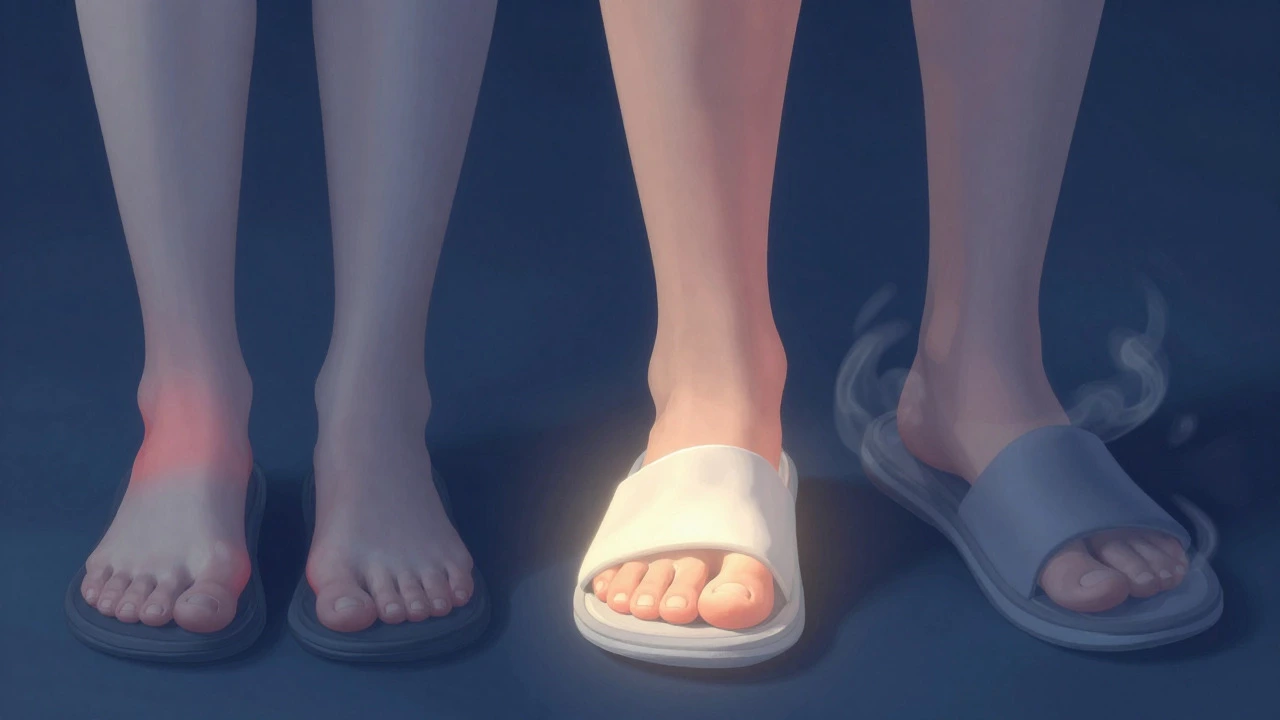
Many people mistakenly believe that a tighter fit provides better support. In reality, excessive tightness in indoor footwear creates several specific problems. The most immediate issue is restricted circulation. When the upper part of the slipper presses firmly against the top of the foot (the instep), it can compress veins and arteries, leading to numbness, tingling, or cold toes. Over time, this compression can contribute to more serious circulatory issues, especially for older adults or those with diabetes.
Tight slippers also force the toes into unnatural positions. If the toe box is too narrow, your toes will splay outward or curl under each other to find space. This constant deformation can lead to the development of bunions, hammertoes, or ingrown toenails. Even if you don't have existing foot conditions, wearing tight slippers regularly trains your feet to adapt to poor alignment, which can affect your posture and gait when you switch back to regular shoes.
Another hidden risk is friction. Tight slippers create high-pressure points where the material rubs against sensitive skin. This is particularly problematic with materials that have seams or stiff edges. Blisters from indoor footwear are surprisingly common and can make walking painful for days. Additionally, tight slippers often dig into the Achilles tendon area, causing irritation and potential inflammation known as Achilles tendinitis.
Dangers of Too-Loose Slippers
On the flip side, many people opt for oversized slippers because they assume "more room equals more comfort." While it sounds appealing, excessively loose slippers introduce their own set of hazards. The primary danger is instability. If your heel slips out with every step, your brain has to work harder to maintain balance. This micro-adjustment happens hundreds of times a day, leading to muscle fatigue in the ankles and calves. For elderly individuals or anyone with balance concerns, this instability significantly increases the risk of falls.
Loose slippers also fail to provide proper arch support. Most supportive slippers rely on a secure fit to keep the foot positioned correctly within the sole's contour. If the foot slides forward or backward inside the slipper, the arch support becomes ineffective. Instead of supporting the arch, the support structure might press against the wrong part of the foot, causing strain on the plantar fascia-the thick band of tissue that runs across the bottom of your foot. This is a leading cause of plantar fasciitis, a condition characterized by sharp heel pain.
Furthermore, loose slippers can cause tripping hazards. If the front of the slipper curls up because your toes aren't holding it down, you might catch the edge on carpet fibers or rugs. This is especially dangerous on smooth hardwood or tile floors where traction is already limited. A slipper that doesn't stay put is essentially a hazard waiting to happen.
How to Test for the Perfect Fit
Finding the sweet spot between tight and loose requires a systematic approach. Here is a practical checklist to determine if a pair of slippers fits correctly:
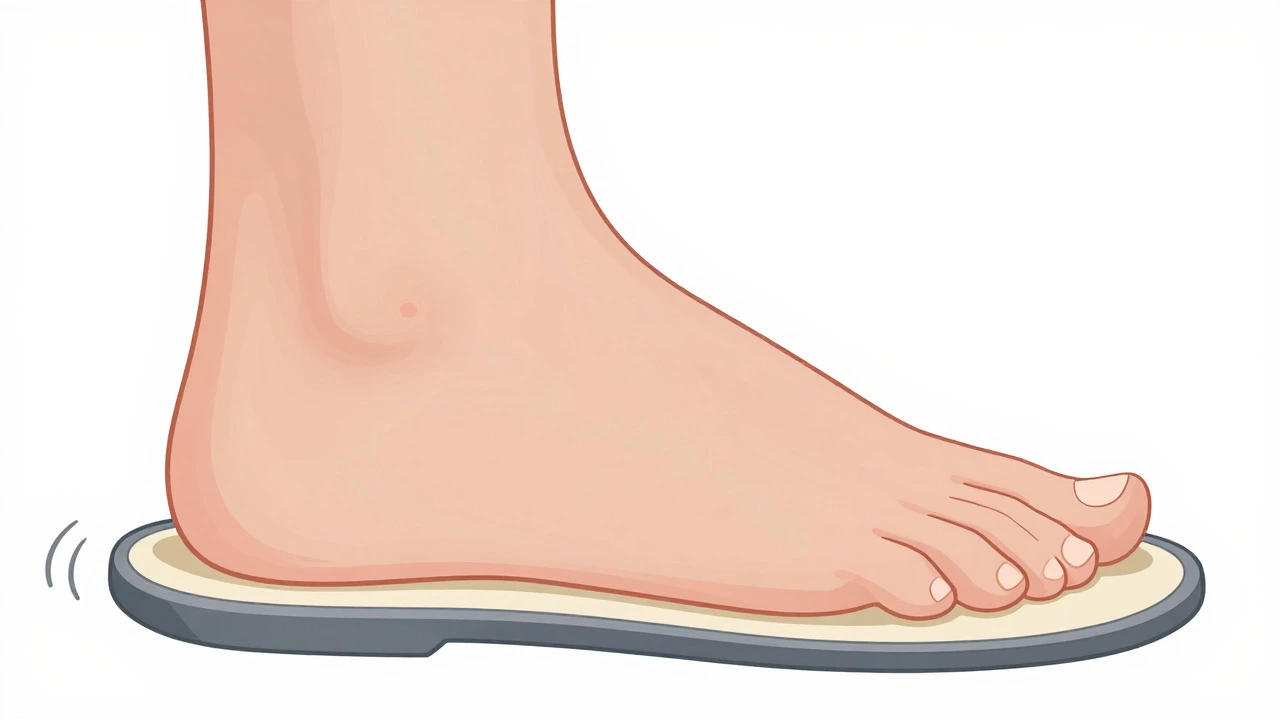
- The Thumb Rule: Press your thumb against the front of the slipper, just beyond your longest toe. There should be about a quarter-inch (6mm) of space. This allows for toe movement and prevents jamming if you stumble.
- The Heel Check: Walk around the house. Your heel should lift slightly off the sole when you push off, but it should not slip out completely. If you hear a "slap-slap" sound with every step, the slipper is too loose.
- The Toe Wiggle Test: Sit down and try to wiggle your toes freely. If you feel resistance or pressure on the sides of your toes, the width is too narrow.
- The Arch Alignment: Look at the bottom of the slipper. The arch support should align directly with the arch of your foot. If your foot slides forward, the support will be under your ball of the foot, causing discomfort.
- The Evening Test: Try on slippers in the late afternoon or evening when your feet are at their largest. If they feel comfortable then, they will likely be fine in the morning.
Pay attention to how the slipper feels after ten minutes of wear. Initial comfort can be misleading. Some materials feel soft at first but compress quickly, becoming tighter. Others feel stiff but loosen up. Give yourself enough time to assess the true fit.
Material Matters: How Fabric Affects Fit
The type of material used in your slippers drastically influences whether they should be sized tight or loose. Different fabrics have different stretch properties and thermal behaviors.
| Material | Stretch Level | Recommended Fit | Best For |
|---|---|---|---|
| Memory Foam | Low | Snug but not tight | Evening wear, arch support |
| Wool | Medium | Slightly loose | Cold climates, breathability |
| Cotton/Terry | High | True to size | Bathroom, post-shower |
| Leather/Suede | Medium-High | Slightly tight initially | Long-term durability, formal loungewear |
| Rubber/Plastic | None | Precise fit | Gardening, wet areas |
For example, wool slippers naturally insulate and breathe. They tend to feel roomier because the fibers trap air. A slightly looser fit is acceptable here because the bulk of the wool provides some stability. However, memory foam slippers are dense and conform closely to the foot. If they are too loose, they offer no support. If they are too tight, they restrict blood flow. Leather slippers will stretch over time, so buying them slightly snug ensures they don't become baggy after a few months of use.
Special Considerations for Foot Conditions
If you have specific foot conditions, the general rules of tight versus loose may need adjustment. People with diabetes, for instance, often suffer from reduced sensation in their feet. This makes them vulnerable to unnoticed pressure points. Diabetic patients are generally advised to wear slippers that are slightly roomier to prevent friction blisters, but still secure enough to avoid trips. Seamless interiors are crucial here.
Those with arthritis in the toes or joints may benefit from wider, softer slippers that do not compress the inflamed areas. A rigid, tight slipper can exacerbate pain. On the other hand, individuals with flat feet require firm arch support, which necessitates a snugger fit to keep the foot aligned. If the slipper is too loose, the arch support won't engage properly, rendering it useless.
Pregnant women often experience significant foot swelling and ligament laxity. Their feet may increase in size permanently during pregnancy. It is advisable to purchase slippers that accommodate this growth, favoring a looser fit in the toe box while maintaining heel security. Adjustable straps or elastic bands can help customize the fit as swelling fluctuates.
Maintaining the Right Fit Over Time
Even if you start with the perfect fit, slippers degrade. The cushioning compresses, the materials stretch, and the soles wear down. To maintain the correct tightness, inspect your slippers regularly. If the insole flattens, the foot may sink deeper, making the slipper feel tighter. Replacing the insole or choosing a new pair before this happens can preserve comfort.
Avoid washing slippers frequently unless necessary, as heat and agitation can break down elastic fibers and cause irreversible stretching. Air drying is always preferred over machine drying. If your slippers begin to feel loose, check if the heel counter (the back part that holds the heel) has collapsed. Once this structural element fails, the slipper is unlikely to fit securely again, regardless of how wide the toe box is.
Finally, consider rotating between two pairs of slippers. This gives the materials time to recover their shape and extends the lifespan of both pairs. It also allows you to alternate between slightly different fits depending on your daily needs-perhaps a snugger pair for active days and a looser pair for resting evenings.
Should slippers be tight or loose?
Slippers should be neither too tight nor too loose. They should fit snugly enough to stay on your foot without slipping, but loosely enough to allow for toe movement and daily foot swelling. Aim for about a quarter-inch of space beyond your longest toe.
Why do my feet hurt after wearing slippers?
Pain can result from slippers being too tight (causing circulation issues or bunions) or too loose (leading to instability and lack of arch support). Ensure your slippers align with your arch and do not compress your toes or heel.
Do feet get bigger in the evening?
Yes, feet can swell by up to half a shoe size by the end of the day due to gravity and activity. This is why it is best to try on slippers in the late afternoon or evening to ensure a comfortable fit throughout the night.
Are memory foam slippers supposed to be tight?
Memory foam slippers should feel snug but not constricting. Since memory foam molds to your foot, a slightly tight initial fit is normal, but it should not cut off circulation or cause pain. Avoid buying them too large, as they will not stretch significantly.
What is the best way to measure for slippers?
Measure your foot length from heel to longest toe in the evening. Add about a quarter-inch to this measurement for the ideal slipper length. Also measure the widest part of your foot to ensure the width is appropriate for your chosen style.