
Work Footwear Cost & Tax Relief Checker
It’s a question that comes up in breakrooms and staff chats across the UK: who is supposed to foot the bill for your work shoes? If you’re a nurse standing on concrete all day, a builder needing steel-toed boots, or an office worker forced into a strict dress code, the answer isn’t always black and white. It depends heavily on whether those shoes are considered Personal Protective Equipment (PPE) or just part of a uniform.
The short answer is: if your job requires specific safety gear, your employer must pay. If it’s just about looking professional, you might be out of pocket-unless you know how to claim tax relief. Let’s break down exactly where the line is drawn so you can stop guessing and start saving money.
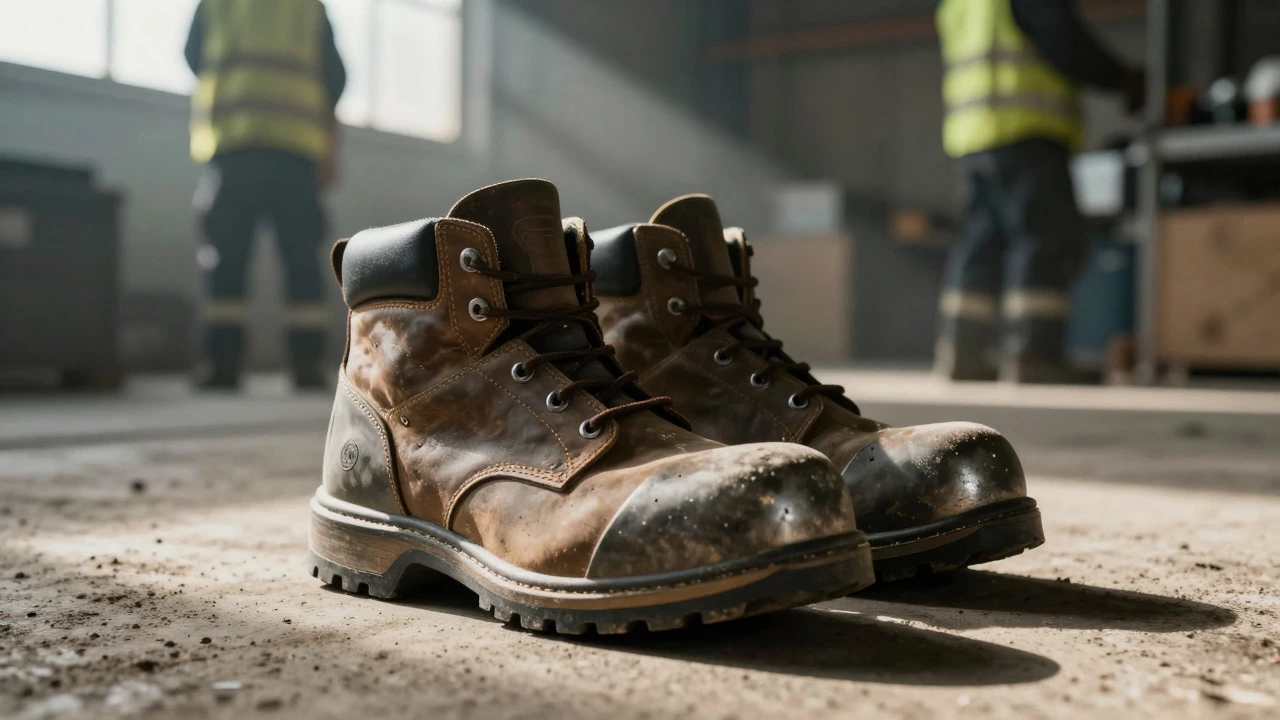
The Golden Rule: Safety Boots Are Free
In the UK, the law is very clear when it comes to safety. Under the Personal Protective Equipment at Work Regulations 1992, employers are legally required to provide suitable PPE to employees free of charge. This isn’t a suggestion; it’s a legal obligation enforced by the Health and Safety Executive (HSE).
If your role involves risks that ordinary footwear can’t handle, those shoes count as PPE. Think construction sites, warehouses with heavy machinery, hospitals with biohazards, or kitchens with slippery floors and hot spills. In these cases, your employer must supply the correct footwear. They cannot deduct the cost from your wages unless you’ve agreed to it in writing, and even then, there are strict rules about what can be deducted.
Here’s the catch: the employer must also ensure the equipment fits properly. You shouldn’t have to buy your own size 7 steel-toes if the company only stocks size 8. If they do make you buy them, check that they meet the relevant European standards, like EN ISO 20345 for safety boots. If they don’t, they aren’t valid PPE, and you’re better off wearing something else and complaining to your health and safety officer.
Uniforms vs. Everyday Clothes
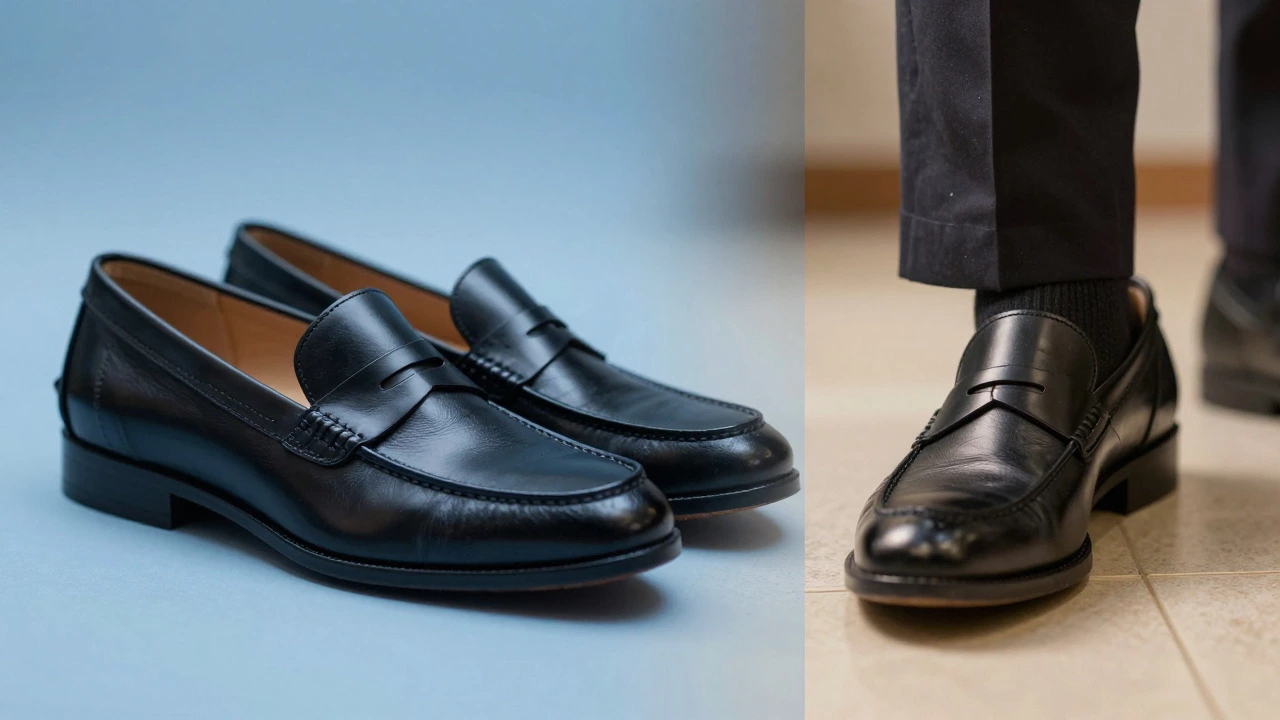
This is where things get messy. Many jobs require you to wear smart attire or specific branded clothing. But does a pair of black leather loafers count as a uniform?
Historically, HMRC (Her Majesty’s Revenue and Customs) has been strict. For a garment to be considered a uniform eligible for tax relief, it usually needs to be distinctive. It should carry the company logo, have a unique design, or be made of a specific material that clearly identifies you as working for that employer. A plain black suit or generic black pumps that you could wear to a wedding or a date? HMRC typically says no. That’s considered everyday clothing.
However, the landscape is shifting slightly. Some sectors, like hospitality and retail, argue that their “uniform” includes specific footwear. If your employer provides a voucher scheme or a dedicated allowance for uniforms, this often covers shoes. Check your employee handbook. If you’re given a budget to buy your “uniform,” and shoes are part of that list, then yes, your employer is effectively paying for them.
Can You Claim Tax Relief on Work Shoes?
If your employer doesn’t pay, and your shoes don’t qualify as PPE, can you get some money back through taxes? Yes, but the process is tricky.
You can claim tax relief on the cost of buying, cleaning, repairing, and replacing work clothes and protective equipment. This includes special footwear. To qualify, the footwear must be:
- Essential for your job (not just preferred).
- Distinctive to your employer (logo or unique design), OR
- Protective equipment required for safety.
If you’re a teacher, a nurse, or a police officer, you might fall into a gray area. Teachers, for instance, often argue that smart shoes are essential. HMRC has historically rejected these claims because the shoes aren’t “distinctive.” However, if you slip on a wet floor at school and injure yourself, you might argue for protective grip-soled shoes. It’s a harder sell, but not impossible if you have a medical note or a specific risk assessment from your school.
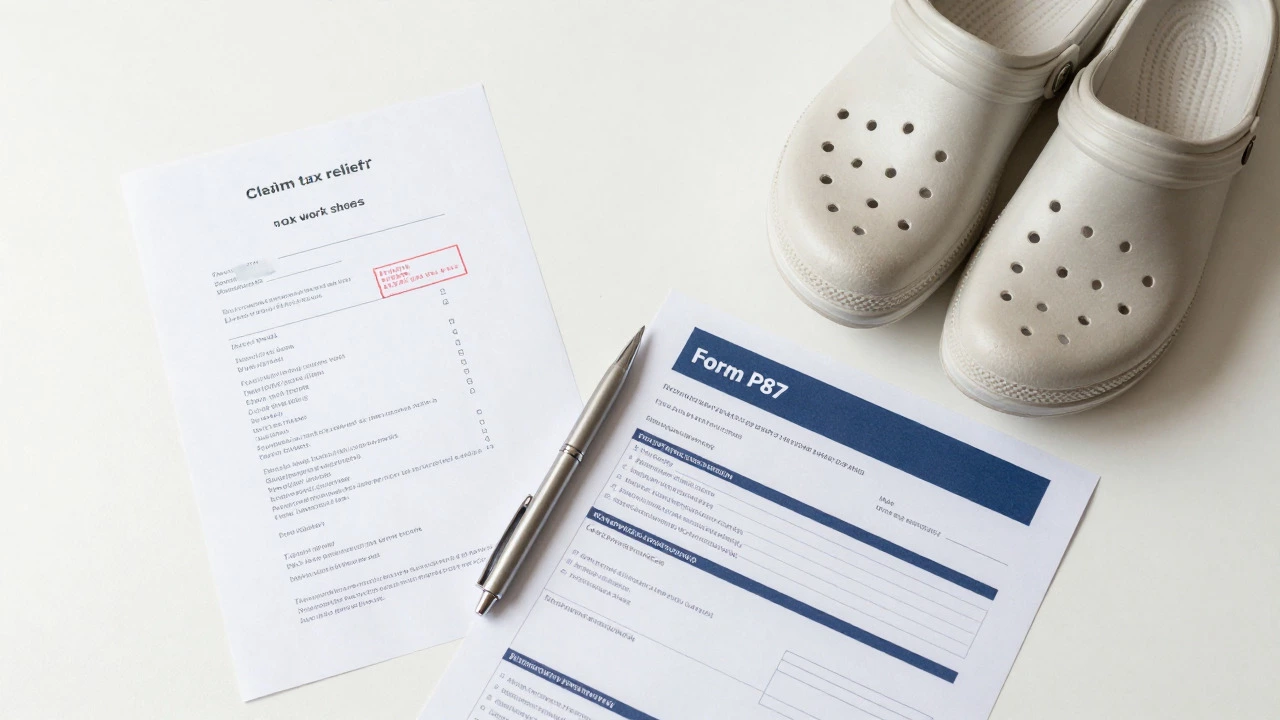
To claim, you need to keep receipts. Digital photos of receipts are fine. You’ll need to submit a form P87 to HMRC. The relief is given at your basic rate of income tax (currently 20%). So, if you spend £100 on qualifying safety boots, you might get £20 back. It’s not a full refund, but it helps offset the cost.
What About Office Workers?
If you work in an office with a formal dress code, the news isn’t great. Plain black shoes, grey trousers, and white shirts are generally considered everyday clothing. HMRC views these as items you would likely own anyway, regardless of your job. Therefore, the cost falls on you.
However, some progressive companies are changing this culture. With the rise of hybrid working, many firms now offer a “wardrobe allowance” or a stipend for professional attire. This is a benefit in kind, but if it’s provided via a voucher system specifically for uniforms, it can be tax-free for you and deductible for the employer. Ask your HR department if they have a uniform policy that includes footwear allowances. If they don’t, suggest it. It’s a small perk that boosts morale significantly.
Comparison: Who Pays for What?
| Job Type | Footwear Type | Employer Must Pay? | Tax Relief Available? |
|---|---|---|---|
| Construction / Warehouse | Safety Boots (Steel Toe) | Yes (Legal Requirement) | Yes (if not provided) |
| Hospitality (Kitchen) | Anti-slip Shoes | Often Yes (as PPE) | Yes (if proven essential) |
| Nursing / Healthcare | Clogs / Comfort Shoes | No (usually) | Rarely (unless branded) |
| Retail / Hotel Staff | Branded Black Shoes | Maybe (via Uniform Allowance) | Yes (if distinctive/logo) |
| Office / Corporate | Smart Leather Shoes | No | No (considered everyday wear) |
How to Negotiate with Your Employer
If you feel you’re being unfairly asked to pay for safety gear, here’s how to approach it without burning bridges.
- Check the Contract: Look for clauses about “personal equipment” or “uniforms.” Does it say you’re responsible for your own attire?
- Reference the Law: If it’s safety gear, gently remind your manager of the PPE Regulations 1992. You don’t need to be aggressive; just factual. “I noticed the new safety boots aren’t covered. I thought PPE was supplied by the company?”
- Propose a Solution: If the budget is tight, ask for a reimbursement model. Buy the approved brand, submit the receipt, and get paid back. This saves HR time on procurement.
- Ask for an Allowance: For non-safety roles, ask for a one-time wardrobe grant or an annual uniform allowance. Frame it as a retention benefit. “A small allowance for professional footwear would help us maintain the brand image consistently.”
Pitfalls to Avoid
Don’t assume that just because your boss says “wear smart shoes,” they will pay for them. Don’t buy expensive designer brands if a cheaper option meets the safety standard. And crucially, don’t neglect maintenance. If you claim tax relief, you must prove the shoes were used exclusively for work. If you wear your steel-toes to the pub on Saturday night, HMRC might argue they’re mixed-use, complicating any future claims.
Also, watch out for deductions from your wage. Employers can only deduct for PPE if you’ve agreed to it in writing, and the deduction cannot bring your pay below the National Minimum Wage. If you see unexplained deductions for “footwear,” query them immediately.
Summary of Key Takeaways
- Safety First: Employers must pay for PPE, including safety boots and anti-slip shoes, under UK law.
- Uniforms Count: If shoes are part of a distinctive uniform (branded/specific), employers may provide them or allow tax relief.
- Everyday Wear: Plain smart shoes for office workers are usually the employee’s responsibility.
- Tax Relief: You can claim 20% tax relief on essential work footwear via form P87, but you need receipts and proof of necessity.
- Negotiate: If not covered by law, ask for a uniform allowance or reimbursement scheme.
Does my employer have to pay for my safety boots?
Yes. Under the Personal Protective Equipment at Work Regulations 1992, employers must provide suitable PPE, including safety boots, free of charge if it is necessary for your job role to protect against workplace risks.
Can I claim tax relief on work shoes if they are not safety boots?
You can claim tax relief if the shoes are part of a distinctive uniform (e.g., branded or specific design) or if they are essential protective equipment. Plain smart shoes for general office use are usually not eligible as they are considered everyday clothing.
How do I claim tax back on work footwear?
You need to complete form P87 online or on paper and submit it to HMRC. You must provide receipts showing the cost of the shoes and evidence that they are required for work (such as a uniform policy document). The relief is typically 20% of the cost.
Can my employer deduct the cost of work shoes from my wages?
Only if you have agreed to it in writing. Furthermore, the deduction cannot reduce your hourly pay below the National Minimum Wage. For PPE, employers are generally expected to cover the cost entirely without deduction.
Do nurses have to pay for their own work shoes?
Usually, yes. Unless the shoes are specifically branded as part of a uniform or classified as specialized PPE (like fluid-resistant clogs), HMRC considers them everyday clothing. However, some NHS trusts provide uniform allowances that can be used for footwear.
What if my employer provides cheap, uncomfortable safety boots?
Employers must provide PPE that fits correctly and is suitable for the task. If the boots cause injury or discomfort due to poor fit or quality, raise it with your health and safety representative. You can request a different brand or size that still meets the safety standards.