
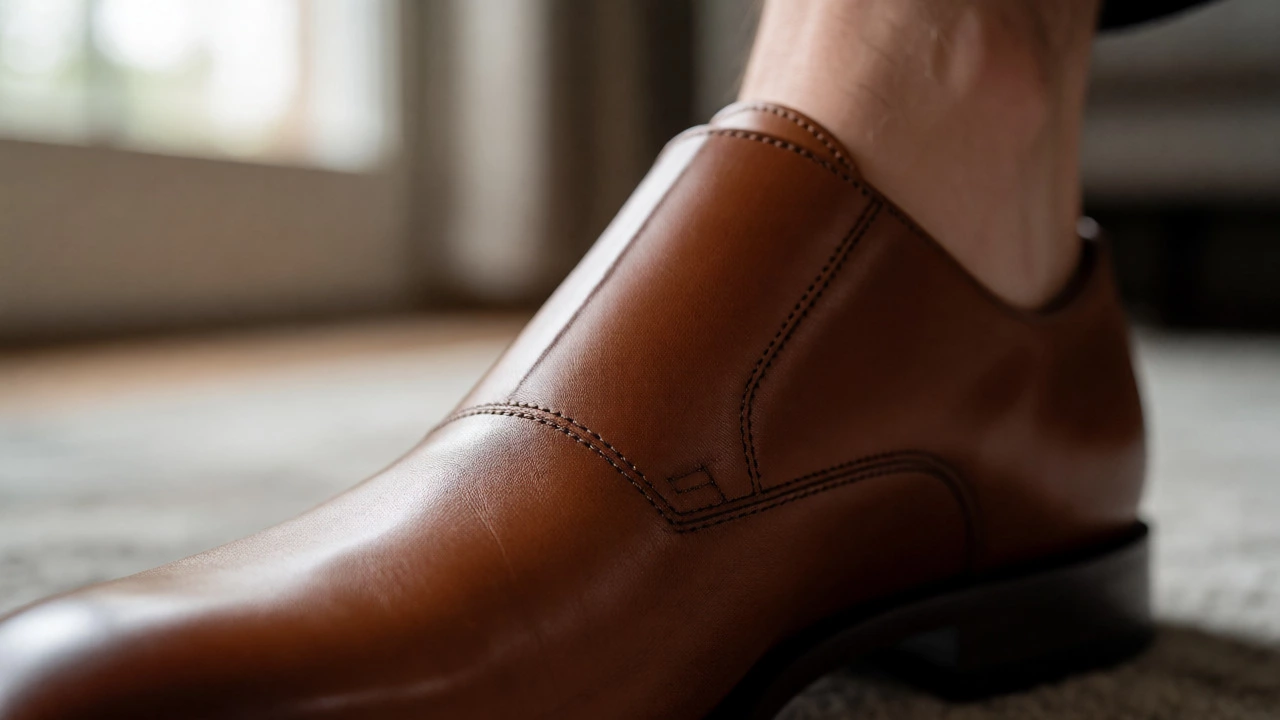
Leather Shoe Break-In & Fit Diagnostic Tool
Recommendations
You’ve just spent a decent chunk of change on a pair of leather shoes that look incredible. They’re sleek, the stitching is tight, and they feel solid in your hand. But the moment you slip them on and take three steps across your living room floor, it feels like someone has tightened a vice around your pinky toe. Your first instinct might be to panic. Did you buy the wrong size? Is the quality bad? Should you return them immediately?
Here’s the short answer: yes, high-quality leather shoes often hurt at first, but there is a very specific difference between "uncomfortable" and "damaging." If you understand how full-grain leather works, you can tell whether your new boots are simply doing their job or if you need to head back to the shop with a receipt.
The Science Behind the Squeeze
To understand why your feet are protesting, you have to look at what bovine hide actually is. Unlike synthetic materials or canvas, genuine leather is a natural fiber structure. When it comes out of the tannery, it is stiff because the collagen fibers are locked in place by the tanning process. This stiffness provides structure and durability, which is exactly why you bought leather in the first place. You didn’t buy these shoes for instant cloud-like softness; you bought them for longevity and shape retention.
When you wear them, two things happen simultaneously. First, the heat from your body warms the fibers, making them more pliable. Second, the pressure from your foot physically stretches the material. This process is called "molding." The shoe isn't just stretching evenly; it is expanding specifically where your bone structure pushes against it. This targeted expansion creates the custom fit that makes old leather shoes so comfortable years later. But during this transition period, that pressure translates directly into discomfort.
Distinguishing Good Pain From Bad Pain
This is the critical part most people miss. Not all pain is created equal. You need to become an expert in reading your own foot signals. There is a clear line between the necessary ache of breaking in and the warning sign of a poor fit.
Good Pain (The Break-In Ache):
- Location: Usually felt on the sides of the foot, the top of the arch, or slightly behind the heel.
- Sensation: It feels like a firm hug or mild pressure. It is consistent while walking but disappears within 10-15 minutes of taking the shoes off.
- Duration: Typically lasts for the first 3-7 wears.
- Visual Check: No red marks that persist for more than an hour after removal.
Bad Pain (The Fit Issue):
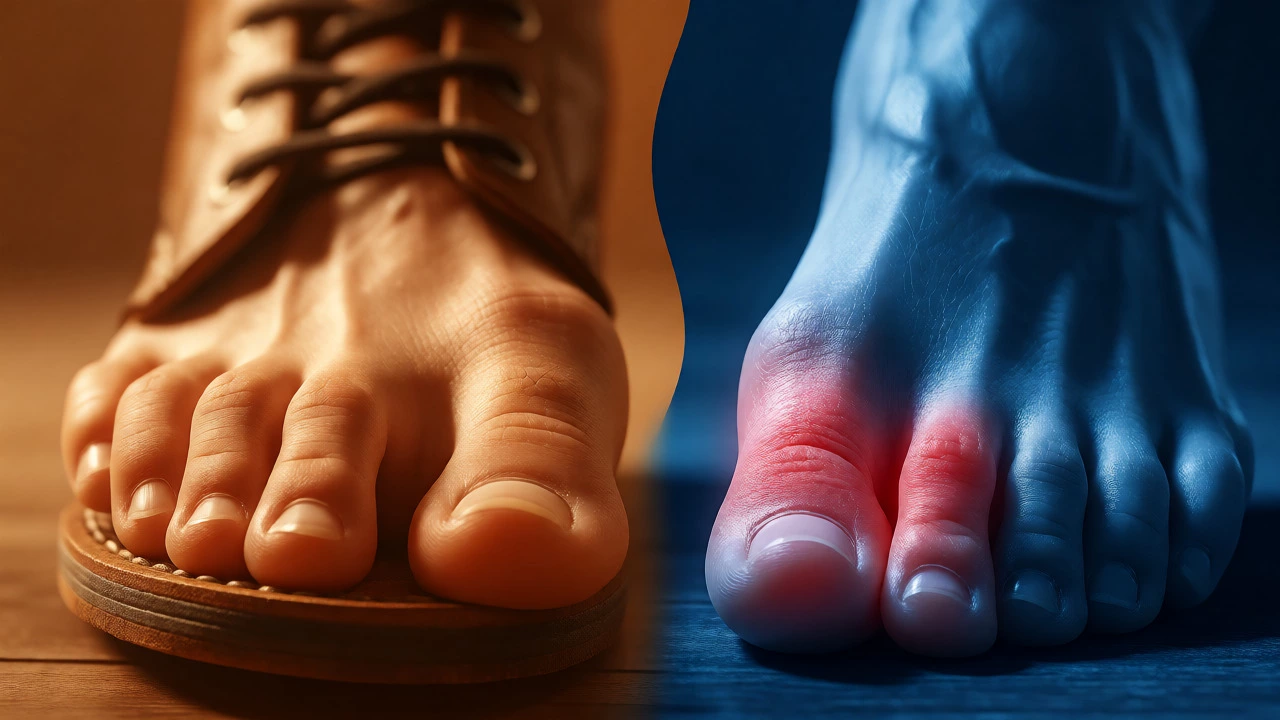
- Location: Pinching on the little toe, severe rubbing on the Achilles tendon, or numbness in the toes.
- Sensation: Sharp, stabbing, or burning sensations. Numbness indicates nerve compression, which is never good.
- Duration: Persists long after you take the shoes off, or worsens with each wear.
- Visual Check: Blisters forming, deep red indentations that stay for hours, or bruising.
If you experience sharp pinching on the side of the forefoot, especially near the fifth metatarsal (the bony bump on the outside of your foot), that is usually a width issue, not a break-in issue. Leather stretches vertically and lengthwise much easier than it stretches horizontally. If the shoe is too narrow, no amount of walking will fix it comfortably.
| Indicator | Normal Break-In | Poor Fit / Defect |
|---|---|---|
| Pain Type | Dull ache, uniform pressure | Sharp pinch, localized hot spots |
| Recovery Time | Pain fades quickly after removal | Pain lingers for hours |
| Skin Reaction | Mild temporary redness | Blisters, calluses, bruising |
| Toe Room | Toes wiggle slightly | Toes crushed or overlapping |
| Heel Slip | Minimal (under 1/4 inch) | Excessive slipping causing rub |
The Timeline: How Long Does It Actually Take?
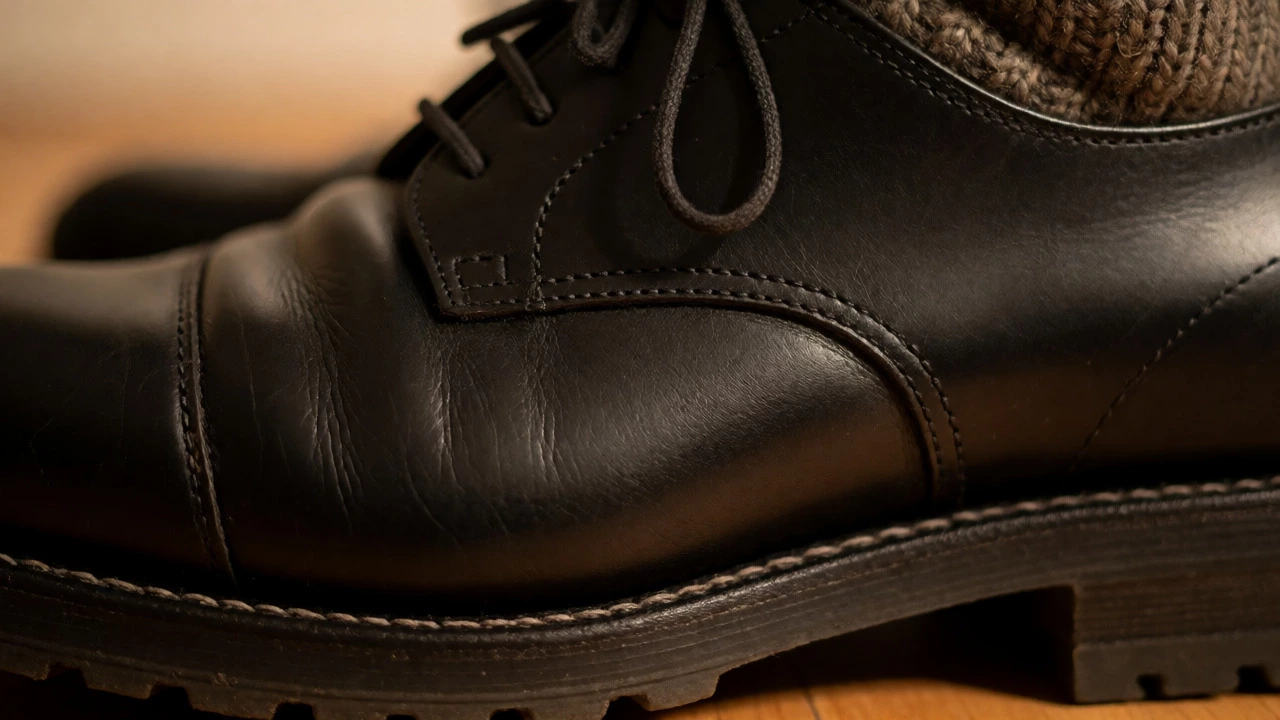
Forget the myth that leather shoes should feel perfect on day one. For premium Goodyear welted shoes, expect a break-in period of roughly 80 to 100 miles of walking. That sounds like a lot, but broken down into daily wear, it’s about two weeks of regular use.
However, not all leather behaves the same way. The type of leather dictates the timeline significantly:
- Full-Grain Leather: The toughest and most durable. Expect 2-3 weeks of gradual acclimation. It holds its shape best but resists change the most.
- Top-Grain Leather: Slightly softer as the surface layer is sanded down. Breaks in faster, usually within 1 week.
- Suede and Nubuck: These have a brushed surface and are inherently more flexible. They mold to the foot very quickly, often feeling comfortable within 2-3 days.
- Patent Leather: Coated with plastic-like layers. It barely stretches. If patent leather hurts, it’s likely the wrong size, because it won’t give much.
How to Speed Up the Process Without Ruining Them
You don’t have to suffer through every step. There are proven methods to accelerate the molding process, but you must do them carefully to avoid damaging the finish.
1. The Thick Sock Method
This is the safest DIY trick. Put on a pair of thick wool hiking socks, slide your feet into the shoes, and wear them around the house for 30-60 minutes. Do not walk outside yet. The extra volume forces the leather to expand gently. Repeat this over several evenings. By the third night, you’ll notice the upper feels looser.
2. Controlled Moisture
Leather fibers relax when slightly damp. Use a spray bottle filled with water (or a specialized leather conditioner) to lightly mist the inside of the shoe-specifically the areas that feel tight. Wear the shoes while they dry on your feet. This helps the leather set in the stretched position. Warning: Never soak the shoes. Excess water can ruin the glue and cause water stains.
3. Professional Stretching
If the pain is localized to a specific spot (like a bunion area), take them to a cobbler. They use metal stretchers with plug inserts that target specific points. This costs less than $20 and saves you weeks of discomfort. It’s far more effective than generic home remedies.
4. The Freezer Trick (Use with Caution)
You may have heard of filling ziplock bags with water, putting them inside the shoes, and freezing them. As water freezes, it expands, stretching the leather. While this works for canvas sneakers, it is risky for fine leather. Extreme cold can make leather brittle, and condensation upon thawing can introduce excess moisture. I recommend sticking to mechanical stretching or professional help for expensive pairs.
Common Mistakes That Make Breaking In Worse
Many people sabotage their own comfort by trying to rush the process incorrectly.
Wearing them for a full 8-hour workday immediately: This is the fastest way to get blisters. Start with 1-2 hours of wear per day. Let your skin adapt gradually.
Ignoring socks: The friction between your skin and the leather causes blisters. Always wear the type of sock you intend to wear with the shoe long-term. Thin dress socks offer little protection during the break-in phase; consider thicker cotton or wool blends initially.
Using heat guns or hair dryers aggressively: Applying direct high heat can shrink the leather backing or crack the finish. If you use heat, keep it low and indirect, and move constantly.
When to Give Up and Return Them
There is a limit to what leather can do. If you follow the break-in protocols and still experience sharp pain after two weeks, the shoe doesn’t fit your biomechanics. Foot shapes vary wildly. Some people have high insteps, others have wide forefeet. A shoe might be the correct length but the wrong last (the mold used to build the shoe).
Check the shoe last. If you have a wide foot and the brand uses a narrow last, no amount of conditioning will make it comfortable. Conversely, if your heel slips excessively despite being snug elsewhere, the shoe may be too long, causing friction that leads to blisters rather than allowing proper flex.
Remember, the goal is not just to tolerate pain, but to achieve a fit that supports your foot naturally. If the shoe fights your anatomy, let it go.
Do leather shoes stretch over time?
Yes, leather stretches primarily in length and width, typically up to half a size. However, it does not stretch significantly in height (instep). Once stretched, leather rarely returns fully to its original size, so be careful not to over-stretch them.
Should I buy leather shoes tight or loose?
Buy them snug, not tight. There should be minimal heel slippage (less than a quarter-inch) and enough room to wiggle your toes. Since leather stretches, buying them too loose will result in sloppy shoes after a few months. Snug ensures they mold to your exact shape.
Can I wear new leather shoes outside right away?
It is better to wear them indoors first for a few hours. This allows you to identify any immediate fit issues without committing to outdoor wear, which often voids return policies due to scuffed soles.
Does using shoe trees help with breaking in?
Shoe trees are excellent for maintaining shape and absorbing moisture, but they do not actively stretch the shoe during the break-in period. Use them after wearing the shoes to preserve the form they have taken on.
What if only one shoe hurts?
This is normal. Most people have one foot slightly larger or shaped differently than the other. Focus your break-in efforts (stretching sprays, thick socks) on the problematic shoe specifically.