

Jacket Decision Calculator
Should You Wear a Jacket?
70 degrees isn't the only factor. This calculator helps you decide based on activity, weather conditions, and your body type.
It’s 70 degrees Fahrenheit outside - that’s about 21 Celsius - and you’re standing in your closet, staring at a jacket you haven’t worn since last autumn. Should you put it on? Or is that overkill? This isn’t just about fashion. It’s about comfort, practicality, and how your body actually reacts to the air around you.
Temperature isn’t the whole story
70 degrees sounds warm. And on a sunny spring day in York, it can feel downright pleasant. But temperature alone doesn’t tell you if you need a jacket. Wind, humidity, sun exposure, and your own body heat all play bigger roles than most people realize.
Think about it: if you’re walking down the street with no wind, in full sun, wearing a thin cotton shirt - you’ll probably feel fine without a jacket. But if you’re waiting for a bus at 5 p.m. with a chilly breeze off the River Ouse? That same 70-degree air starts to feel like 60. And if you’re already dressed in light layers, a jacket isn’t a fashion choice - it’s a survival tool.
What kind of jacket are we talking about?
Not all jackets are created equal. A heavy wool overcoat? Probably too much. A thin denim jacket? Maybe just right. A windbreaker or a light zip-up? Often perfect.
In York, spring weather is unpredictable. One hour it’s bright and calm, the next it’s drizzly and windy. That’s why most locals who’ve lived here for more than a year keep a light jacket in their bag - even when the forecast says 70. It’s not about being cold. It’s about being ready.
A light jacket doesn’t have to be bulky. Think of it as a second skin: something you can shrug on and take off without thinking. A nylon windshell, a cotton blend bomber, or even a longline cardigan can do the job. It’s not about looking put-together. It’s about staying comfortable when the weather shifts.
Your body temperature matters more than the thermometer
Some people run hot. Others run cold. And neither is wrong. If you’re the type who always has cold hands, even in summer, you’re probably better off with a jacket. If you’re the type who sheds layers at 65 degrees, you might not need one at all.
There’s no universal rule here. But here’s a simple test: if you’re going to be outside for more than 20 minutes - walking, waiting, commuting - and you’ve got a breeze or shade ahead, put on the jacket. If you’re going straight from a warm house to a warm car? Skip it.
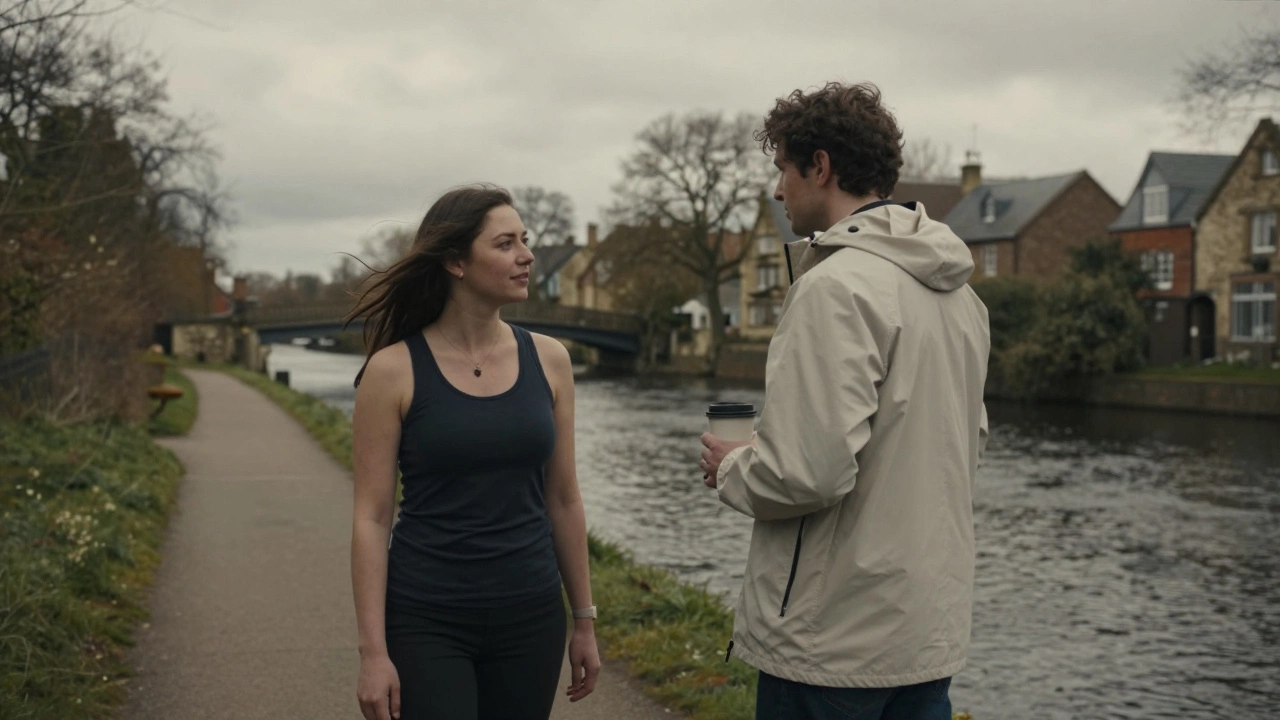
One real-world example: I’ve seen people in York wear tank tops and no jacket at 70 degrees, then shiver five minutes later when they step into a café with the AC on. Meanwhile, someone else in a light hoodie walks in perfectly comfortable. It’s not about the temperature. It’s about how your body responds to change.
Layering is the secret weapon
Instead of asking whether to wear a jacket, ask: What’s my base layer? If you’re wearing a long-sleeve tee, a thin sweater, or a thermal top, you might not need a jacket at all. But if you’re in a short-sleeve shirt? A light outer layer becomes a buffer against the unexpected.
Layering isn’t just for winter. It’s for every season. A light jacket acts like insulation between you and the air. It traps your body heat without overheating you. And when you start to feel too warm? You can unzip it. Or roll it up and tie it around your waist. That’s the beauty of a good lightweight jacket - it’s flexible.
What do locals actually do?
Walk through the Shambles or along the York City Walls on a 70-degree day, and you’ll notice a pattern. Most people wear something light on top. Not everyone. But a large chunk - maybe 60% - have a jacket, hoodie, or cardigan with them.
Why? Because the weather here doesn’t stay still. The sun vanishes behind clouds. A gust of wind rolls in off the North Sea. Rain clouds build without warning. People who live here know: 70 degrees doesn’t mean ‘summer.’ It means ‘transitional.’
Even in late March, when the trees are just starting to bud, the air can drop 10 degrees in an hour. A jacket isn’t a burden. It’s insurance.
When you definitely don’t need one
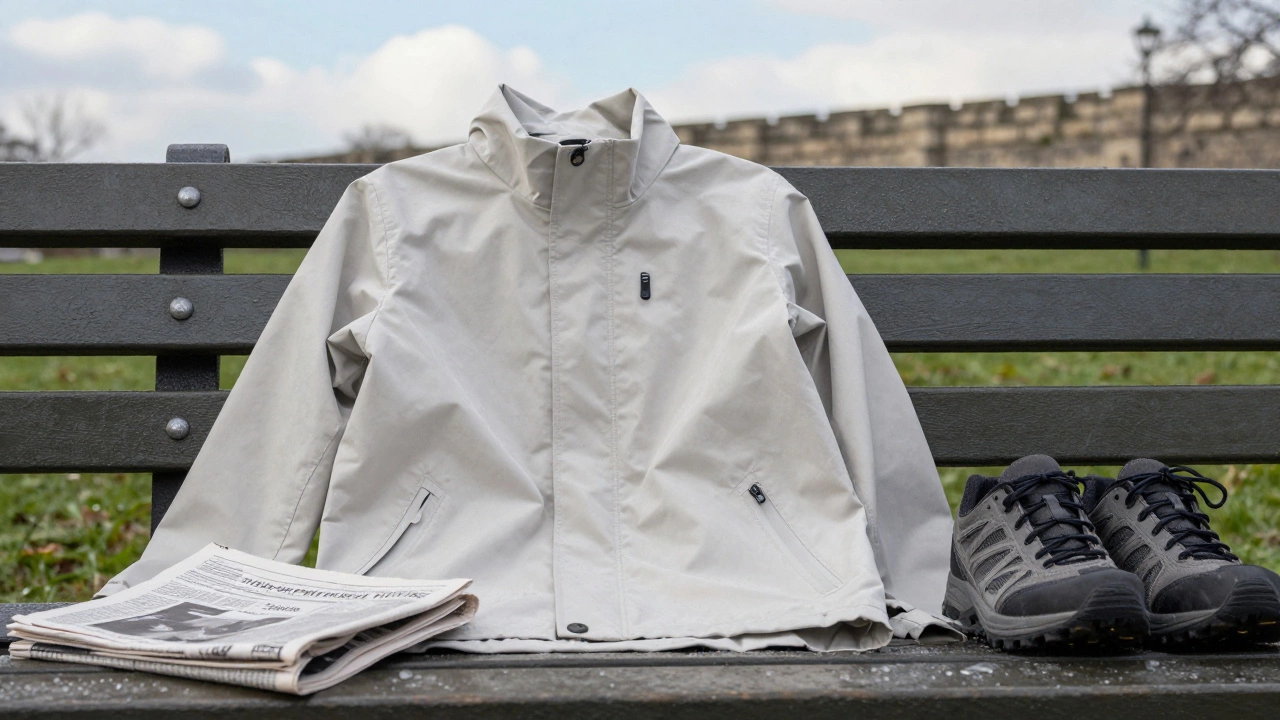
There are times when a jacket is pointless:
- You’re inside all day - office, café, home.
- You’re in direct sunlight with zero wind, and you’re moving (walking briskly, biking).
- You’re wearing a thick sweater or multiple layers already.
- You’re only outside for 5-10 minutes - like grabbing coffee or walking to the car.
But if you’re going to be outside longer than that? Or if you’re going to be sitting still? Or if the sky looks even a little gray? Put it on.
What to look for in a 70-degree jacket
Not every jacket works. You want something that’s:
- Lightweight - under 1 pound, ideally.
- Breathable - no plastic feel. Cotton, nylon, or a blend that lets air move.
- Packable - folds into a small space. Fits in a bag, not just a closet.
- Water-resistant - even if it’s not raining, dew or a sudden drizzle can catch you off guard.
Forget heavy parkas. Skip the puffer jackets unless you’re going hiking. You don’t need insulation. You need a shield.
The bottom line
Yes, you should wear a jacket in 70-degree weather - if you’re going to be outside for more than a few minutes. Not because it’s cold. But because weather doesn’t stay the same. And your comfort shouldn’t depend on a single number on a screen.
70 degrees isn’t a rule. It’s a starting point. Your jacket is your tool. Use it wisely.
Keep one handy. You’ll thank yourself when the wind picks up and the sun disappears.
Is 70 degrees too cold for a short-sleeve shirt?
Not necessarily. Many people wear short sleeves at 70 degrees, especially in direct sun. But if you’re sensitive to cold, or if there’s wind or shade, you might feel chilly after 10-15 minutes. A light jacket or cardigan over a short-sleeve shirt gives you flexibility - you can remove it if you get warm, or keep it if you start to shiver.
What’s the best type of jacket for 70-degree weather?
A lightweight windbreaker, denim jacket, or cotton-blend bomber works best. These offer just enough warmth to block wind and light rain without trapping heat. Avoid thick coats, puffers, or fleece-lined jackets - they’re designed for colder temps. Look for something under 1 pound and that packs down small.
Do I need a jacket if I’m walking to my car?
If you’re only outside for 5-10 minutes and the weather is calm and sunny, you probably don’t need one. But if it’s windy, cloudy, or you’ll be standing still (like waiting for a ride), a light jacket helps. It’s better to have it and not need it than to need it and not have it.
Can I just wear a hoodie instead of a jacket?
Absolutely. A hoodie is a great alternative - especially if it’s made of light cotton or a thin fleece. It’s warmer than a thin jacket but still breathable. Hoodies are also easy to roll up and carry, making them ideal for unpredictable weather. Many people in York wear hoodies at 70 degrees during spring and fall.
Why do some people wear jackets in 70-degree weather while others don’t?
It comes down to personal physiology and experience. Some people naturally run colder, especially in their extremities. Others have high metabolism or are more active. People who’ve lived in variable climates - like York - learn to layer because the weather changes fast. It’s not about fashion. It’s about adapting to what the air actually feels like, not just what the thermometer says.