

Sportswear Description Optimizer
Feature-to-Benefit Converter
Fill in the details and click optimize to see your high-converting description here.
Key Takeaways
- Focus on benefits (how the user feels) rather than just features (what the item is).
- Use sensory language to describe fabric performance.
- Target specific activities (HIIT, yoga, running) to attract the right buyer.
- Combine technical specs with lifestyle storytelling.
The Psychology of Performance Shopping
When someone looks for sportswear is clothing designed specifically for athletic activities and exercise, they aren't just buying fabric. They are buying a version of themselves that is faster, stronger, or more disciplined. This is the core of "aspirational buying." A runner isn't looking for a shirt; they are looking for a way to avoid chafing during a 10k race in July humidity.
If you write "This shirt is made of polyester," you've told them nothing they didn't already know from the label. But if you write, "Our moisture-wicking fabric pulls sweat away from your skin so you don't feel that heavy, drenched sensation at mile six," you've solved a problem. You've shifted from a technical attribute to a tangible benefit. The best sportswear descriptions bridge the gap between a piece of cloth and a physical achievement.
Defining the Core Categories
Not all athletic gear is the same, and your language needs to shift based on the intent of the garment. A yoga pant requires a completely different emotional hook than a compression sleeve for a basketball player.
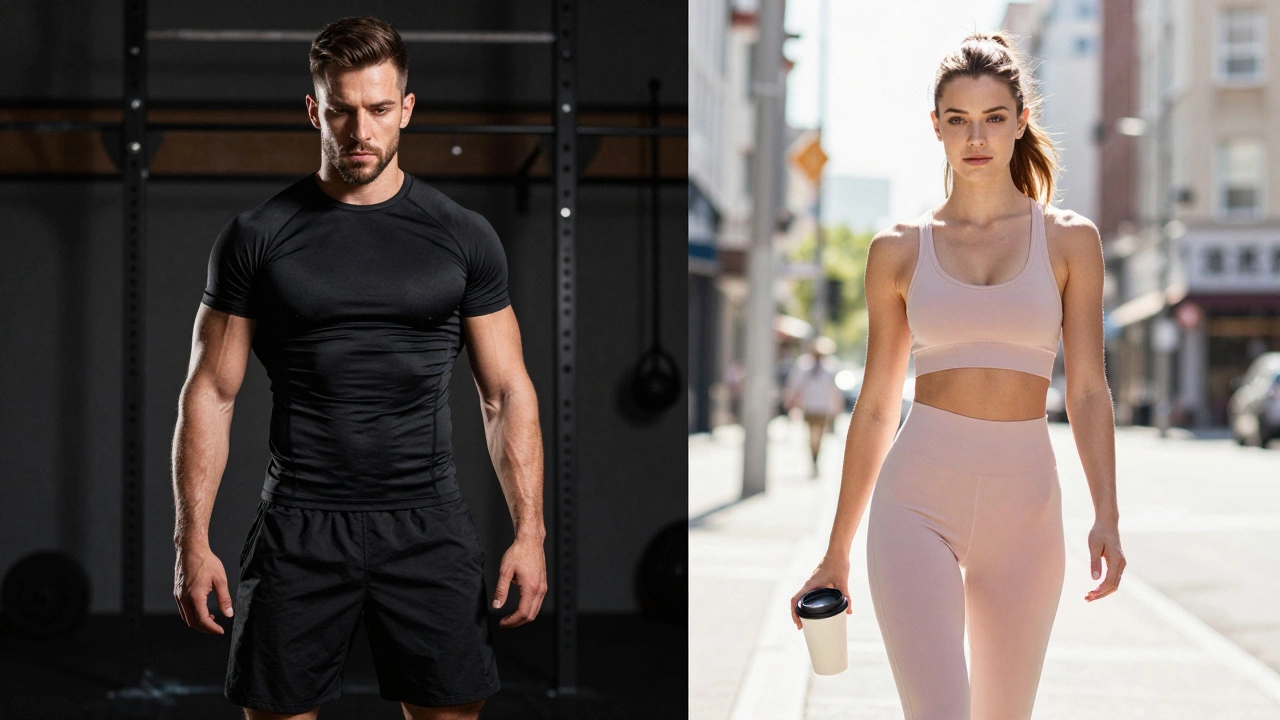
First, consider Activewear. This is the broad umbrella. It covers everything from gym clothes to "athleisure." The tone here should be versatile. Think about the transition from a morning workout to a coffee date. The language should emphasize style, comfort, and flexibility.
Then you have Performance Gear. This is where technicality wins. When dealing with high-intensity equipment, buyers want data. They want to know about Compression Technology, which applies pressure to muscles to increase blood flow and reduce recovery time. In this category, a description that is too "fluffy" can actually hurt trust. Athletes want to know if the gear can survive a CrossFit session or a marathon.
| Gear Type | Primary Goal | Key Keywords | Tone |
|---|---|---|---|
| Athleisure | Style & Comfort | Versatile, buttery-soft, chic | Conversational |
| High-Performance | Results & Durability | Aerodynamic, thermal, reinforced | Authoritative |
| Recovery Wear | Comfort & Healing | Soothing, supportive, seamless | Gentle/Medical |
Mastering Technical Fabric Descriptions
Fabric is the heart of sportswear. However, words like "breathable" and "stretchy" have become meaningless because every single brand uses them. To stand out, you need to get specific about the material science.
Take Spandex (often known as Lycra). Instead of saying it's "stretchy," describe the "four-way stretch" that allows the garment to move with the body without losing its shape. Talk about the "recovery" of the fabric-the way it snaps back after being pulled. This tells the customer that the leggings won't sag at the knees after three washes.
When mentioning Moisture-Wicking properties, explain the process. Does it use capillary action to move water to the surface? Does it have an antimicrobial finish to prevent the "gym smell"? By explaining the how, you justify a higher price point. You aren't selling a shirt; you're selling an engineering solution for sweat.
Structuring Your Product Page for Conversion
A wall of text is where sales go to die. People skim. They look for the information they need, and if they can't find it in three seconds, they bounce. Use a tiered information architecture to keep them engaged.
- The Hook (The Headline): Give the product a name that implies a benefit. Instead of "Blue Running Shorts," try "Aero-Light Marathon Shorts."
- The Emotional Lead (2-3 sentences): Describe the feeling. "Stop fighting with your waistband during sprints. These shorts stay put so you can focus on your pace."
- The Feature Bullet Points: Use a "Feature $\rightarrow$ Benefit" format.
- Reinforced stitching $\rightarrow$ No more ripped seams during deep squats.
- Hidden zipper pocket $\rightarrow$ Keep your key secure without the bulk.
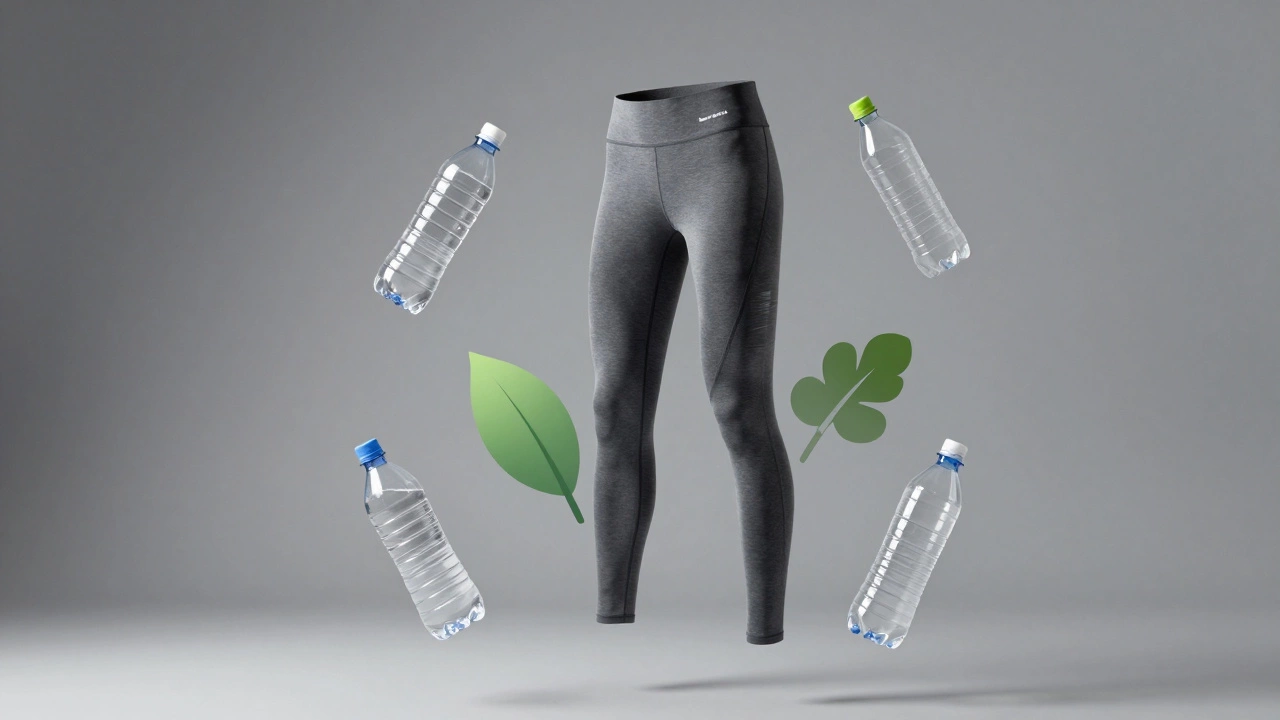
- Recycled Polyester $\rightarrow$ High performance that's kinder to the planet.
- The Fit Guide: Be brutally honest. Does it run small? Is it a "compression fit" (tight) or a "relaxed fit" (loose)? This reduces returns, which is the biggest profit-killer in sportswear ecommerce.
Common Mistakes to Avoid
One of the biggest pitfalls is the "Superlative Trap." Avoid words like "the best," "amazing," or "incredible." These are empty calories. They don't tell the buyer anything. If you say your fabric is "the best in the world," the customer asks, "According to whom?" Instead, use evidence. "Tested over 500 miles of trail running" is infinitely more powerful than "incredible durability."
Another mistake is ignoring the "Use Case." A lot of brands describe the item but forget to tell the user where to wear it. Is this for hot yoga or a cold-weather hike? By specifying the environment, you help the customer visualize themselves using the product. For example, mentioning that a jacket is "perfect for those crisp 40-degree morning jogs" creates a vivid mental image that triggers a purchase.
The Role of Sustainability in Modern Descriptions
Today, Sustainable Fashion isn't just a niche; it's a requirement. However, avoid "greenwashing"-using vague terms like "eco-friendly" without proof. This makes customers skeptical.
Be concrete. Mention the specific materials, like Recycled Polyester made from ocean-bound plastic bottles. Mention certifications like OEKO-TEX or GRS (Global Recycled Standard). When you provide the specific value (e.g., "made from 12 recycled plastic bottles"), the sustainability claim becomes a feature of the product rather than just a marketing slogan.
How do I make my sportswear descriptions sound more professional?
Stop using generic adjectives and start using industry-standard terminology correctly. Instead of "stretchy," use "four-way stretch." Instead of "light," use "low-denier」 or "weightless feel." The key is to match the vocabulary of an athlete or a gear enthusiast.
Should I focus more on the technical specs or the lifestyle feel?
It depends on the product. For high-performance gear (like carbon-plated running shoes), lean heavily into specs and data. For athleisure or lounge wear, focus on the lifestyle-how it feels against the skin and how it looks in a social setting. A 70/30 split in favor of lifestyle usually works best for casual activewear.
How can I write descriptions for a wide range of sizes?
Use inclusive language that describes how the garment interacts with different body shapes. Avoid saying "flattering," which is subjective. Instead, use descriptive terms like "contouring waistband," "non-slip cuffs," or "adaptive fit" to explain how the clothes support the body regardless of size.
What is the best length for a product description?
The "Golden Ratio" is a short, punchy paragraph (30-50 words) followed by a bulleted list of 4-6 key features. This satisfies both the emotional buyer who wants a story and the logical buyer who wants a checklist of specs.
Do I need to mention the brand's history in every description?
No. The product description should be about the product. Keep the brand story for the "About Us" page or the homepage. The only time brand history belongs in a product description is if it directly relates to the product's quality (e.g., "Built with the same heritage leather used in our 1950s boots").