
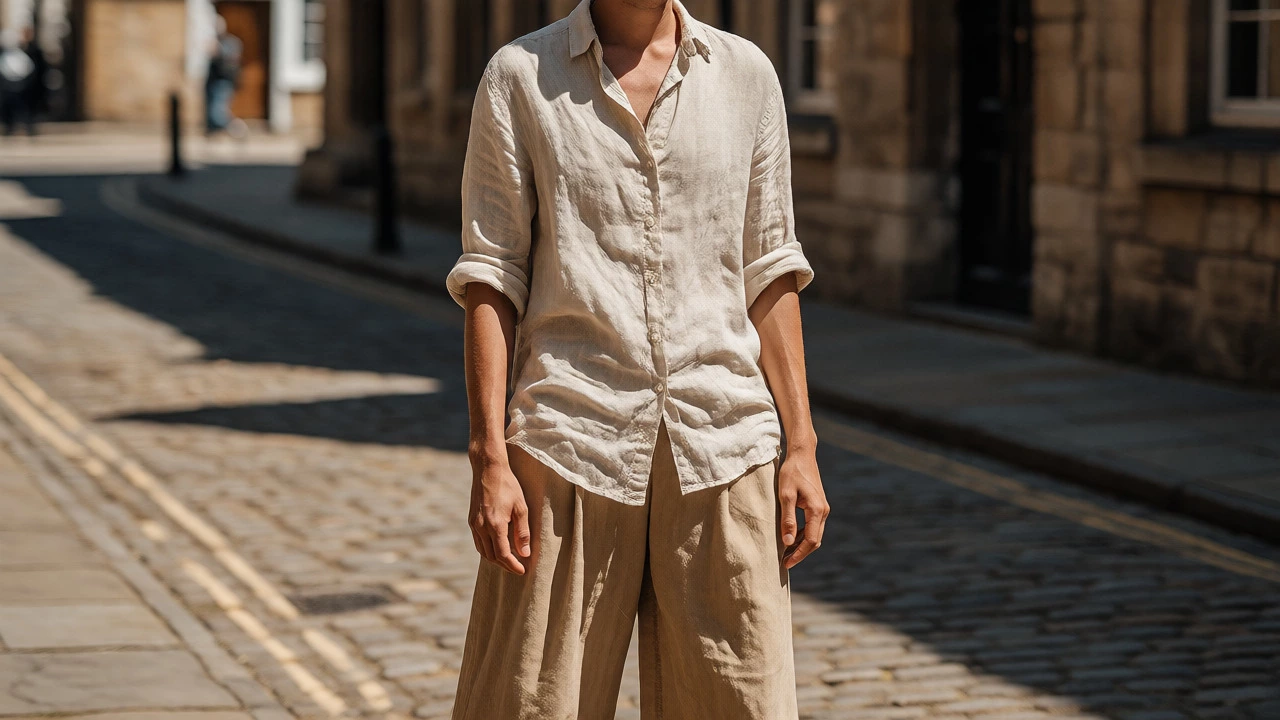
Summer Outfit Breathability Checker
Select your top and bottom garment details to calculate a "Cool Factor" score. This tool uses principles from fabric physics and silhouette balance to estimate how comfortable your outfit will be in hot weather.
Your Outfit Score
Recommendations
It is 2026, and the UK summers are getting hotter. You know the drill: you step outside in a crisp linen shirt, look great for ten minutes, and then feel like you are wearing a plastic bag by lunchtime. We have all been there. The struggle between looking put-together and not melting into a puddle of sweat is real. But here is the secret that fashion influencers often gloss over: stylish summer dressing isn't about following every trend; it is about mastering fabric physics and silhouette balance.
If you live in a place like York, where humidity can spike unexpectedly, your wardrobe needs to work harder than usual. You need clothes that breathe, move with you, and still look intentional when you meet friends for an ice cream. This guide cuts through the noise. No vague advice like "wear light colors." Instead, we are going to talk about specific materials, cut types, and styling tricks that actually keep you cool while making you look sharp.
The Fabric Rulebook: What Actually Breathes?
Most people think cotton is the king of summer fabrics. It is good, sure, but it holds onto moisture. Once a cotton t-shirt gets sweaty, it stays wet against your skin, creating that clammy feeling. If you want to stay dry, you need to look at natural fibers that wick moisture away or allow air to pass through freely.
Linen is a textile made from flax plant fibers, known for its exceptional breathability and ability to dissipate heat quickly. Unlike cotton, linen has hollow fibers that act as tiny pipes, moving heat away from your body. Yes, it wrinkles easily. Embrace it. In 2026, a slightly crumpled linen suit looks more authentic and relaxed than a stiff polyester blend. Look for blends with silk if you hate wrinkles; silk adds weight and drape without trapping heat.
Another underrated hero is Tencel (or Lyocell). It is an eco-friendly fiber derived from wood pulp, featuring a smooth surface that feels cool to the touch and manages moisture better than conventional cotton. It drapes beautifully, which means it doesn’t cling to sweaty skin. Brands like Reformation and many high-street labels now use Tencel for summer dresses because it resists odors longer than synthetic blends.
| Fabric | Breathability Score (1-10) | Moisture Wicking | Wrinkle Resistance | Best For |
|---|---|---|---|---|
| Linen | 9 | High | Low | Loose trousers, shirts |
| Cotton Poplin | 7 | Medium | Medium | Structured shirts |
| Tencel/Lyocell | 8 | High | High | Dresses, blouses |
| Silk | 8 | Medium | Low | Evening wear, scarves |
| Polyester Blend | 3 | Low | High | Avoid unless technical |
Mastering Silhouette: Airflow Over Tightness
Tight clothes trap heat. Simple as that. When your skin touches fabric directly, sweat cannot evaporate. You need space between the cloth and your body. This is why oversized fits aren't just a trend; they are functional.
Think about the "tent" effect. A wide-leg trouser allows air to circulate around your legs, cooling you down with every step. Compare this to skinny jeans. Even if they are thin denim, they hug your calves and thighs, creating a microclimate of heat. If you prefer fitted tops, pair them with loose bottoms. Or go the other way: a cropped tank top with a maxi skirt. The key is never having tight fabric on both your upper and lower body simultaneously during peak heat.
For men, consider unstructured blazers. Traditional suits have padding and lining that turn your torso into an oven. An unlined linen or cotton blazer lets your chest breathe. Roll up the sleeves. Leave the top button undone. These small adjustments increase airflow significantly.
Color Theory: Light vs. Dark in Direct Sunlight
We have heard it a thousand times: "Wear white to reflect the sun." It is partially true, but not the whole story. White reflects visible light, yes. But black absorbs UV rays, which can actually help protect your skin from sun damage if the fabric is thick enough. However, black also absorbs infrared radiation (heat), making you feel hotter.
In the UK climate, where sunshine is often intermittent, pastels and neutrals are safer bets. Beige, sand, soft blue, and sage green absorb less heat than black but don't show sweat stains as aggressively as pure white. If you must wear dark colors, choose deep navy or charcoal rather than jet black. They offer a sophisticated look while managing heat absorption better.
Pro tip: Check the weave density. A loosely woven black shirt will let more air through than a tightly woven one, counteracting some of the heat absorption. Texture matters as much as color.
Footwear Choices That Don't Cause Blisters
Your feet swell in hot weather. Shoes that fit perfectly in winter might pinch your toes in July. Avoid heavy leather boots or non-breathable sneakers. You want open designs or lightweight materials.
Leather Sandals are open-toed footwear constructed from breathable animal hide, offering durability and moldability to foot shape. Choose flat sandals with cushioned soles. High heels restrict blood flow and make walking in heat exhausting. Espadrilles are another classic option, provided the sole is thick enough to protect against uneven pavement.
If you need closed shoes for work, look for canvas or mesh trainers. Avoid synthetic leather, which traps sweat. Socks matter too. Wear no-show socks or thin cotton ones. Thick athletic socks inside summer shoes create a swamp environment for bacteria.
Accessories: Function Meets Fashion
Accessories shouldn't add heat. A heavy wool scarf in summer is a mistake. Instead, opt for lightweight accessories that serve a purpose.
- Hats: A wide-brimmed hat protects your face and neck from UV rays. Straw hats are ideal because they are light and porous. Baseball caps work too, but ensure they have ventilation holes.
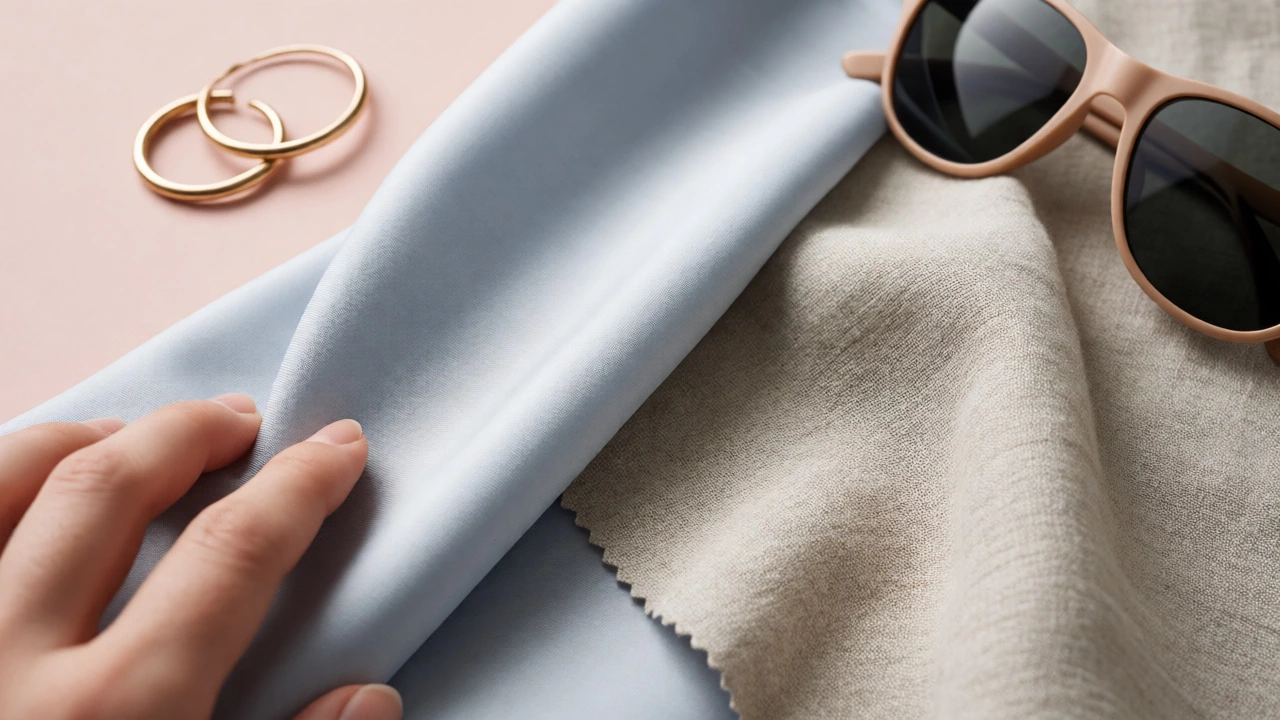
- Sunglasses: Beyond style, polarized lenses reduce glare, which causes eye strain and headaches in bright conditions. Keep them accessible-don't leave them in a hot car where frames can warp.
- Jewelry: Stick to gold, silver, or titanium. Costume jewelry with nickel plating can react with sweat, causing rashes. Minimalist pieces prevent snagging on loose fabrics.
Building a Capsule Summer Wardrobe
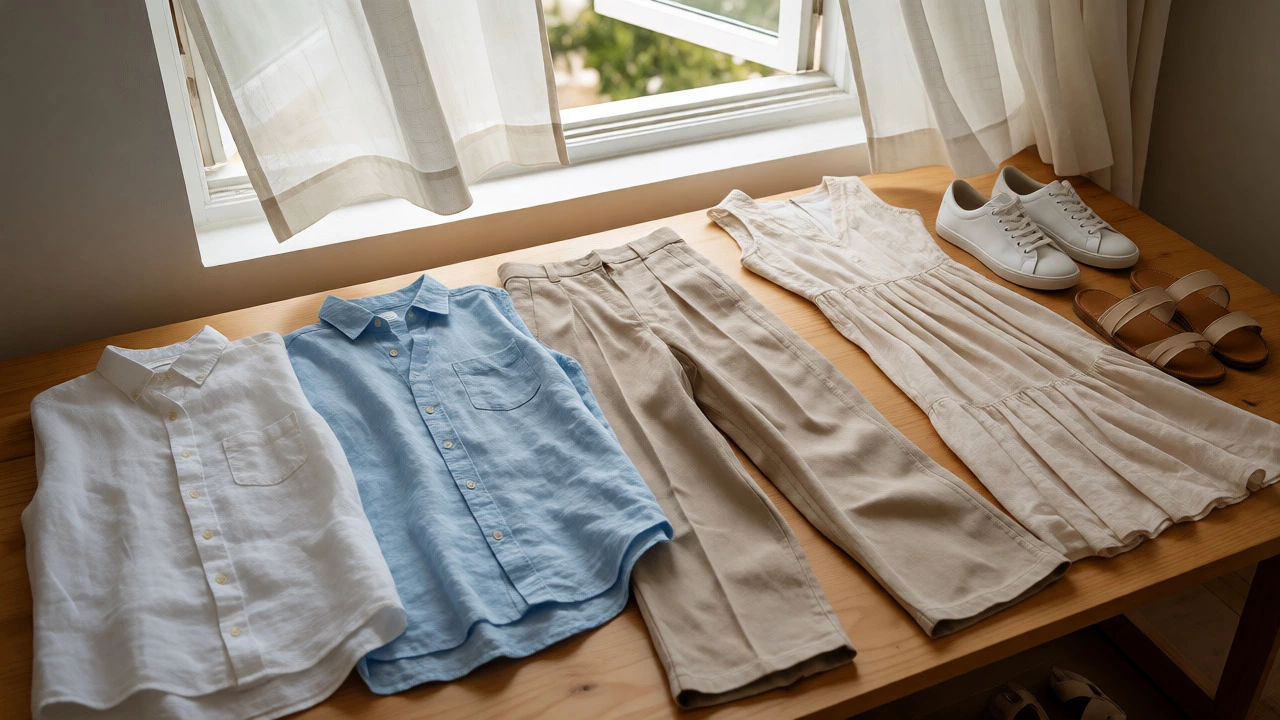
You don't need fifty new items. You need five good ones that mix and match. Here is a starter kit for anyone looking to refresh their look without breaking the bank.
- Two Linen Shirts: One white, one light blue. Wear them open over a tee or buttoned up.
- One Pair of Wide-Leg Trousers: Neutral color like beige or olive. Easy to dress up or down.
- One Midi Dress or Romper: Made of Tencel or viscose. Perfect for days when you want zero effort.
- Basic Cotton Tees: Three packs in neutral tones. Replace them yearly as they lose shape.
- Versatile Footwear: One pair of clean white sneakers and one pair of leather sandals.
This setup covers casual lunches, office days (if you add a blazer), and evening drinks. It reduces decision fatigue. You grab what's clean, and you look coordinated.
Care Tips: Keeping Clothes Fresh Longer
Summer clothes get dirty faster. Sweat, sunscreen, and deodorant build up. Washing them after every wear shrinks linen and fades colors. Try spot-cleaning instead. Use a damp cloth with mild soap for small stains.
Air out your clothes. Hang them outside on a breezy day. UV light kills bacteria naturally. If you must wash, use cold water. Hot water sets protein stains like sweat. Turn clothes inside out to protect the outer fabric from friction. And please, skip the dryer. Line drying preserves elasticity and saves energy.
Is polyester really bad for summer?
Standard polyester is poor because it traps heat and moisture. However, modern technical polyesters designed for sports use moisture-wicking technology and mesh panels, making them acceptable for active wear. For casual clothing, stick to natural fibers.
Can I wear black in summer?
Yes, but choose loose-fitting black garments made from breathable fabrics like cotton or linen. Tight black clothes will make you feel hotter due to trapped heat, regardless of color theory debates.
How do I stop linen from wrinkling too much?
You can't eliminate wrinkles entirely-it is part of linen's charm. To minimize them, remove clothes from the dryer immediately or hang them straight after washing. Steaming works better than ironing for refreshing worn linen.
What shoes go best with summer dresses?
Flat sandals, espadrilles, or minimalist white sneakers. Avoid heavy boots or platform heels that restrict movement and cause sweating.
Do light colors actually keep you cooler?
In direct sunlight, yes, light colors reflect radiant heat. In shaded areas, the difference is negligible compared to fabric breathability and fit. Focus on loose, airy fabrics first.