
Summer Style Comfort Calculator
Outfit Configuration
Estimated Comfort Score
Run Calculation
Recommendations:
Facing the Heat Without Losing Confidence
When the mercury rises, the last thing you want is your clothes sticking to your skin. For many people with a fuller figure, summer outfits for plus size can feel like a minefield. You worry about the fabric clinging where it shouldn't, sweating through light materials, or finding a cut that actually flatters your curve rather than hiding your personality. The good news is that dressing for warmth doesn’t mean sacrificing style or comfort. In fact, summer offers the perfect opportunity to use lighter fabrics and bolder colours that winter wardrobes often lack.
We often get taught to "hide" our bodies, but the goal should be feeling fresh and cool. If you have ever stepped out of your house in July only to realise your top is soaked through after ten minutes, you know the struggle is real. It’s not just about looking good; it is about surviving the temperature physically. Below, we break down the mechanics of choosing the right textiles, cuts, and accessories so you can walk down the street in York or anywhere else without worrying about overheating or chafing.
Choosing Fabrics That Actually Breathe
The biggest mistake people make in summer is prioritising look over texture. A polyester blend might hold its shape perfectly in a photo, but under the sun, it acts like a trap. You need to look at the material composition label first. Natural fibres allow air to circulate between your skin and the clothing.
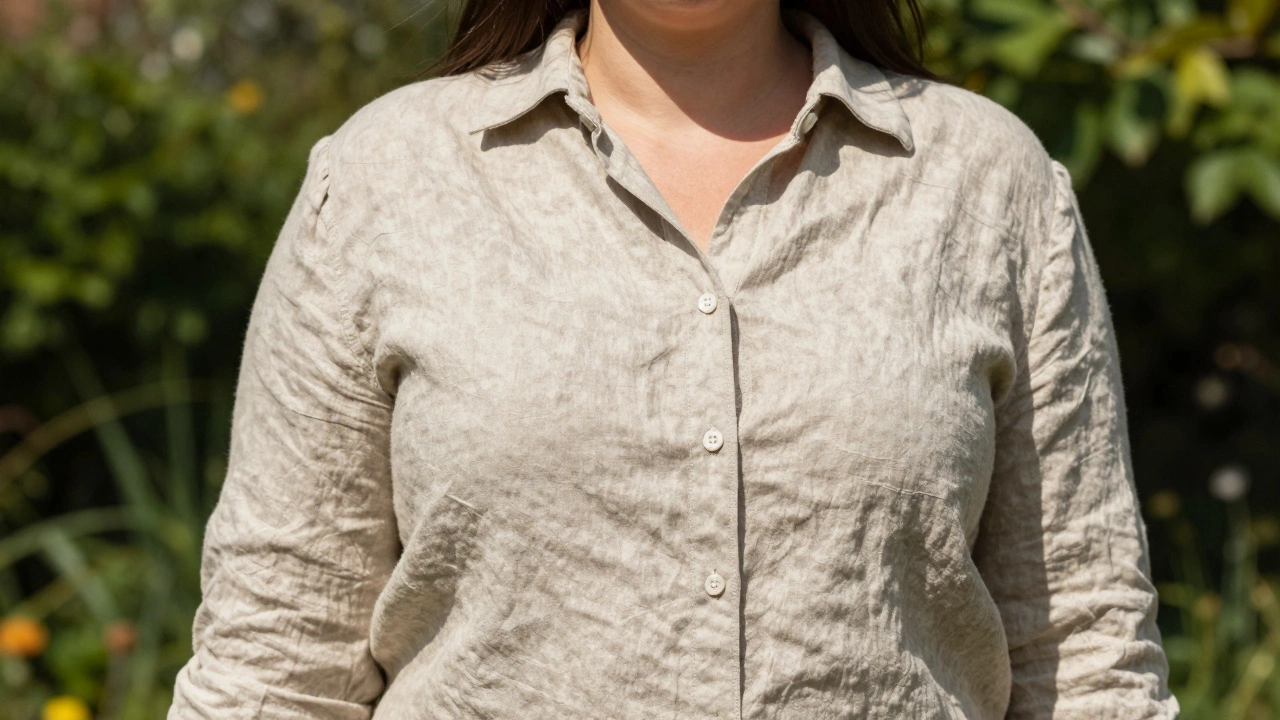
Linen is a textile made from fibres of the flax plant, known for being highly absorbent and allowing high breathability. Even though it wrinkles easily, that loose weave lets heat escape. It feels crisp against the skin and dries quickly if you do sweat. Another great option is cotton, specifically lightweight jersey or chambray. These don’t bunch up as much as linen.
A lesser-known champion is Tencel (Lyocell). Unlike standard viscose, this wood-pulp fibre is incredibly soft and manages moisture better than most synthetics. It drapes beautifully without clinging. When you are shopping online, avoid descriptions like “stretch knit” unless they specify a natural blend. Pure synthetic stretch often holds onto body heat. Instead, look for terms like “mixed weave” or “natural fiber blend.” If you touch the fabric and it feels cool rather than warm instantly, it is usually a safe bet for the season.
Silhouettes That Balance Proportions
Cut is everything. A tight garment shows every line and restricts movement, which gets uncomfortable fast in the heat. We want shapes that skim the body without binding. The wrap style remains a timeless favourite for a reason. It allows you to adjust the fit around your waist and chest, creating a defined waistline without squeezing you into a boxy shape.
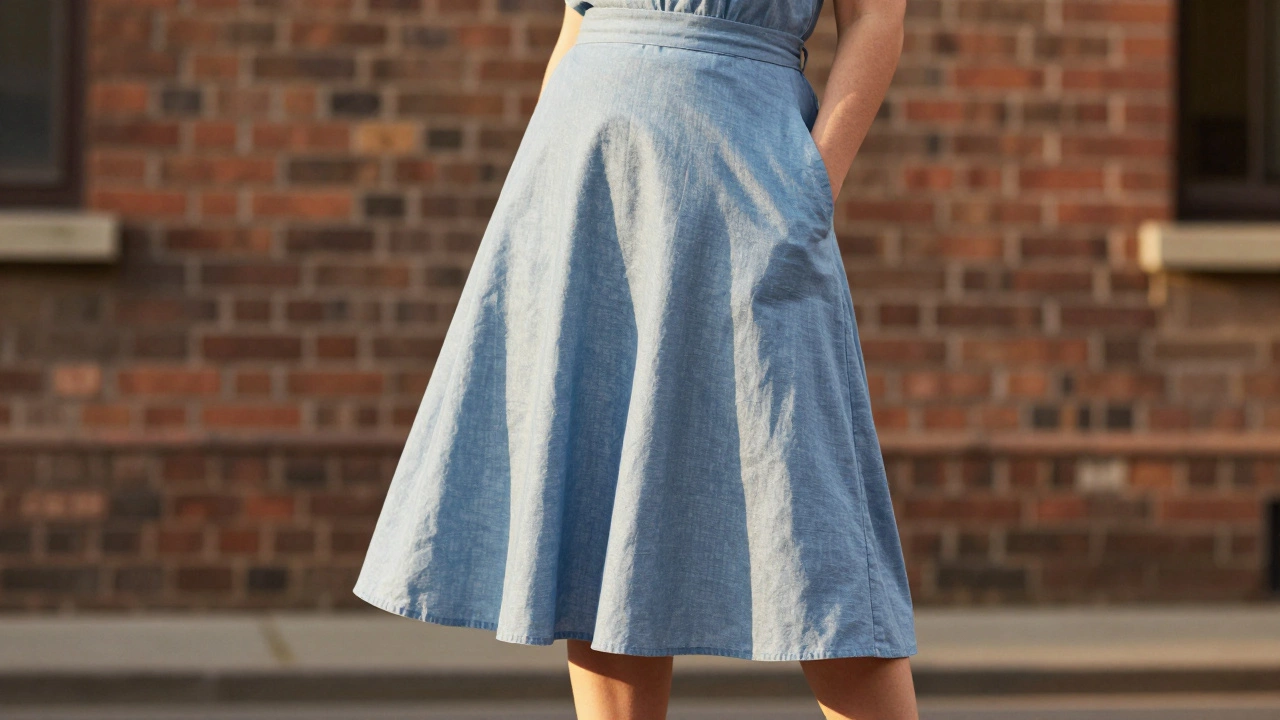
An A-line skirt works wonders here. By starting fitted at the waist and flaring out towards the hips and thighs, it creates airflow. This prevents the dreaded “thigh squeeze” that happens with pencil skirts in humid weather. Empire waists are another smart choice. They sit just below the bust, leaving the midsection loose. This creates a vertical line that elongates your torso. However, be careful with very low empire lines that end at the widest part of your stomach; they can sometimes emphasise bulk.
If you prefer separates, try wide-leg trousers paired with a tucked-in blouse. The wide leg acts like a wind tunnel, keeping your legs cool while covering up any inseam rubbing. Just ensure the waistband sits comfortably where your natural waist is, not on your tummy. High-waisted shorts are also excellent, provided they are long enough to avoid digging into your skin.
Mastering Necklines and Sleeve Coverage
In summer, your shoulders and neck often carry the most tension. Boat necks and wide scoops open up the neckline area visually, which draws the eye upwards. If you feel self-conscious about arm coverage, cap sleeves or flutter sleeves provide a bit of modesty without trapping the heat. Full-length sleeves can work in the sun to protect your skin, provided the fabric is sheer or thin enough to let air pass through.
V-necks are arguably the most versatile tool in your wardrobe. They break up the visual mass of the upper body and lead the eye vertically, which has a slimming effect. A deep V-front blouse under a jacket allows you to control your “off” look while keeping covered when needed. Off-the-shoulder tops are trendy and effective, but they require support under the arms. Make sure the elastic isn’t too tight, or you risk red marks on your collarbone by noon.
Hoodies or zip-front cardigans are great for layering. They provide cover on cooler evenings without adding weight. Look for unlined styles. Lined garments add a second layer of insulation, which defeats the purpose of summer dressing.
Managing Sweat and Skin Friction
No matter how stylish an outfit looks, it fails if it irritates your skin. Rubbing is common in warmer months because fabric sticks to skin and moves less freely. Anti-chafing products are essential for anyone carrying extra weight. Apply them to your inner thighs, underarms, and wherever a seam might rub. You can wear them with confidence without them showing through clothes.
Deodorant also plays a role in comfort. Heavy scents mixed with sweat can become overwhelming for others. Go for light, breathable formulas. Dark clothing absorbs heat, but white reflects it. However, dark tones can be useful if you want to conceal sweat marks. Blue, navy, and earth tones are great compromises. White shirts look lovely in linen but show sweat almost immediately.
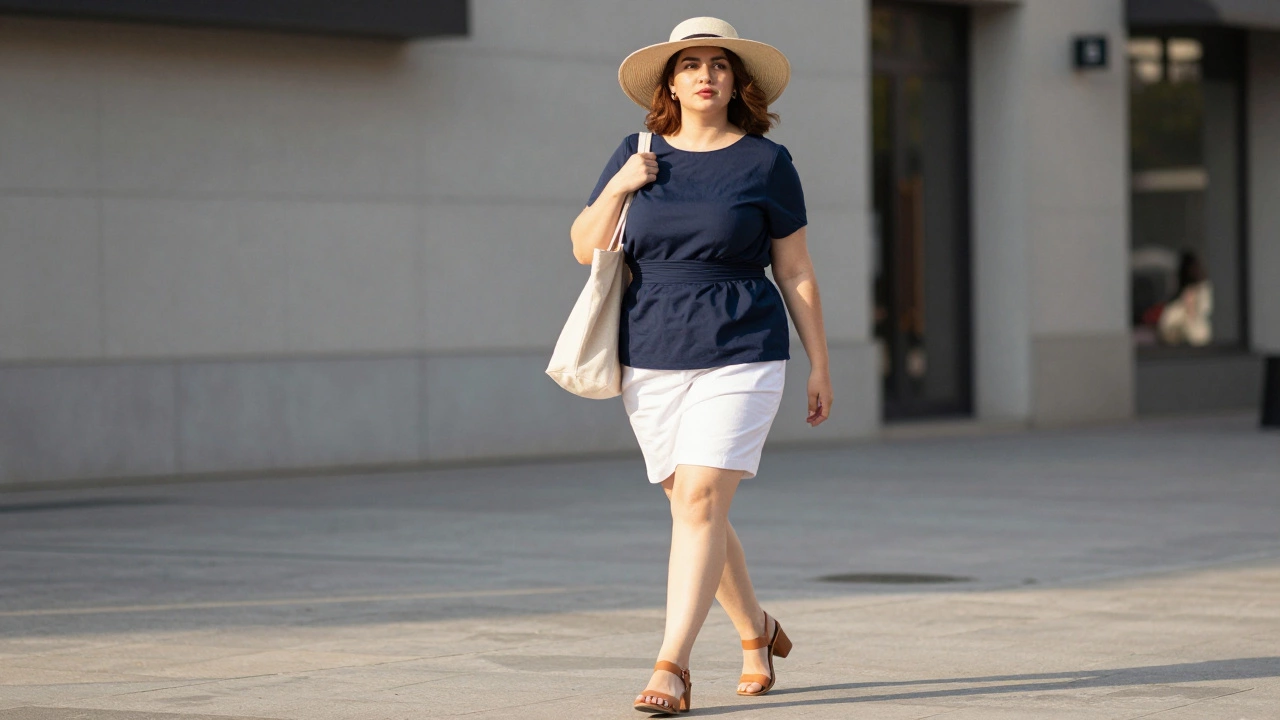
Footwear also impacts how you feel. Closed shoes in hot asphalt can cook your feet. Open sandals are the way to go, but make sure the strap is wide enough to distribute pressure. Thin straps on heavy feet can dig in painfully. Block heels offer stability compared to stilettos, giving you better balance on uneven pavement.
Accessorizing for Practicality and Style
Hats are functional, not just decorative. A wide-brimmed hat protects your face from the direct sun, which helps keep your core body temperature lower. It also frames the face nicely. Scarves made of silk or chiffon can be wrapped loosely around the neck to absorb sweat before it reaches the shirt collar, but remove them if the day turns oppressive.
Bags should be chosen wisely. Heavy backpacks compress your spine and force you to hunch, leading to more heat retention in the torso. Tote bags with shoulder straps help distribute the weight across your back and arm. Avoid plastic or woven baskets in damp weather as they can trap moisture against your body if carried close.
Shopping Strategies for Success
Online shopping can be tricky because size charts vary wildly between brands. A “Medium” in one shop might be a “Large” in another. Measure your bust, waist, and hips accurately before browsing. Compare those numbers to the brand’s specific measurements rather than relying on labels. Many retailers now offer virtual fitting tools, but trust your tape measure more than the AI suggestions.
Always return items that don’t fit perfectly, even if they fit “tightly.” Tight clothes in summer restrict blood flow and cause overheating. The goal is ease of movement. Don’t buy clothes that you think will shrink to fit later. Buy what fits your body right now, comfortably. If you find a pair of jeans that fits your hips but gaps at the waist, leave them. Tailoring is expensive, and you may lose the money in alterations trying to force a fit.
Dressing Through the Seasons
Even in early autumn, the heatwave patterns continue. Having a few transitional pieces ensures you aren’t forced to switch to heavy wool immediately. Cardigans are key here. Throw one on when the evening breeze cools things down. Keep your wardrobe organised by separating these lighter layers from your winter coats. This prevents you from grabbing a bulky jacket when a simple shawl would suffice.
| Fabric Type | Best For | Pros | Cons |
|---|---|---|---|
| Linen | Daytime outfits | Very breathable, strong | Wrinkles easily |
| Cotton Jersey | Casual tees | Soft, flexible | Can cling to wet skin |
| Tencel/Lyocell | Dresses and blouses | Smooth, moisture-managing | Can be more expensive |
| Silk Blends | Elegant evening wear | Lightweight, non-stick | Requires careful washing |
Frequently Asked Questions
Does light coloured clothing actually keep me cooler?
Yes, generally speaking, light-coloured fabrics reflect sunlight rather than absorbing it like dark colours do. However, the fabric type matters more than the colour. A black linen shirt will stay cooler than a white polyester shirt because the texture breathes better than the synthetic weave.
Are leggings okay to wear in summer?
Traditional leggings are often too warm for hot days. However, “cool max” or compression-style leggings designed for sports can work if you plan to move around a lot. Otherwise, opt for shorts, skirts, or looser trousers to prevent your legs from getting clammy.
How do I stop my clothes from showing sweat?
Choose darker colours or patterned fabrics like florals and stripes, which break up the visibility of water stains. Also, applying talcum-free powder to areas prone to sweating can help absorb moisture before it saturates the fabric.
What is the best shoe type for walking in hot weather?
Look for block-heeled sandals or cushioned flats with adjustable straps. Leather is preferred over rubber because leather breathes better and molds to your foot over time, preventing blisters caused by friction.
Should I spend more on quality summer clothes?
It is worth investing slightly more in staple pieces like linen blends or high-quality denim. Cheaper fabrics pill and lose their breathability after a few washes. A higher upfront cost means the item lasts longer and performs better in extreme heat.