
Jacket Style Diagnostic Tool
Use this tool to analyze your frame and preferences. We'll generate a personalized recommendation for the perfect jacket fit and style.
Recommended Type
Description goes here.
Critical Fit Check
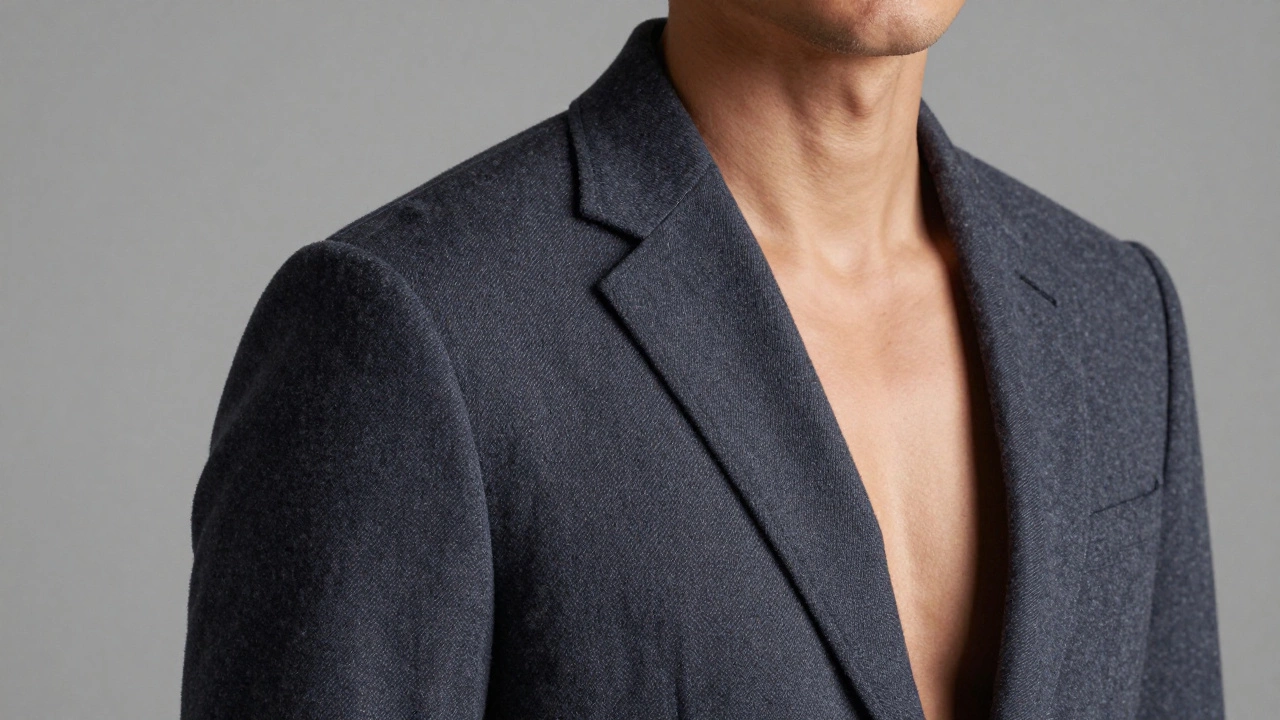
Pro-Tip: The "Shoulder Seam" Rule
As mentioned in our guide, regardless of the style, ensure the shoulder seam sits exactly where your arm meets your neck. If it hangs past your shoulder bone, even the most expensive jacket will look sloppy.
There is nothing quite like the feeling of pulling on a jacket that makes you stand tall. It isn't just about staying warm. A great piece of outerwear changes your silhouette and attitude instantly. Yet, many people struggle to move past the basic look. You might have a nice leather bomber or a classic denim shirt-jacket, but something feels off. Maybe the sleeves hang too long, or the colors clash. Finding your personal jacket style is less about following magazine trends and more about understanding fit, fabric, and function.
We often treat jackets as afterthoughts. We grab whatever is hanging on the hook. But this garment defines your outfit. It frames your face and covers the bulk of your torso. When it works, you feel confident. When it fails, you feel frumpy. Let's fix that today without spending a fortune on new clothes. The goal is simple: walk out the door and feel sharp.
The Importance of Perfect Fit
Before you worry about pockets or zippers, look at how the fabric touches your shoulders. This is the most critical part of any outerwear. If the seam sits past your shoulder bone, the jacket looks sloppy even if it costs thousands of dollars. Conversely, if it cuts into your collarbone, movement becomes restricted. You want the seam to rest exactly where your arm meets your neck.
Jacket Fit is the alignment of outerwear seams with your natural body lines. Proper tailoring ensures comfort while maintaining a clean visual line.Sleeve length matters almost as much. With a heavy wool coat, cuffs should sit just above the wrist bone, allowing a sliver of your shirt sleeve to peek out. For lighter jackets like bombers or Harringtons, the sleeve should stop right at the wrist crease. If you roll up your hands constantly, you break the intended design of the garment. Remember that layering adds volume. If you plan to wear thick sweaters underneath, you need room to breathe. Stand up straight, raise your arms slightly to test range of motion. You shouldn't feel tightness across the chest.
Consider your height relative to the jacket length. Tall individuals pull off longer coats with ease, shortening the illusion of height slightly. Shorter frames often benefit from cropped styles or waist-length jackets to elongate the legs. A jacket hem ending mid-hip usually balances most body proportions. It avoids cutting your leg line at the widest part of the thigh. Test lengths in front of a mirror before buying online.
Choosing the Right Type for Your Vibe
Not all jackets serve the same purpose. Understanding the distinct character of different styles helps you pick the right tool for the day. A suit blazer signals formality, while a utility parkas suggests rugged readiness. Mixing these codes creates interesting tension.
| Type | Material | Vibe |
|---|---|---|
| Denim Jacket | Cotton Denim | Casual / Classic |
| Bomber | Nylon / Satin / Wool | Sporty / Retro |
| Leather Biker | Goatskin / Cowhide | Edgy / Tough |
| Trench Coat | Cotton Gabardine | Elegant / Professional |
| Puffer | Recycled Polyester | Utilitarian / Cozy |
Start with a denim jacket if you want reliability. It pairs well with chinos, jeans, and t-shirts alike. It works in spring and autumn comfortably. Next, consider a bomber. These offer a relaxed fit that hides winter layers underneath while looking sleek when zipped open. If you aim for something sharper, a structured trench coat elevates even casual trousers. Finally, puffers have moved beyond ski slopes. They work now as city staples. Look for matte finishes rather than shiny nylon for a more sophisticated urban look.
Mastery of Layering Techniques
Layering is where the magic happens. It solves temperature issues and adds depth to your appearance. Flat colors look boring. Textures stacked on top of each other tell a story. Think about the base layer first. A crewneck sweatshirt under a blazer softens the stiffness of business attire. It makes the look accessible and modern. This combination bridges the gap between office hours and weekend plans.
Layering is the technique of wearing multiple garments simultaneously for warmth and style. It relies on contrasting textures and complementary colors.When using a hoodie, pay attention to the hood placement. Some jackets have hoods designed to fit over others. Others are meant to show the hoodie underneath. If the jacket has its own hood, keep the zipper open so the hoodie hood peeks through nicely. This adds bulk at the neck which you must balance elsewhere. Slimming down the pants prevents the top-heavy look.
Color blocking works wonders here. Don't match everything perfectly. Try a charcoal t-shirt under a camel trench coat. Or mix a navy sweater with a forest green flannel overshirt. The contrast highlights the separate pieces. Avoid matching black-on-black unless the materials are drastically different, like suede over leather. Uniformity in texture makes the outfit vanish visually. You want your jacket to remain the centerpiece.
Color Theory and Material Mixing
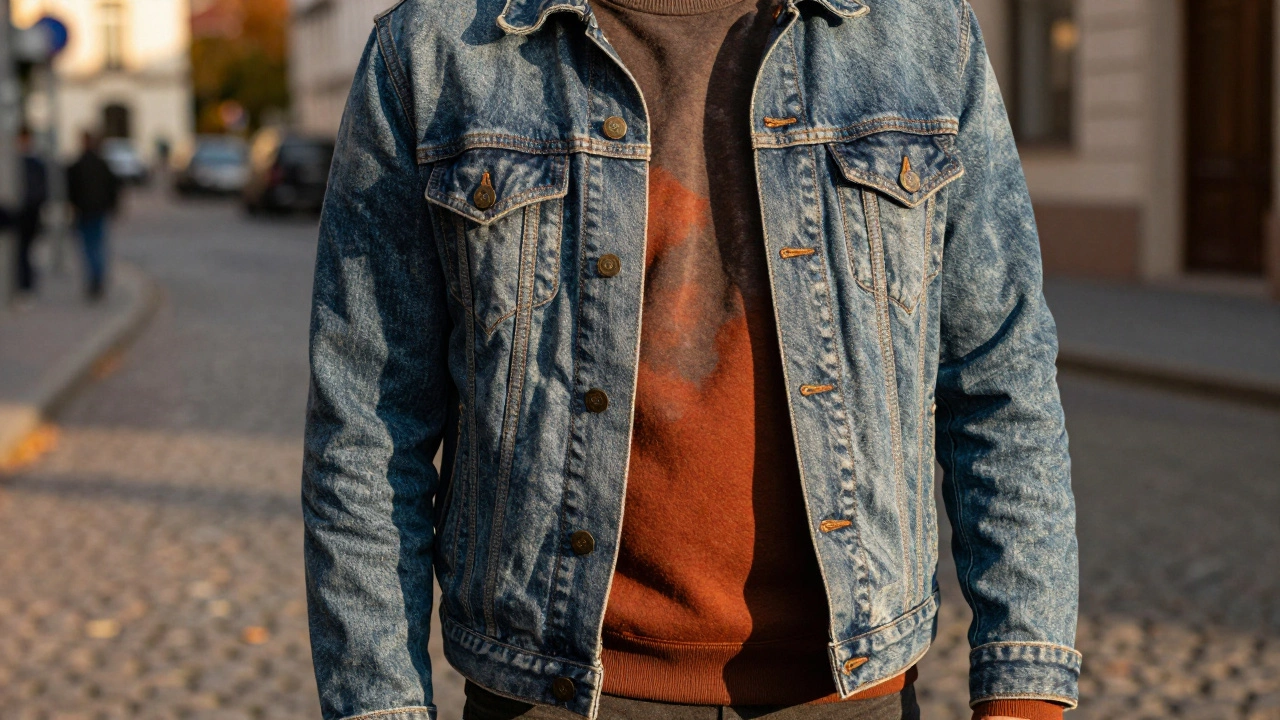
Choosing colors feels tricky, but it boils down to balance. Neutral tones-grey, beige, olive, navy-are foundational. They allow accessories to pop. If your skin tone leans warm, earthy tones like rust or mustard bring life to your face. Cooler complexions shine in slate blue or deep greens. You don't need bright neon panels on a casual coat. Subtle hues last longer in your wardrobe.
Texture mixing keeps things interesting. Pair smooth leather with rough wool. Combine shiny nylon with matte cotton. These contrasts catch the light differently throughout the day. A quilted vest over a flannel shirt feels cozy yet put together. The goal is to avoid looking like a uniform. Mix casual and dressy elements intentionally. A high-end leather jacket with cheap sneakers can look authentic if the fit is precise. Conversely, expensive shoes with ill-fitting outerwear look mismatched.
Details That Make the Difference
Sometimes small details do the heavy lifting. Cuffs, collars, and hardware matter. Zippers should glide smoothly and feel substantial. Snaps should align easily. Check the lining quality. A cheap polyester lining slips and slides uncomfortably. Brushed cotton or silk feels better against skin and breathes easier.
Don't ignore your accessories. A scarf tucked loosely into a lapel adds warmth and personality. A knit beanie pulls off a casual street look without trying too hard. Even your bag choice interacts with your jacket. A messenger bag hangs over a blazer pocket awkwardly. An ergonomic backpack distributes weight evenly under a coat. Match the strap width to the jacket's overall vibe.
Grooming plays a role too. Clean shoes complete the chain. Dusting dirt off your boots before leaving the house signals respect for your appearance. Ironing your undershirt prevents visible bunching under fitted styles. Small efforts like checking for lint or polishing silver buttons accumulate into a polished image. People notice the effort even if they can't pinpoint exactly what changed.
Confidence and Posture
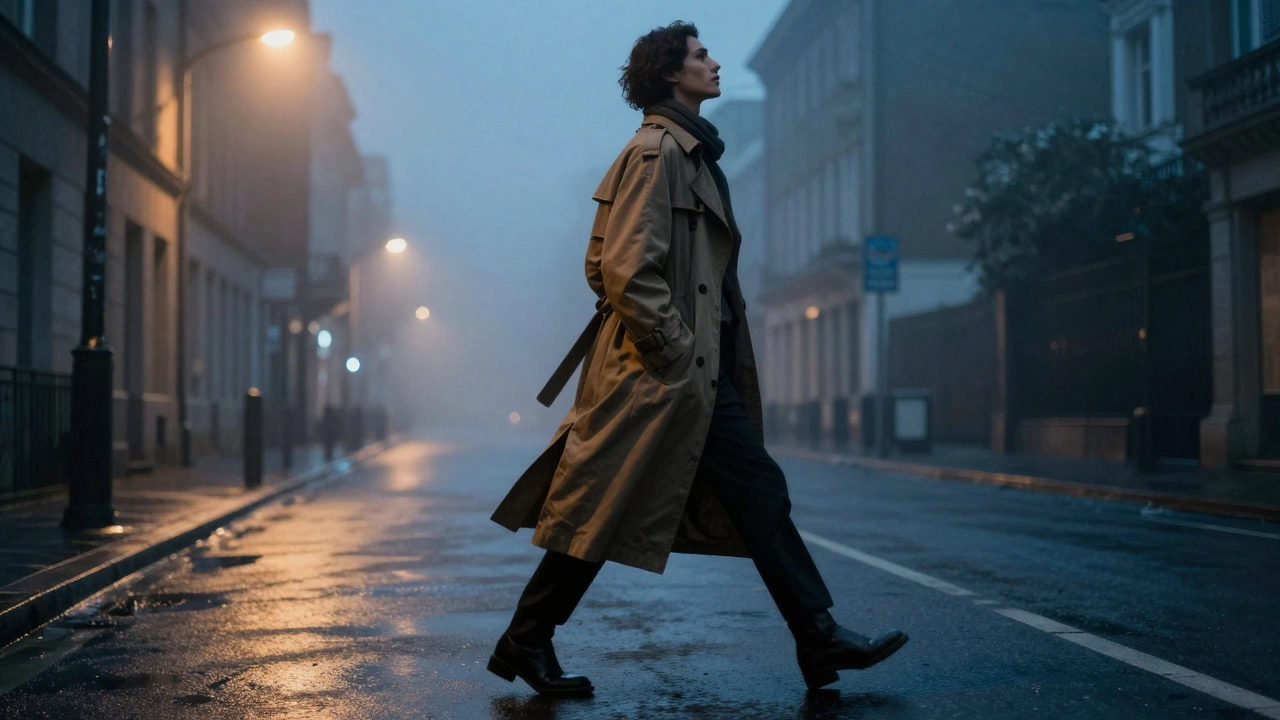
You can own the best gear, but posture wins the day. Shoulders rolled forward hide the structure of the jacket. Pull them back and down to let the garment fall naturally. Chin up slightly projects assurance. This isn't about aggression. It is about occupying space respectfully. Walking with purpose makes even the simplest outfit look intentional.
Practice moving in the garment. Sit in chairs. Drive a car. Does the jacket restrict your elbows? If it digs in, the cut is wrong regardless of brand. Comfort fuels confidence. If you are fidgeting because the collar chafes, your body language screams insecurity. Find the sweet spot where the jacket disappears into your routine, acting as armor rather than a costume.
Frequently Asked Questions
What jacket size should I buy for layering?
You generally want to stick to your true size or go up half a size if the fit is boxy. Ensure there is enough room in the chest to fit a medium-weight sweater underneath without pulling at the seams. Sleeve length should accommodate the extra thickness.
Can I wear a blazer with jeans?
Yes, this is a staple modern combination. Choose a unstructured or cotton blazer to keep it casual. Dark wash denim with minimal distressing works best. Avoid pairing it with athletic shorts or gym gear.
How do I clean a leather jacket safely?
Never machine wash leather. Use a damp cloth to wipe off surface dust. Apply a dedicated leather conditioner once a year to prevent cracking. Store it on a wide wooden hanger to maintain the shoulder shape. Avoid heat sources like radiators.
Is it okay to zip a jacket all the way up?
Absolutely. Zipping up creates a streamlined silhouette and offers maximum protection against wind. Just ensure the fabric does not strain at the zipper teeth. Leaving it unzipped often looks more effortless for social settings.
Which jacket works best for summer evenings?
Lightweight options like a linen bomber or an unlined denim jacket are ideal. Breathable fabrics prevent overheating. Unlined trucker jackets also allow air circulation while still adding a cool layer.
Troubleshooting Common Style Issues
If your jacket looks baggy, check the waist. Some jackets feature drawstrings or belts to cinch the fit. Using these draws attention to your middle while hiding excess fabric elsewhere. For those with broader shoulders, look for raglan sleeves that slope downwards smoothly instead of stiff set-in sleeves that add bulk. Tailors can alter sleeve length and button positions for a custom feel.
Wrinkles kill the vibe instantly. Before heading out, steam your jacket or hang it in a bathroom with hot showers running for ten minutes. This releases minor creases without damaging delicate fibers. Avoid folding puffy jackets tightly, as they lose loft over time. Hanging them loosely preserves the insulation quality.
Remember, fashion serves you. Do not let a piece rule you. If a trend feels uncomfortable, skip it. Authentic style comes from knowing what suits your lifestyle. Whether you ride a scooter or walk to meetings, choose the jacket that supports your daily routine. That connection makes the difference between looking dressed up and looking like yourself, but cooler.