
Evening Dress Code Decoder
Staring at your closet? Let's decode that invitation. Select the dress code listed on your invite to see exactly what to wear.
For Women
For Men
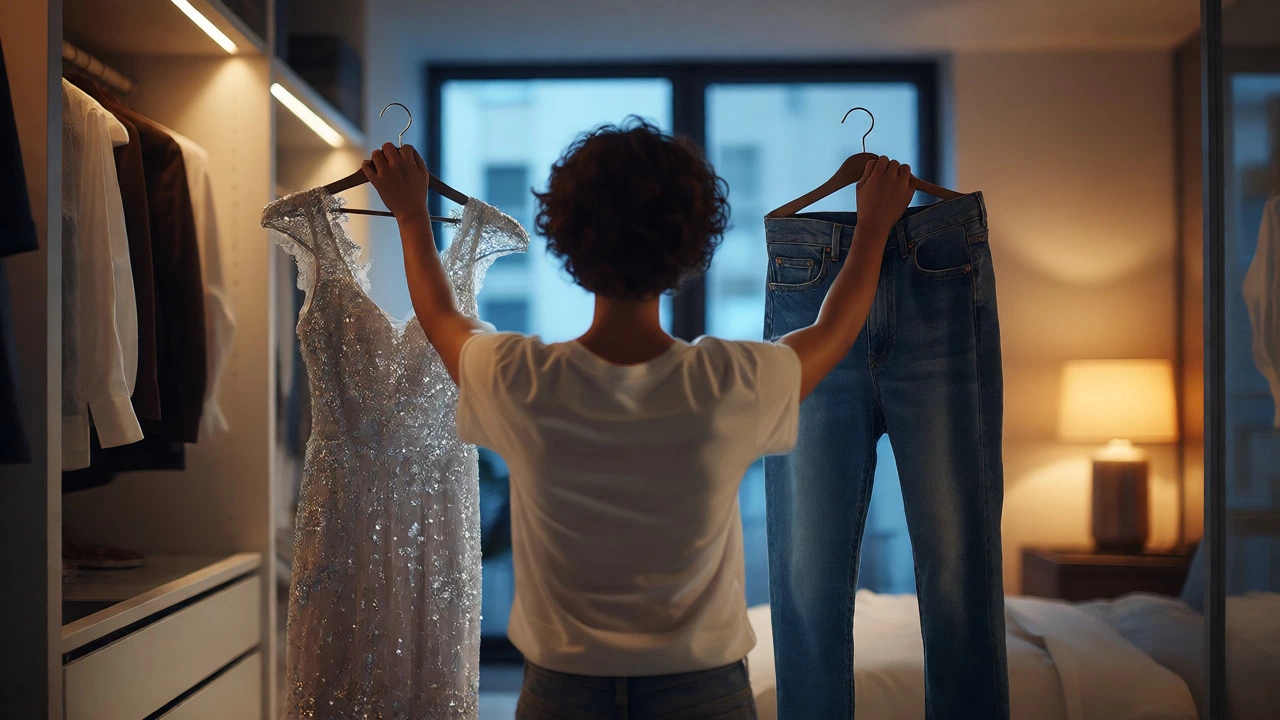
You’re staring at your closet, holding up a sequined top and a pair of jeans, wondering if you’ve made a terrible mistake. The invitation said "Evening," but did it mean black tie or just "don't wear sneakers"? This ambiguity causes more panic than the actual event itself. Getting the dress code wrong isn’t just about fashion faux pas; it’s about respecting the host and feeling comfortable in your own skin.
The truth is, "evening" isn’t a single rulebook. It’s a spectrum ranging from smart casual dinners to rigid white-tie galas. Misinterpreting these cues can leave you underdressed in a tuxedo-only room or overdressed in a ballgown at a wine bar. Let’s break down exactly what each level means so you never have to guess again.
Decoding the Invitation Language
Before you buy anything, look closely at the wording on the invite. Hosts often use specific terms that signal the expected level of formality. If the invitation says Black Tie, a formal dress code requiring tuxedos for men and floor-length gowns for women, you are entering high-formality territory. There is no wiggle room here. A suit without a bow tie might pass, but a blazer and chinos will not.
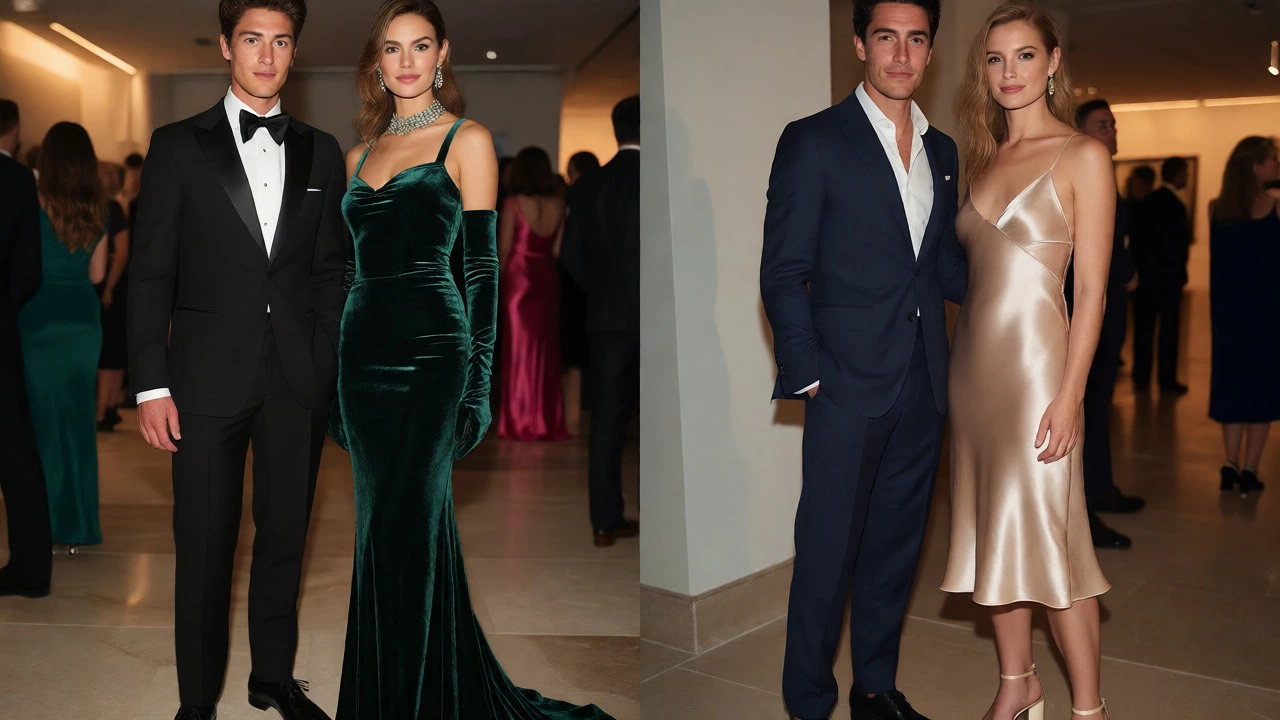
Conversely, if the card reads Cocktail Attire, semi-formal wear typically involving knee-length dresses and dark suits, you have more freedom. This is the most common evening code for weddings, corporate parties, and gallery openings. Here, you want to look polished but ready to mingle. You don’t need a train on your skirt, but you shouldn’t be wearing day-to-day work clothes either.
Watch out for vague phrases like "Smart Casual" or "Festive." These require judgment calls. Smart casual usually means elevated basics-think silk blouses, tailored trousers, or a nice sweater with dark denim. Festive implies sparkle, bold colors, or seasonal elements, but rarely demands full formalwear unless specified otherwise.
Understanding Black Tie and White Tie
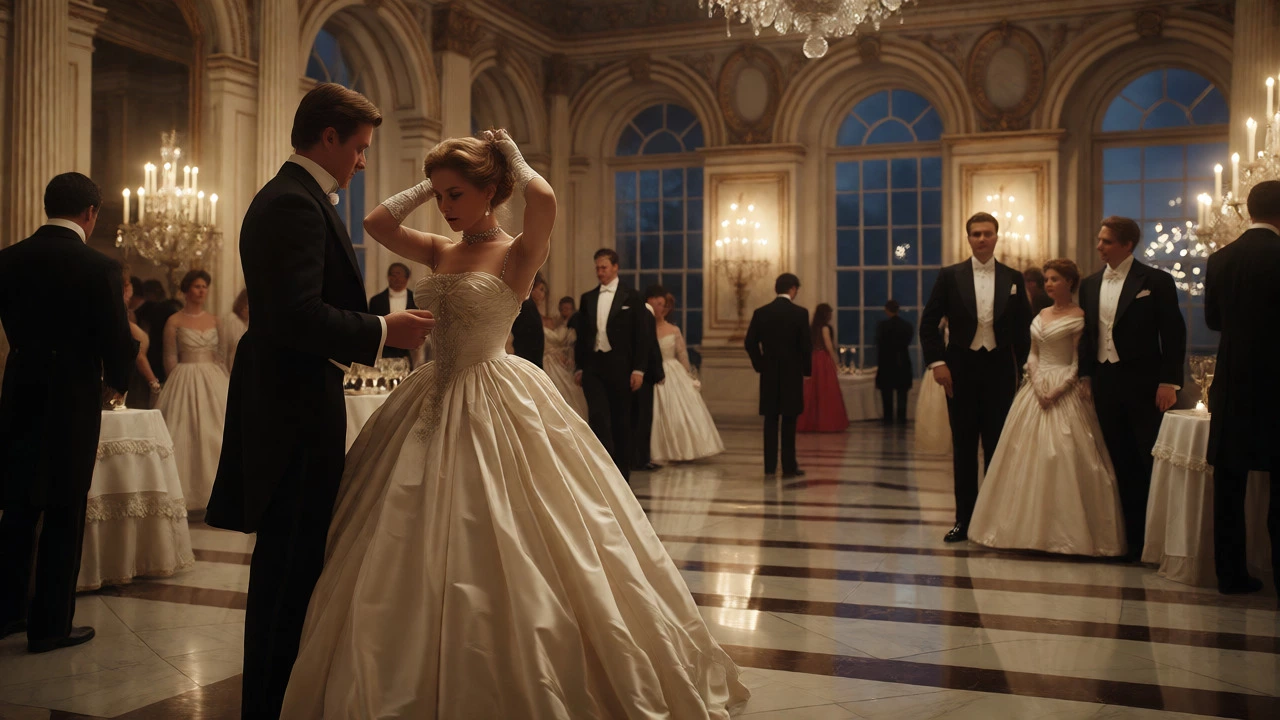
White Tie, the most formal evening dress code featuring tailcoats and ballgowns is rare outside of state dinners, opera premieres, or ultra-luxury balls. For women, this means a full ballgown, often with gloves and elaborate jewelry. Men wear tailcoats with white bow ties and wing-collar shirts. If you see this on an invite, treat it as sacred. No exceptions for comfort.
Black Tie Optional, a flexible formal code allowing tuxedos or dark business suits is a polite nod to those who don’t own a tuxedo. Women should still aim for floor-length or sophisticated midi dresses. Men can wear a dark, well-fitted suit with a conservative tie, though a tuxedo is preferred if available. This category bridges the gap between strict formality and modern practicality.
Navigating Cocktail and Semi-Formal Evenings
This is where most social events happen. For women, Cocktail Dresses, knee-length or tea-length dresses suitable for semi-formal occasions are the standard. Fabrics matter here: satin, velvet, lace, and chiffon elevate the look beyond daytime cotton. Length-wise, knee-length to mid-calf is safe. Mini-dresses can work if they are structured and paired with elegant heels, but avoid anything too short for a serious dinner.
For men, a dark suit (navy, charcoal, or black) is the baseline. A white shirt is classic, but a light blue or patterned shirt adds personality. Skip the bright red tie unless you’re confident. Shoes should be leather oxfords or loafers, clean and polished. Remember, semi-formal doesn’t mean sloppy; it means refined simplicity.
Smart Casual and Evening Lounge
Not every evening event requires armor. Smart Casual, relaxed yet polished attire blending comfort with sophistication works for restaurant dates, theater outings, or casual networking mixers. For women, this could be a jumpsuit, a silk skirt with a blouse, or a high-quality knit dress. Avoid athletic wear, flip-flops, and distressed jeans.
Men can opt for chinos or dark jeans with a button-down shirt and a blazer. Sneakers are acceptable only if they are minimalist, clean, and leather-based. Think Common Projects or Stan Smiths, not running shoes. The goal is to look intentional, not accidental.
Practical Tips for Choosing Your Outfit
- Check the Venue: A gala at a historic castle differs from a rooftop bar in London. Cobblestones hate stilettos; open-air venues get cold after sunset. Bring a wrap or choose closed-toe shoes if unsure.
- Consider the Season: In September, evenings cool down quickly. Velvet and heavier silks are seasonally appropriate and keep you warm. Summer linens might look wrinkled by dessert time.
- Read the Room Online: If it’s a public event, check social media tags from previous years. Did people wear gowns or suits? Photos tell the real story better than text invitations.
- Comfort Equals Confidence: Can you sit, eat, dance, and walk in it? If you’re constantly pulling your hem or adjusting your collar, you’ll seem nervous regardless of how expensive the outfit is.
| Dress Code | Women’s Attire | Men’s Attire | Footwear |
|---|---|---|---|
| White Tie | Full Ballgown, Gloves | Tailcoat, White Bow Tie | Patent Leather Pumps / Oxfords |
| Black Tie | Floor-Length Gown or Elegant Midi | Tuxedo or Dark Suit | Heels / Leather Dress Shoes |
| Cocktail | Knee to Tea-Length Dress | Dark Suit, Conservative Tie | Block Heels / Loafers |
| Smart Casual | Jumpsuit, Blouse & Trousers | Blazer, Chinos, Button-Down | Ballet Flats / Clean Sneakers |
Common Mistakes to Avoid
One major error is confusing "evening" with "nightclub." Sequins everywhere belong in a club, not necessarily a charity dinner. Another trap is over-accessorizing. If your dress has intricate beadwork, skip the necklace. Let one element shine. Also, beware of fabric transparency under flash photography. Test your outfit with a camera flash before heading out.
Finally, don’t ignore grooming. A perfect dress looks cheap if hair is messy or makeup is smeared. Evening lighting is unforgiving. Ensure your appearance matches the effort put into your clothing. Scent matters too-subtle perfume beats overwhelming cologne in crowded rooms.
Can I wear pants to a black tie event?
Yes, provided they are formal trousers or a sophisticated jumpsuit in luxurious fabric like silk or velvet. They must be floor-length or ankle-grazing with a tailored fit. Avoid casual materials like denim or cotton twill.
What is the difference between cocktail and semi-formal?
They are often used interchangeably, but cocktail tends to be slightly more festive and trendy, while semi-formal leans toward traditional elegance. Cocktail allows for shorter hemlines and bolder patterns; semi-formal favors classic cuts and darker colors.
Do I need to wear a clutch bag?
Not strictly, but large handbags can clutter small tables at formal dinners. A small crossbody, wristlet, or structured mini-bag is practical and stylish. Choose something that complements your outfit without competing with it.
Is it okay to wear black to a wedding?
In modern Western etiquette, yes, especially for evening weddings. Ensure the dress style is celebratory, not somber. Add color through accessories, prints, or textures to distinguish yourself from mourning attire.
What shoes go with a maxi dress?
It depends on the venue. For indoor galas, hidden wedges or elegant heels work best. For outdoor gardens or cobblestone streets, block heels, embellished flats, or even chic sandals provide stability and comfort without sacrificing style.