
Carhartt Origin & Ownership Checker
Select a manufacturing country or product line below to see how it relates to Carhartt's ownership and quality standards.
Select a country above to view manufacturing details and ownership context.
Quick Comparison: Mainline vs. WIP
Focus: Traditional workwear for physical labor.
Fits: Loose, functional cuts.
Common Origins: Mexico, USA, Vietnam.
Durability FirstFocus: European streetwear adaptation.
Fits: Slimmer, fashion-forward cuts.
Common Origins: China, Vietnam.
Style & CultureYou see the logo on construction sites in London, on skaters in Brooklyn, and increasingly on high-fashion runways. Carhartt is an American apparel company known for durable work clothing and accessories. But if you flip over the tag inside your favorite Carhartt WIP or standard work jacket, you might be surprised by what it says. "Made in Vietnam," "Made in Mexico," or sometimes even "Made in China." This leads to a common question: Does China own Carhartt?
The short answer is no. Carhartt remains a privately held American company. However, the reality of where your jacket comes from is more complex than just who owns the brand. Let’s break down the ownership structure, the manufacturing footprint, and why this distinction matters when you’re shopping for quality gear.
The True Owner of Carhartt
Unlike many major fashion houses that have been bought out by luxury conglomerates like LVMH or Kering, Carhartt has stayed fiercely independent. The company was founded in 1889 by Hamilton Carhartt in Detroit, Michigan. Today, it is still owned by the Carhartt family.
Specifically, the majority stake is held by descendants of the founder. As of recent reports, the leadership includes members of the fourth generation of the Carhartt family. They have resisted offers from private equity firms and large corporate buyers. This independence allows them to control their brand image tightly. You won’t find Carhartt selling its soul for quick profits by licensing its name to cheap, low-quality goods indiscriminately. They keep tight control over product design and distribution channels.
This family ownership is crucial because it explains the split between two distinct lines: Carhartt Work In Progress (WIP) and the traditional Carhartt Mainline. While both share the DNA of durability, they target different markets. WIP is the European-focused streetwear branch, often manufactured differently than the rugged US workwear line. Yet, both remain under the same American umbrella.
Where Are Carhartt Products Actually Made?
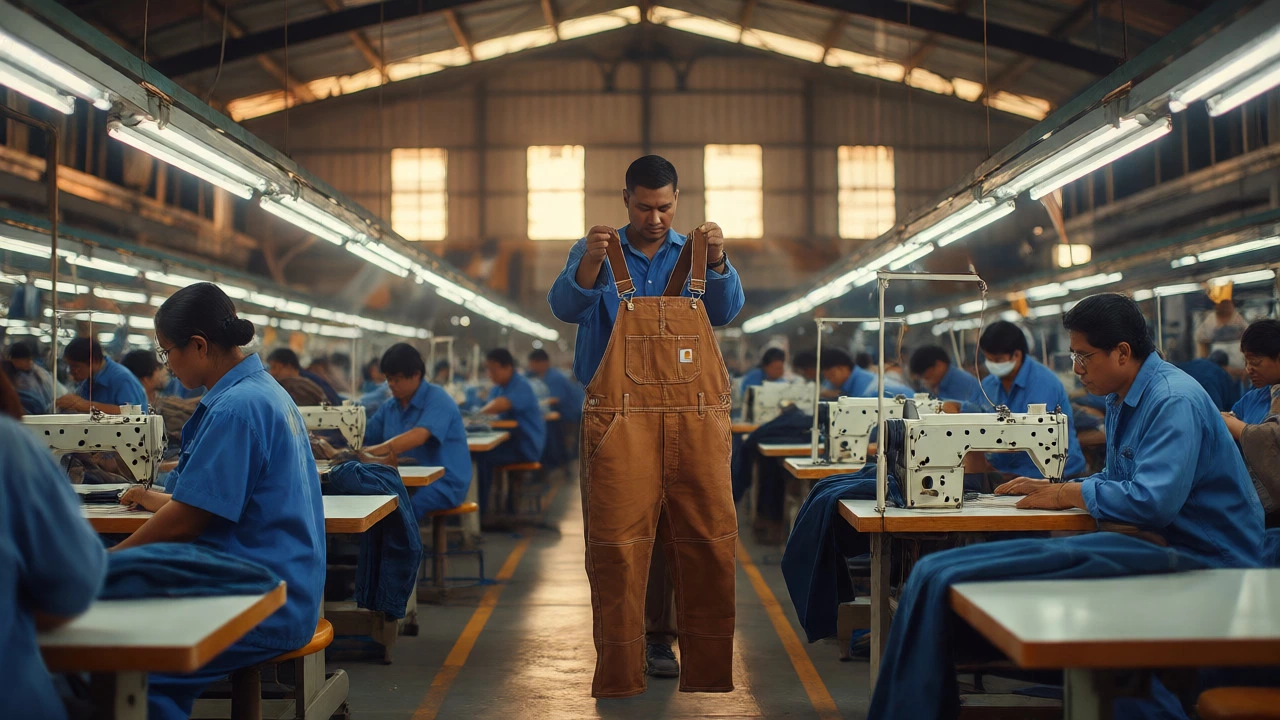
If China doesn’t own the company, why do so many tags say "Made in China"? Or Vietnam? Or Mexico? The answer lies in global supply chains, not ownership. Most modern apparel brands, regardless of where they are headquartered, source materials and labor globally to manage costs and capacity.
Carhartt does not manufacture all its products in one place. Their production is spread across several countries:
- Mexico: A significant portion of Carhartt’s heavy-duty workwear, including bib overalls and duck canvas jackets, is produced here. Proximity to the US market helps with logistics.
- Vietnam: Many of the lighter-weight garments, such as t-shirts, hoodies, and some technical outerwear, come from Vietnamese factories. These facilities often handle higher-volume, lower-cost production.
- China: Yes, some items are made in China. This is particularly true for certain accessories, footwear collaborations, and specific WIP line items. However, it is rarely the sole source for their core heritage pieces.
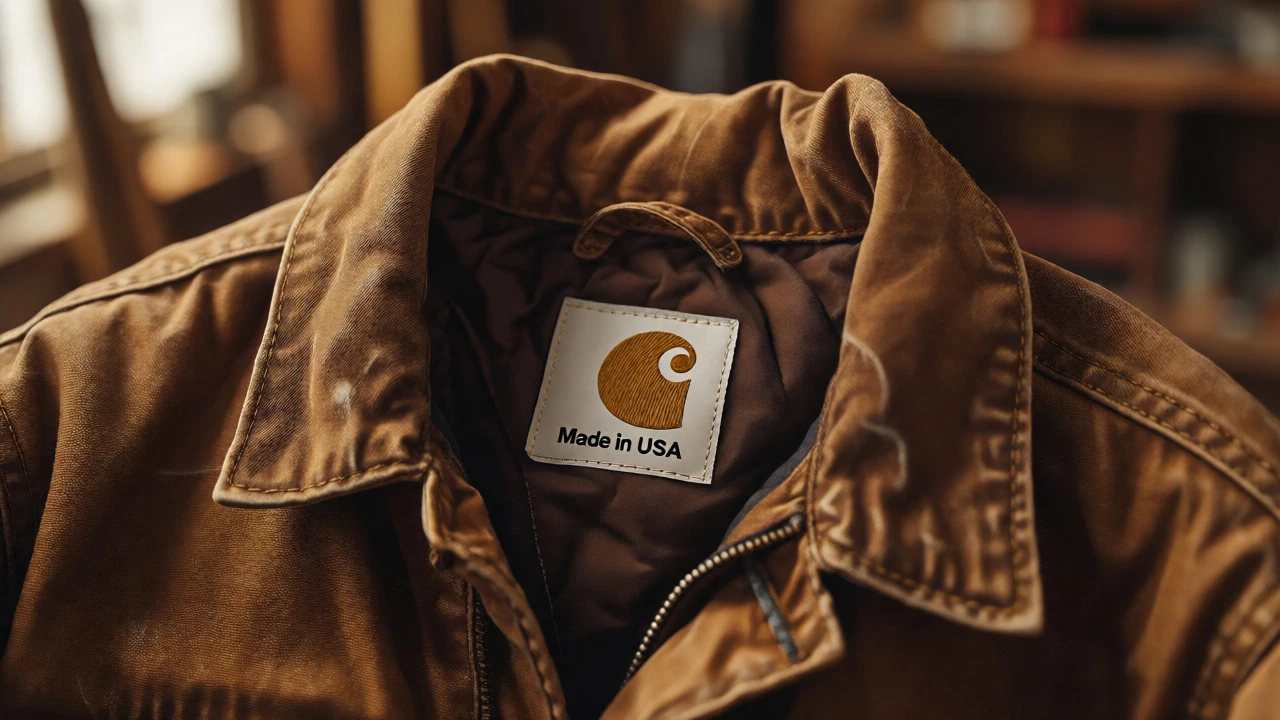
- United States: Carhartt maintains some domestic production. The "Carhartt USA" label indicates items made in their remaining US facilities, primarily in Kentucky and Tennessee. These items often carry a premium price due to higher labor costs but appeal to those prioritizing domestic manufacturing.
It’s worth noting that "Made in China" does not automatically mean "low quality." Chinese factories produce everything from $5 t-shirts to $500 designer coats. The quality depends on the specifications Carhartt gives the manufacturer, not just the country code. However, for serious workwear, many professionals prefer the heavier fabrics sourced through Mexican or US channels, which have historically maintained stricter tolerances for abrasion resistance.
Carhartt vs. Other Global Apparel Giants
To understand why the ownership question persists, look at the broader industry. Many iconic Western brands have changed hands. For example, Levi Strauss & Co. went public, allowing global investors to buy shares. Reebok was sold by Adidas to Authentic Brands Group. Consumers often assume all big names follow this trend.
Carhartt bucks this trend. Here is how it compares to other well-known workwear and lifestyle brands regarding ownership and origin:
| Brand | Ownership Status | Primary Production Locations | Headquarters |
|---|---|---|---|
| Carhartt | Private Family-Owned | Mexico, Vietnam, USA, China | Edgewood, Kentucky, USA |
| Dickies | Part of VF Corporation (Publicly Traded) | Global (Vietnam, China, Central America) | Greensboro, North Carolina, USA |
| Timberland | Subsidiary of VF Corporation | Global (Asia, Latin America) | Stratham, New Hampshire, USA |
| Columbia Sportswear | Publicly Traded Company | Global (Vietnam, Indonesia, China) | Portland, Oregon, USA |
Notice that while Dickies and Timberland are technically "American" brands, they are owned by massive publicly traded corporations that prioritize shareholder returns. This often drives aggressive outsourcing. Carhartt’s family ownership means they can make long-term decisions about factory relationships without worrying about quarterly earnings calls. This stability has helped them maintain consistent quality standards across decades.
Why the Confusion Exists: The Rise of Carhartt WIP
A lot of the confusion stems from Carhartt WIP. Launched in Europe in 1994, WIP adapted Carhartt’s rugged aesthetic for urban streetwear. It became hugely popular in the UK, Germany, and Japan. Because WIP targets a fashion-conscious audience, its supply chain differs slightly from the mainline workwear.
WIP products are frequently manufactured in China and Vietnam. If you bought a trendy cropped hoodie or a slim-fit cargo pant from a boutique in Shoreditch, there is a good chance it came from a Chinese factory. Since WIP is often the first introduction younger consumers have to the brand, they might associate the "Made in China" tag with the entire company. This creates a false perception that the brand has lost its American roots or has been sold off.
Furthermore, collaborations play a role. When Carhartt collaborates with sneaker brands or luxury labels, those limited-edition items might use specialized manufacturers in China or Italy. These niche productions skew the average consumer’s view of where "normal" Carhartt gear comes from.

How to Check Your Specific Jacket
Don’t rely on generalizations. If you care about where your gear comes from, check the label. Here is a simple checklist for inspecting your Carhartt jacket:
- Look for the Country of Origin Label: Usually found on the inner seam near the bottom hem or on the neck tag. It will explicitly state "Made in [Country]."
- Check the Fabric Content: High-quality duck canvas is often woven in the US or Mexico. Synthetic blends or lightweight cottons may originate in Asia.
- Examine the Stitching Quality: Regardless of origin, genuine Carhartt uses double-needle stitching and bar-tacks at stress points. If these feel loose or uneven, it might be a counterfeit, which is rampant in online marketplaces.
- Verify the Tag Style: Older vintage pieces often say "Made in USA." Newer mainstream items typically list Asian or Mexican origins. Both can be authentic; just know what you are buying.
If you specifically want American-made gear, search for items labeled "Carhartt USA" or check retailers that specialize in domestic sourcing. Be prepared to pay 20-30% more for these items compared to their imported counterparts.
The Future of Carhartt’s Supply Chain
As of late 2026, global trade dynamics continue to shift. Tariffs and shipping costs influence where brands choose to manufacture. Carhartt has been diversifying its supply chain to reduce reliance on any single country. This strategy protects them from disruptions-whether political tensions affect Chinese exports or labor strikes hit Mexican border towns.
They also invest in sustainability. The family-owned status allows them to pilot eco-friendly initiatives, such as using recycled polyester or organic cotton, without immediate pressure to cut corners. You’ll see more labels indicating responsible sourcing practices, though the final assembly location may still vary.
For the consumer, this means flexibility. You can find a Carhartt jacket that fits your ethical preferences (e.g., preferring non-Chinese manufacturing) or your budget constraints. The key is transparency: read the tag, ask the retailer, and understand that "American Brand" does not equal "American Made."
Who currently owns Carhartt?
Carhartt is privately owned by the Carhartt family. It has never been sold to a larger corporation or foreign entity. The current leadership consists of descendants of founder Hamilton Carhartt, ensuring the brand retains its independent status.
Is all Carhartt clothing made in China?
No. Carhartt produces clothing in multiple countries, including Mexico, Vietnam, China, and the United States. The specific country of origin depends on the type of garment and the product line (Mainline vs. WIP). Always check the internal label for accurate information.
What is the difference between Carhartt and Carhartt WIP?
Carhartt Mainline focuses on traditional workwear designed for physical labor, often featuring looser fits and heavier fabrics. Carhartt WIP (Work In Progress) is a European sub-brand launched in 1994 that adapts the workwear aesthetic for streetwear and fashion, often featuring slimmer cuts and different color palettes. Both are owned by the same parent company.
Are Carhartt products from China lower quality?
Not necessarily. Quality is determined by the specifications provided by Carhartt to the manufacturer, not just the country of origin. Many Chinese factories produce high-end apparel. However, some consumers perceive heavier-duty items from Mexico or the US as having superior durability for harsh work environments.
Can I buy Carhartt items made in the USA?
Yes, Carhartt maintains some production in the United States, primarily in Kentucky and Tennessee. Look for the "Carhartt USA" label or check product descriptions on the official website. These items are typically more expensive but support domestic manufacturing jobs.