
Shoe Visibility & Style Advisor
Confused about whether to hide or show your footwear? Select your scenario below to get tailored advice on shoe visibility, comfort, and style.
Recommended Shoe Visibility:
Best Shoe Choice
--
Why?
--
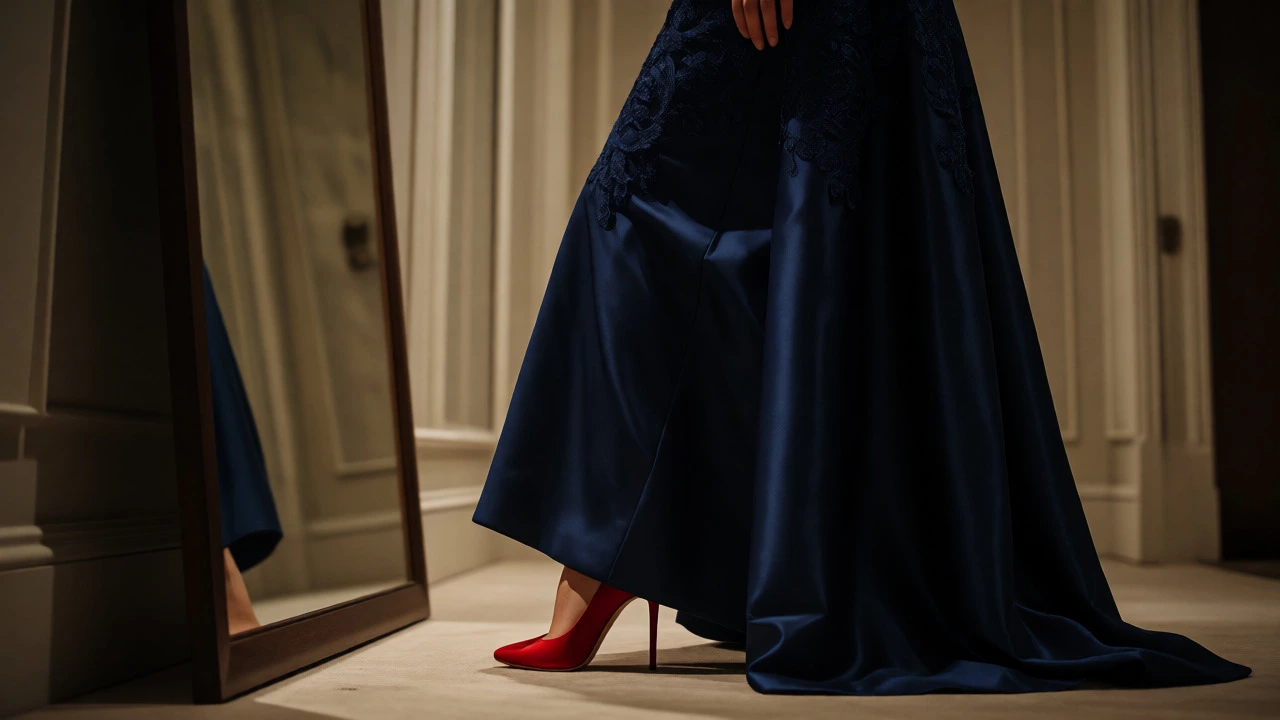
You’re standing in front of the mirror, spinning slowly in that floor-sweeping evening gown you’ve been saving for this occasion. It looks stunning. The fabric pools elegantly around your feet. But then you catch a glimpse of your heel peeking out from under the silk. Is it a fashion faux pas or a stylish detail? The short answer is: it depends entirely on the vibe you’re going for and the specific event. There’s no single law written in stone that says shoes must be invisible. In fact, sometimes hiding them completely can make an outfit feel like a costume rather than a look.
The Modern Etiquette Shift
Old-school etiquette books often dictated that if you wore a long dress, your shoes should remain strictly hidden. This rule came from a time when heavy fabrics like velvet and wool were common, and tripping over one’s own hem was a genuine hazard. Today, however, fashion norms have relaxed significantly. We live in an era where showing a bit of skin-or in this case, a bit of shoe-is considered chic. Think about red carpet photos from the last five years. How many celebrities are wearing completely opaque, floor-length gowns with zero foot visibility? Not as many as you’d think. Many opt for high slits, sheer panels, or shorter hems specifically to showcase designer heels. So, if you’re wondering whether you’ll be judged for showing your toes at a wedding or gala, rest assured that modern society cares far less about rigid rules and more about intentionality.
When Hiding Your Shoes is Best
There are still scenarios where keeping your footwear concealed is the smarter move. If you’re attending a very traditional black-tie event, such as a royal engagement party or a highly conservative religious ceremony, subtlety is key. Here, the focus should remain on the silhouette of the dress itself. A continuous line from shoulder to floor creates a sense of height and elegance that can be disrupted by flashy shoes. Additionally, if your dress features intricate embroidery or beading right down to the hem, visible shoes might compete for attention. You don’t want your glittering sandals to distract from the hand-stitched floral pattern on the skirt. In these cases, choose nude pumps or simple black heels that blend into the background. They provide support and comfort but don’t demand visual real estate.
Showcasing Footwear as a Feature
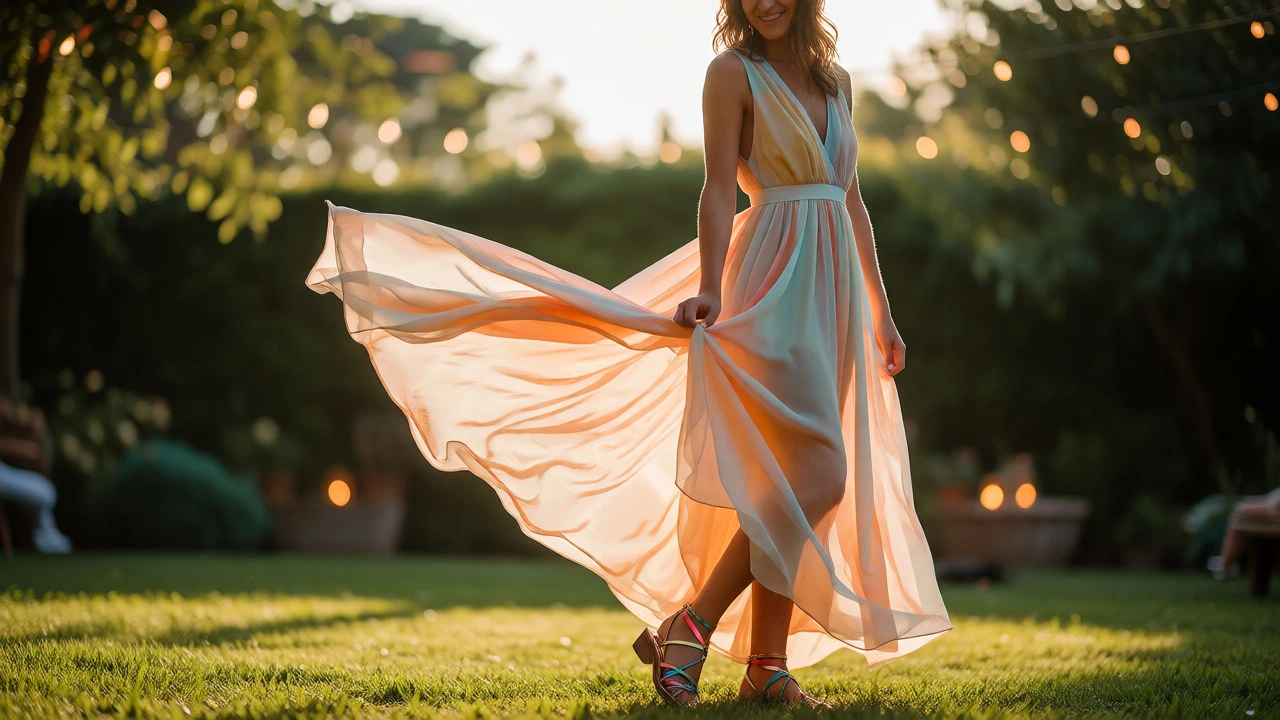
Conversely, there are times when showing your shoes is not just acceptable-it’s encouraged. If your long dress has a slit, those shoes are part of the design architecture. When you walk, the slit opens, revealing the leg and the footwear underneath. This movement adds dynamism to your outfit. Similarly, if you’re wearing a maxi dress made of lighter fabrics like chiffon or silk, a slight glimpse of your shoe during movement feels natural and airy. Trying to keep every inch of fabric perfectly still is impossible unless you’re walking like a statue. Embrace the peek. It shows personality. Maybe you chose bold red stilettos to contrast with a navy blue gown. That flash of color becomes a conversation starter. It signals confidence. You aren’t afraid to let your style speak, even under layers of fabric.
| Event Type | Recommended Visibility | Best Shoe Choice |
|---|---|---|
| Traditional Wedding (Church) | Minimal to None | Nude Pumps / Closed Toe Heels |
| Gala / Black Tie | Optional / Subtle | Classic Satin or Leather Heels |
| Cocktail Party | High / Stylish | Bold Colors / Metallics / Strappy Sandals |
| Outdoor Garden Party | Functional / Visible | Block Heels / Wedges (for grass stability) |
| Red Carpet / Fashion Event | Statement Piece | Designer Label / Unique Structure |
Hemline Mechanics and Fit
Your ability to show or hide shoes often comes down to fit. If your dress is too long, you’ll be stepping on your own hem, which forces you to hold the skirt up-accidentally revealing whatever is underneath. If it’s too short, you’re constantly adjusting. The ideal length for a floor-length dress is typically half an inch off the ground when wearing your chosen shoes. This allows the fabric to graze the floor without dragging, while still allowing the top of your shoe to be seen if you step forward. Pay attention to the break of the fabric. Does it bunch up awkwardly around your ankles? That’s a sign the dress needs tailoring. A clean hemline that skims the floor suggests professionalism and care. If you’re tall, finding off-the-rack options that accommodate your height plus four-inch heels can be tricky. Custom tailoring is worth the investment here. It ensures the dress behaves exactly how you want it to, giving you control over what stays hidden and what gets revealed.
Practical Considerations: Comfort and Safety
Let’s get practical for a second. Do you actually want to see your shoes? Or do you just want to survive the night? Wearing a long dress with open-toe sandals means your feet are exposed to the elements. If it’s raining outside or the venue has cold floors, you might regret prioritizing aesthetics over warmth. Also, consider the flooring. Polished marble or wooden parquet can be slippery. If your shoes have thin soles, you risk slipping. Conversely, if you wear chunky platform shoes under a delicate silk gown, the weight distribution might cause the fabric to drag differently than intended. Always test your full outfit at home. Walk around. Sit down. Stand up. See what happens to the hem. Does it ride up too much? Does it trip you? These small checks prevent disasters before they happen. Remember, looking good is important, but feeling secure in your stride matters more.
Style Tips for Specific Dress Fabrics
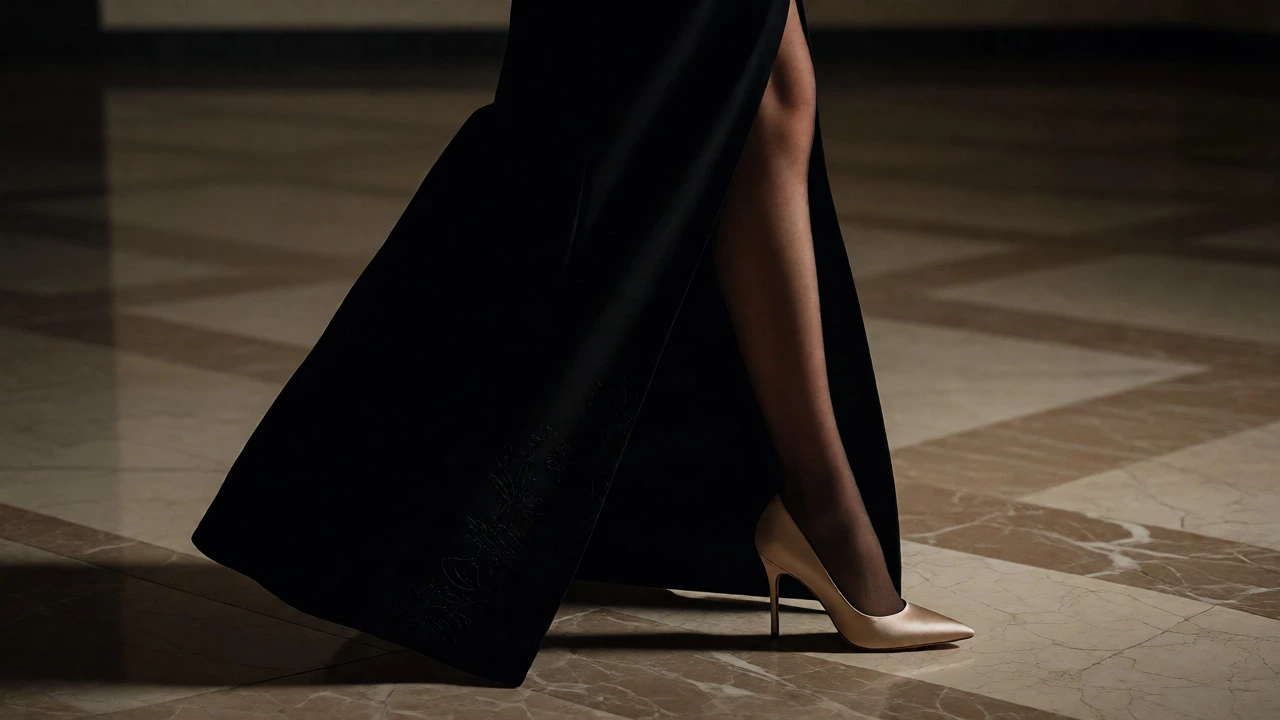
The material of your dress plays a huge role in how visible your shoes will be. Heavy materials like satin or taffeta tend to hang straight down, creating a column effect. This naturally hides shoes unless there’s a slit. Lighter materials like chiffon or lace are more fluid. They move with the wind and your body, meaning they lift slightly more often. With these fabrics, expect more frequent glimpses of footwear. If you’re wearing a lace overlay, ensure your shoes are pristine. Any dirt or scuff marks will be amplified through the transparency of the lace. For velvet dresses, the texture absorbs light, making shadows deeper. This can create an illusion of depth where shoes might disappear into the dark folds. Use this to your advantage if you prefer a mysterious look. Pair dark velvet with dark shoes for seamless blending, or bright metallics for dramatic contrast.
Final Verdict: Trust Your Instincts
So, are your shoes supposed to show? Yes, if you want them to. No, if you prefer tradition. The most stylish approach is coherence. Ensure your shoes match the tone of your dress. A whimsical floral maxi pairs well with playful sandals. A structured architectural gown suits minimalist heels. Don’t worry about breaking arbitrary rules. Focus on how the combination makes you feel. If you feel confident, others will perceive it as intentional style rather than a mistake. Check the invitation code, consider the venue, and then make your choice. Fashion is personal expression, not a police state. Wear what makes you feel powerful, comfortable, and ready to dance the night away.
Is it rude to show shoes in a church wedding?
Not necessarily rude, but traditionally conservative. For very strict churches, closed-toe shoes that are mostly hidden are safer. However, modern weddings often allow visible strappy sandals if they are elegant and not overly casual like flip-flops.
What color shoes go best with a long black dress?
Black shoes create a monochromatic, elongating effect. Nude shoes add a touch of softness and can make legs appear longer. Metallics like silver or gold add glamour for evening events. Red provides a classic pop of color.
Should I wear heels or flats with a floor-length dress?
Heels generally help maintain the correct hemline length for most standard dresses. Flats require the dress to be tailored specifically to be shorter. Choose based on comfort and the venue's terrain. Block heels offer a good middle ground between height and stability.
How do I stop my dress from dragging on the floor?
Ensure the dress is hemmed correctly for the shoes you plan to wear. Use anti-slip tape inside the hem if it keeps sliding. Avoid heavy fabrics if you are petite, as they weigh down the hem. Walking with small steps helps prevent accidental stepping on the train.
Can I wear sneakers with a long dress?
Yes, this is a popular street-style trend. Clean, white leather sneakers work well with casual maxi dresses or denim styles. It creates a relaxed, youthful vibe. Avoid bulky running shoes unless the dress is very sporty.