
UGG Foot Health Risk Calculator
Your Usage Profile
Select your options and click Calculate to see your personalized foot health assessment.
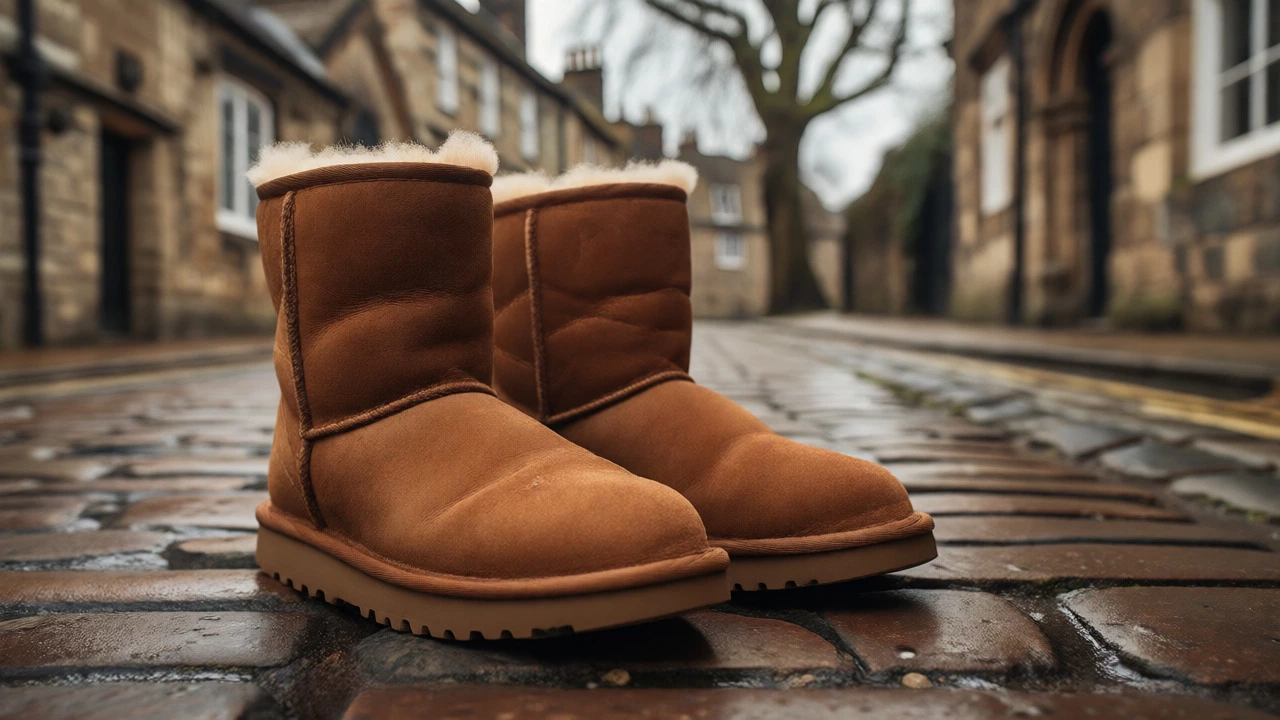
You’re standing in the shop, holding that pair of classic chestnut UGGs. They look cozy. They feel warm. Your feet are practically begging you to buy them. But then a nagging thought creeps in: will these actually ruin my arches? It’s a question I hear constantly here in York, where the damp chill makes UGGs seem like a necessity rather than a luxury. So, do podiatrists recommend them?
The short answer is: it’s complicated. Most foot specialists don’t hate them, but they rarely call them "good" for your long-term foot health either. Think of UGGs as comfort food for your feet-great in moderation, terrible if they’re all you eat. If you have healthy, flexible feet and wear them for short trips to the pub or the post office, you’ll likely be fine. But if you’re planning to walk across town in them every day, you might want to rethink things.
Why Podiatrists Have Issues with the Design
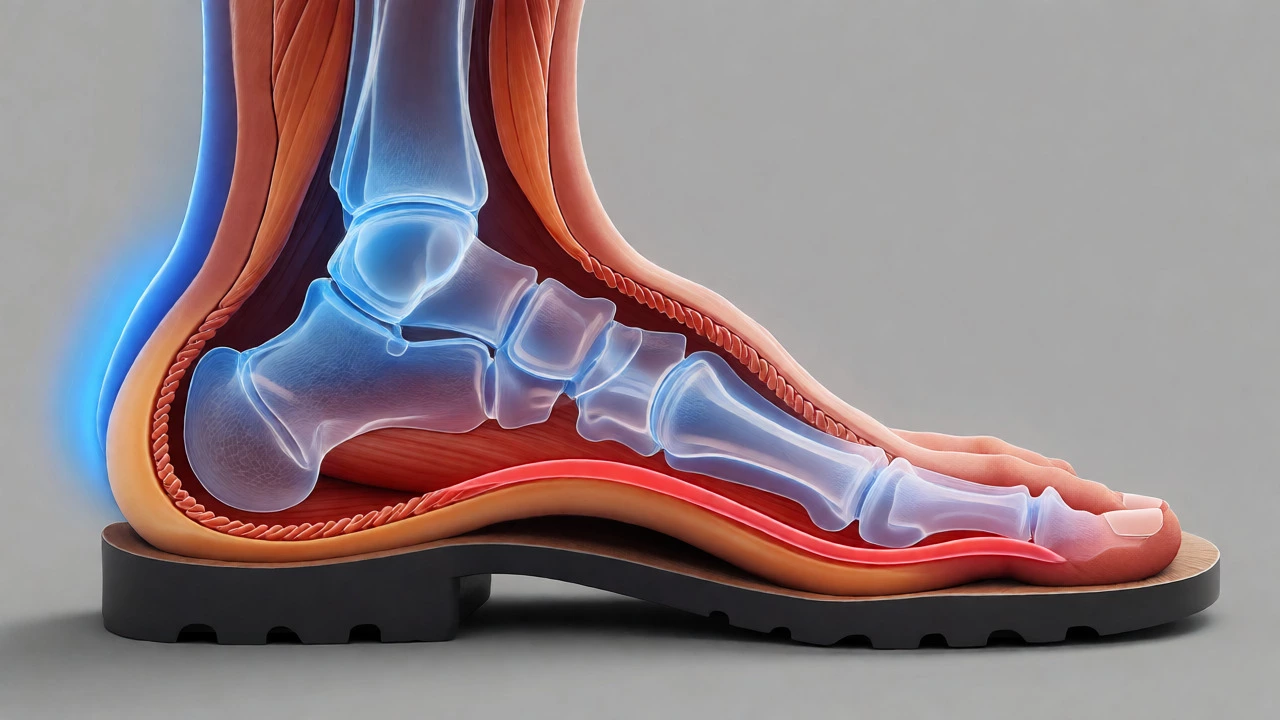
To understand the hesitation, you have to look at what’s actually happening inside the boot. Sheepskin, the material lining most UGGs, is fantastic for temperature regulation. It keeps your toes toasty when it’s freezing outside. However, it’s also incredibly soft and compressible. When you stand on that soft surface, your foot doesn’t just sit there; it sinks in. Over time, this creates an unstable platform.
Your foot muscles have to work harder to stabilize themselves on shifting ground. For someone with strong foot muscles, this isn’t a big deal. But for many people, especially those who spend hours on their feet, this constant micro-adjustment leads to fatigue. Worse, the lack of structural support means your arch has nowhere to go. It collapses slightly with every step. This can strain the plantar fascia, the thick band of tissue running along the bottom of your foot, potentially triggering plantar fasciitis-that sharp heel pain that greets you first thing in the morning.
The Lack of Arch Support and Heel Structure
Standard UGGs come with a flat sole and minimal internal structure. There’s no built-in arch support, which is a red flag for anyone with flat feet or high arches. Without support, your foot rolls inward (overpronation) or outward (supination) more than it should. This misalignment doesn’t just stay in your feet; it travels up your legs. You might end up with knee pain, hip discomfort, or even lower back issues because your kinetic chain is out of whack.
Moreover, the heel counter-the stiff part at the back of the shoe that holds your heel in place-is often too soft or non-existent in traditional models. A good heel counter acts like a cup, keeping your heel stable. In UGGs, your heel tends to slide around, causing blisters or forcing your toes to grip the front of the shoe to keep from sliding forward. That gripping action tightens your calves and can lead to cramping.
When UGGs Are Actually Okay
So, should you toss them out? Not necessarily. Context matters. Podiatrists generally agree that UGGs are acceptable under specific conditions. If you’re wearing them indoors as slippers, they’re usually fine. Your feet aren’t doing heavy lifting, and the warmth is beneficial for circulation, especially if you suffer from Raynaud’s phenomenon or cold feet.
They’re also okay for short, casual outings. Walking to your car, grabbing coffee, or strolling through a market for twenty minutes won’t destroy your arches. The key is duration and intensity. If you’re walking more than 15-20 minutes or covering uneven terrain, you’re pushing your luck. Also, consider your own foot history. If you’ve never had foot problems, you’re less likely to develop them from occasional UGG wear than someone with a history of bunions or plantar fasciitis.
How to Make Them Work for Your Feet
If you love your UGGs and refuse to give them up, you can mitigate the risks. The single best upgrade you can make is adding an orthotic insert. A supportive insole adds the arch support and heel stability the boot lacks. Look for inserts made of semi-rigid materials like carbon fiber or firm foam, not just squishy gel pads. These provide structure without taking up too much space.
- Choose the right size: Don’t buy them too big. Excess room allows your foot to slide, increasing friction and instability. They should fit snugly, especially in the heel.
- Tighten the laces: Many modern UGG styles have adjustable closures. Use them! Snug fits prevent your foot from swimming inside the boot.
- Rotate your footwear: Never wear UGGs two days in a row if you’re active. Give your feet a break by switching to structured sneakers or loafers.
- Strengthen your feet: Do simple exercises like towel scrunches or calf raises. Stronger foot muscles can better handle the instability of soft-soled shoes.
Comparing UGGs to Other Winter Footwear
It helps to see how UGGs stack up against other popular winter options. Here’s a quick breakdown based on typical podiatric feedback:
| Feature | Classic UGGs | Structured Boots | Slip-on Sneakers |
|---|---|---|---|
| Arch Support | Minimal to None | Good to Excellent | Moderate |
| Heel Stability | Low (Soft counter) | High (Rigid counter) | Moderate |
| Sole Flexibility | Very High (Unstable) | Controlled | High |
| Best For | Cold weather, short walks | All-day wear, hiking | Casual daily use |
| Risk Level | Moderate-High | Low | Low-Moderate |
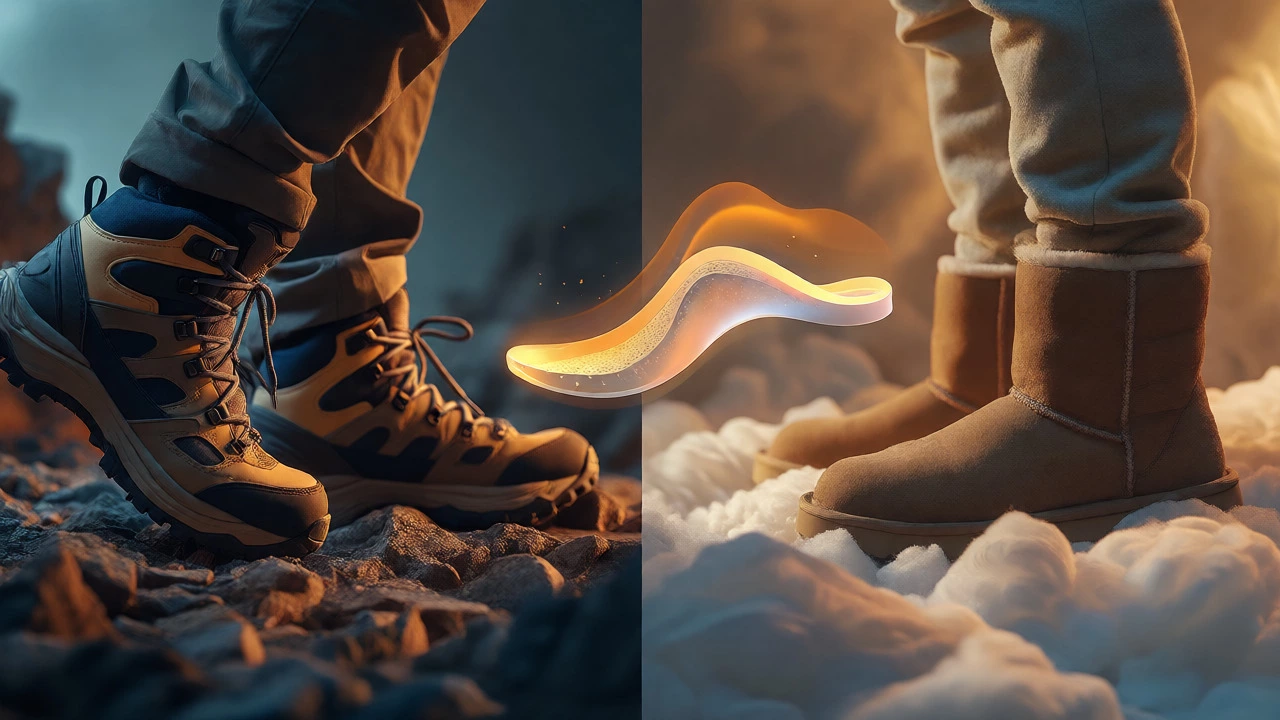
As you can see, while UGGs win on warmth and style, they lose significantly on biomechanical support. Structured boots, such as those from brands known for ergonomic design, offer far better protection for your joints and tendons.
Signs Your Feet Hate Your UGGs
Your body will tell you if the shoes are causing trouble. Pay attention to these warning signs. If you experience any of these after wearing UGGs, it’s time to switch gears.
- Heel pain: Especially sharp pain upon waking or after resting.
- Knee ache: Dull throbbing behind the kneecap after walking.
- Blisters: On the heels or balls of the feet due to sliding.
- Toe numbness: Caused by cramped toes gripping the front of the boot.
- General fatigue: Feeling unusually tired in your legs after a short walk.
Don’t ignore these signals. Pushing through the pain often leads to chronic issues that take months to heal. It’s easier to change your shoes now than to undergo physical therapy later.
The Verdict
Do podiatrists recommend Uggs? Mostly, they tolerate them with caveats. They acknowledge the comfort and warmth but warn about the lack of support. If you have healthy feet and wear them sparingly, enjoy them guilt-free. If you have existing foot conditions or plan to walk long distances, invest in quality orthotics or choose a different boot entirely. Your future self-and your arches-will thank you.
Can wearing UGGs cause bunions?
While UGGs themselves don't directly create bunions, the lack of structure and potential for toe crowding can exacerbate existing bunion issues or contribute to their development over time, especially if the toe box is narrow or the fit is incorrect.
Are UGGs bad for plantar fasciitis?
Yes, typically. Plantar fasciitis requires arch support and heel cushioning with stability. Standard UGGs lack both, which can increase tension on the plantar fascia and worsen symptoms. Adding a rigid orthotic insert is essential if you must wear them.
Should I size down in UGGs?
Generally, no. UGGs are designed to stretch slightly as the sheepskin compresses. Sizing down can lead to cramped toes and increased pressure points. It's better to get the correct size and use insoles for fit adjustment if needed.
Can I wear UGGs without socks?
Many people do, thanks to the natural moisture-wicking properties of sheepskin. However, wearing thin, breathable socks can reduce friction and prevent blisters, especially if you're prone to sweating. It also helps keep the interior cleaner.
What is the best alternative to UGGs for foot health?
Look for winter boots with a firm heel counter, adequate arch support, and a rubber sole with some tread. Brands that focus on ergonomics or offer customizable insoles are ideal. Ensure the boot is waterproof if you live in a rainy climate like the UK.