
Global Shoe Slang Translator
Translate Your Footwear
Select a region to see how they describe your shoes.
Local Terminology
They call them:
Sneakers
Context & Usage:
The standard term across the US for casual athletic footwear.
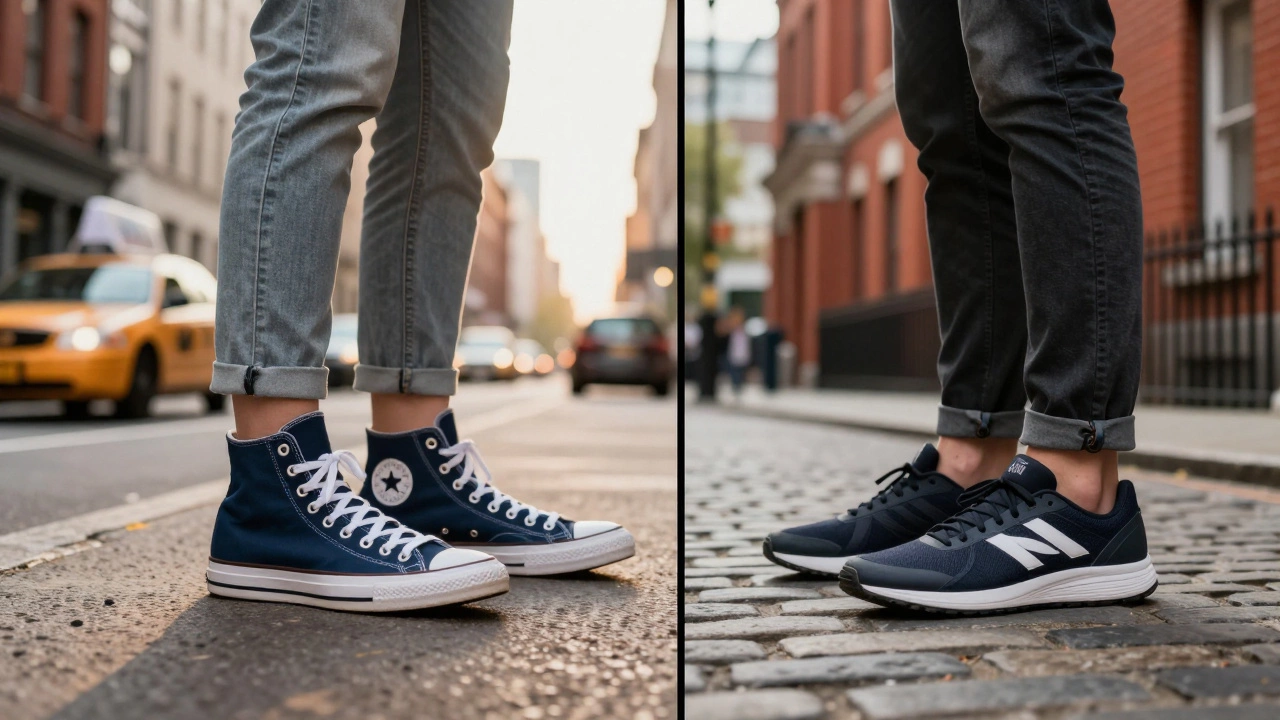
You walk into a shop in London, point at a pair of Nike Air Maxes, and ask for "trainers." You do the exact same thing in New York City, but you say "sneakers." Both are right. Both are wrong. It depends entirely on where you stand-and which dictionary you trust.
The question isn't just about shoes; it's about identity, geography, and how language evolves faster than fashion trends. In 2026, with global culture blending through social media and e-commerce, these terms are colliding. Do people still say sneakers? Yes. Do they also say trainers, kicks, runners, or plimsolls? Absolutely. The confusion is real, and understanding it helps you sound like a local, not a tourist.
Where Did the Word 'Sneakers' Come From?
To understand why we call them what we call them, you have to look back at the rubber sole. Before the mid-19th century, most shoes had hard leather soles that clacked loudly against cobblestones. Then came vulcanized rubber. It was quiet. It allowed you to move without making a sound. You could literally sneak around.
Sneakers is an American term derived from the quiet nature of rubber-soled shoes, allowing wearers to 'sneak' around silently. The term appeared in print as early as 1887. It stuck because it described the function perfectly. If your shoes don't squeak, they're sneakers. This logic held firm across the United States for over a century. Even today, if you ask an American for their favorite "running shoes," they might nod, but "sneakers" remains the dominant cultural umbrella term for athletic-style footwear worn casually.
In contrast, the British Isles took a different path. The focus wasn't on silence; it was on activity. These were shoes for training. For gym sessions. For sports practice. Hence, Trainers is the standard British English term for athletic footwear, emphasizing their use in physical training and exercise. While Americans were sneaking up on things, Britons were preparing for the workout. This distinction remains sharp in the UK, Ireland, Australia, and New Zealand.
The Great Divide: US vs. UK Terminology
If you travel between the Atlantic coastlines, your vocabulary needs a passport. Here is the breakdown of how the major English-speaking regions handle this footwear dilemma.
| Region | Primary Term | Secondary/Slang Terms | Context Notes |
|---|---|---|---|
| United States | Sneakers | Kicks, Tennis Shoes, Runners | "Tennis shoes" is common in the Northeast; "Runners" implies actual running gear. |
| United Kingdom | Trainers | Plimsolls (school), Trainers | "Plimsolls" refers specifically to cheap canvas school shoes. |
| Australia/New Zealand | Runners / Trainers | Gumboots (rubber boots, distinct) | "Runners" is very common for athletic performance shoes. |
| Canada | Sneakers | Tennies | Follows US usage closely, with some regional Canadianisms. |
| Ireland | Trainers | Shoes | Aligns with UK usage. |
Why does this matter? Because using the wrong word can signal that you're an outsider. In York, England, where I live, if you ask for "sneakers" at a high-end boutique, the staff will understand you, but they'll know you aren't from here. They'll likely reply with, "Oh, you mean trainers?" It’s a small moment, but it highlights how deeply embedded these terms are in local identity.
Slang That Crosses Borders: Kicks, Dunks, and Heat
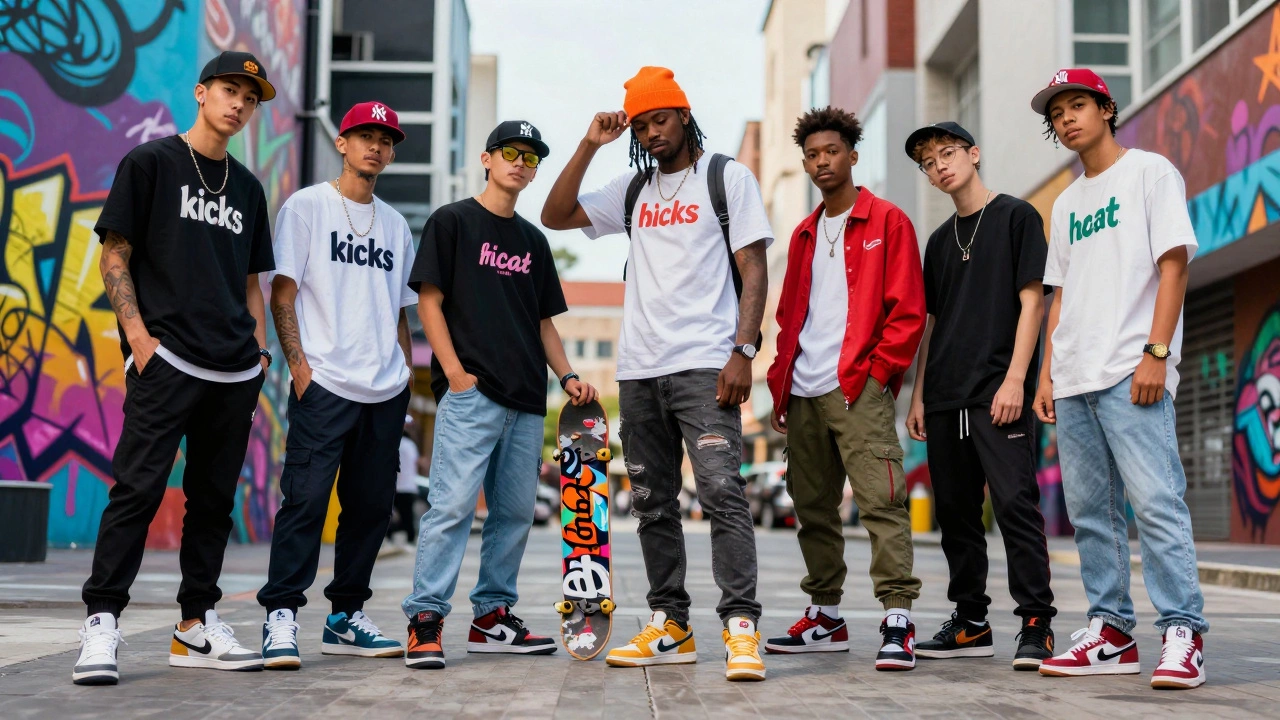
While "sneakers" and "trainers" are the formal everyday terms, street culture has its own lexicon. This slang is less about geography and more about subculture-specifically hip-hop, skateboarding, and sneakerhead communities.
Kicks is a universal slang term for sneakers, popularized by hip-hop culture and widely used across North America and increasingly globally. You’ll hear "fresh kicks" in Los Angeles, London, and Tokyo. It’s shorthand for style. When someone says, "Check out my new kicks," they’re talking about aesthetics, not just utility.
Then there are terms tied to specific brands or models. "Dunks" refer to the Nike Dunk line, but in casual conversation, especially among younger generations, it can sometimes be used loosely for any low-top athletic shoe. "Jordans" have transcended basketball to become a synonym for high-top sneakers in many circles. And "Heat"? That’s reserved for limited-edition releases that sell out in seconds. If a pair of shoes is "heat," it’s valuable, rare, and desirable.
This slang bridges the gap between the US and UK. A teenager in Manchester and a teenager in Miami might both agree that a pair of Yeezys is "fire," even if one calls them trainers and the other sneakers. The shared language of hype culture overrides traditional geographic divides.
Are 'Sneakers' Becoming Obsolete?
With globalization, languages borrow from each other constantly. Does this mean "trainers" is dying out in favor of "sneakers"? Or vice versa? Not really. Instead, we’re seeing a layering effect.
In the UK, "sneakers" is gaining traction, but mostly in marketing and luxury contexts. High-end brands often use "sneakers" in their global campaigns because it sounds sleeker, more international. You’ll see "Designer Sneakers" on Instagram feeds worldwide. However, in daily life, Britons still say "trainers." Ask a friend to meet you at the park, and they’ll say, "I’m wearing my old trainers." They won’t say, "I’m wearing my old sneakers." It sounds unnatural, almost pretentious.
In the US, "trainers" is virtually nonexistent outside of direct references to British products or people. If an American says "trainers," they’re usually quoting someone else or referring to a specific type of gym equipment, not footwear. The term "tennis shoes" persists in certain regions, particularly the Northeast, but it’s slowly fading among younger demographics who prefer "sneakers" or "kicks."
The rise of e-commerce has standardized product categories online. On Amazon or ASOS, you’ll find filters for both "Sneakers" and "Trainers." Algorithms recognize the synonyms, so users don’t need to worry about search optimization. But offline, the divide remains stubbornly intact.
What About Other Countries?
English isn’t spoken uniformly everywhere. In non-English speaking countries, the term adopted often depends on which variant of English is taught in schools or which brand dominates the market.
In France, you’ll hear "baskets," a term derived from basketball. In Germany, "Turnschuhe" (gym shoes) is common, though "Sneakers" is widely understood due to American cultural influence. In Japan, "sneakers" is the standard loanword, reflecting the strong influence of US pop culture. Interestingly, in some parts of Asia, "trainers" is recognized but rarely used in daily speech.
This global patchwork shows that while "sneakers" has the widest reach due to Hollywood and music, "trainers" holds its ground firmly in the Commonwealth nations. Neither is replacing the other; they’re coexisting in separate spheres.
How to Choose the Right Word
So, which should you use? It depends on your audience and your intent.
- In the US: Stick with "sneakers" for general conversation. Use "kicks" if you want to sound trendy or casual. Avoid "trainers" unless you’re specifically discussing British culture.
- In the UK/Ireland/Australia: Use "trainers" for everyday speech. Use "runners" if you’re talking about shoes designed specifically for jogging or long-distance running. "Sneakers" is acceptable in retail or fashion contexts but may mark you as non-local.
- Online/Global: "Sneakers" is the safest bet for SEO and broad recognition. It’s the term used by major retailers like Nike, Adidas, and Zappos in their global headers.
- In Professional Settings: "Athletic footwear" or "casual shoes" are neutral options that avoid regional bias entirely.
Remember, language is flexible. If you’re visiting London and say "sneakers," no one will laugh at you. They’ll just correct you gently. If you’re in New York and say "trainers," people might raise an eyebrow, but they’ll get the point. The goal isn’t perfection; it’s connection.
The Future of Shoe Slang
As Gen Z and Alpha grow up, will these distinctions blur? Possibly. Younger generations are more exposed to global media than ever before. A kid in Sydney watches US TikTok videos, listens to UK drill music, and shops on European websites. Their vocabulary becomes a hybrid.
We might see "sneakers" gain more ground in the UK, especially as luxury fashion embraces the term. Conversely, "trainers" might appear more frequently in US niche markets catering to British imports. But core identities resist change. Just as "lift" and "elevator" remain distinct, "trainers" and "sneakers" will likely stay separated by the Atlantic for decades to come.
Until then, wear what makes you comfortable. Whether you call them sneakers, trainers, kicks, or something else entirely, the important part is that they fit well and make you feel good. After all, shoes are personal. Language is too.
Is it correct to say sneakers in the UK?
Yes, it is grammatically correct, but it is not the standard local term. In the UK, "trainers" is the preferred word for athletic footwear. Using "sneakers" may identify you as an American or non-native speaker, though most people will understand you immediately.
Why do Americans say sneakers and Brits say trainers?
The difference stems from historical usage. "Sneakers" originated in the US in the late 19th century, referring to the quiet rubber soles that allowed wearers to sneak around. "Trainers" became popular in the UK because the shoes were primarily associated with physical training and sports practice.
What is the difference between sneakers and runners?
In the US, "sneakers" is a broad term for all casual athletic shoes, while "runners" specifically refers to shoes designed for running. In the UK and Australia, "runners" is often used interchangeably with trainers, but it still implies a focus on athletic performance rather than casual style.
Are kicks and sneakers the same thing?
Yes, "kicks" is a slang term for sneakers. It is widely used in North America and globally within youth and hip-hop culture. It emphasizes style and freshness rather than function.
Do people still use the term tennis shoes?
Yes, particularly in the northeastern United States. "Tennis shoes" is a regionalism that has persisted for decades. However, it is becoming less common among younger generations who prefer "sneakers" or "kicks."
What is a plimsoll?
A plimsoll is a type of flat, canvas shoe with a rubber sole, traditionally worn by students in British schools for physical education. It is a specific subtype of trainer, known for its simplicity and affordability.