
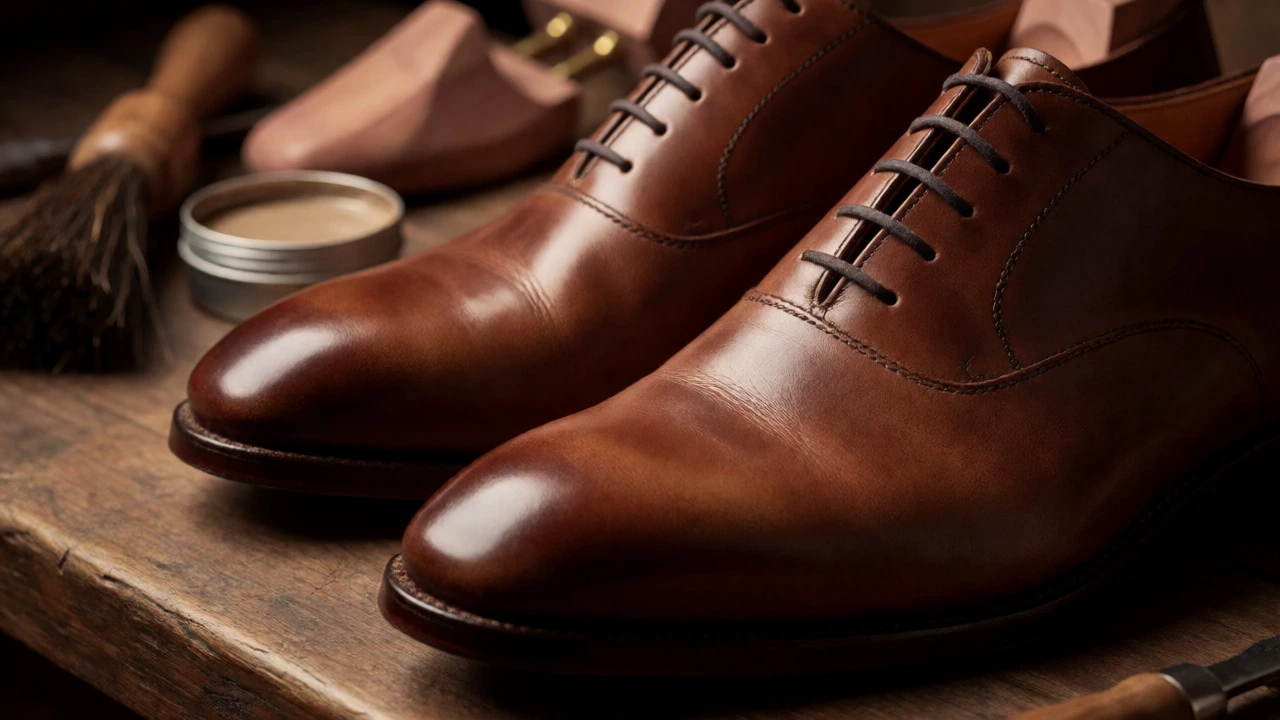
Leather Shoe Aging & Value Calculator
Enter your shoe details to see if it's a wise investment and how well it will age compared to cheaper alternatives.
Ready to Analyze
Fill out the form on the left and click "Analyze Investment" to see your results.
Ever picked up a pair of worn-out sneakers and thought, "Why do these look like trash while that old boot looks like treasure?" It’s not magic. It’s material science. Leather is unique among common shoe materials because it doesn’t just wear down; it evolves. Unlike synthetic fabrics or rubber that crack, fade, and disintegrate under UV light and friction, leather fibers compress and polish over time. This process creates what enthusiasts call patina-a rich, lustrous surface layer that develops through use and care. If you’re wondering whether your investment in quality footwear pays off visually and financially as the years tick by, the short answer is yes. But only if you understand how the aging process actually works.
The Science Behind the Shine: Why Leather Ages Differently
To grasp why leather ages well, you have to look at its structure. Leather is essentially animal hide that has been treated to prevent decay. It consists of a dense network of collagen fibers. When you wear a new pair of oxford shoes, the fibers are stiff and tight. As you walk, heat from your feet and moisture from sweat cause these fibers to stretch and relax. They mold to the shape of your foot, creating a custom fit that no other material can replicate naturally.
This flexibility is key. Synthetic materials like polyurethane (PU) often fail because they lack this organic elasticity. A PU sole might peel away from the upper after six months of heavy use. In contrast, a full-grain leather upper bends without breaking. Over five or ten years, the color deepens. Scratches don’t necessarily ruin the look; instead, they add character. Think of a well-worn baseball glove or a vintage car dashboard. The imperfections tell a story. With leather shoes, the same principle applies. The oils within the hide migrate to the surface, reacting with air and sunlight to darken the tone. This oxidation is the core mechanism behind aging gracefully.
Not All Leather Is Created Equal: Full-Grain vs. Corrected Grain
Here is where many buyers get tripped up. You cannot expect every leather shoe to age beautifully. The type of leather determines the outcome significantly. There are two main categories you need to know about: full-grain leather and corrected-grain leather.
Full-grain leather comes from the top layer of the hide. It retains the natural grain pattern, including scars and pores. Because the surface hasn’t been sanded down, the fiber structure remains intact and strong. This is the gold standard for longevity. It breathes better, resists water more effectively, and develops the most dramatic patina. Brands like Alden or Edward Green typically use this grade for their flagship models.
Corrected-grain leather, on the other hand, has been sanded to remove imperfections and then coated with a synthetic pigment. While it looks uniform and shiny out of the box, it ages poorly. The coating can crack or peel, revealing a duller base underneath. It lacks the depth required for a rich patina. If you buy cheap "genuine leather" shoes from a high-street chain, you are likely getting corrected grain or even bonded leather scraps glued together. These will likely look tired rather than distinguished after two winters.
| Feature | Full-Grain Leather | Corrected-Grain Leather | Synthetic (PU/Vegan) |
|---|---|---|---|
| Aging Appearance | Deepens in color, develops shine, softens | Fades, may crack, loses gloss | Cracks, peels, becomes brittle |
| Lifespan | 10-20+ years with care | 2-5 years | 1-3 years |
| Repairability | High (resoleable, restorable) | Low (coating limits repair) | Very Low (often disposable) |
| Cost Efficiency | High long-term value | Medium short-term value | Low long-term value |
The Role of Construction: Goodyear Welt vs. Cemented Soles
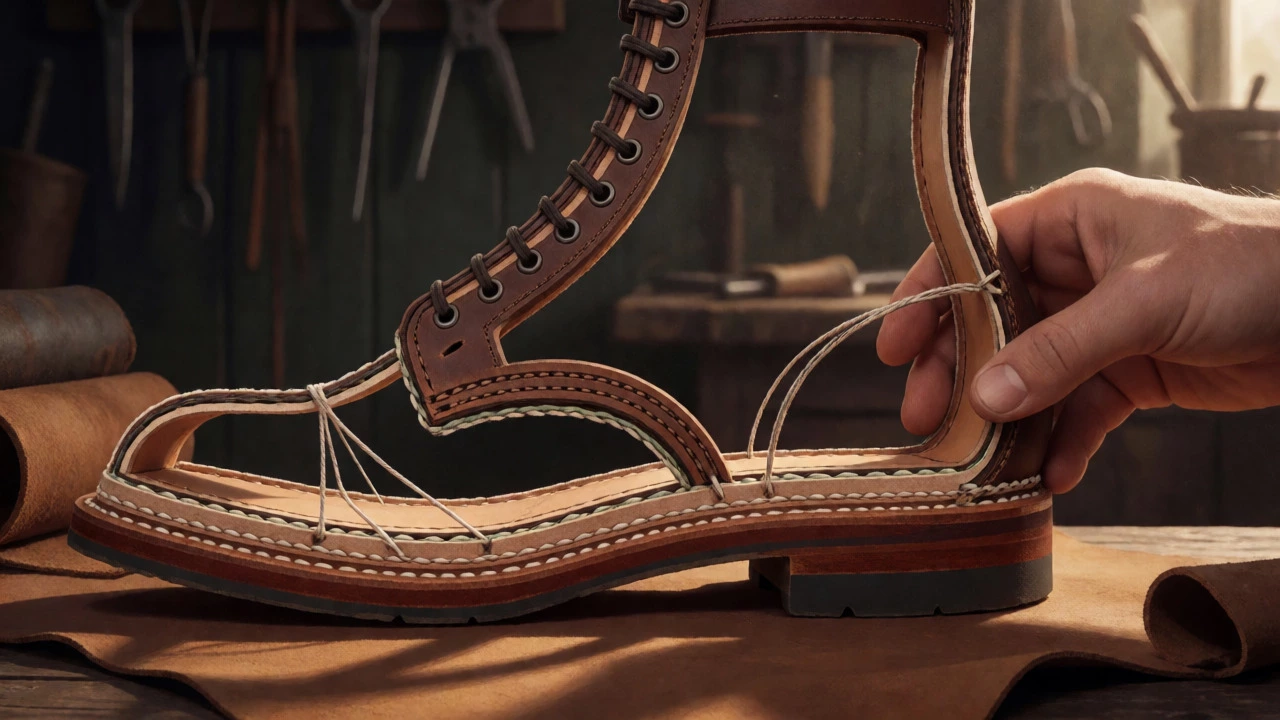
Even the best leather upper won’t save a shoe if the construction fails. How the sole attaches to the upper matters immensely for longevity. Most mass-market shoes use cemented construction, where glue bonds the sole to the upper. Once that glue breaks down due to moisture and flexing, the shoe is dead. You can’t easily replace the sole without damaging the upper.
Traditional methods like Goodyear welt or Blake stitching allow for multiple resoles. In a Goodyear welted shoe, a strip of leather (the welt) is stitched to the upper and the insole. The outsole is then stitched to the welt. When the tread wears down, a cobbler removes the old sole and stitches on a new one. The upper remains untouched. This means a single pair of boots can last decades. You aren’t buying a product; you’re investing in a chassis that can be rebuilt.
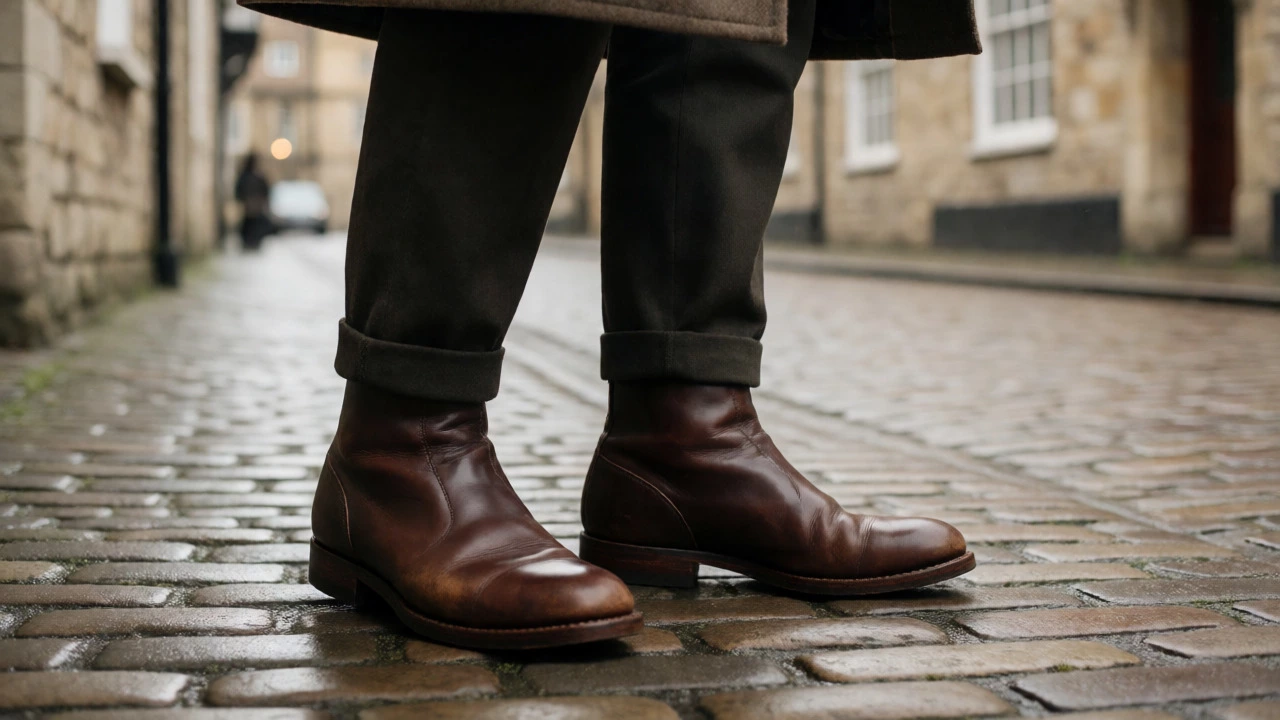
If you live in a rainy climate like York, England, this distinction is critical. Wet conditions accelerate the breakdown of adhesives. A cemented sneaker might delaminate in eighteen months. A welted boot can handle daily rain showers for years, provided you dry them properly. Check the inside of the shoe before buying. If you see a visible stitch line running around the perimeter of the insole, you’ve found a welted construction.
Care Rituals That Define the Outcome
Leather is skin. It needs hydration. If you ignore maintenance, even premium leather will dry out, shrink, and crack. The difference between a shoe that looks "used" and one that looks "abandoned" is regular conditioning. You don’t need complex routines. Three simple steps suffice:
- Clean regularly: Use a horsehair brush to remove dust and dirt after each wear. Dirt acts like sandpaper against the leather fibers.
- Condition periodically: Every few months, apply a neutral leather conditioner. This replenishes the natural oils lost to evaporation and cleaning. Avoid silicone-based polishes that sit on the surface; they mask problems rather than fixing them.
- Use shoe trees: Cedar shoe trees absorb moisture from the interior and maintain the shape of the toe box. Without them, wet leather dries into wrinkles that become permanent creases.
Rotation is also vital. Never wear the same pair two days in a row. Leather needs 24 to 48 hours to fully dry out from sweat. Wearing damp leather stretches it unevenly and promotes bacterial growth, which smells bad and degrades the material. By rotating three pairs, you extend the life of each significantly.
The Aesthetic Shift: From Formal to Vintage Charm
There is a psychological component to aging leather. New shoes look pristine but sterile. Old shoes look lived-in and authentic. Fashion trends have shifted heavily toward this "heritage" aesthetic. Scuffed toes, faded heels, and darkened edges are now prized features. This is particularly true for work boots and casual derbies. A brand-new pair of Red Wing Iron Rangers might feel too stiff and bright. After six months of wear, they conform to your gait and take on a rugged, masculine appeal.
However, context matters. For formal business attire, excessive scuffing might look unkempt. In those cases, you aim for a subtle sheen rather than a distressed look. Regular polishing helps maintain a professional appearance while still allowing the leather to breathe and age internally. The goal isn’t to stop the clock but to curate the look. You decide whether you want a glossy, formal finish or a matte, vintage vibe. Both are valid expressions of aged leather.
Common Pitfalls That Ruin Aging Potential
Several mistakes can turn a potential heirloom into landfill waste. First, exposure to extreme heat. Drying wet shoes next to a radiator causes the leather to bake, becoming brittle and prone to cracking. Always let them air dry at room temperature. Second, using the wrong products. Household cleaners, alcohol wipes, or harsh soaps strip essential oils. Stick to products designed specifically for footwear.
Another issue is ignoring the sole. If you wear through the tread until you hit the cork filler in a Goodyear welt, you risk damaging the welt itself. Inspect your soles every few months. Replacing them early is cheaper and preserves the structural integrity of the shoe. Finally, neglecting storage. Storing leather shoes in plastic bags traps moisture, leading to mold. Keep them in breathable cloth bags or open shelves.
Is It Worth the Investment?
Let’s talk numbers. A pair of fast-fashion leather shoes costs £50 and lasts one year. A pair of high-quality welted boots costs £300 and lasts ten years with two resoles costing £60 each. Total cost over a decade: £420 versus £500 for ten pairs of cheap shoes. The expensive option wins on money, comfort, and style. Plus, the resale market for well-maintained vintage leather shoes is robust. Platforms like eBay or specialized consignment shops pay decent sums for brands like Allen Edmonds or Tricker’s, provided the condition is good. Cheap synthetics have zero resale value.
Ultimately, leather shoes age well because they are biodegradable, repairable, and aesthetically forgiving. They reward attention and punish neglect. If you are willing to spend five minutes brushing them after work and an hour conditioning them quarterly, they will serve you faithfully for a decade. They become part of your personal history, marking milestones with every crease and scratch. That emotional connection is something no synthetic material can ever offer.
How long does it take for leather shoes to develop a patina?
It varies based on usage and leather type, but generally, noticeable changes occur within 3 to 6 months of regular wear. Significant, rich patina typically takes 1 to 2 years. Factors like sunlight exposure, humidity, and the frequency of conditioning accelerate or slow this process. Full-grain leather shows results faster than corrected grain.
Can I restore badly cracked leather shoes?
Minor cracks can often be improved with intensive conditioning and cream polish, which fills small fissures. However, deep cracks where the fibers have snapped are usually permanent. If the cracks are on the sole edge, a cobbler might fill them with wax or compound. If the upper is deeply cracked, restoration is difficult and often cosmetic only. Prevention through proper drying and conditioning is far more effective than cure.
Does suede age differently than smooth leather?
Yes, suede ages differently. Instead of developing a shine, suede tends to soften and lighten in color due to abrasion. It can also develop a "nap" variation where some areas stand up and others lie flat. Suede requires different care, primarily brushing with a suede eraser and brush rather than wax polish. Water stains are more prominent on suede but can often be brushed out once dry.
Is vegan leather a viable alternative for aging?
Currently, most vegan leathers (polyurethane or PVC) do not age well compared to real leather. They tend to crack, peel, or lose their texture rather than developing a patina. Some newer plant-based alternatives like Piñatex (pineapple leaf fiber) show promise in terms of durability and unique aging characteristics, but they are not yet widespread or proven over decades like traditional bovine leather.
What is the best way to store leather shoes for long periods?
Clean and condition the shoes thoroughly before storage. Insert cedar shoe trees to maintain shape and absorb residual moisture. Place them in breathable cotton dust bags, not plastic, to prevent mold. Store them in a cool, dry place away from direct sunlight, which can fade colors and dry out the material. Check them every few months to ensure no pests or mold have developed.