
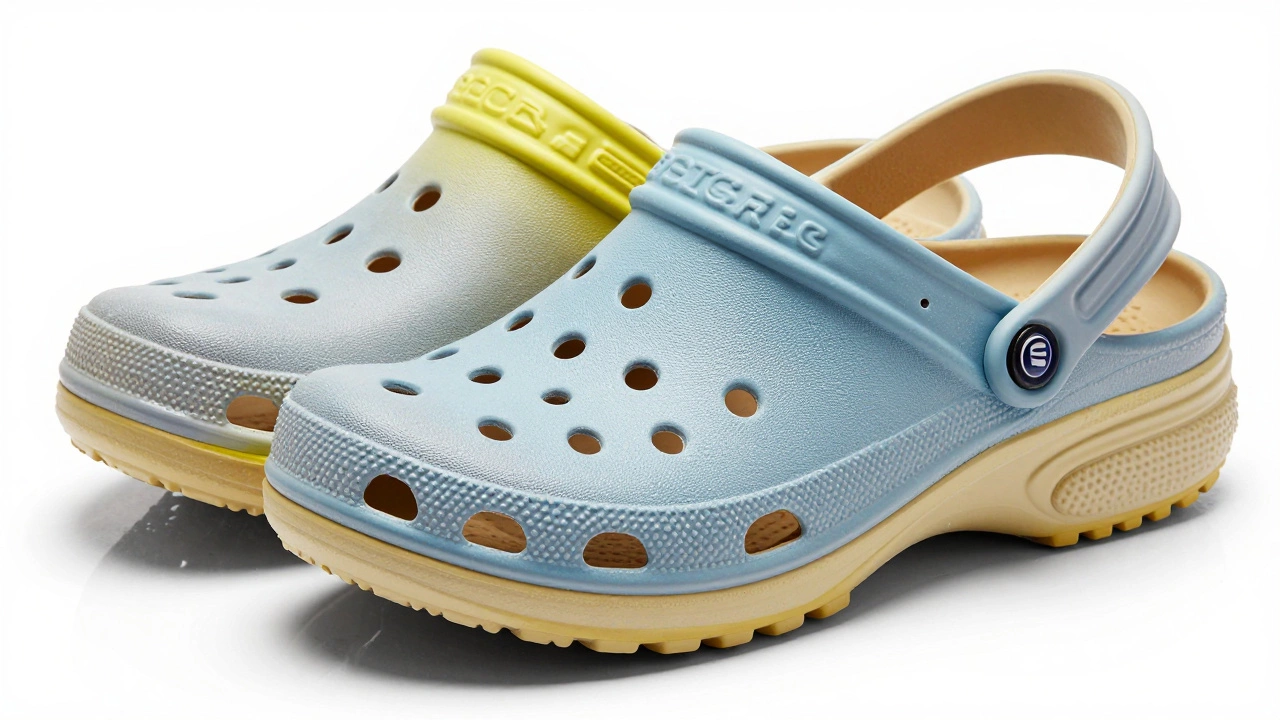
You've probably seen them everywhere-those chunky, colorful clogs that people either love or hate. But there is one question that keeps people from wearing them all day: do they actually make your feet stink? It seems like a paradox. They have holes for ventilation, yet some people swear their feet feel like a swamp after a few hours. The short answer is that the shoes themselves don't create the smell, but they can definitely create the perfect environment for it to happen.
Quick Summary for Fresh Feet
- Crocs aren't the cause of odor, but sweat trapped in the material can lead to bacteria growth.
- Croslite foam is waterproof, which is great for cleaning but bad for absorbing moisture.
- Wearing them without socks increases the risk of "swamp foot" in humid weather.
- Regular washing with soap and water is the only way to truly remove embedded odors.
The Science of the Stink: How it Happens
To understand why your feet might smell in these shoes, we have to look at Croslite is a proprietary closed-cell resin foam used by Crocs to create their footwear. Unlike leather or canvas, this material doesn't "breathe" in the traditional sense. While those famous holes on top let air in, the actual surface your foot touches is a non-porous foam.
Here is the problem: your feet have more sweat glands per square inch than almost anywhere else on your body. When you wear Crocs, the sweat doesn't soak into the shoe. Instead, it sits in a thin layer between your skin and the foam. When that moisture mixes with the naturally occurring Bacteria on your skin, they start breaking down the sweat. This process releases isovaleric acid, which is that pungent, cheesy smell we all recognize as smelly feet.
Breathability vs. Airflow
People often argue that the holes in the design make them breathable. Let's be real: there is a big difference between airflow and breathability. Airflow is when air moves around the shoe. Breathability is when moisture can pass through the material of the shoe.
If you are walking in a breezy park, the airflow is great. But if you are wearing them in a humid office or a crowded mall, the air stays stagnant. Because the foam doesn't absorb moisture, your foot basically slides around in its own perspiration. If you have a condition like Hyperhidrosis (excessive sweating), you'll notice this much faster than someone with dry feet.
| Material | Moisture Absorption | Airflow | Odor Risk |
|---|---|---|---|
| Croslite Foam | Zero | High (via holes) | Moderate |
| Cotton Canvas | High | Moderate | High (traps bacteria) |
| Genuine Leather | Low/Moderate | Low | Moderate |
| Performance Mesh | Low | Very High | Low |
The "Socks or No Socks" Debate
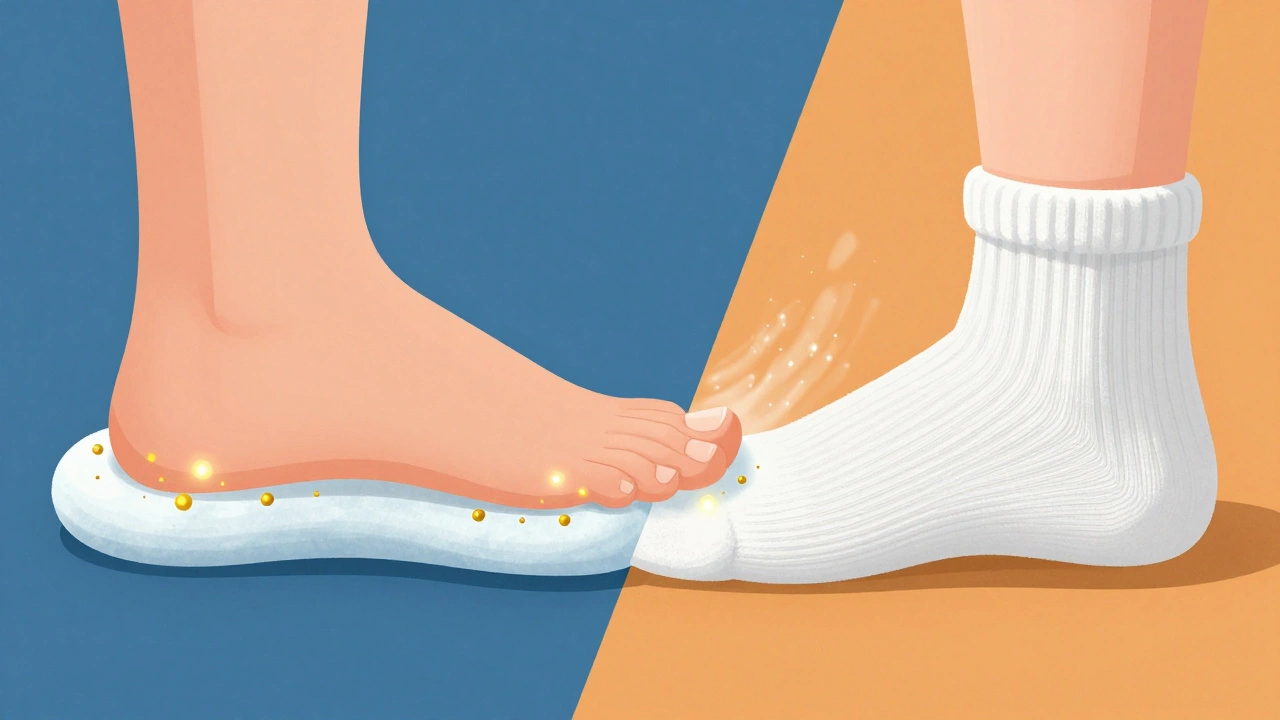
This is where most people go wrong. Going barefoot in Crocs feels like peak comfort, but it's a recipe for odor. Socks act as a sponge. They pull the sweat away from your skin and hold it in the fabric, preventing that slippery, moist layer from forming against the foam. When you go barefoot, you're essentially creating a sealed humid chamber every time your foot presses down into the footbed.
If you hate the look of socks with clogs, try using a Foot Powder. A bit of talc or cornstarch-based powder helps absorb the moisture before it can react with bacteria. Just be careful, as the powder can mix with sweat to create a chalky paste that actually makes the shoes harder to clean later.
How to Get Rid of the Smell
Once the smell sets in, it can be stubborn. Since the material is non-porous, the smell isn't usually inside the foam, but rather a film of bacteria and dead skin cells built up on the surface. This is often called "biofilm." To kill it, you need more than just a quick rinse.
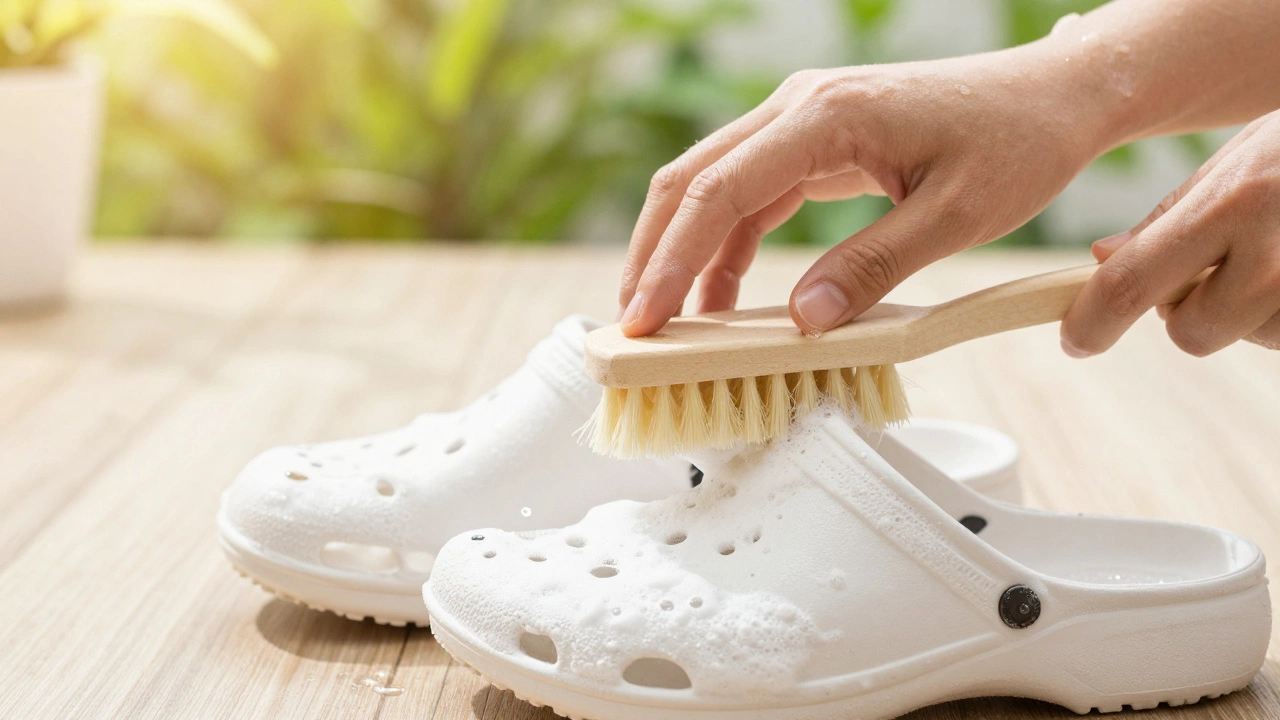
- The Soap Scrub: Use a dish soap (which is designed to cut through grease and oils) and a medium-stiff brush. Scrub the footbed thoroughly, especially the areas where your toes and heel rub.
- The Vinegar Soak: Mix one part white vinegar with three parts water. Vinegar is an acetic acid that kills most odor-causing bacteria. Soak the shoes for 30 minutes and then rinse.
- Baking Soda Treatment: While you can't put powder inside the foam, you can sprinkle baking soda inside the shoe overnight to neutralize pH levels, then shake it out in the morning.
- The Sun Method: Leave them in direct sunlight for a few hours. UV rays are a natural disinfectant, though be careful-extreme heat can cause some versions of foam to shrink.
Preventing the Problem Before it Starts
You don't have to give up your favorite clogs to keep your feet fresh. It's all about managing the moisture. Try rotating your shoes. If you wear the same pair every single day, they never have a chance to fully dry out. Giving them 24 hours of "rest" allows any residual moisture to evaporate.
Also, pay attention to your skin. Using an exfoliating scrub on your feet once a week removes the dead skin cells that bacteria love to eat. The fewer "food sources" the bacteria have, the less likely they are to produce those foul-smelling gases. If the smell persists even after cleaning the shoes and your feet, you might be dealing with Tinea Pedis (Athlete's Foot), which requires an antifungal treatment rather than just a soap scrub.
Do Crocs cause fungal infections?
They don't cause them directly, but fungal infections thrive in warm, moist environments. Because the foam doesn't absorb sweat, if you wear them for 12 hours a day without socks, you're creating an ideal habitat for fungus to grow.
Can I put my Crocs in the washing machine?
It is generally not recommended. The agitation and heat of a washing machine can warp the shape of the Croslite foam. Stick to hand-washing with a brush and mild soap for the best results.
Why do some people's feet smell more in Crocs than others?
It comes down to your individual microbiome and sweat production. Some people naturally produce more sweat or have a higher concentration of the specific bacteria that create the "cheesy" smell.
Does wearing socks with Crocs actually help?
Yes, significantly. Socks absorb the moisture that would otherwise pool on the Croslite surface, which prevents the bacteria from having the wet environment they need to thrive.
How often should I wash my Crocs to prevent odors?
If you wear them daily, a quick wipe-down with a damp cloth every few days and a deep scrub with soap once every two weeks is usually enough to keep odors at bay.
Next Steps for Different Users
For the Daily Wearer: Start rotating your shoes. Buy a second pair and alternate days. This simple change can reduce odor by 50% just by allowing the material to air out completely.
For the Athlete: If you use these as post-game recovery shoes, always wear moisture-wicking socks. Your feet are likely drenched after a workout, and putting them directly into foam will trap that moisture and lead to an immediate smell.
For those with Chronic Odor: Consider using a clinical-strength antiperspirant for your feet. Apply it to the soles of your feet and between your toes before putting on your shoes to stop the sweat before it starts.