
Dress Code Decision Helper
Not sure what to wear? Answer a few questions about your event, and we'll suggest the perfect attire based on standard fashion etiquette.
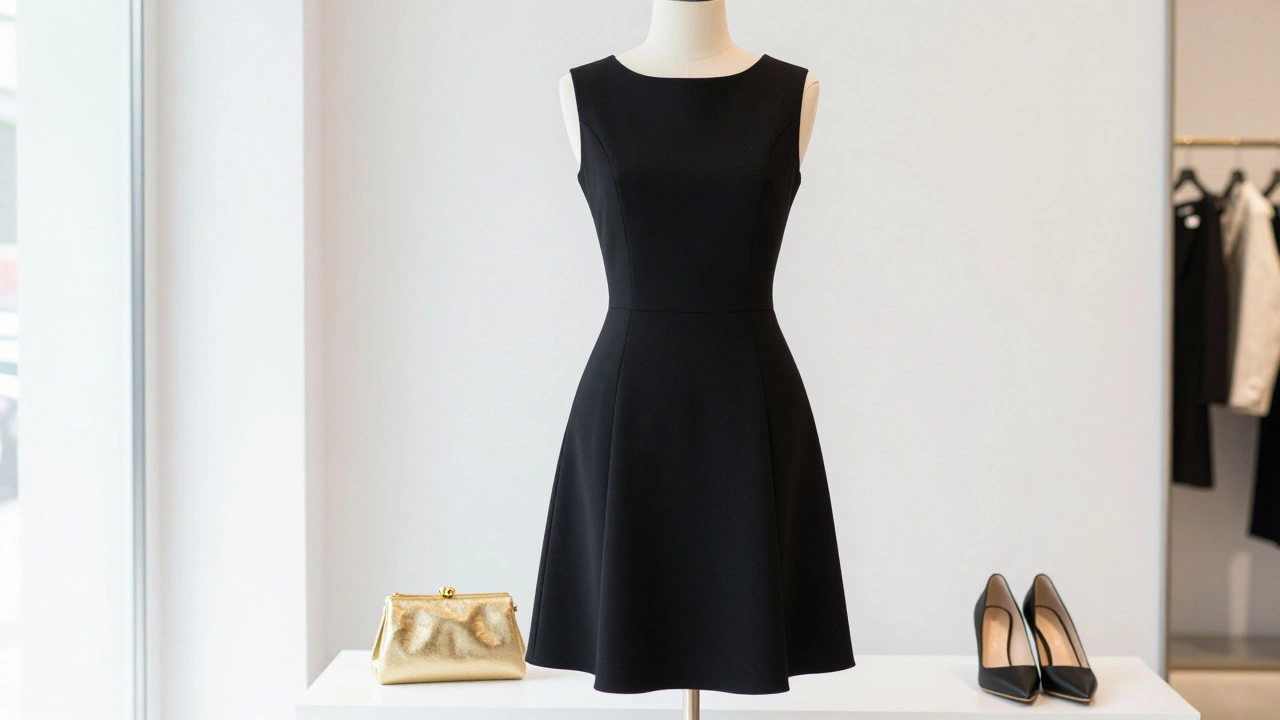
Cocktail Dress is a semi-formal dress typically worn for parties, weddings, and business mixers, usually hitting between the mid-thigh and the calf. Commonly referred to as a party dress, it serves as the bridge between daywear and full-blown formal attire. Think of it as the "versatile player" in your wardrobe-fancy enough to impress, but relaxed enough that you can actually enjoy a glass of champagne without feeling like you're wearing a costume.
The Basic Breakdown: Length and Silhouette
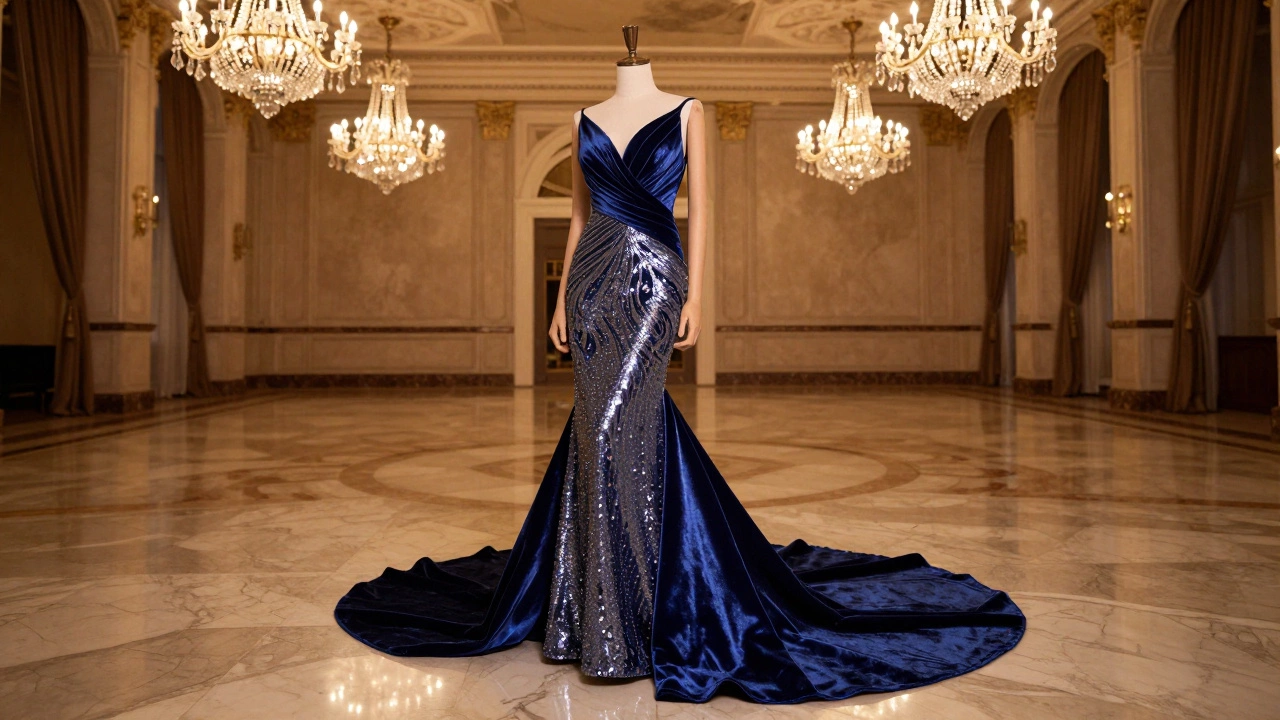
When you're trying to figure out the cocktail dress vs evening dress debate, the first thing to look at is the hemline. For a cocktail outfit, we're usually talking about the Little Black Dress (LBD) territory. The length typically falls above the knee or reaches the mid-calf (what fashionistas call a midi). The silhouette is often more fitted, designed to move easily in a crowded room. You might see a sheath cut, a fit-and-flare, or a chic shift dress. It's all about balance; if the dress is very short, the neckline is usually a bit more modest.Now, shift your gaze to the evening dress. This is where we enter the world of Evening Gown, which is a formal garment typically featuring a floor-length hemline designed for high-stakes social events. While some evening dresses are "tea-length" (hitting just above the ankle), the hallmark of a true evening gown is that it grazes the floor. We're talking about dramatic silhouettes: A-lines, mermaid cuts, and empire waists. If you're wearing something that requires a specific walking technique so you don't trip on your own fabric, you've officially moved from cocktail to evening territory.
Fabric and Feel: From Satin to Sequins
Fabric is the secret language of dress codes. A cotton sundress with a fancy print might look like a cocktail dress from a distance, but the material gives it away. Cocktail dresses use polished but practical fabrics. You'll often see Crepe, a textured fabric with a pebbled appearance and great drape, or high-quality jersey. These materials are durable and hold their shape, making them perfect for an event where you'll be standing and chatting for three hours.Evening dresses, however, are all about luxury and light-catching properties. This is where Silk, a natural protein fiber known for its high luster and smoothness, and Velvet take center stage. You'll also find heavy beading, intricate sequins, and layers of tulle. An evening gown isn't just a piece of clothing; it's a statement. While a cocktail dress might have a subtle shimmer, an evening dress is often designed to glow under ballroom chandeliers. If the fabric feels heavy, expensive, or slightly "too much" for a nice dinner at a local bistro, it's probably an evening dress.
| Feature | Cocktail Dress | Evening Dress |
|---|---|---|
| Hemline | Above knee to Mid-calf | Floor-length or Ankle-length |
| Occasions | Work parties, Weddings, Date nights | Galas, Operas, Black-Tie Weddings |
| Fabric | Crepe, Lace, High-end Jersey | Silk, Chiffon, Velvet, Satin |
| Vibe | Chic and Playful | Sophisticated and Formal |
| Accessories | Clutch, Mid-heels, Simple Jewelry | Evening bag, High heels, Statement Gems |
Decoding the Invitation: Which One to Wear?
Reading a dress code can feel like solving a riddle. Let's break down the most common terms you'll see on an invite so you don't have to guess.
- Semi-Formal / Cocktail: This is the sweet spot. Reach for your cocktail dress. A knee-length dress in a dark jewel tone or the classic LBD works perfectly here. Pair it with a nice pair of pumps and a small clutch.
- Black Tie Optional: This is a tricky one. It means the hosts are wearing gowns and tuxedos, but they're giving you permission to be slightly less formal. A very dressy cocktail dress (think midi length with metallic accents) or a simple floor-length gown both work.
- Black Tie: This is a non-negotiable evening dress zone. If you show up in a cocktail dress, you'll feel underdressed. Go for a full-length gown in a sophisticated color. This is the time for your most dramatic jewelry and a high heel.
- White Tie: The peak of formality. This is exclusively for floor-length evening gowns, often with gloves and very high-end jewelry. Think royal ball or state dinner.
The Role of Accessories and Styling
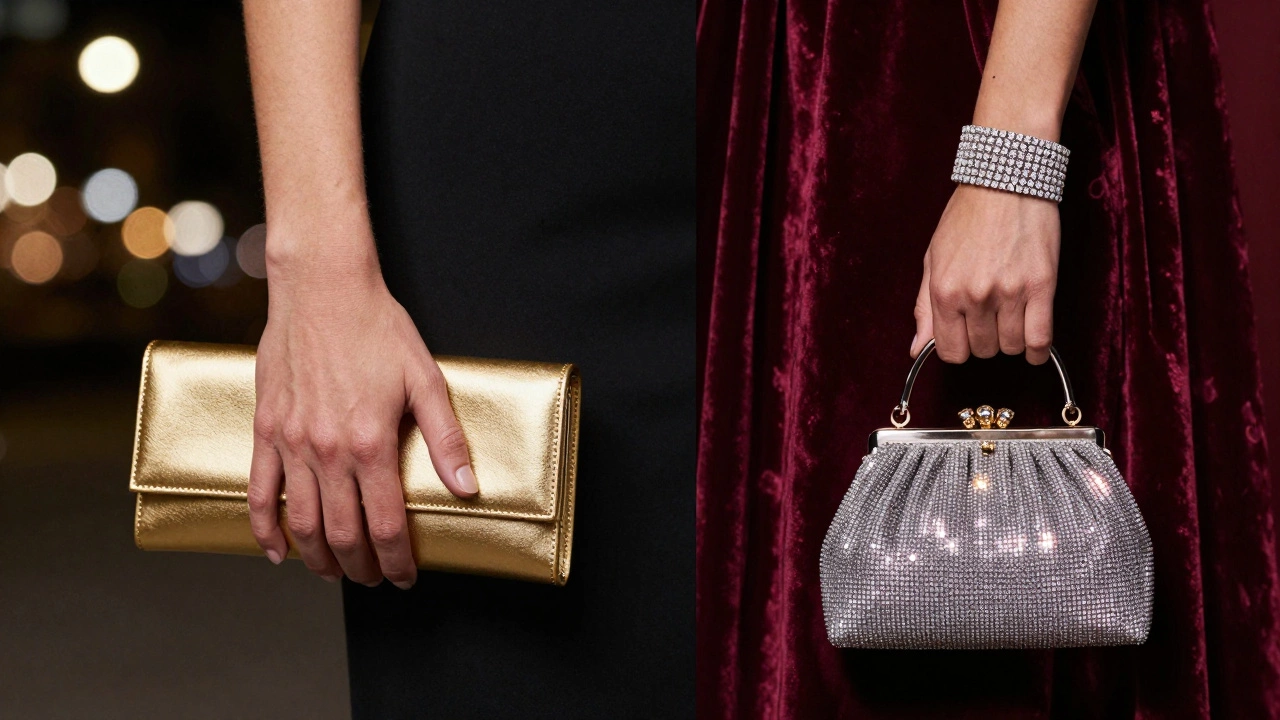
Your accessories can actually push a dress from one category to another. Take a simple black midi dress. If you pair it with a denim jacket and block heels, it's a day dress. If you add a gold clutch and a pointed-toe stiletto, it's a cocktail dress. But if you add a faux-fur wrap and a diamond necklace, you're pushing it toward the formal end of the spectrum.For cocktail events, keep the jewelry balanced. If the dress has a loud pattern or a lot of sequins, go for simple studs. If the dress is a plain color, that's your chance to wear a statement necklace. For evening gowns, the scale changes. Because the dress is so long and dramatic, you can handle bigger accessories. A bold cuff or a pair of shoulder-grazing earrings won't overwhelm a floor-length gown, whereas they might look "too much" with a short party dress.
Common Mistakes to Avoid
One of the biggest pitfalls is ignoring the time of day. A floor-length gown at a 2 PM garden party is a fashion faux pas-you'll look like you're headed to a prom while everyone else is in floral midi dresses. Conversely, wearing a short, sparkly dress to a midnight gala can make you feel like you're at a club rather than a formal event. When in doubt, look at the venue. A hotel ballroom suggests evening wear; a trendy restaurant or a home suggests cocktail attire.Another mistake is the "too-much-skin" trap. In formal settings, there's usually a trade-off. If your evening gown has a deep plunging neckline, it's generally better if it's a full-length skirt. If your cocktail dress is very short, a higher neckline keeps the look sophisticated rather than provocative. It's all about maintaining an air of elegance, regardless of the length.
Modern Twists: Breaking the Rules
Fashion is evolving, and the strict lines of the 1950s are fading. We're seeing more "hybrid" styles today. For instance, the Jumpsuit has become a legitimate alternative to both cocktail and evening dresses. A sleek, wide-leg jumpsuit in a heavy fabric like crepe can pass for a cocktail dress, while a sequined or silk version can easily replace an evening gown at a black-tie event.We're also seeing a rise in the "maxi cocktail dress." This is a dress that is long (hitting the ankle) but made of casual fabrics like cotton or jersey. Be careful here-these are generally too casual for a formal evening event but perfect for a semi-formal summer wedding. Always check the fabric before assuming a long dress is an "evening gown."
Can I wear a cocktail dress to a black-tie wedding?
Generally, no. Black-tie is a very specific code that requires a floor-length evening gown. If you only have a cocktail dress, make sure it is a very sophisticated midi length in a dark color and pair it with your most formal accessories to bridge the gap, but a gown is the correct choice.
Is a Little Black Dress considered a cocktail dress?
Yes, the LBD is the gold standard of cocktail dresses. Depending on the fabric and length, it can work for everything from a business dinner to a fancy party. Just swap your shoes and jewelry to change the formality.
What is the difference between semi-formal and cocktail?
In most modern contexts, they are interchangeable. Both call for a cocktail dress or a dressy suit. However, "semi-formal" can sometimes be a bit more relaxed, allowing for a slightly more casual fabric or a dress that's a bit longer and looser.
Can I wear a maxi dress as an evening gown?
It depends on the fabric. A jersey or cotton maxi dress is a casual day dress. To be an evening gown, the dress needs to be made of formal materials like silk, satin, or chiffon and have a structured or elegant silhouette.
What shoes should I wear with an evening dress?
High heels are the standard pairing for evening gowns. Stilettoes or elegant block heels work best. Avoid wedges or flat sandals, as they clash with the formality of the gown.
Next Steps for Your Wardrobe
If you're looking to build a versatile a collection, start with one high-quality cocktail dress in a neutral tone (black, navy, or deep emerald). This covers 80% of all social invites you'll receive. Once you have that base, invest in one formal evening gown for those rare, high-stakes events like weddings or galas.If you're still unsure about a specific dress, try the "Mirror Test." Put on the outfit and ask yourself: "Would I feel out of place at a fancy restaurant?" If yes, it's likely an evening gown. "Would I feel underdressed at a wedding?" If yes, it's likely a day dress. Finding that middle ground is where the cocktail dress lives. Just remember that confidence is the best accessory-if you feel great in what you're wearing, that usually shines through more than the length of your hemline.