
Wedding Dress Code Checker
Select your wedding details below to see if your above-the-knee dress is a safe choice.
Verdict:
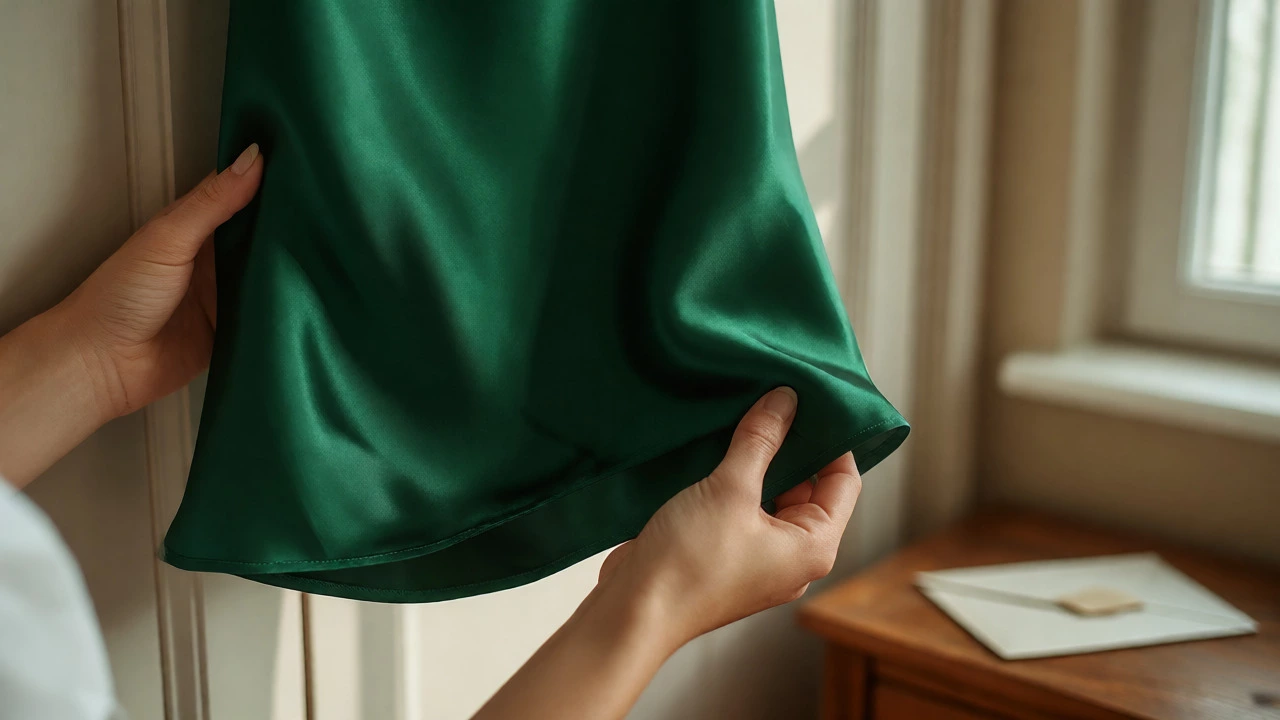
You’re staring at your closet, holding that perfect emerald silk above the knee dress. It’s flattering, it’s comfortable, and you already know how to style it. But then the invitation lands on your counter: "Black Tie Optional" or maybe just "Cocktail Attire." Panic sets in. Is this too short? Will you be the only one breaking the dress code? The good news is that the rigid rules of wedding fashion have softened significantly by 2026. You absolutely can wear an above-the-knee dress to a wedding, but success depends entirely on context, fabric, and styling.
The Golden Rule: Context Is Everything
Before you zip up that dress, check the invitation. The wording dictates everything. If the invite says "White Tie," put the short dress back on the hanger immediately. That level of formality demands floor-length gowns. However, if you see "Cocktail," "Semi-Formal," or even "Beach Formal," you are in safe territory. These codes explicitly allow for shorter hemlines because they prioritize ease of movement and a slightly more relaxed vibe than black-tie galas.
Consider the venue next. A garden ceremony followed by a reception in a historic ballroom might require more coverage than a backyard barbecue or a rooftop lounge. Outdoor venues often involve grass, which makes heels tricky and shorter dresses more practical. Conversely, a cathedral ceremony might expect modesty, where a very high slit combined with a short hem could feel inappropriate. Always match the hemline to the setting. If you are unsure, err on the side of caution and choose a hem that hits right at the knee rather than several inches above it.
Fabric and Silhouette Matter More Than Length
Here is a secret stylists know: people judge the quality of your outfit before they measure your inseam. A cheap, flimsy polyester mini looks like clubwear. A structured, high-quality satin or velvet above-the-knee dress reads as sophisticated evening wear. To make a short dress wedding-appropriate, focus on luxurious fabrics. Think heavy crepe, silk chiffon, lace, or embellished tulle. Avoid jersey, cotton, or thin rayon unless the cut is exceptionally tailored.
The silhouette also plays a huge role. A tight bodycon mini might feel too provocative for a conservative family gathering. Instead, opt for an A-line cut, a fit-and-flare shape, or a shift dress. These cuts provide structure and balance out the shorter length. Adding sleeves or interesting necklines-like a high neck, boat neck, or off-the-shoulder design-draws attention upward and adds a layer of formality. If the dress is sleeveless, consider pairing it with a chic blazer or a faux-fur stole for the ceremony, removing it for the dancing portion of the night.
Dressing Up the Hemline: Styling Tips
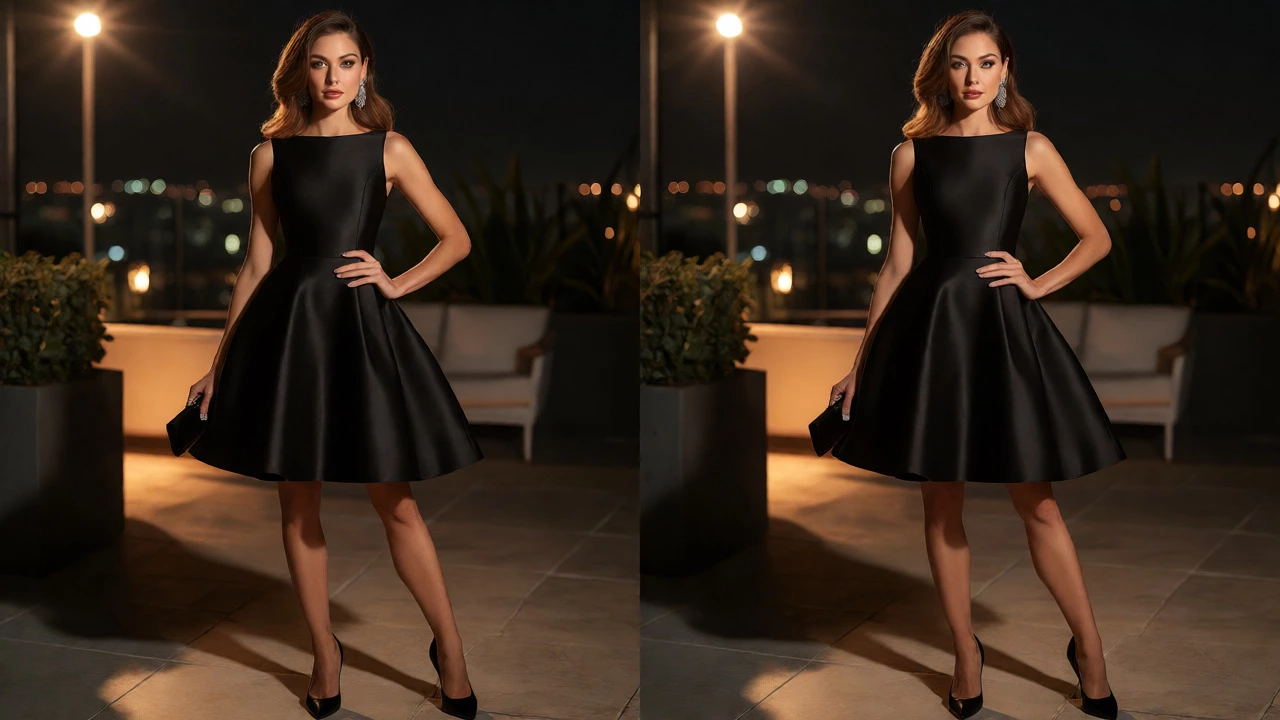
You don’t need to buy a new dress to make an existing one work; you just need to style it correctly. The goal is to elevate the look so it doesn’t resemble a daytime brunch outfit. Start with shoes. Ditch the sneakers or flat sandals. Pair your dress with sleek pumps, strappy heels, or elegant ankle boots depending on the season. Heels elongate the leg, making the shorter hemline look intentional and polished rather than accidental.
Accessories are your best friend here. Since there is more skin showing, jewelry becomes a focal point. Statement earrings or a delicate necklace can add sparkle and seriousness to the ensemble. Carry a clutch instead of a crossbody bag; hand-held bags signal evening wear. Finally, consider outerwear. A tailored trench coat or a structured jacket instantly upgrades a simple sheath dress into a wedding-ready outfit. This is especially useful for September weddings when evenings can get chilly.
| Dress Code | Above the Knee? | Recommended Fabrics | Shoe Pairing |
|---|---|---|---|
| White Tie | No (Floor-length required) | Silk, Satin, Velvet | N/A |
| Black Tie | Risky (Midi preferred) | Lace, Embellished Tulle | Stilettos |
| Cocktail | Yes (Ideal) | Satin, Crepe, Silk | Pumps, Strappy Heels |
| Semi-Formal | Yes (Safe) | Chiffon, Lace, Wool blends | Ballet flats, Low heels |
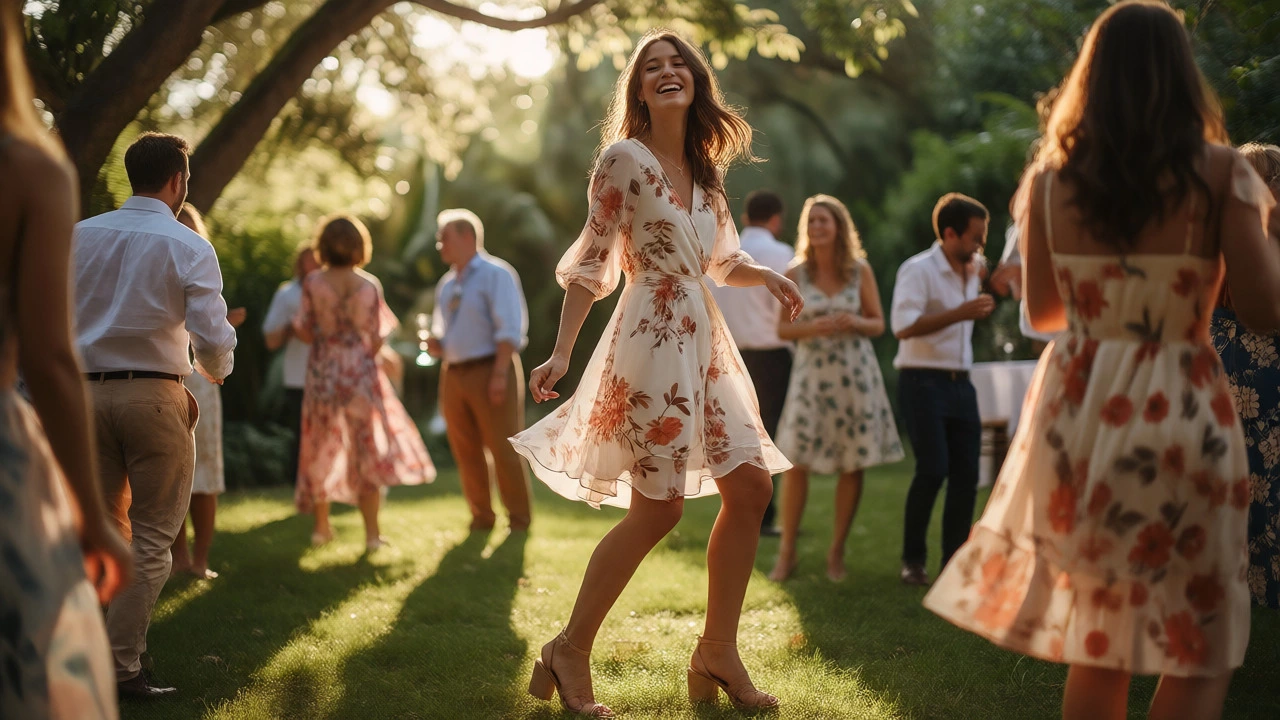
| Beach/Garden | Yes (Practical) | Linen, Cotton-lace, Light chiffon | Wedges, Block heels |
When to Skip the Short Dress
While we’ve championed the above-the-knee look, there are scenarios where you should step away from it. First, religious ceremonies often have stricter modesty guidelines. If you are attending a traditional Catholic, Jewish, or Muslim service, covering your knees and shoulders during the actual ceremony is respectful. You can always change into a shorter cocktail dress for the reception, but bring a shawl or cover-up for the vows.
Second, consider the couple’s personality. If the bride and groom are known for being traditional or if their families are particularly conservative, a longer hemline shows respect for their values. When in doubt, ask a close friend of the couple or check social media photos from previous family events. There is no shame in choosing a midi dress if it means you’ll feel more confident and less self-conscious throughout the night. Confidence is the most important accessory you can wear.
Final Verdict
So, can you wear an above the knee dress to a wedding? Yes, absolutely. Just ensure it fits the dress code, uses elevated fabrics, and is styled with intention. By focusing on quality materials and thoughtful accessories, you transform a potentially casual piece into a stunning wedding guest outfit. Remember, the goal is to celebrate the couple without upstaging them or breaking social norms. With these tips, you’ll look appropriate, stylish, and ready to dance the night away.
Is an above the knee dress too short for a cocktail wedding?
No, an above the knee dress is actually ideal for cocktail attire. The key is ensuring the dress isn't too tight or made of casual fabrics like denim. Stick to elegant materials like silk, satin, or lace, and pair it with heels and a clutch to maintain a formal vibe.
What shoes go best with a short wedding dress?
Heels are generally the best choice as they elongate the legs and add sophistication. Classic pumps, strappy sandals, or pointed-toe mules work well. For outdoor or beach weddings, block heels or wedges provide stability on grass or sand while keeping the look elevated.
Can I wear a black above the knee dress to a wedding?
Yes, black is widely accepted for wedding guests in 2026, especially for evening or city weddings. Ensure the dress has festive details like sequins, lace, or a unique cut to distinguish it from funeral attire or office wear. Add colorful accessories or statement jewelry to brighten the look.
How do I keep a short dress from riding up?
To prevent a short dress from becoming too revealing when you sit or dance, choose a dress with a built-in slip or lining. Additionally, wearing seamless underwear helps avoid visible lines. If the dress is lightweight, consider using fashion tape to secure the hemline to your stockings or legs discreetly.
Is a mini dress different from an above the knee dress?
Yes. An above the knee dress typically ends just below the kneecap, offering more coverage and a more formal appearance. A mini dress ends mid-thigh or higher, which is generally considered too casual for most weddings unless the event is specifically themed as casual or beach-party style.