
Budget Suit Viability Checker
Enter details about your suit to determine if it has the potential to look premium with the right adjustments.
Viability Score
--You walk into a high-street shop or browse an online retailer and see a cheap suit for £50. It looks sharp on the mannequin. But you hesitate. You’ve heard the horror stories: shiny polyester that makes you look like a used car salesman, shoulders that don’t sit right, and fabric that wrinkles if you so much as breathe. The big question isn't just whether it's possible to make a cheap suit look good-it's whether you actually want to spend your weekend trying.
Here is the blunt truth: A cheap suit can look fantastic, but only if you treat it differently than a bespoke one. You aren't buying luxury; you are buying a canvas. If you approach it with the mindset of a project manager rather than a shopper, you can pull off a look that fools most people in the room. If you expect it to perform like a £1,000 Italian wool number straight out of the box, you will fail. Let’s break down exactly how to make budget menswear work for you, without needing a trust fund or a tailor on speed dial.
The Fit Is Everything (And It’s Not About the Price Tag)
Let’s get the biggest myth out of the way first. Expensive suits look expensive mostly because they are tailored to the wearer. Cheap suits look cheap because they are cut for the average human body, which rarely exists. If you buy a size Medium off the rack, it fits roughly 60% of men reasonably well and terrible for the other 40%. The secret weapon for any budget suit is not the brand label inside the collar; it is the local tailor.
You should budget at least £30-£50 specifically for alterations. This sounds counterintuitive when you’re trying to save money, but hear me out. A £50 suit plus £40 in tailoring often looks better than a £150 suit worn off-the-rack. Why? Because fit trumps fabric every single time. When a jacket sits correctly on your shoulders, the entire silhouette changes. It signals competence and care. No one notices the thread count from six feet away; they notice if the shoulder seam hangs off your arm bone.
Focus your alteration money on three key areas:
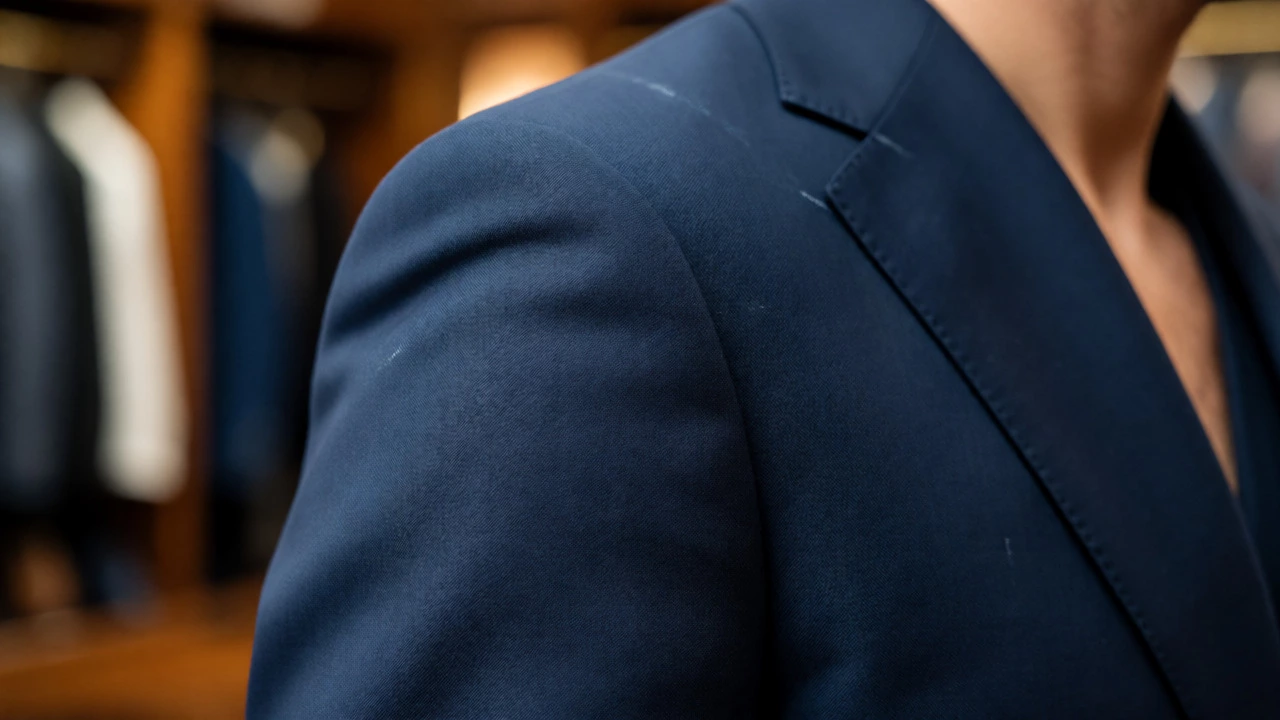
- Shoulders: These are hard to fix. If the shoulder pads extend beyond your natural shoulder line, return the suit. You cannot easily shrink a shoulder. Get this right at purchase.
- Sleeve Length: Your shirt cuff should show about half an inch. Most cheap suits have sleeves that are too long. Shortening them is cheap and instantly elevates the look.
- Trouser Hem: Break the rule of "no break." For a modern, clean look, ask for a slight break or no break. Pooling fabric around your ankles screams "I didn't pay attention."
Fabric Choices: Avoiding the Plastic Shine
The second killer of cheap suits is fabric quality. Specifically, synthetic blends. High-end suits use natural fibers like wool, cotton, or linen. They breathe, drape naturally, and age gracefully. Cheap suits often rely heavily on polyester or viscose. In low light, these fabrics can reflect light in a way that looks greasy or plastic-like. This is what we call "the shine," and it’s the fastest way to signal "budget" to anyone who knows fashion.
So, what should you look for? Check the composition tag. Aim for a blend that is at least 50-70% natural fiber. Wool-polyester blends are common. If you find a suit that is 100% polyester, avoid it unless you live in a very dry climate and need durability over breathability. Even better, look for textured fabrics. A subtle herringbone, birdseye, or tweed pattern helps hide the fact that the fabric lacks depth. Texture distracts the eye from the lack of luxurious sheen. Solid black or navy polyester suits are the hardest to pull off because there is nowhere to hide. Patterned suits forgive sins.
| Fabric Type | Pros | Cons | Best For |
|---|---|---|---|
| Wool Blend | Breathable, drapes well, professional look | Can wrinkle, requires careful cleaning | Office wear, weddings, interviews |
| Cotton/Linen | Casual vibe, breathable, matte finish | Wrinkles easily, less formal | Summer events, casual Fridays |
| Polyester Blend | Durable, cheap, holds shape | Shiny appearance, traps heat, static | High-wear jobs, travel, tight budgets |
Style Simplicity: Less Is More
When money is tight, complexity becomes your enemy. Luxury brands can afford intricate details-surgeon’s cuffs, ticket pockets, complex lining patterns-because their construction supports them. On a cheap suit, these features often look poorly executed. Surgeon’s cuffs might be fake (stitched shut), and the lining might peel after two wears. To make a cheap suit look premium, keep the design simple.
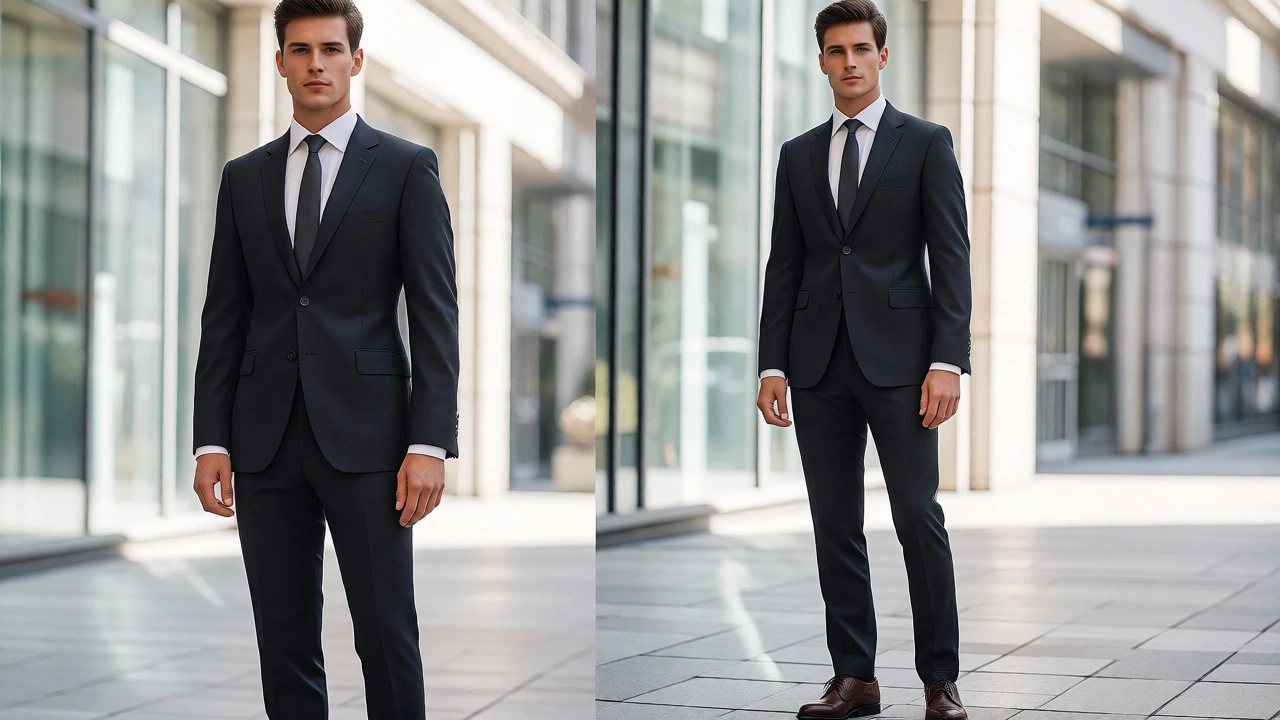
Stick to a classic two-button, notch-lapel jacket. Avoid peak lapels if possible; they require precise cutting to look balanced, and cheap manufacturing often gets the angle wrong. Choose solid colors or subtle patterns. Navy, charcoal grey, and mid-grey are your best friends. Black suits are tricky-they look like tuxedos or funeral attire. If you must go black, ensure the fabric has texture. Brown suits can look dated if the shade is wrong, so stick to cooler tones like taupe or olive if you want to experiment.
Also, skip the vest (waistcoat). Adding a third piece to a budget suit multiplies the chances of something looking wrong. If the vest bunches up or the buttons gap, it ruins the whole ensemble. A well-fitted two-piece suit is far more impressive than a three-piece suit where everything is slightly off.
The Power of Accessories and Grooming
Here is where you cheat the system. People perceive your overall outfit, not just the suit. You can elevate a £60 suit by pairing it with higher-quality accessories. Think of the suit as the background stage, and your accessories as the actors.
A crisp, white dress shirt makes any suit look cleaner. Invest in a decent shirt-even if it costs more than the suit. A wrinkled, yellowed shirt under a new jacket looks worse than a new shirt under an old jacket. Similarly, your shoes matter immensely. Scuffed, dirty shoes anchor a suit to the ground in a bad way. Polish your leather shoes or buy a pair of clean, minimalist sneakers for a smart-casual look. A good belt that matches your shoes ties the look together. Finally, consider a tie or pocket square. A silk tie adds a touch of luxury that polyester suits lack. A simple white linen pocket square adds dimension and shows you put thought into your appearance.
Grooming plays a huge role here too. A fresh haircut and trimmed beard (or clean shave) signal self-respect. If you look polished elsewhere, people assume your clothes are also chosen with care. It’s a psychological trick, but it works.
Maintenance: Keeping It Looking New
Cheap suits are fragile. The interlining (the stiff layer inside the jacket) can bubble if exposed to excessive steam or heat. Dry cleaning is harsh on synthetic blends and can strip the color faster than you think. Here is how to make your budget suit last longer than its price tag suggests.
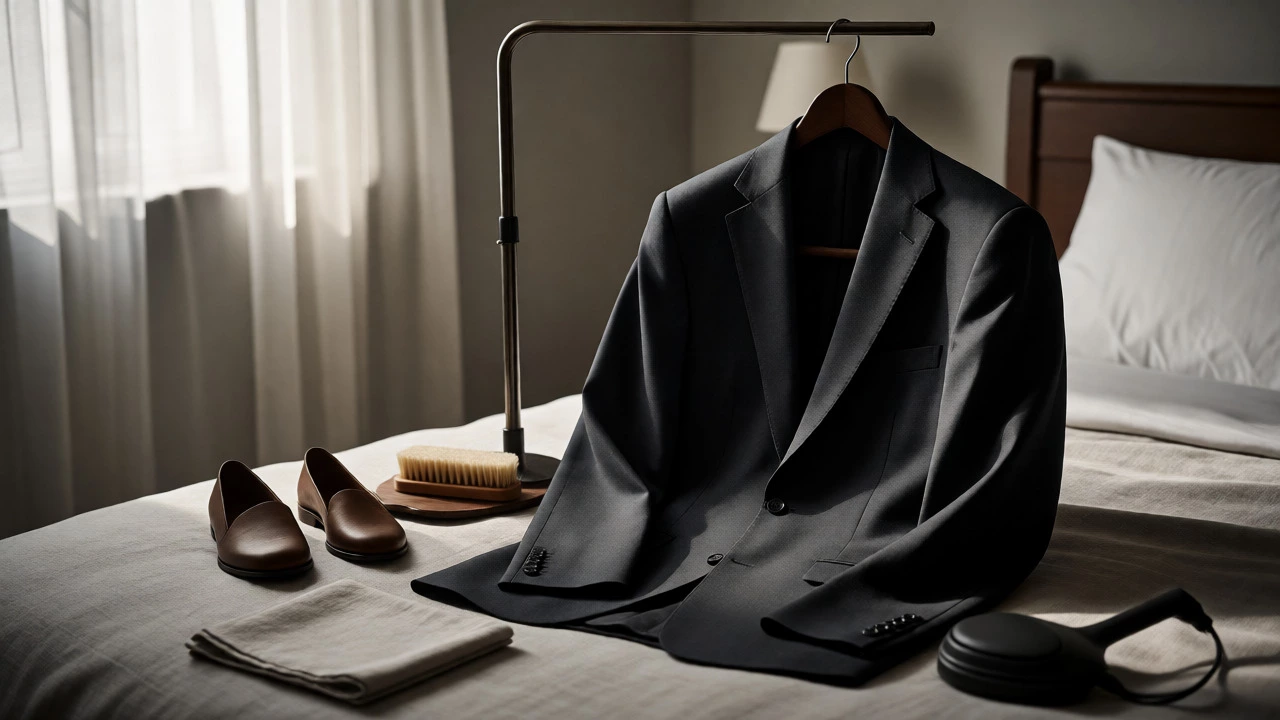
- Air it out: After wearing, hang the suit in a breezy area for 24 hours. Do not put it back in the closet immediately. Moisture and odors need to dissipate.
- Use a garment brush: This is non-negotiable. Dust and skin cells settle into the weave. Brushing removes them before they grind into the fibers. It keeps the fabric looking crisp.
- Limit dry cleaning: Only dry clean when necessary. Spot clean small stains instead. Over-cleaning degrades the structure of cheap suits quickly.
- Hanger matters: Use a wide, wooden or padded hanger. Wire hangers distort the shoulders, ruining the fit you paid for.
If you follow these steps, a cheap suit can last two to three years of regular wear. Without care, it might look tired after six months.
When to Spend vs. When to Save
Is there ever a time when a cheap suit is a bad idea? Yes. If you are attending a wedding where you are close family, or giving a major presentation where you need to command authority, invest more. The risk of looking underdressed outweighs the savings. However, for job interviews (depending on the industry), daily office wear, or casual dinners, a well-tailored budget suit is perfectly acceptable.
Consider the context. Tech startups and creative agencies value individuality and comfort over traditional suiting. A blazer with chinos might be better. In finance or law, the suit is part of the uniform, so quality matters more. Know your audience. If you are unsure, err on the side of slightly better quality. But remember, a great fit in a mediocre fabric always beats a poor fit in excellent fabric.
Frequently Asked Questions
How much should I spend on a cheap suit?
In the UK market, anything under £100 is considered budget. The sweet spot for a "cheap but decent" suit is between £50 and £80. Brands like Marks & Spencer, Next, or H&M offer options in this range. Remember to add £30-£50 for tailoring to your total budget.
Do cheap suits wrinkle easily?
Yes, especially those made with viscose or thin wool blends. Polyester resists wrinkles better but looks shinier. To manage wrinkles, hang the suit in the bathroom while you shower; the steam can release minor creases. Always use a steamer rather than an iron directly on the fabric to avoid shine.
Can I wear a cheap suit to a wedding?
You can, provided it fits perfectly and is in a dark, solid color like navy or charcoal. Pair it with a high-quality shirt and tie. Avoid bright colors or loud patterns, which can look tacky on lower-end fabrics. As a guest, you are fine. As the groom or best man, consider spending more.
What is the biggest mistake people make with cheap suits?
The biggest mistake is skipping tailoring. Buying a suit off the rack and wearing it as-is almost guarantees a sloppy look. Another common error is choosing a shiny black polyester suit, which looks costume-like rather than professional.
How do I know if a cheap suit fits well?
Check the shoulders first. The seam should end exactly where your shoulder bone ends. Then check the chest; it should lie flat without pulling across the buttons. Sleeves should end at your wrist bone, allowing half an inch of shirt cuff to show. Trousers should sit at your natural waist, not sagging.