
Summer Dress Color & Style Advisor
Answer a few questions to get your personalized summer color recommendation.
Your Perfect Palette:
Fill in the details and click "Get Recommendations" to see your ideal summer colors.
The Science of Staying Cool
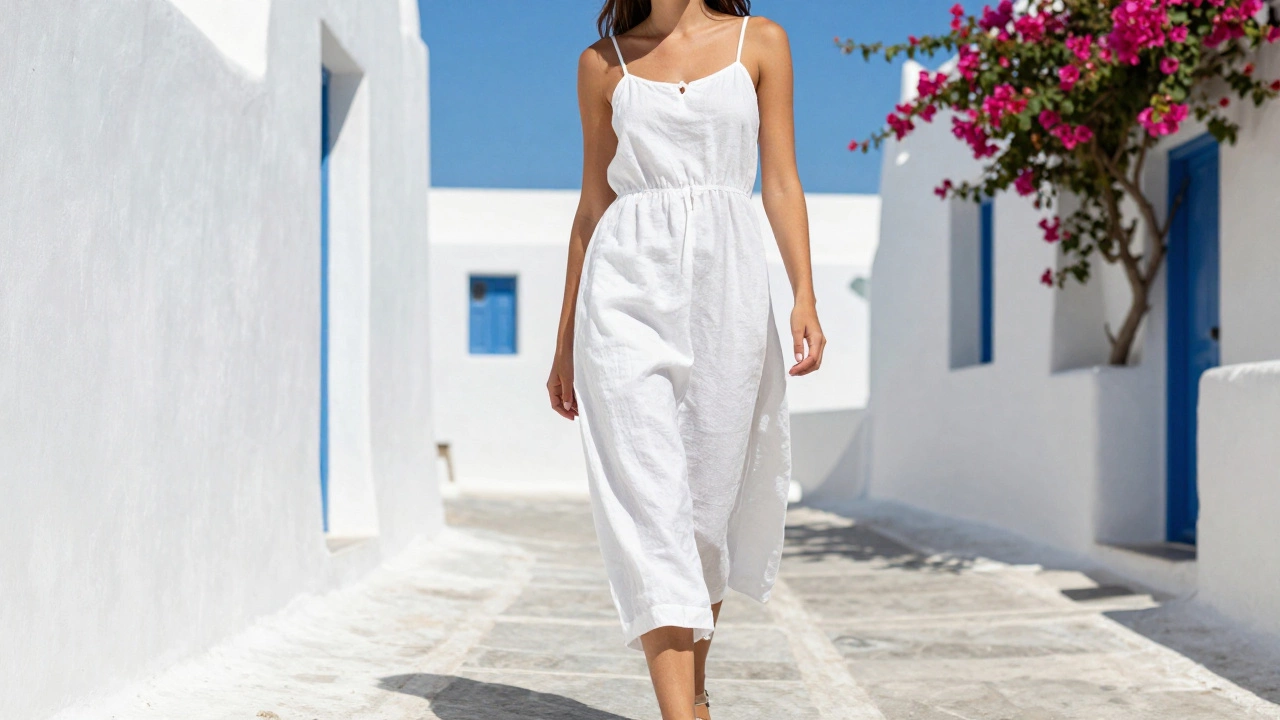
If you want to stop sweating through your clothes, start with the basics of light reflection. White is the gold standard here. It reflects almost all visible light, meaning it doesn't absorb the sun's heat. This is why you see white buildings in Greece or white uniforms in tropical climates. But white isn't the only option. Pastels-think mint green, pale lemon, or baby blue-behave similarly. They keep the thermal load low while adding a bit of personality to your look. If you're worried that white is too "bridal," try a creamy ivory or a soft champagne. These shades still bounce the sun's rays away from your body but feel a bit more grounded.Top Summer Colors for Every Vibe
Depending on where you're going, the "best" color shifts. You wouldn't wear the same shade to a corporate brunch as you would to a poolside cocktail hour.- The Crisp Classics: White and cream. These are timeless and work with any accessory. A white linen dress is basically the unofficial uniform of summer.
- The Refreshing Pastels: Lavender, sage green, and pale peach. These colors feel "cool" just by looking at them and pair perfectly with tan sandals.
- The Bold Brights: Fuchsia, turquoise, and sunny yellow. These are high-energy colors that pop against a tan. While they absorb slightly more heat than white, they are still far better than black.
- The Earthy Neutrals: Terracotta, sand, and olive. These are great for those who find bright colors too loud but want something more interesting than plain white.
| Color Group | Heat Absorption | Vibe | Best Occasion |
|---|---|---|---|
| Whites/Creams | Very Low | Clean, Classic | Beach, Brunch, Formal Summer Weddings |
| Pastels | Low | Soft, Airy | Garden Parties, Daytime Dates |
| Brights | Moderate | Energetic, Bold | Vacations, Festivals, Parties |
| Dark Neutrals | High | Sophisticated | Evening Events, Dinner Dates |
Matching Colors to Your Skin Tone
Color is all about contrast. A color that looks amazing on a friend might make you look washed out. To find your best summer shade, look at the veins in your wrist to determine your undertone. If your veins look blue or purple, you have a cool undertone. You'll look stunning in Cool Tones like icy blue, emerald green, and crisp white. Think of the colors you see in a winter landscape-clear and sharp. If your veins look green, you've got a warm undertone. Go for Warm Tones like coral, gold, mustard yellow, and olive green. These colors mimic the sunset and make warm skin glow. If you can't really tell, or you see a mix of both, you're neutral. You can pretty much pull off anything, but muted colors like dusty rose or sage green usually look the most balanced on you.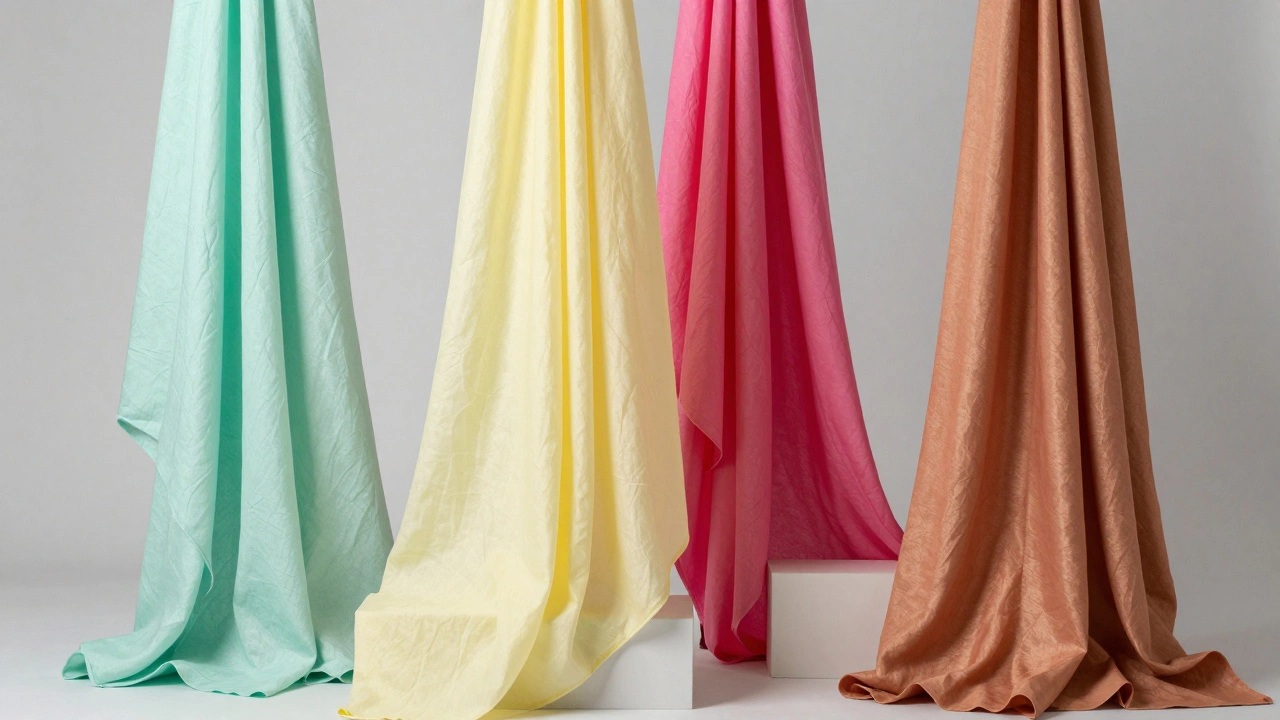
The Fabric Factor: Why Color Isn't Everything
You can wear a white dress, but if it's made of thick polyester, you're still going to feel like you're in a plastic bag. Color works in tandem with material. To truly beat the heat, pair those light colors with breathable fabrics. Linen is the king of summer. It's a textile made from the fibers of the flax plant, known for its exceptional breathability and moisture-wicking properties. A white linen dress is the ultimate heat-beater because the fabric allows air to circulate while the color reflects the sun. Cotton, specifically organic or lightweight cotton, is another great choice. It's soft, absorbent, and comes in every summer shade imaginable. If you're looking for something dressier, Silk or rayon can work, though they don't breathe quite as well as linen.When to Actually Wear Dark Colors
Does this mean you have to throw away your black dress? Not at all. The "no dark colors" rule mostly applies to the peak sun hours (usually 11 AM to 4 PM). Once the sun dips and the temperature drops, a black or deep charcoal dress is perfectly fine. In fact, for an evening summer gala or a fancy dinner, dark colors often look more elegant and formal. If you must wear a dark color during the day, choose a very loose, flowy silhouette. If the dress is oversized, it allows air to flow between the fabric and your skin, which mitigates some of the heat absorption.
Common Style Mistakes to Avoid
One big pitfall is the "see-through" problem. White and pale yellow dresses are notorious for this. To avoid an awkward moment, always check your dress in natural light before leaving the house. Opt for thicker linen weaves or wear nude-colored seamless undergarments rather than white ones-white underwear actually stands out more against pale fabric. Another mistake is over-accessorizing with heavy colors. If you're wearing a light, airy mint dress, avoid pairing it with a heavy black leather bag. It drags the whole "summer" vibe down. Stick to straw bags, tan leather, or metallic accents to keep the look cohesive and light.Do dark colors always make you hotter in the summer?
Generally, yes, because dark colors absorb more ultraviolet and infrared radiation from the sun. However, if the garment is very loose and the wind is blowing, the airflow can help carry heat away from the body, making the color less of a factor than it would be in a tight-fitting dress.
What is the most flattering summer color for most people?
Coral and navy are often cited as universally flattering. Coral works well with both warm and cool undertones, while navy provides a classic contrast that doesn't overwhelm the skin. For a truly "summer" feel, a soft cream or off-white is generally the safest bet for almost everyone.
Should I choose white or cream for a summer wedding?
Unless you are the bride, avoid pure white. It's a major fashion faux pas. Opt for cream, champagne, or light pastels. These still give you the cooling benefits of a light color without stepping on the bride's toes.
Are neon colors good for summer?
Neon colors are great for visibility and high-energy events like beach parties or festivals. They don't absorb as much heat as black, but they aren't as reflective as white. Use them as accent pieces or for specific high-vibe occasions.
Does the fabric affect how a color looks?
Absolutely. A bright yellow in silk looks sophisticated and shimmering, while the same yellow in a matte cotton might look more casual or "country." Always consider the texture of the fabric when choosing a color, as it changes how the light hits the dress.
Quick Tips for Your Summer Wardrobe
If you're overwhelmed by choices, follow these three simple rules of thumb:- Daytime = Light: Stick to whites, pastels, and brights for anything before 5 PM.
- Evening = Bold: This is when you can bring out the deep reds, emeralds, and blacks.
- Breathability First: If you have to choose between a white polyester dress and a beige linen one, go for the linen every single time. The fabric's ability to breathe is more important than the exact shade of the color.