
School Uniform Cost Estimator (UK 2026)
Initial Kit Outlay
The upfront cost to get your child ready in September.
£0 - £0
Replacement Costs
Annual spend on shoes, underwear, and replacements due to growth.
£0 - £0
Breakdown Details
- Base Retail Range (New) £0 - £0
- Savings Applied (Strategy) 0%
Smart Saving Tips for This Profile
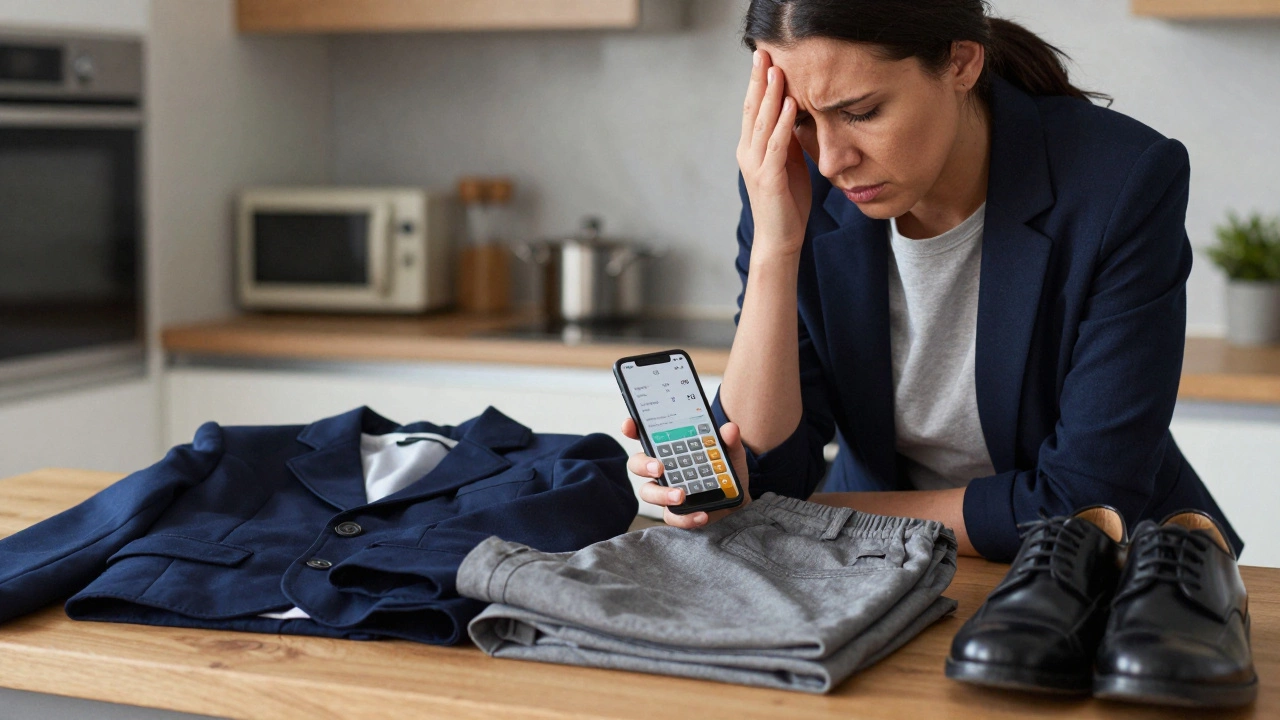
It starts with a simple email from the school office. "Welcome to Year 1! Please find attached the mandatory uniform list." You open the PDF, and your stomach drops. It’s not just a shirt and trousers. It’s specific navy blazers, branded polo shirts with embroidered logos, exact-shade grey socks, and shoes that must be black leather with no white soles. You do the math on your phone while standing in the kitchen, and the total comes to £350 before you’ve even bought a single pair of underwear.
You aren't alone in feeling this pinch. The question "are school uniforms expensive" is one of the most common anxieties for parents, especially those managing tight household budgets. While the intention behind uniforms-equality, simplicity, and school spirit-is noble, the financial reality can be stark. In 2026, with inflation still affecting retail prices, the cost of dressing a child for school has become a significant line item in family finances. But does it have to be this way? And more importantly, where exactly is all that money going?
The Hidden Costs Behind the Blazer
When we talk about the price of school uniforms, we often think only of the initial outlay. However, the true expense lies in the lifecycle of the clothing. Children grow fast. A size 8 top might fit perfectly in September but be too short by Christmas. This rapid turnover means parents aren't just buying one set of clothes; they are buying multiple sets over the course of a single academic year.
Let's break down the typical costs for a primary school student in the UK. A basic set consisting of a polo shirt, sweatshirt, trousers, skirt, tights, and a jumper usually runs between £40 and £60 if bought new from high-street retailers like Primark or Next. For secondary school students, the addition of a blazer, tie, and formal trousers or skirts pushes this initial kit to between £100 and £150. These figures don't include shoes, which are often required to be replaced annually due to wear and tear, adding another £30 to £50 to the bill.
| School Level | Initial Kit Cost | Replacement Items (Shoes/Underwear) | Total Estimated Annual Cost |
|---|---|---|---|
| Primary (Years 1-6) | £40 - £60 | £30 - £40 | £70 - £100 |
| Secondary (Years 7-11) | £100 - £150 | £40 - £60 | £140 - £210 |
| Private/Independent Schools | £200 - £400+ | £50 - £80 | £250 - £480+ |
Notice the jump for private schools. Many independent institutions require suppliers to be exclusive, meaning you cannot buy a generic navy blazer from a discount store. You must purchase from their designated supplier, who charges a premium for the branding and exclusivity. This lack of competition drives up prices significantly, making these uniforms disproportionately expensive compared to state-funded options.
New vs. Second-Hand: The Smart Parent's Strategy
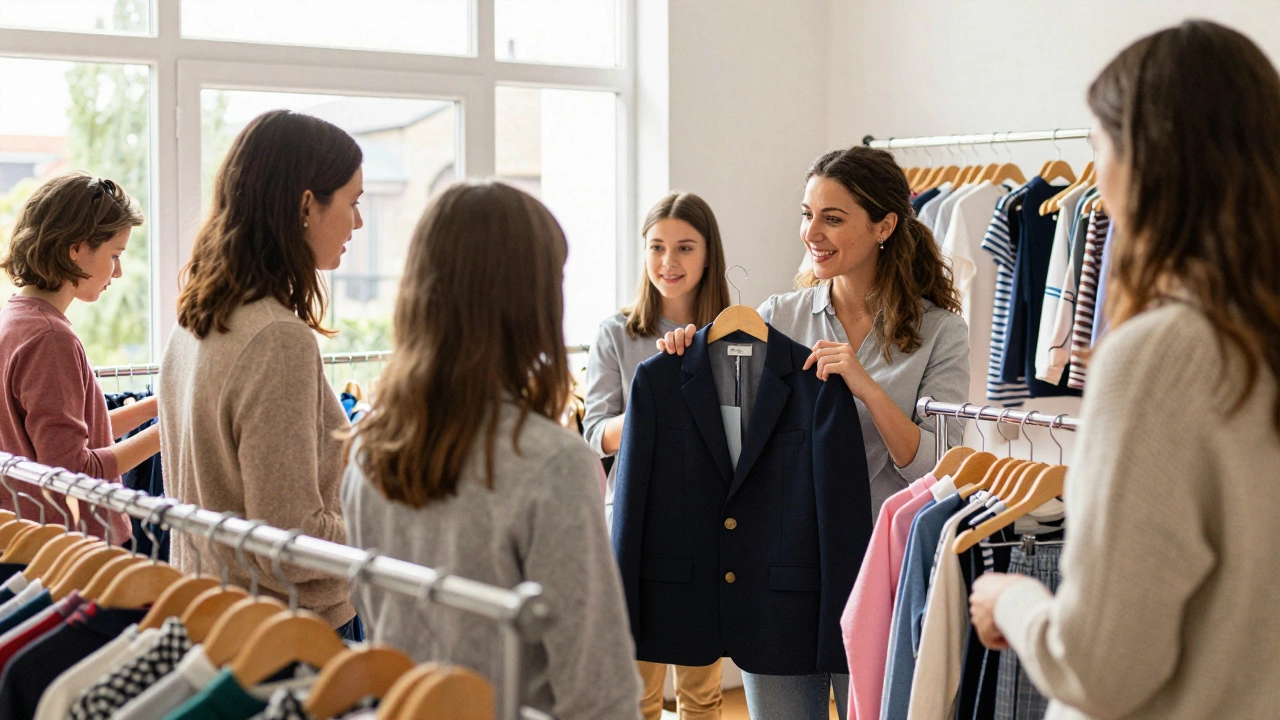
If the sticker shock of new uniforms is real, the solution doesn't have to be wearing rags. The second-hand market for school clothes is robust and highly organized. In cities like York, London, and Manchester, Facebook groups dedicated to specific schools or local areas have become invaluable resources. Parents sell gently used items at the end of every term, often for 20% to 30% of the original retail price.
Buying second-hand isn't just about saving money; it's also an environmental choice. Fast fashion contributes heavily to textile waste. By extending the life of a blazer or a pair of trousers, you're reducing the demand for new production. I've found that items like blazers, cardigans, and trousers hold up remarkably well through washing cycles. Polo shirts, however, tend to lose their shape or color faster, so I recommend buying those new if possible, or inspecting second-hand ones very closely for pilling.
Charity shops are another goldmine. Look for sections labeled "School Uniform" or check during the back-to-school rush in August and January. Many charity shops now offer "try-before-you-buy" schemes where you can take home several sizes and return what doesn't fit within a week. This reduces the risk of buying the wrong size, which is a common pitfall when shopping online without trying items on.
How to Stretch Your Uniform Budget
Managing the cost of school attire requires a bit of strategy. Here are practical steps that can save you hundreds of pounds over a child's school career:
- Buy Off-Season: Retailers often discount summer uniforms in June and winter uniforms in November. If you know your child will move up a year group, stock up on next year's sizes during these sales. Storage space permitting, this is the cheapest way to buy new.
- Mix and Match Brands: Unless the school mandates a specific brand for every item, look for alternatives. A plain navy polo shirt from a budget retailer often looks identical to the branded version but costs half as much. Check the school's policy carefully; some allow unbranded items as long as the color matches.
- DIY Embroidery: Some schools require names on uniforms. Instead of paying £5-£10 per item for professional embroidery, consider doing it yourself if you have a machine, or finding a local tailor who offers bulk discounts for multiple items.
- Swap with Friends: Organize a uniform swap with other parents in your class. One child's outgrown clothes are another's perfect fit. This community approach builds relationships and keeps money circulating locally rather than going to large corporations.
- Check for Vouchers: Some supermarkets and banks offer cashback vouchers for purchases made with their cards. While small, these add up over time. Also, look for government support programs if you are on a low income; many councils provide grants for school supplies.
The Psychological Impact of Cost
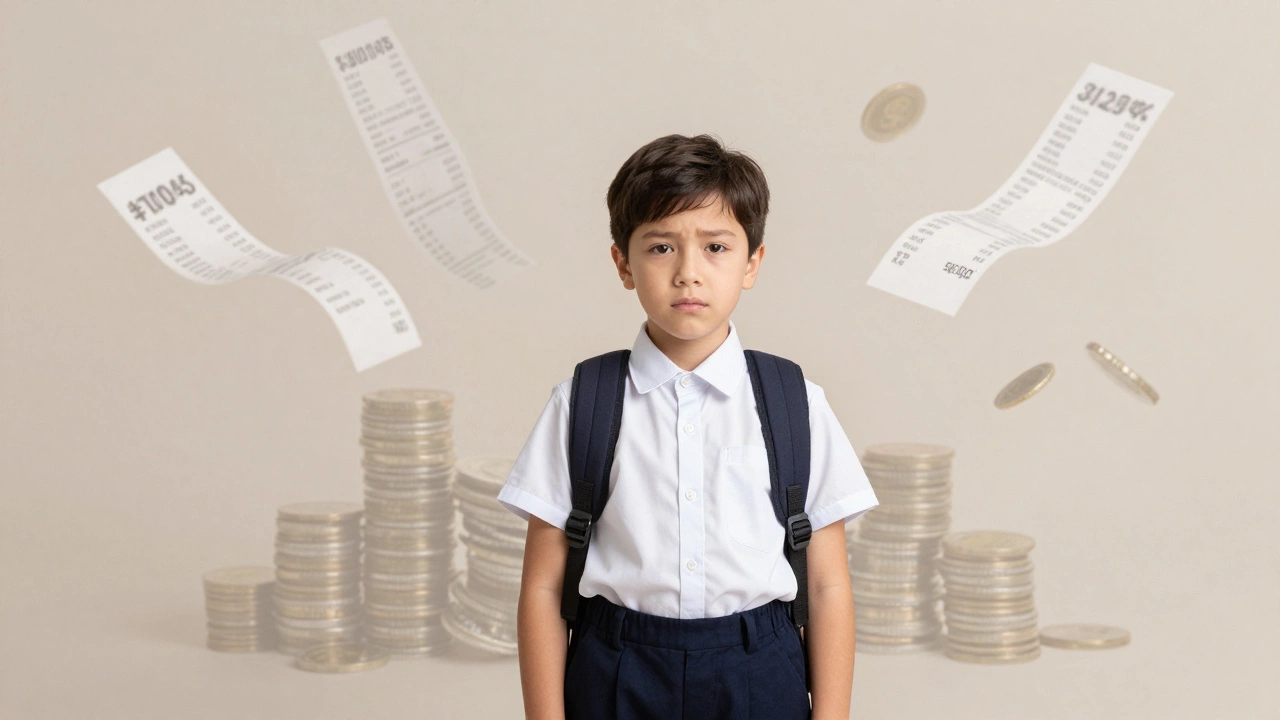
Beyond the financial ledger, there's a human element. When uniforms are expensive, children from lower-income families may feel stigmatized if their clothes are worn, ill-fitting, or outdated. Schools claim uniforms promote equality, but if the barrier to entry is high, it can inadvertently highlight economic disparities. A child wearing a faded, stretched-out second-hand shirt might face bullying, despite the school's best intentions.
This is why advocating for flexible uniform policies is important. Parents should push for guidelines that focus on color and style rather than brand loyalty. Encouraging schools to partner with second-hand initiatives or providing free uniform libraries can make a huge difference. In York, some schools have started "uniform banks" where donated items are cleaned and distributed to families in need. This ensures every child looks presentable without placing undue stress on parents.
Future Trends: Will Prices Drop?
Looking ahead, the trend seems to be shifting slightly towards sustainability and durability. Some manufacturers are introducing higher-quality, longer-lasting fabrics that resist fading and shrinking. While these items may have a higher upfront cost, they last longer, potentially reducing the frequency of replacement. Additionally, more schools are relaxing strict dress codes, allowing for simpler, cheaper items like plain t-shirts instead of branded polos.
Technology also plays a role. Online marketplaces specifically for school uniforms are becoming more sophisticated, using algorithms to match sellers with buyers based on location and school type. This makes finding second-hand items easier and faster than ever before. As these platforms grow, the availability of affordable pre-owned uniforms will likely increase, helping to stabilize costs for parents.
Ultimately, whether school uniforms are expensive depends largely on how you approach the purchase. Buying everything new from official suppliers will certainly drain your wallet. However, by combining smart shopping habits, leveraging second-hand markets, and advocating for sensible school policies, you can manage the costs effectively. The goal is to ensure your child feels confident and ready to learn, without breaking the bank in the process.
How much does a full school uniform cost in the UK in 2026?
For a primary school student, expect to pay between £70 and £100 annually, including replacements. For secondary students, the cost ranges from £140 to £210 per year. Private school uniforms can exceed £250 annually due to exclusive supplier requirements and higher quality materials.
Are second-hand school uniforms safe to buy?
Yes, provided they are washed thoroughly before use. Most second-hand platforms recommend washing items in hot water with disinfectant. Inspect for stains, tears, and excessive wear. Items like blazers and trousers are generally safer bets than intimate apparel like tights or underwear, which should always be bought new.
Can I buy unbranded uniforms to save money?
It depends on the school's policy. Many state schools allow unbranded items as long as they match the specified color and style. Always check the school handbook first. If branding is mandatory, look for alternative suppliers that may offer lower prices than the official vendor.
Where can I find second-hand school uniforms near me?
Facebook Marketplace and local community groups are excellent resources. Search for "[Your Town] School Uniform Swap" or join parent groups for your specific school. Charity shops also have dedicated sections, especially in August and January. Online platforms like eBay and Vinted are also growing in popularity for this purpose.
Do school uniforms help reduce bullying?
Research suggests mixed results. While uniforms can reduce visible markers of wealth disparity, they do not eliminate bullying entirely. Bullying often shifts to other factors like accessories, bags, or behavior. However, uniforms can create a sense of belonging and reduce pressure on children to follow fast-fashion trends.